Ethiopia, located in the Horn of Africa, is a country steeped in history and boasting a variety of landscapes. From the historic sites of Addis-Ababa to the rugged heights of the Simien Mountains, this destination never ceases to spark the curiosity of travelers. Yet many still wonder what to do in Ethiopia to make the most of their stay. Here is a detailed guide to exploring this fascinating land, with a flexible 10-day itinerary between Addis Ababa and Lalibela.
1. Exploring Addis Ababa
Addis Ababa, the vibrant capital of Ethiopia, is an ideal starting point for your journey. Visit the National Museum, where you can encounter Lucy, the famous australopithecine. Continue to the St. George’s Cathedral, an outstanding Ethiopian Orthodox structure noted for its architecture. For an immersion into local life, the Merkato is one of Africa’s largest open-air markets, offering a sensory experience like no other. End your day with a panoramic view from Mount Entoto to discover the city’s expanse.
2. Discover Lalibela’s Wonders: Its Rock-Hewn Churches
Lalibela is often regarded as Ethiopia’s Jerusalem due to its rock-cut churches. Carved into the rock in the XIIth century, these religious structures are UNESCO World Heritage Sites. A visit to the churches of Bet Giyorgis and Bet Medhane Alem offers a spiritual and architectural experience like no other. Be sure to explore these sites at sunrise to take advantage of the soft light that bathes the ancient façades.
3. Delving into Gondar’s History
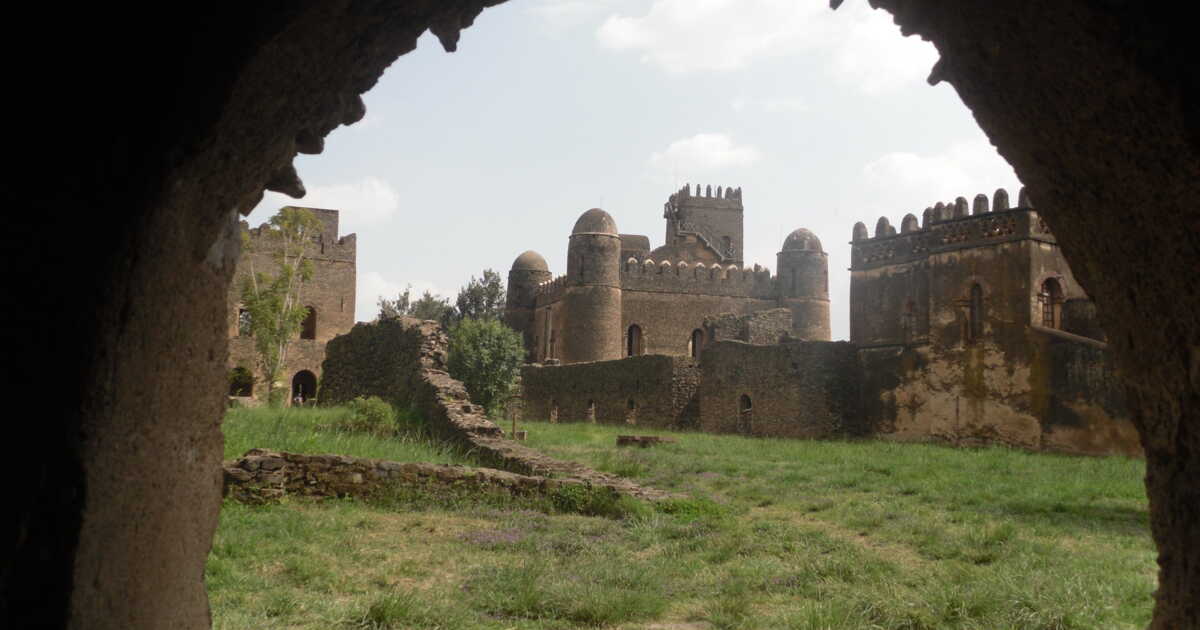
Heading toward Gondar, you will encounter the Fasil Ghebbi royal palaces. Built in the 17th century, these fortresses bear witness to the former glory of Ethiopian emperors. Not far away, the church of Debre Berhan Selassie is renowned for its well-preserved murals, depicting religious scenes and angels with bright eyes.
4. Trekking in the Simien Mountains
For hiking enthusiasts, the Simien Mountains offer spectacular trails, ideal for observing endemic wildlife. The landscapes include craggy plateaus and deep valleys where gelada baboons, a species unique to this region, reside. A trek through this mountain range is not only a physical adventure but also an opportunity to appreciate a one-of-a-kind biodiversity.
5. An Extreme Adventure in the Danakil Depression and a View of Erta Ale
Located in northeastern Ethiopia, the Danakil Depression is one of the harshest environments on earth. It is famous for its volcanic landscapes, notably Erta Ale, an active volcano, and the Lake Assale, known for its saline formations. The site of Dallol enchants with its vivid colors and geological formations. Prepare for extreme temperatures and travel with an experienced guide.
6. Meeting the Tribes in the Omo Valley
The Omo Valley is renowned for its cultural diversity, hosting several tribes such as the Mursi and the Hamer. This region offers a unique chance to discover age-old traditions and ancestral ways of life. In particular, bead-making and ritual ceremonies are standout cultural experiences.
7. Savoring Local Flavors
Ethiopian cuisine is an attraction in its own right. Dive into a plate of injera, a teff-based flatbread often served with a variety of spicy stews such as Doro Wat. Ethiopian coffee is a tradition to be savored, renowned for its rich flavors and unique preparation method.
8. Visiting Historic Sites in Axum
Axum is often considered the cradle of the ancient Ethiopian civilization. This archaeological site is famous for its massive obelisks and fields of stelae. It also houses the Church of Saint Mary of Zion, which tradition says shelters the Ark of the Covenant. This place is a fascinating blend of legends and millennia-old histories.
9. Immersion in Addis Ababa’s Nightlife
For those seeking to explore urban life, Addis Ababa offers a lively nightlife scene. Between restaurants, bars, and clubs, the city resonates with vibrant music blending traditional and modern influences. Try popular spots to feel the nocturnal buzz.
10. Travel Safely and Responsibly
Before traveling to Ethiopia, educate yourself on the current safety guidelines. It is advisable to travel with a local guide and monitor updates about the political situation. Respect local traditions and minimize environmental impact to reinforce an ethical adventure. Consider practical aspects, such as required vaccines and information on local transport, to ensure a smooth trip.
Ethiopia is a destination that impresses with its natural and cultural diversity. From Addis Ababa to Lalibela, via the Simien Mountains and the Danakil Depression, every leg of this 10-day itinerary will lead you to discover the wonders of this country. With careful preparation, both logistical and cultural, your journey will be rewarding and safe.
Is It Safe to Travel to Ethiopia for a Cultural and Natural Trip?
Questioning the safety of a trip to Ethiopia is legitimate, given the country’s wealth of heritage and the diversity of its regional contexts. Certain areas carry specific recommendations, while other regions, such as Bahir Dar or Gondar, can remain accessible under conditions and welcome visitors.
On the Danakil camel caravan route, hot springs and intense volcanic activity attract researchers as well as curious travelers, but require professional guidance. The north of the country, with the Lalibela churches or the palace ruins of the ancient kingdom, shows relative stability, while the south of Ethiopia, marked by endemic species and winding roads, offers spectacular landscapes to those ready to adapt to local conditions. It is recommended to carefully plan your itinerary, regularly check safety updates, and work with experienced operators. Ethiopia, cradle of humanity, remains a land of exceptional wonder, at the crossroads of people, cultures, and ancient cities.
Is Life Expensive in Ethiopia for a Well-Planned Stay?
Evaluating the cost of living during a trip to Ethiopia involves weighing the contrasts between urban centers and rural areas. In the city of Addis Ababa, nicknamed the New Flower, accommodations, dining, and transportation offer an affordable price-quality ratio, though there are notable disparities depending on neighborhoods and services.
Just minutes from the center, the city markets offer fresh and artisanal goods at modest prices. In historic towns such as Harar, where the narrow streets still harbor the memory of the mythic Arthur Rimbaud, or near the Lake Tana, hot springs and the baths of Fasilidas exist with manageable costs. At higher elevations, on the high plateaus, or in the Simien National Park, reached via winding roads, logistical costs can rise due to remoteness and transfer complexity.
For nature lovers, tracing the paths of the Abyssinian wolf or the mountain nyala requires specialized guidance, but remains accessible. A well-planned stay, incorporating car rental, cultural stops, and immersion in the Ethiopians’ cities, allows you to manage the budget while discovering a true paradise shaped by unique geological features and the memory of the early humans.
This article was drafted with the help of artificial intelligence, then corrected, expanded, and validated by the editors of the newsroom.