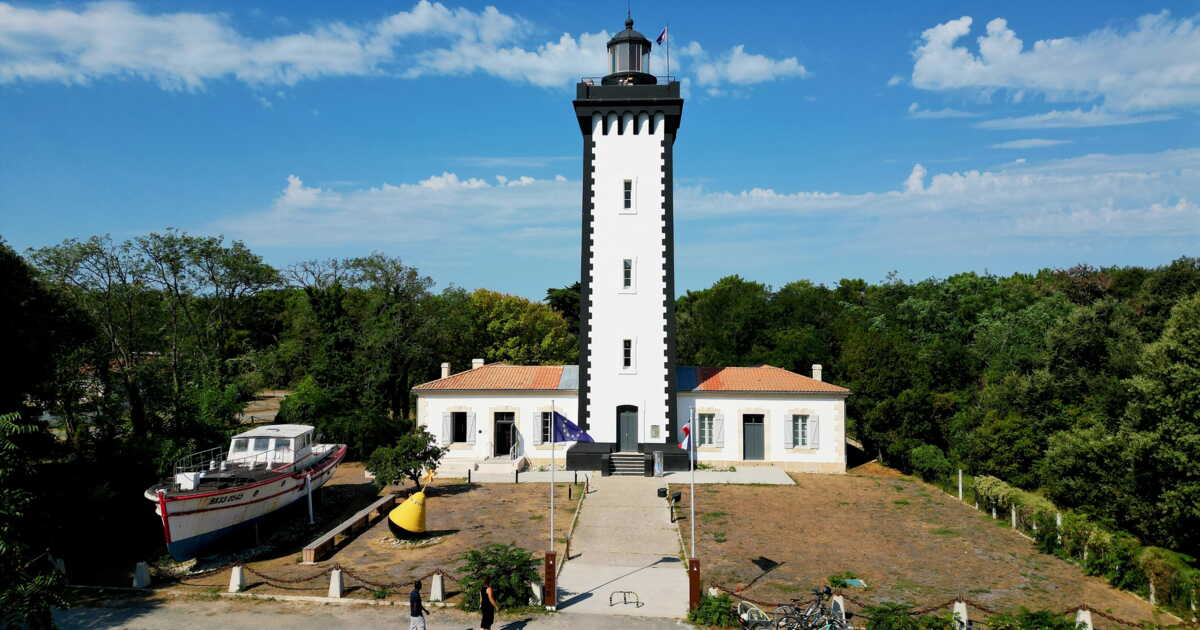
The must-attend event of the autumn season, the European Heritage Days attract millions of visitors each year. The event, which will unfold across the country next weekend, marks its 40th anniversary this year. Before lifting the veil on the highlights of this new edition (which we will detail here tomorrow), here is a look back at the origins of the event.
In 1984, Jack Lang, then Minister of Culture, imagined a large “Open Doors Day of Historic Monuments” at a national scale. His objective? To reveal to the greatest number and across the entire country the richness of French heritage through unprecedented appointments, visits, and exceptional openings.
A French invention that became European
But from its second edition in 1985, Jack Lang wished the event to become European, convinced of the major place accorded to cultural heritage by the Council of Europe. The latter works to promote diversity and dialogue around Europe’s common heritage through three axes: its conservation, its protection, and the enhancement of heritage.
In 1992, the event was renamed the “National Heritage Days.” From 1993 onward, 34 European countries joined the event, allowing the public to visit more than 26,000 monuments. In 2000, the event took on its final name of “European Heritage Days.” Or “JEP” for insiders. By then, more than 40 countries participated, making the JEP one of the first major international cultural manifestations.
Abroad, the event is known as Heritage Days. Soon, other countries around the world joined the lineup, such as Turkey and Taiwan. By 2010, there were now 50 states organizing the event, from the Vatican to Portugal, from Belarus to Moldova, to Malta or Saint Martin.
Who organizes the European Heritage Days?
In France, the event was initiated by the Ministry of Culture and its Directorate of Cultural Heritage. The event is also implemented by the territories and the DRACs (Directions Générales des Affaires Culturelles). Throughout the country, private associations join the venture.
At the European level, however, it is the Council of Europe and the European Commission that oversee the JEP.
A large number of the visits organized within the event are free, and private establishments mostly offer reduced-rate options.
What to see during the European Heritage Days?
More than the number of participating countries, the European Heritage Days attract with the variety of sites they open to the public. Civil or religious monuments, agricultural and industrial heritage—the offering is vast, which allows, beyond the places and buildings involved, the spotlight to be cast on the know-how and crafts of those who work there.
Each edition of the event also highlights one or more themes. Cinema, literature, citizenship, sciences, protection, travel, youth, education, sustainability…