Beijing, the capital of China, is a city where millennia-old history meets dazzling modernity. Known for its iconic historic sites, vibrant neighborhoods, and local culture, Beijing offers a wealth of activities for curious travelers. Whether you plan a short visit or a longer stay, it is essential to make the most of every moment spent in this fascinating metropolis. You may be wondering what to do in Beijing to get the most out of your trip. Let us explore together the must-do experiences to live in this unique city.
1. Visit the Great Wall of China
Visiting the Great Wall of China is a must-do experience during a stay in Beijing, as this colossal construction stands as one of the world’s great wonders. The sections at Mutianyu, Badaling, or the Jinshanling stretch offer varying levels of difficulty and spectacular panoramas over the mountainous landscape to the southeast of the capital. For travelers seeking authenticity, hotels near the wall allow you to extend the experience right at the site. This Beijing visit can easily be combined with access via the Beijing Metro, and purchasing a metro ticket simplifies logistics for a structured itinerary.
2. Discover the Forbidden City and Tian’anmen Square
Discovering the Forbidden City and the Tian’anmen Square means stepping into the political and cultural heart of imperial times. This former residence of emperors, notably those of the Ming dynasty, including the Yongle Emperor, reflects the organization of power in the Empire of the Middle. Just a few steps away lies one of the world’s largest public squares, the setting for the flag-raising ceremony, the military parade on the National Day, and the Mausoleum of Mao Zedong, witness to the continuity between imperial history and modern history. The Gate of Heavenly Peace thus opens onto a journey of meaning, at the crossroads of history and power.
3. Explore the Temple of Heaven
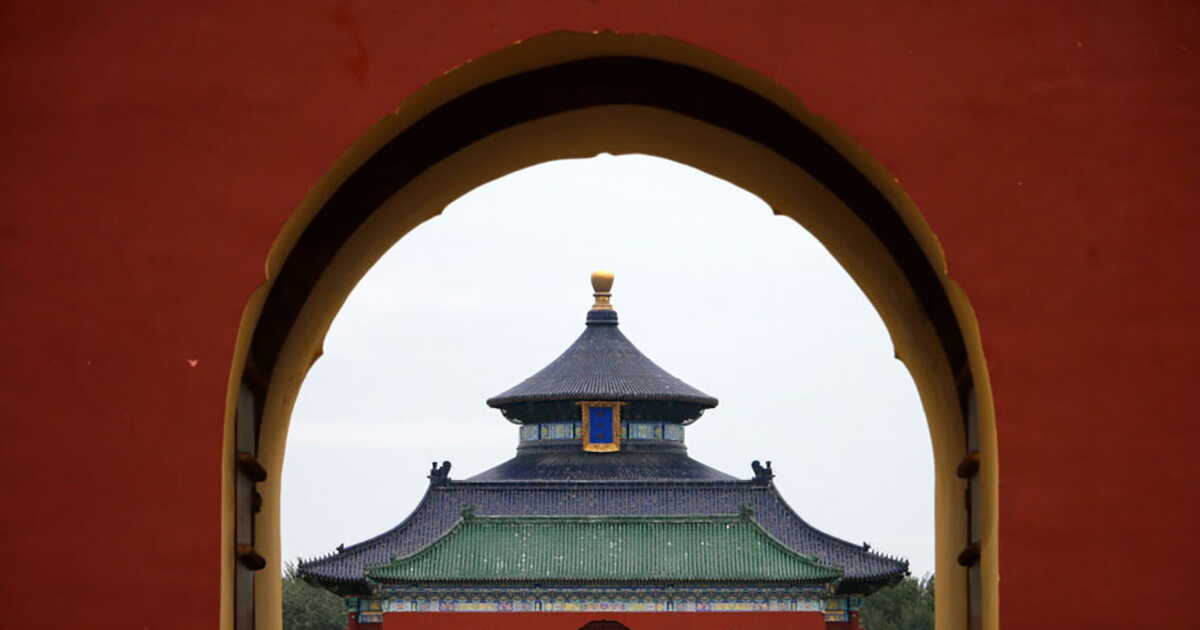
The Temple of Heaven is an essential spot for any Beijing visit, both for its symbolic significance and for its harmonious integration into the urban environment. A place of prayers for the bountiful harvests under the emperors of the Ming and Qing dynasties, this temple landmark offers a vast park ideal for practicing the tai-chi and for morning strolls. Recognized as a World Heritage Site, this wooden architecture, without nails or metal supports, reflects a metaphysical harmony between heaven and earth. Located in the center of Beijing, it is easily reachable by the metro lines, broadening access to this heritage wealth.
4. Stroll through the Hutongs
The hutongs of Beijing, especially the traditional Beijing hutongs, constitute a living heritage of the city’s ancient urban fabric. This network of intertwined lanes, dotted with siheyuan (courtyard houses), offers an ideal place to soak up the historical daily life of old Beijing. While some have been preserved, others have been transformed into cardboard-paste hutongs, more commercial than patrimonial. Exploring them on foot or by bike grants access to trendy neighborhoods and to beautiful spots still little known, perfect for a Beijing family visit.
5. Enjoy performances at the Lama Temple and the Summer Palace
The Lama Temple and the Summer Palace represent two distinct facets of spirituality and the Chinese way of life. The former, a premier site of Tibetan Buddhism, is renowned for its monumental statue and meditative atmosphere, while the latter embodies the imperial aesthetic in their summer retreats. The gardens of the Summer Palace, crossed by canals, are punctuated by refined pavilions and symbolic elements, making it a world apart from the urban bustle. These sites enrich a Beijing visit with their spiritual and artistic wealth.
6. Savor the Beijing Roast Duck
Sampling the Beijing roast duck in a restaurant that respects its tradition is to experience an culinary art codified since the Ming dynasties. This specialty, prepared according to a rigorous method, is enjoyed in thin slices, accompanied by pancakes, vegetables and hoisin sauce. To enjoy the best pricing, it is recommended to book in advance at hotels with rooms renowned for their gastronomy. This gastronomic appointment can be extended with a stroll through the trendy neighborhoods, where modernity and culinary traditions intersect.
7. Explore Beijing after nightfall
Exploring Beijing after nightfall reveals a bright, dense and lively city. The Wangfujing Street Night Market embodies this buzz, with quirky snacks and international signage. Not far away, the bars of Sanlitun or Beijing Opera concerts offer varied activities. A one-night hotel stay then becomes a practical option to extend this cultural immersion. The nighttime atmosphere of the capital provides a complementary facet to the Beijing visit, as rich as the daytime one.
8. Visit museums like the 798 Art Zone
The Beijing museums, such as the National Museum of China or the 798 Art District, offer a diversified perspective on the evolution of art and thought in the Empire of the Middle. In these places, one moves from millennial artworks to contemporary Chinese art, all within striking architectural settings. These spaces, at once symbols of knowledge and laboratories of ideas, form part of any Beijing visit aiming to understand the complexity of a metropolis with multiple faces.
9. Wangfujing Street: a flagship spot for visitors
Wangfujing Street represents one of the flagship spots for consumption and popular culture in Beijing. Located in the historic center, not far from the Forbidden City and the Gate of Heavenly Peace, it blends culinary traditions with commercial modernity. This district embodies a China in transition, where global brands intersect with street markets offering grilled insects and local delicacies. It is an ideal place to observe the contrasts of the Chinese world, between ancient harvest rituals and the contemporary rush toward modernization. In the evening, the lights of Wangfujing provide a unique spectacle, bearing witness to the city’s cultural vitality.
10. Beihai Park: an ideal place to discover Beijing differently
Located immediately adjacent to the Forbidden City, Beihai Park constitutes an ideal place to enjoy a more contemplative Beijing. Once reserved for the Yongle Emperor and the dignitaries of the Ming dynasty, it embodies a portion of the World Heritage. Today, it is a world apart, where locals and travelers mingle to practice the tai chi at sunrise or admire the sun on the water of the central lake. The park, rich in works of art and in symbols of the Empire of the Middle, stands as a cultural oasis in the center of Beijing, allowing a moment of pause between two historic visits or a military parade during the National Day.
Beijing, with its rich history and culture, offers a multitude of activities for every type of traveler. Whether you visit its historic monuments, discover its gastronomy, or explore its nightlife, each experience will enrich your understanding of this fascinating metropolis. By carefully planning your trip, you can fully enjoy all that Beijing has to offer and create memorable memories.
How much time is needed to visit Beijing ?
A visit to Beijing deserves a minimum of four to five days to grasp the historical, cultural, and architectural richness of the capital of the Middle Kingdom. Between the Forbidden City, the ancient residence of Ming dynasty emperors, Beijing’s traditional hutongs that tell the daily life of residents for centuries, and world-famous places like Tiananmen Square, the itineraries are dense and require time. To better plan your stay in Beijing, it is essential to consider the density of Beijing’s subway network and its lines, which provide easy access to trendy neighborhoods, the wall sections, and the Olympic Park, notably the Bird’s Nest stadium.
What to do in Beijing in the evening to extend the cultural discovery?
Evening exploration of Beijing reveals another dimension of the city, where modernity and traditions intersect. The lanes of the traditional hutongs take on a distinctive atmosphere after nightfall, and some places such as the Beijing Opera offer an immersive experience in intangible cultural heritage. The avenues like Wangfujing Street come alive with night markets and neon signs. You encounter as many tourists as locals, all eager to sample specialties, stroll, or simply watch the sunset over the squares. For a one-night hotel stay, several establishments offer rooms with views of central Beijing, ideal for a rendezvous between modernity and history.
What to do in Beijing when it rains? Cultural alternatives sheltering from time
Rainy days in Beijing can become ideal opportunities for indoor discovery. Numerous museums, including those dedicated to emperors and to Chinese art, help keep you connected to history. Mao Zedong’s Mausoleum on Tiananmen Square provides a glimpse into the memory of the People’s Republic. Galleries featuring artworks and handicrafts testify to the cultural diversity of Imperial China. Even the hutongs, often covered or sheltered, can be explored differently, between traditional hutongs and cardboard-hutong recreations, tourist reconstructions that raise questions about authenticity.
What to do at Beijing airport during a layover?
During a lengthy layover at Beijing Capital International Airport, several options allow turning the wait into a cultural opportunity. Express tours to central Beijing can be done via the Beijing Metro with a single metro ticket. For those staying within the airport complex, rest zones, exhibition spaces on Chinese dynasties, or tai chi practice areas offer a symbolic discovery of Chinese knowledge. Several nearby hotels provide day-use rooms at the best rates for a restorative break.
This article was drafted with the help of artificial intelligence, then corrected, expanded, and validated by the editors of the desk.