Table of Contents
-
1. Explore the Okavango Delta
-
2. Safari in Chobe National Park
-
3. Discover the Moremi Reserve
-
4. Venture onto the Makgadikgadi Pans
-
5. Encounters with the San cultures of the Kalahari
-
What is the best time to visit Botswana?
-
What to do and see in Botswana?
-
Is Botswana expensive?
-
Is Botswana a safe country?
-
Botswana landscape: natural grandeur and diversity
-
Botswana: a country in Africa to discover
-
Botswana tourism: practical tips to prepare well
-
Traveling to Botswana: a well-organized adventure
-
Botswana on a 15-day circuit: an in-depth itinerary
From the vast arid stretches of the Kalahari to the dazzling Okavango Delta, Botswana offers an impressive range of experiences to discover. Located at the heart of Southern Africa, this country is a favored destination for its iconic wildlife and diverse landscapes.
Before any international travel, we remind you that it is helpful to consult the Foreign Affairs Ministry’s Travel Advisories to learn about safety and health risks specific to certain areas, and the administrative steps to undertake before your trip.
1. Explore the Okavango Delta
The Okavango Delta, a UNESCO World Heritage Site, is a true oasis set in the heart of a semi-arid landscape. Here, travelers can hop aboard a mokoro, a traditional dugout canoe, to glide silently along its winding channels.
This activity allows for close-up wildlife viewing in their natural habitat, from elephants to hippos, while enjoying an almost unreal tranquility. With its flooded landscapes and aquatic routes, the Delta is ideal for water safaris that offer a unique perspective on the local flora and fauna.
2. Safari in Chobe National Park
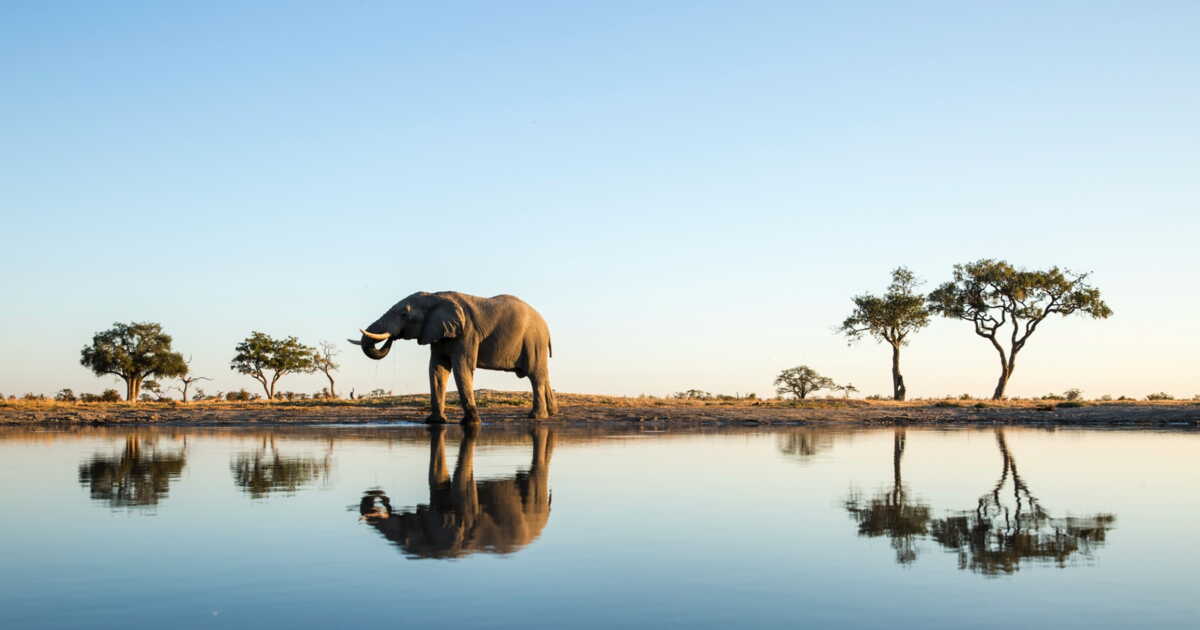
Chobe National Park is renowned for its high concentration of elephants. A 4×4 safari will take you through savannas and riverine plains while discovering many other animals, such as buffalo, lions and giraffes. Opting for a boat safari on the Chobe River provides a different perspective on the wildlife, particularly at sunset, for unforgettable moments. The park is also a birdwatcher’s paradise with an incredible variety of birds to observe.
3. Discover the Moremi Reserve
Integrated into the Okavango Delta, the Moremi Reserve offers one of Africa’s richest and most varied ecosystems. It is home to a profusion of wildlife, including rare species such as the African wild dog or the sitatunga. Photography enthusiasts will appreciate the park’s changing landscapes and the opportunity to capture wildlife in breathtaking natural settings. Off-road excursions allow visitors to venture into the heart of this preserved reserve.
4. Venture onto the Makgadikgadi Pans
The surreal landscape of the Makgadikgadi Pans presents a stark contrast to the Delta’s lush biodiversity. These vast salt pans, almost desert-like, stretch to the horizon and convey a sense of solitude and serenity. It is a perfect place to observe meerkats and the majestic baobabs. In the rainy season, the pans transform, attracting a large number of pink flamingos and pelicans. For those seeking off-the-beaten-path adventures, Makgadikgadi is a perfect choice.
5. Encounters with the San cultures of the Kalahari
Immerse yourself in the rich culture of the San, one of Africa’s oldest populations living in the Kalahari. Organized visits allow you to meet these ancestral inhabitants and discover their unique heritage. You can learn more about their survival techniques, stories told around the fire, and even join expeditions to identify medicinal plants. These interactions, though touristic, are often conducted with deep respect for traditions and offer an ethical and informative approach to their culture.
The Botswana, with its abundant fauna and diverse landscapes, offers a multitude of activities for every traveler. Whether drawn to the vast herds of elephants in Chobe National Park, the aquatic serenity of the Okavango Delta, or the peaceful vastness of the Makgadikgadi Pans, this country is sure to provide unforgettable memories. Exploring Botswana’s cultural and natural treasures reveals a corner of Africa that, though preserved, awaits further discovery.
What is the best time to visit Botswana?
For an optimal stay in the heart of this Southern African country, aim for the dry season, between May and October: during this season, the Kalahari Desert and the riverbanks in northern Botswana are more accessible, water sources recede, and wildlife watching is facilitated.
On the other hand, a visit from November to March, during the rainy season, offers a lush atmosphere but requires navigating muddy terrain and sometimes difficult roads. Therefore, for a well-structured Botswana trip that balances comfort with nature’s richness, prioritizing the dry season maximizes safaris, lodges within private concessions, and boat excursions while minimizing weather-related surprises.
What to do and see in Botswana?
Botswana, a sparsely populated yet wildlife-rich country, offers travelers a range of experiences: photo safaris in Moremi or the Okavango Delta, boat or mokoro trips along flooded channels, and exploration of the Kalahari Desert to meet the first inhabitants or spot rare bird species.
You can also stay in one of Botswana’s lodges located within private concessions, by waterholes, watching hyenas or hunting lions, taking 4x4s along sandy tracks, and enjoying the grandeur of the intact natural setting. This immersive approach allows turning a Botswana trip into a full immersion among wildlife, territories, and local culture.
Is Botswana expensive?
Traveling to Botswana involves a higher budget than in many other African countries, particularly if you opt for upscale lodges or private concessions. According to available data, daily safari-area rates can be significantly higher than in other destinations.
However, it remains possible to adjust your budget by choosing more modest accommodations, booking in advance, and targeting off-peak periods. The higher cost is explained by limited infrastructures, a relatively small number of visitors, the need for 4×4 vehicles, and the country’s geographic remoteness. This context justifies considering Botswana a “premium” travel destination, without excluding travelers who are mindful of budget management.
Is Botswana a safe country?
Botswana is regarded as one of the most stable and democratic countries on the African continent, but this does not eliminate a basic level of vigilance for travelers. The current democratic regime, the existence of large nature reserves, and a welcoming local population contribute to a serene travel experience.
However, secondary roads, night driving, and the isolation of certain wild areas can present risks: awareness should remain high, particularly in terms of transport and safety. In short, yes, Botswana is a relatively safe country for travelers, provided you plan a careful itinerary and follow local advice.
Botswana landscape: natural grandeur and diversity
The Botswana landscape blends the Kalahari Desert, the Okavango Delta, flooded savannas, and still less explored areas. This vast, sparsely populated country offers travelers an immersion in pristine nature, where riverbanks or sandy tracks lead to large gatherings of wildlife.
Boat or mokoro excursions allow you to reach the heart of these landscapes, while the presence of hyenas, lions, hippos or rare bird species testifies to the ecological richness of this territory. It is indeed a country for travelers who want to go beyond the beaten paths.
Botswana: a country in Africa to discover
Botswana presents itself as an African country with a stable regime, a functioning democracy, and exceptional natural heritage. Travelers from Europe find an extraordinary setting: a local population that coexists with wild nature, vast spaces, and measured interaction with wildlife. The country highlights lodges, private concessions and nature reserves serving a respectful model. For travelers, this country offers the possibility to combine comfort, adventure and discovery.
Tourism in Botswana: practical tips for thorough preparation
Travel in Botswana requires particular planning: booking a lodge within a private concession, suitable transportation (often a 4×4), compliance with health regulations (yellow fever based on origin), and understanding the infrastructure. The budget should account for the high costs associated with safari services and geographic isolation. Structured tourism helps optimize the experience while respecting local rules for wildlife observation and fragile ecosystems.
Travel to Botswana: a well-organized adventure
A trip to Botswana sits within a more demanding logistical framework than many other African destinations. It is essential to plan entry into the country, transport to the lodge, choose the right season, and ensure you are supported by an experienced guide or operator. Mokoro trips, safaris in private concessions, and staying in a lodge at the heart of nature enable you to fully exploit the country’s promise while reducing logistical surprises.
Botswana on a 15-day circuit: an in-depth itinerary
A 15-day circuit in Botswana allows covering several zones: from lodges within the private concession of the Okavango Delta to the Nxai Pan salt pans, via the Kalahari Desert and the banks of the Chobe River. This duration lets you enjoy wildlife viewing, boat excursions, 4×4 tracks, and a more relaxed travel pace. For travelers coming from Europe, this type of itinerary requires meticulous organization and a tuned budget.
This article was written with the help of artificial intelligence, then corrected, expanded, and validated by the editors.