Nestled in the heart of Central Africa, Cameroon offers a mosaic of landscapes, cultures, and experiences awaiting exploration. From biodiversity-rich national parks to sun-drenched beaches, Cameroon attracts both nature lovers and culture enthusiasts. Are you planning a trip to this fascinating country and wondering what activities to do? Let us walk through how to maximize your stay by exploring the many options available.
1. Explore Yaoundé, the political capital
The capital of Cameroon, Yaoundé, is an obvious starting point for discovering the country’s treasures. Equipped with numerous museums such as the National Museum and the Museum of Civilizations, the city offers a deep dive into the nation’s roots. Don’t miss the Palace of Unity, Mont Fébé with its panoramic view, and the Mokolo Market which buzzes with local products. This market is the quintessential place to feel the city’s pulse while discovering local craftsmanship.
2. Discover Douala, the economic capital
Douala, a vibrant economic capital, is the nerve center of Cameroon’s commerce. Stroll along the Boulevard de la Liberté to admire colonial architecture, then visit the Maritime Museum which traces Cameroon’s maritime history. The port of Douala is a crucial hub for understanding the country’s economy. For a spiritual pause, the Saint Peter and Saint Paul Cathedral will welcome you in a soothing setting.
3. Escape into the national parks
Cameroon is a paradise for nature lovers with its many national parks. In the north, the Waza National Park is renowned for safaris where you can spot African elephants, giraffes, and lions. The Korup National Park, in the southwest, houses a dense forest and rich biodiversity, with the possibility of encountering chimpanzees and rare bird species. For a unique experience, the Campo Ma’an National Park offers a chance to glimpse gorillas and forest elephants.
4. Climb Mount Cameroon
Nicknamed “the Chariot of the Gods,” Mount Cameroon is the highest peak in West Africa, rising to 4,095 meters. The ascent of this still-active volcano is a challenge for hikers and offers, at the summit, a breathtaking view of the Atlantic Ocean. Before the ascent, make sure you are well prepared, as the route can be demanding.
5. Enjoy beaches and seaside resorts
The beaches of Kribi are famous for their white sand and the Lobé Falls which plunge directly into the ocean, a rare feature worldwide. Kribi is also an ideal place to savor freshly caught shrimp. In Limbé, explore the black-sand beaches of volcanic origin and visit the Botanical Garden or the Primate Rehabilitation Center for an educational excursion.
6. Admire the waterfalls
The Ekom-Nkam Falls, located to the west, are famous for having served as a backdrop to the film Greystoke, Tarzan the Legend. These majestic falls offer a striking double cascade in a secluded natural setting. Do not miss the Metché Falls, which also provide a rewarding visual experience.
7. Dive into culture and history
The western region, known as the Bamiléké country, is a land rich in traditions and history. Visit traditional chieftaincies and, in the northwest, the Palace of the Bamoun Sultans in Foumban to discover architectural and artisanal treasures. Local markets are a great opportunity to acquire wood carvings, textiles, and other local crafts. For food lovers, sample typical dishes such as Ndolé and braised fish.
In conclusion, Cameroon offers a diverse range of activities that will satisfy all types of travelers, whether they seek adventure, relaxation, or cultural immersion. Whether you want to explore its dynamic cities, immerse yourself in its lush nature, or dive into its cultural traditions, this Central African country promises a rewarding experience. Before you depart, be sure to inform yourself about practical aspects such as safety, health, and budget to maximize your Cameroon adventure.
Is Cameroon a safe country to visit?
The question of safety during a stay in Cameroon deserves a nuanced answer: yes, it is possible to travel there peacefully in certain regions, provided you follow guidelines and carefully plan your itinerary. Foreign authorities, notably the United States and Canada, advise heightened vigilance: certain areas such as the Extreme North Region, the North-West and South-West regions, or border zones with Nigeria or the Central African Republic are currently not advised. It is therefore preferable to concentrate your stay on recognized, more stable sites: Yaoundé, the economic hub Douala, or the seaside town of Kribi. Likewise, travelers are encouraged to avoid travel after dark on secondary roads, not to display signs of wealth, and to favor secure transport options.
What budget should you plan for a week in Cameroon?
To set a realistic budget for a week in Cameroon, one should consider several items: airfare, accommodation, meals, on-site transport, visits, and contingencies. Estimates for a moderate traveler indicate a daily cost around 50 to 100 € per person, with median estimates near 45 €.
By adding a plane ticket between Europe and Yaoundé or Douala, the total cost can rise to around 600 € to 850 € depending on the season and starting point. On-site, mid-range hotels (>2 stars) hover around 65 €/night for two people.
To optimize this budget, it is advised:
- to favor the main cities, avoiding expensive nights away from the main roads.
- to eat locally (fresh fruit juices, raw vegetables) to limit expenses.
- to set aside a margin for transportation between Yaoundé and Douala (Yaoundé–Douala corridor) or to reach Kribi on the coast.
En gérant ces paramètres, il est tout à fait envisageable de passer une semaine instructive au Cameroun sans dépasser un budget raisonnable.
What are the most beautiful places to visit in Cameroon?
The most beautiful sites to discover in Cameroon span remarkable geographic diversity: from the coastal axis with Kribi to the savannahs of the Extreme North, via the high plateaus around Mount Cameroon and the primary forests of the Dja National Park reserve. On the coast, Kribi offers a pleasant seaside resort accessible from Yaoundé.
Mount Cameroon, the highest point, attracts hikers and those who enjoy mountain climates. Further north, the nature reserves, notably the wildlife of the Dja, offer an immersion into nature. Finally, cities with strong cultural identities, such as Foumban (a face of art and history) or Yaoundé (administrative capital), complete this spectrum. Each place is visited with a mindset of discovery and understanding of a diverse Central Africa, taking into account access conditions, local infrastructure, and the seasons (climate, rainy season).
What to do in Cameroon?
In Cameroon, activities are as varied as the landscapes: hiking on Mount Cameroon, strolling along waterfalls, boating in nature reserves, immersion in Foumban’s arts and crafts and in Yaoundé-Center, or a seaside stay in Kribi on the coast.
It is advisable to plan an itinerary that covers nature, culture, and a city stop. Along the Yaoundé–Douala corridor, you will find infrastructures and services tailored to travelers. In the reserves, guided tours are preferred. It is also wise to be mindful of the rainy season (often from May to late September) for outdoor activities and to avoid certain secondary roads after nightfall. A methodical approach and respectful consideration of local contexts will enable a stay rich in discoveries and lessons.
Cameroon landscapes: a comprehensive overview of the country
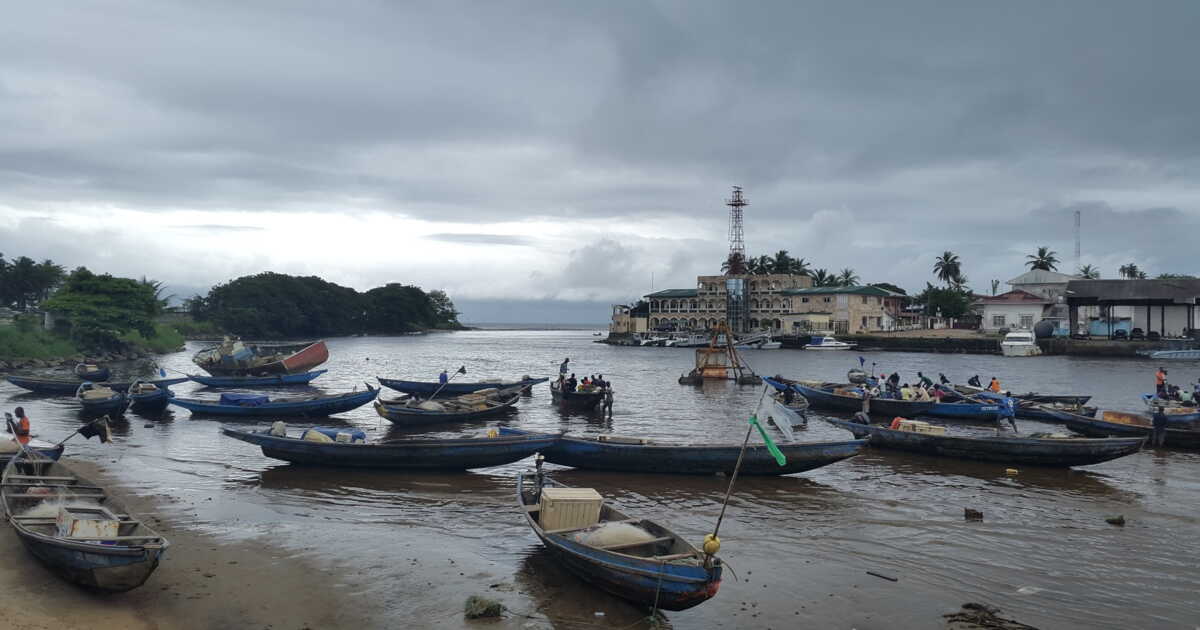
Cameroon’s landscapes extend from the Gulf of Guinea’s coastal plains to the Western highlands, passing through the vast savannas of the Extreme North. The coastline, accessible from Kribi seaside resort, offers a maritime perspective while major roadways connect Yaoundé, Douala, and other inland towns.
The climate, ranging from equatorial on the coast to plateau climate inland, requires considering the rainy season when planning travel. Observing natural reserves like Dja’s wildlife contributes to understanding these varied territories. Thus, travelers have a full range of panoramas for a Cameroon trip conceived through geography, environment, and visual experience.
Kribi, Cameroon: a seaside stopover on the coast
In Kribi, on the Cameroonian coast, the seaside resort offers a relaxing and accessible setting from Yaoundé or Douala. Travelers can enjoy the beaches and fresh local produce (fresh fruit juices, raw vegetables), while operating in a less urban environment than Yaoundé–Douala. The coastal Cameroon climate remains equatorial, marked by heavy rainfall from May to the end of September. Once arriving in Cameroon by plane, it is advisable to organize your transfer to Kribi via major road routes. The seaside stopover ideally complements a journey combining nature, relaxation, and culture.
In summary, traveling to Cameroon is possible and rewarding, but demanding: heightened vigilance and careful preparation allow you to enjoy an informative stay while taking care of your own safety and respecting local particularities.
This article was written with the help of artificial intelligence, then corrected, supplemented, and validated by the newsroom journalists.