Table of Contents
-
1. Explore the alleys of Old Havana
-
2. Discover the Viñales Valley
-
3. Relax on the Varadero beaches
-
4. Cultural immersion in Trinidad
-
5. Hiking in the Sierra Maestra
-
6. Enjoy the attractions of Cienfuegos
-
7. Diving and underwater exploration at Jardines de la Reina
-
8. Santiago de Cuba, cradle of Cuban music
-
9. Taste Cuban cuisine
-
10. Meeting and cultural immersion in casas particulares
-
11. El Malecón in Havana, a dive into the heart of Cuba
-
12. Beach and relaxation: Playa Varadero, Cuba’s seaside treasure
-
13. Local immersion: Fusterlandia and street art in Cuba
-
Is Cuba a good destination to visit right now?
-
Is it safe to go to Cuba?
-
How long does it take to visit Cuba?
-
What to do in Cuba with family?
Cuba, with its picturesque landscapes, pristine beaches and history-rich cities, offers a rich destination for curious travelers. Whether you have ten days or two weeks, the country promises varied experiences, suitable for families as well as solo travelers or couples. Let us discover together what Cuba has to offer.
1. Explore the alleys of Old Havana
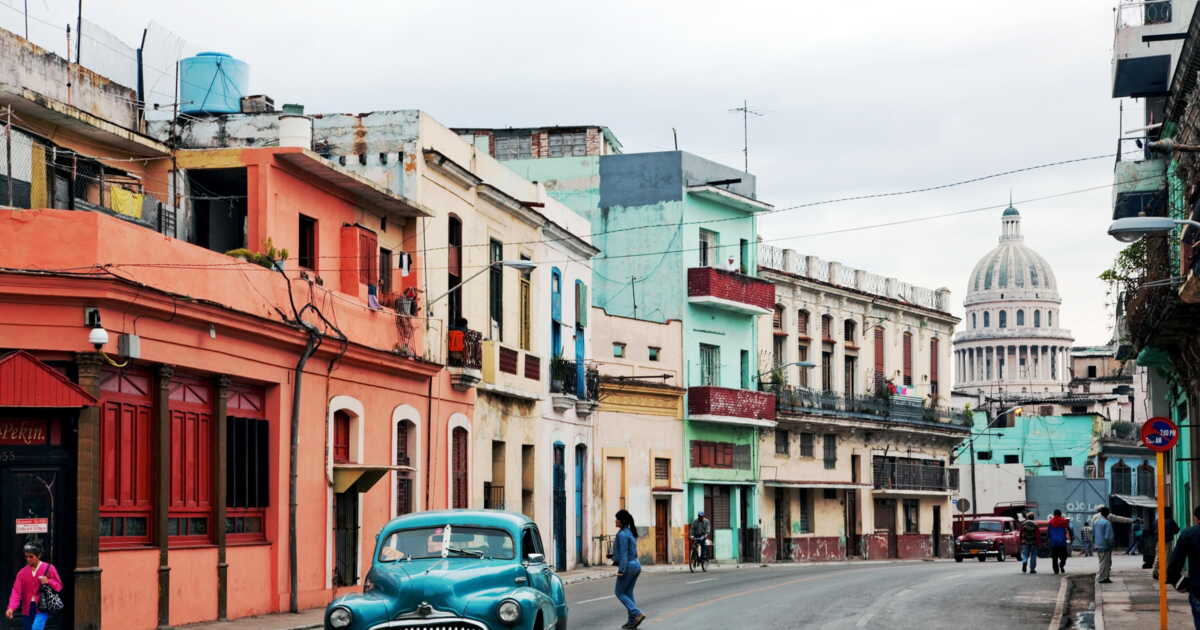
Explore the alleys of Old Havana, a UNESCO World Heritage-listed historic center, for an immersion into the soul of Cuba. This iconic district is the perfect backdrop for a stroll along the Malecón or a leisurely wander among colorful houses, San Cristobal Cathedral, and the colonial city. The Capitol, museums such as the Museum of the Revolution, and the lively ambiance of Plaza Vieja help you better grasp the history of Cuba and its rich culture. This trip to Cuba begins here, in the cobbled streets of Havana, where every facade tells a fragment of the past.
2. Discover the Viñales Valley
Discover the Viñales Valley, a true favorite for nature lovers. This UNESCO-listed landscape, marked by the famous mogotes, is ideal for a day of hiking, on foot or on horseback, amid the tobacco fields of Pinar del Río.
Visitors can meet local producers, learn artisanal methods for making cigars, and immerse themselves in a preserved rural lifestyle. The climate, especially from May to October, contributes to these fertile lands with spectacular reliefs.
3. Relax on the Varadero beaches
Relax on the Varadero beaches, a seaside jewel renowned for its turquoise waters and pristine sand. This great spot for snorkelers is also ideal for family relaxation. On the peninsula, Playa Varadero combines joy, waterfront living, and infrastructures suited to all traveler profiles. It’s a perfect interlude in a Cuba article, between culture and laissez-faire.
4. Cultural immersion in Trinidad
Cultural immersion in Trinidad, a town founded in the 16th century, offers a plunge into Cuba’s colonial past. UNESCO-listed Old Town enchants with its colorful houses, Plaza Mayor, its history museums, and the warm atmosphere of its Casas de la Música. By day and by night, Trinidad embodies an authentic encounter with Cuban culture.
5. Hiking in the Sierra Maestra
Hiking in the Sierra Maestra, cradle of the Castrist revolution, allows you to connect lush nature with historic sites. In the course of a trek, follow the footsteps of Che Guevara and Fidel Castro along forest trails that lead to the guerrilla camp. For enthusiasts of contemporary history and demanding treks, it’s a must-have on a trip to Cuba.
6. Enjoy the attractions of Cienfuegos
Enjoy the attractions of Cienfuegos, nicknamed “the Pearl of the South.” Between the Provincial Museum, José Martí Park, Tomás Terry Theater and the Paseo del Prado, this French-influenced city offers an elegant and peaceful setting. Cienfuegos for this day blends heritage, culture, and the gentle sea breeze. It deserves its place in any article on Cuba.
7. Diving and underwater exploration at Jardines de la Reina
Scuba diving and underwater exploration at Jardines de la Reina, a preserved spot for snorkeling and diving. This protected marine park hosts exceptional biodiversity, from coral reefs to sharks. Far from the crowds, this destination appeals to travelers seeking an authentic experience intimately connected to nature.
8. Santiago de Cuba, cradle of Cuban music
Santiago de Cuba, former capital and cradle of Cuban music, blends revolutionary heritage with artistic energy. Iconic spots like Callejón del Carmen or the Castillo del Morro tell the story of a people in struggle, while the Casas de la Trova make the city vibrate with the Son cubano. For those interested in the history of Cuba, Santiago is an essential stop.
9. Taste Cuban cuisine
Taste Cuban cuisine, rich in local flavors. From Ropa Vieja to Ajiaco, every dish tells a part of culture. All served with a Mojito or a Daiquiri, in a casa particular or a paladar, these family-run restaurants reveal the little detail that makes the difference: the warm welcome of Cubans.
10. Meeting and cultural immersion in the casas particulares
Meeting and cultural immersion in the casas particulares, to discover daily Cuban life away from the standard tourist circuits. These accommodations allow for genuine exchanges, a more human approach to traveling in Cuba, and an intimate glimpse into life on the island.
11. El Malecón in Havana, a dive into the heart of Cuba
El Malecón in Havana, stretching nearly 8 km, symbolizes the beating heart of the capital. This seaside promenade, where colonial architecture, daily life, and sunsets mingle, perfectly embodies the Cuban spirit. Here you’ll find 1950s American cars, fishermen, strollers, and the soul of an island constantly in motion.
12. Beach and relaxation : Playa Varadero, the seaside treasure of Cuba
Beach and relaxation: Playa Varadero, about 140 km east of Havana, offers an excellent spot for seaside relaxation, though the cultural immersion there is less authentic than in other cities like Havana. With its reefs, natural pools, and family-friendly resorts, this destination is ideal for families, couples, or travelers seeking waterfront happiness.
13. Local immersion: Fusterlandia and urban art in Cuba
Local immersion: Fusterlandia and urban art in Cuba reveal another facet of the country. The neighborhood of Jaimanitas, in the outskirts of Havana, transformed by artist José Fuster, surprises with its mosaics, colorful houses, and artistic commitment. Fusterlandia perfectly illustrates Cuban creativity and complements a Cuba trip focused on living culture and participatory experiences.
In conclusion, Cuba offers a diversity of activities and discoveries that will satisfy all types of travelers. Each region, each city, presents a different facet of the island, from Havana’s historic heritage to Varadero’s idyllic beaches, through cultural immersion in Trinidad. Plan your itinerary according to your desires, and let yourself be seduced by this country with a thousand nuances.
Is Cuba a good destination to visit right now?
When considering whether to visit Cuba today, it is essential to take into account several cultural, climatic, and logistical context factors. Cuba’s tropical climate, with a dry season typically running from November to June, makes for a favorable travel period to explore the colonial city, Havana’s “colorful houses,” and the famous mogotes of the Viñales region.
However, the country also faces a structural crisis: shortages of fuel, food, or drinking water are reported, along with regular power outages.
Thus, Cuba remains a rich and charming destination, ideal for travelers willing to accept some logistical constraints. You will find a warm welcome, 1950s American cars, a timeless setting, and a strong cultural immersion. Conversely, if you seek maximum comfort or ultra-modern infrastructure, other Caribbean destinations may be more suitable.
Is it safe to travel to Cuba?
The question of safety in Cuba is entirely legitimate. Across the island, the situation remains stable in terms of political violence or major organized crime. However, authorities in several countries advise exercising a high degree of vigilance due to rising petty crime (pickpocketing, brawls) and disruptions related to power outages or fuel shortages.
To travel safely in Cuba: favor well-frequented tourist areas, avoid moving around alone at night in isolated neighborhoods, use official taxis, and carry a cash reserve (cards may be problematic) along with the medicines you need for your stay. This vigilance lets you enjoy the warm hospitality typical of the island while anticipating concrete challenges on the ground.
How long does it take to visit Cuba?
The ideal duration to explore Cuba depends on your travel goals: culture, beach relaxation, hiking, and immersion. For a balanced itinerary that includes the capital, the beaches, and a detour inland, 10 to 14 days is often recommended. This allows you to spend time in Havana (with its seaside front at El Malecón and its colorful houses), then head to the Varadero peninsula for a beachfront moment, then make a short detour to a tobacco valley or to Cienfuegos, or even the Bay of Pigs.
If you have less than a week, focus on a single region to avoid long transfers (distances on the island can be larger than expected). If you enjoy hiking, treks, or exploring nature, plan two weeks or more, giving you time to immerse yourself, to visit tobacco fields near Pinar del Río, to appreciate the colorful houses of Trinidad, or to visit the natural pools. Finally, for a family trip (see next point), 8 to 10 days can be very satisfying.
What to do in Cuba with family?
Traveling to Cuba with family means choosing a destination where warm hospitality blends with rich cultural and natural abundance. The trip can begin at Playa Varadero, a perfect spot for kids thanks to its gentle beaches, family-friendly hotels, and activities such as kayaking, swimming, and snorkeling.
Then you can extend the experience in Havana, where a stroll along the Malecón offers a unique urban spectacle (classic cars, fishermen, seaside vibe) and a wonderful entry into Cuba’s history. To vary the itinerary, a detour to Cienfuegos or the Viñales Valley allows you to discover tobacco plantations, caves, and panoramas. Children will enjoy nature, animals, and outdoor excursions.
However, for a family trip, it is recommended to plan a few beach days to balance the more intensive visits. You should also bring specific items (for infants, kid snacks) because provisioning can be limited. In the end, Cuba combines the benefits of a deep cultural journey with a seaside interlude — perfect for a family seeking shared happiness.
This article was drafted with the help of artificial intelligence, then corrected, completed, and validated by the editors.