Summary
-
1. Safari in the Masai Mara
-
2. Climbing Mount Kenya
-
3. Diving and relaxation at Diani Beach
-
4. Discovering Swahili culture in Lamu
-
5. Visit Amboseli National Park
-
6. Observing wildlife at Lake Nakuru
-
7. Relax at Watamu Beach
-
8. Approaching giraffes at the Giraffe Centre
-
9. Reliving history at the Karen Blixen Museum
-
10. Discover the Sheldrick Wildlife Trust
-
Is it safe to travel to Kenya? Safety, precautions and a guided framework for a confident discovery
-
What budget should you plan for 10 days in Kenya? Safaris, beaches and the logistics of a balanced trip
Kenya, nestled in East Africa, is a land of striking contrasts and captivating natural wonders. Its vast savannas, teeming wildlife, and breathtaking landscapes render this country a coveted stop for nature lovers and lovers of adventurous experiences alike.
1. Safari in the Masai Mara
Iconic among Kenya’s national reserves, the Masai Mara stands as one of Africa’s most renowned safari realms, notably hosting every year between July and October the great wildebeest migration, a spectacular natural phenomenon where millions of herbivores cross the savanna in search of grazing, facing predators along the way. This awe-inspiring event offers a privileged moment to observe the Big Five (lions, leopards, elephants, rhinos and buffalo) in their natural habitat during 4×4 safaris guided by experienced guides.
But beyond its iconic wildlife, the Masai Mara also offers a precious glimpse into the culture of the Maasai, a semi-nomadic people whose rites, traditional attire, and pastoral practices reflect an ancient relationship with the land. Between major ecological experiences and cultural immersion, a visit to the Masai Mara reveals the complexity and richness of a living territory where biodiversity conservation, local traditions, and the contemporary challenges of responsible tourism coexist.
2. Climbing Mount Kenya
The Mount Kenya, the second-highest summit on the African continent after Kilimanjaro, is a top-tier high-altitude destination for hikers, climbers and naturalists seeking physical challenges and scenic exploration. A UNESCO World Heritage site, this extinct volcanic massif offers several ascent routes, including the Sirimon and Chogoria routes, known for their varied profiles and accessible to different levels of experience, from approach treks to technical high-altitude climbs.
Throughout the trek, travelers pass through a succession of contrasting ecological zones, ranging from humid tropical forest to afro-alpine vegetation, sheltering a remarkable endemic fauna. Reaching the summits, notably Point Lenana, rewards the effort with a dramatic panoramic view over the central Kenyan highlands. Between ecological richness, geological complexity, and sporting interest, Mount Kenya emerges as an authentic high-altitude alternative that combines guided adventure, preserved biodiversity, and the value of East Africa’s natural heritage.
3. Diving and relaxation at Diani Beach
Located on the southern coast of Kenya, Diani Beach stands out as one of Africa’s premier seaside destinations on the East African coast, offering a pristine white-sand shoreline lined with turquoise waters of the Indian Ocean. This coastal setting, pairing tranquil lagoons with tropical vegetation, provides an ideal backdrop for beach relaxation while offering a wide range of water activities, with diving and snorkeling at the forefront.
The coral reefs preserved here host a remarkable marine biodiversity, including colorful fish, turtles, and occasionally dolphins, offering an immersive experience in a living marine ecosystem. In addition to its natural attractions, Diani Beach features well-developed tourist infrastructure, allowing visitors to enjoy a stay that blends comfort, leisure, and ecological discovery. As the day ends, a sunset over the sea completes the experience with a soothing visual moment, underscoring the aesthetic and sensory dimension of this Kenyan coastal destination.
4. Discovering Swahili culture in Lamu
Situated north of the Kenyan coast, Lamu is one of the most emblematic historic centers of Swahili culture, whose old town, a UNESCO World Heritage site, offers an exceptional testimony to East Africa’s coastal urbanism and architecture. Its maze of narrow lanes, lined with coral-stone houses and finely carved doors, reflects a preserved traditional lifestyle, marked by the absence of motorized traffic and the maintenance of centuries-old artisanal practices.
The island atmosphere, imbued with spirituality, slowness and hospitality, gives Lamu a distinctive identity at the crossroads of Arab, African, and Indian influences. Visitors discover a lively artisanal scene, especially in woodwork and textiles, as well as a subtly spiced local cuisine, revealing the richness of a blended culinary heritage. Between historical value, cultural authenticity and coastal charm, Lamu stands as a major heritage destination, committed to preserving and promoting Swahili heritage.
5. Visit Amboseli National Park
Located in southern Kenya, near the border with Tanzania, Amboseli National Park is renowned for offering one of the most iconic views of Mount Kilimanjaro, its snow-capped summit dominating the horizon beyond the savanna. This dramatic landscape, often photographed at dawn or dusk, provides a prime setting for photographic safaris. The park also stands out for its high concentration of African elephants, which have become the symbol of Amboseli, visible up close in their natural habitat.
Thanks to the presence of permanent marshes fed by subterranean waters from Kilimanjaro, the site attracts a diverse birdlife, making Amboseli a major focal point for ornithology. Between wildlife watching, spectacular panoramas, and contrasting ecosystems, this park embodies an ideal entry point to grasp the ecological richness of Kenya. More broadly, the country enchants with its geographic and cultural diversity, offering every visitor a complete travel experience—from safaris and mountains to coast and living traditions.
6. Observing wildlife at Lake Nakuru
Situated in the heart of the Rift Valley, Lake Nakuru is a key stop for any wildlife-focused itinerary in Kenya. Renowned for its vast gatherings of pink flamingos, the park offers a living spectacle along its shallow shores, where herds of buffalo, white rhinos, plains zebras and a range of felines share the protected environment.
The region is rich in migratory and nomadic birds of striking scale, illustrating Kenya’s rich biodiversity. From the green hills that overlook the lake, visitors gain a broad view of the expansive surrounding plains. The dry season, January–March or June–September, remains the best time to observe animals from the park, with wildlife congregating around water points. Lake Nakuru thus stands as a premier wildlife destination, offering an unforgettable memory to any nature enthusiast.
7. Relax at Watamu Beach
Watamu Beach, on the northern coast of Kenya, captivates with its white-sand beaches, crystal-clear lagoons and preserved coral reefs, true refuges for an exceptional marine wildlife. Renowned for its proximity to the Watamu Marine Reserve, this seaside resort is ideal for divers, snorkelers or enjoying freshly caught seafood.
In the background, the green hills and coastal villages form a peaceful canvas, perfect for seaside breakfasts and pirogue excursions. Accessible year-round, Watamu reveals its beauty outside the rainy season, notably from January to March and from June to September. This coastal destination also provides a natural counterpoint to the circuit of national parks such as Tsavo East or Hell’s Gate, offering a complementary experience amid Kenya’s rich biodiversity.
8. Approaching giraffes at the Giraffe Centre
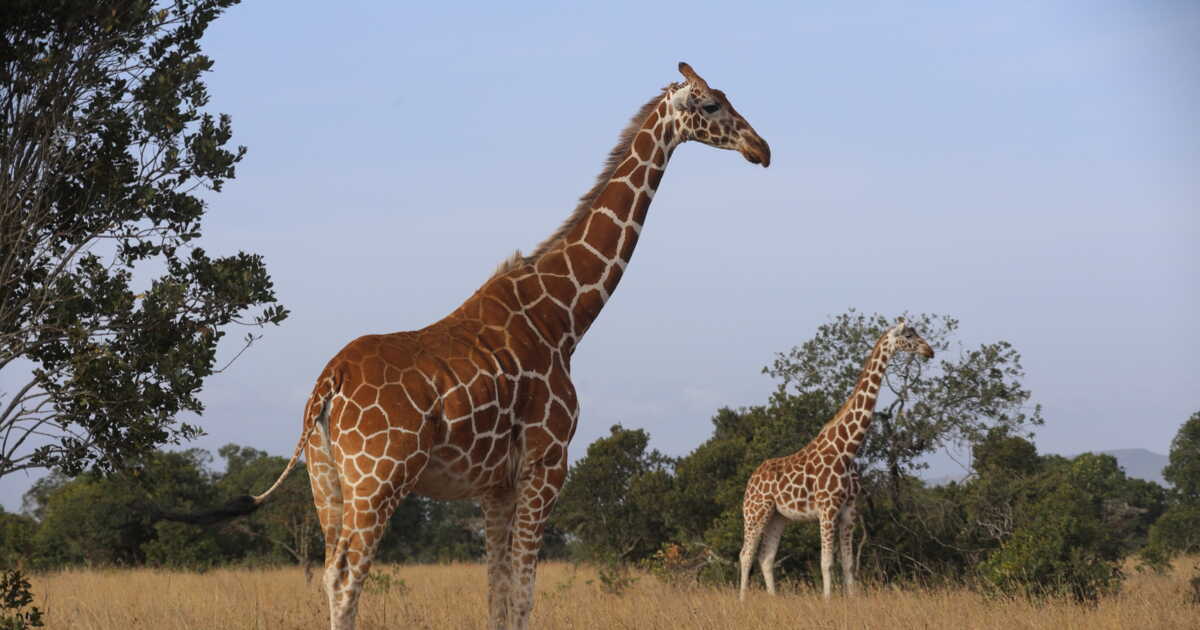
A few kilometres from Nairobi, the Giraffe Centre offers the opportunity to observe and interact with the Rothschild’s giraffe, a threatened subspecies, in an educational and safe setting. This center, designed for conservation, lets visitors feed these magnificent animals from elevated platforms, while receiving precise information delivered by experienced local guides.
Against this backdrop, the green hills of southern Nairobi remind us that wildlife sits at the city’s edge. This experience, though brief, fits easily into a circuit that includes the Karen Blixen Museum, the Sheldrick Wildlife Trust, or a trip to the Kakamega Forest, offering a comprehensive view of Kenya’s biological and cultural diversity. The Giraffe Centre provides an accessible and responsible glimpse into Kenya’s animal kingdom.
9. Reliving history at the Karen Blixen Museum
The former home of the famed Danish author Karen Blixen, the Karen Blixen Museum offers an immersion into her life as a coffee planter in Kenya and her literary legacy, notably recalling the early 20th-century colonial era and the author of Out of Africa. Nestled at the foot of the green hills, the house, preserved in its original state, is surrounded by lush gardens and offers guided tours punctuated with literary anecdotes.
This cultural stop contrasts with the natural treasures of nearby reserves, providing a narrative pause in a wildlife-focused itinerary. It naturally fits into a day combined with the Giraffe Centre or a visit to the Sheldrick Wildlife Trust, forming a dense but accessible itinerary from Nairobi. The house underscores the richness of Kenyan cultural heritage as well as the beauty of its landscapes, between plains and gardens, personal history and collective memory.
10. Discover the Sheldrick Wildlife Trust
The Sheldrick Wildlife Trust, in Nairobi, is a rehabilitation center dedicated to orphaned elephant calves rescued in Kenya. This site, open at specific hours, offers a rare encounter with recovering animals, cared for by dedicated teams. Local guides explain how the center operates and the conservation challenges posed by poaching.
Through this visit, visitors explore the complexity of animal protection, from weaning to reintegration into the wild. The visit can be extended with stops in national parks or on forest hiking trails. The Sheldrick Wildlife Trust is part of a network of local initiatives where education, close contact with remarkable animals, and respect for Kenya’s rich biodiversity form the foundation of a durable commitment to preserving life.
Is it safe to travel to Kenya? Safety, precautions and a framework for a confident discovery
Asking whether it is prudent to travel to Kenya is a legitimate concern for any traveler planning a trip to East Africa. The country is generally safe for visitors, provided you observe basic precautions: avoid certain unstable border zones, follow local authorities’ advice, and favor certified tour operators.
Tourist zones, national parks, the coast, and Nairobi are well-regulated and accustomed to hosting international travelers. The Giraffe Centre, near the capital, illustrates this intent to welcome in a pedagogical and secure way. Vigilance should not obscure the reality: Kenya offers a remarkable natural and cultural setting that is accessible to those who approach it with preparation and discernment.
What budget should you plan for 10 days in Kenya? Safaris, beaches and the logistics of a balanced trip
Estimating a budget for 10 days in Kenya means anticipating costs for travel between destinations, national parks, and accommodations. For a trip combining a Masai Mara safari, a visit to Lake Nakuru and a stay at Watamu Beach, the average budget ranges from 2,000 to 3,500 euros per person, not including international flights (which should be planned separately).
Privately organized safaris and high-end lodges can raise expenses, while more affordable options exist by choosing tented camps or shared circuits. Access to national parks is regulated and paid, but the experiences offered (wildlifeMigration, birdwatching, and Indian Ocean beaches) fully justify the investment. Kenya remains a destination where the grandeur of nature meets structured service, accessible to travelers of different profiles.
This article was written with the aid of artificial intelligence, then edited, expanded, and validated by the newsroom journalists.