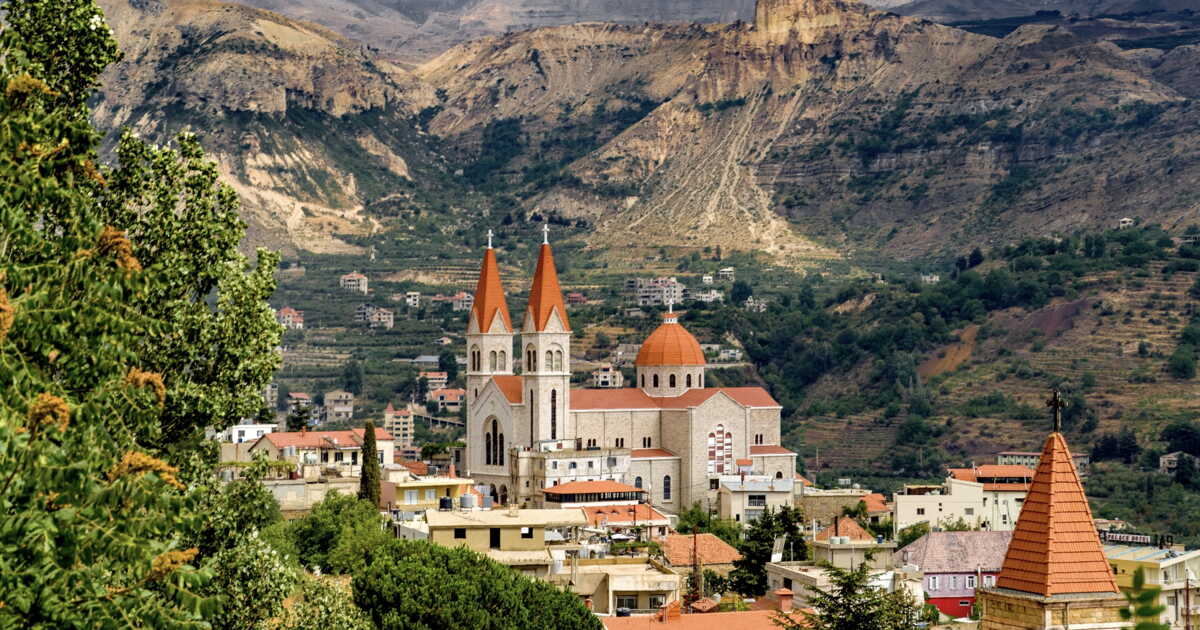
Cradle of ancient civilizations, the Lebanon offers a wide range of activities to explore, from its breathtaking natural landscapes to its rich cultural heritage. Every corner of this country hides unique experiences to be lived. When planning a trip, questions of safety and the best seasons to visit can also prove crucial. Thus, here is a guide to unmissable activities, while taking into account common traveler concerns.
First and foremost when traveling abroad, we remind you that it is useful to consult the Travel Advice provided by the Ministry of Foreign Affairs to know the security and health risks specific to certain areas, and the administrative steps to take before your trip.
1. Explore Beirut and its heritage
The capital, Beirut, is a dynamic starting point for a trip to Lebanon. Treat yourself to a stroll along the Corniche, wander through the districts of Gemmayze and Mar Mikhaël for a day rich in discoveries. These neighborhoods are worth a visit for their cafés and varied architecture, bearing witness to the city’s urban evolution. In the afternoon, the Beirut National Museum offers a glimpse into the country’s ancient history, from Phoenician times through the Ottoman era.
Beirut National Museum: a time voyage at the heart of Lebanese heritage
The Beirut National Museum is a must-stop for any stay in Lebanon. Its collections span the dawn of civilization and trace the country’s history from the Roman era to the present day. The significant archaeological remains are presented with rigor and clarity: sarcophagi, mosaics, statues and cult objects testify to the richness of Lebanon’s World Heritage. Located near the city center, this museum offers a didactic visit, accessible even to children, to understand the diversity of the Lebanese territory. An essential memory site, reflecting the country: rooted in its past, oriented toward the future.
Hamra Street: the beating heart of modern Beirut
The Hamra Street district, often described as a central and lively neighborhood of Beirut, reflects the vitality of contemporary Lebanon. Between shops, bookstores, galleries and little restaurants, the street comes alive from morning to night. It’s the ideal place to soak up the rhythm of a city with contagious energy. In the evening, the area attracts travelers curious about authentic Lebanese cuisine and a moment of relaxation away from the usual tourist circuits.
Raouche Rocks: a natural emblem of Beirut
The Raouché Rocks, or Pigeon Rocks, form a set of limestone islets sculpted by the sea, iconic to Beirut’s waterfront. Located north of Beirut, they are particularly appreciated at sunset. This site, a real postcard of the Lebanese territory, draws visitors seeking a moment of relaxation outdoors. Many terrace restaurants, including fish restaurants, allow you to enjoy the view in a unique atmosphere. A must-stop for any trip to Beirut, balancing nature and urbanity.
2. Travel through time in Byblos (Jbeil)
Byblos, one of the oldest continuously inhabited cities in the world, overflows with historical narratives. Visit its ancient port, Phoenician and Roman ruins, and wander the lanes of the souk. The atmosphere is steeped in history, transporting visitors across the ages. For a deeper immersion, plan your visit during the summer cultural festival, where local heritage meets contemporary artistic expressions.
3. Marvel at the Baalbek ruins
Nestled in the Bekaa Valley, the ruins of Baalbek host some of the grandest Roman temples ever built. The temples of Jupiter and Bacchus impress not only by their scale but also by the meticulous craftsmanship. Setting aside half a day to explore allows you to fully appreciate the splendor and mysteries of these ancient sites.
4. Discover the natural splendor of Jeita Grotto
The caves of Jeita, located a few kilometers from Beirut, are a natural wonder to explore. Their limestone formations and the underground river captivate visitors of all ages. The caves are divided into two sections accessible by a cable car, a boat and a small train, creating a diverse experience for explorers.
5. Hike in the Kadisha Valley
For a nature escape, the Kadisha Valley is an ideal destination. It houses ancient monasteries tucked into the rock and offers panoramic hiking trails. Travelers seeking peace and contemplation find refuge in this valley, known for its biblical landscapes and spiritual retreat sites.
6. Stroll among the Cedars of Lebanon
Also known as the Cedars of God, these majestic trees symbolize Lebanon. A hike in this ancient forest allows you to appreciate the richness of the local ecosystem. Depending on the season, the cedar landscape transforms, sometimes donning a breathtaking snowy gown in winter, or a carpet of golden leaves in autumn.
7. Visit Sidon (Saida) and its rich past
In Sidon, dive into a blend of cultures and explore the Sea Castle. This maritime fortress dates back to the Crusader era and has dominated the Mediterranean for centuries. Sidon’s souks are also worth a detour for their authenticity, offering spices, textiles and traditional craftsmanship.
8. Discover the Umayyad ruins of Anjar
To the east of the Bekaa valley, Anjar offers a different perspective on Lebanon’s rich past. This site, the ruins of an Umayyad city, presents valuable urban planning insights for understanding ancient Islamic architecture.
9. Explore the Chouf region
The Chouf is dotted with green landscapes and picturesque villages such as Deir el Qamar and Beiteddine. The Beiteddine Palace, in particular, is a splendid example of 19th-century Lebanese architecture. The Chouf is also an ideal area for nature activities such as hiking and birdwatching.
10. Zaitunay Bay: the modern showcase of today’s Beirut
Located in Downtown Beirut, Zaitunay Bay is a seaside leisure and dining complex. This marina lined with restaurants, cafés and promenades stretches along the waterfront, offering a relaxing moment after a visit to the historic districts. Practical information points to restaurant prices ranging from budget to more upscale addresses. The place attracts families, travelers and locals seeking a unique atmosphere, especially at sunset, when the light reflects on the yachts and the modern façades. Just steps away, the Martyrs’ Square and the Dame du Liban remind us of the delicate balance between memory and modernity in the Lebanese territory.
In conclusion, Lebanon is a land of contrasts and diversity, combining modernity with ancient traditions. Each region offers a different facet to explore, making every visit unique. Visitors are invited to immerse themselves in the country’s history, nature and culture, while taking into account local safety guidelines.
Is it possible to visit Lebanon today?
Yes, it is possible to visit Lebanon, but the political and economic context requires good preparation before departure.
The practical information provided by the Quai d’Orsay or by embassies helps tailor a stay in Lebanon with caution. Entry formalities require a valid passport: if the passport is expired, entry to Lebanese territory will be refused, so you should verify its validity before buying your plane tickets.
Despite regional tensions, Lebanon continues to attract travelers curious about its ancient cities, its World Heritage and its millennial culture.
Is it prudent to go to Lebanon right now? Understanding the situation before you depart
Whether it is prudent to go to Lebanon at this moment depends on the area you plan to visit and the geopolitical context. Regions in southern Lebanon or the Bekaa plain may be discouraged, while Beirut, Byblos or the Chouf mountains remain accessible under certain conditions.
It is therefore essential to consult up-to-date practical information before any departure. The Lebanese territory, though tested, remains a country with intense energy, remarkable places of worship and sincere hospitality. By adopting a respectful and informed attitude, discovering the country remains possible and enriching, in a spirit of informed prudence.
What is the best time to go to Lebanon? Between the Mediterranean climate and mountain coolness
The best time to visit Lebanon runs from May to October, when the temperate climate makes it easy to explore the coast and the heights of Mount Lebanon, avoiding the intense heat of July and August.
This period offers ideal conditions to enjoy the seaside, the fish restaurants in Byblos or walks in the Cedar Forest, the emblem of Lebanon. In summer, the Chouf mountains or the Barouk Biosphere Reserve provide a natural summer residence, while autumn invites discovering the important archaeological remains of the city with Assyrian influences, Baalbek. Each season reveals a different face of the country, between a northern port city, a city of modern energy and preserved nature.
Where is Lebanon? A crossroads of civilizations between the Mediterranean and the Middle East
Lebanon sits on the eastern shore of the Mediterranean, between Syria to the north and east and Israel to the south. This Lebanese territory, modest in size, stretches between sea and mountains, forming a geographic and cultural link between Europe and the Middle East. The Mount Lebanon, which runs through the country from north to south, dominates the great plains and shelters historic villages. The capital, Beirut, lies on the coast, to the north of Beirut extends the region of Tripoli, while the south of Lebanon reveals another, more rural facet. This position, off the coast of Tripoli and near Asia, fostered the early stages of civilization and makes the country a mosaic of influences, between Roman era, Byzantine heritage and Mediterranean modernity.
What to do in Lebanon with kids? A mix of nature, culture and easy living
Traveling to Lebanon with children allows for a blend of cultural discovery and moments of relaxation. Cities like Byblos, a World Heritage site, offer lively lanes perfect for family strolls, while the Cedars forest or the Pigeon Cave awaken their natural curiosity. Young children will enjoy visiting the Beirut National Museum, which presents important archaeological remains in a playful way. As a family, a fish restaurant or a casual dining spot along the coast, from Beirut’s city center to Zaitunay Bay, lets you taste Lebanese cuisine while enjoying a sunset over the Maritime Sea. A welcoming experience, blending heritage and simple pleasure.
This article was written with the help of artificial intelligence, then corrected, expanded and validated by the newsroom journalists.