Summary
-
1. Discover Mali’s National Museum
-
2. Wandering through Bamako’s markets
-
3. Immersion in the history of Ségou, the Niger frontier city
-
4. Exploring the Siby cliffs and planning a Mali trip
-
5. Pinasse rides on the Niger River and discovery of Dogon villages
-
6. Culinary experiences in Bamako, a city in rapid growth
-
7. Malian musical discoveries in the capital Bamako
-
8. Traditional crafts and Mali’s cultural heritage
-
9. The Tomb of Askia
-
Practical information and safety in Mali
-
Is Mali a safe country to travel today?
-
What are the must-do activities in Bamako to discover the city differently? Visiting the National Park, the National Zoo and the Independence Monument
-
What to visit in Ségou to understand Mali’s historical and artistic heritage?
Nestled in the heart of West Africa, the Republic of Mali is a vast country that captivates with its varied landscapes as well as its rich culture. What activities are possible during a visit to this country? Here is an overview of activities to consider for discovering Mali.
Before any international travel, we remind you it’s useful to consult the Travel Advice of the Ministry of Foreign Affairs to learn about security and health risks in certain areas and the administrative steps to take before your trip.
1. Discover Mali’s National Museum
The National Museum is one of the most enriching cultural visits during a trip to Mali. Located in the heart of Bamako, this institution offers an in-depth look at the country’s history through collections spanning archaeology, ethnography, and traditional arts.
Visitors encounter items from the Dogon villages, bogolan textiles, musical instruments, and testimonies linked to the great empires that marked West Africa. The exhibitions also provide a glimpse into the traditions that continue to shape local life today.
To plan a stay, it is recommended to compare the prices of activities and airfare, especially during the period from November to February, which is particularly favored for the dry season. This visit offers an excellent introduction before exploring the other riches of Mali—Mali in all its facets, where heritage, traditions, and modernity come together.
2. Wandering through the markets of Bamako
The markets of Bamako are among the most lively places in the country and offer a true immersion in local life. Between the Grand Market and spaces dedicated to craftsmen‘ workshops, visitors discover a concentration of know-how and traditions. Colorful fabrics, jewelry, wood carvings, and food products testify to the dynamism of commerce in this city on the rise.
The experience is not limited to shopping: conversations with merchants help understand the daily life of residents and the importance of trade in the local economy. Some markets also host a weekly market particularly frequented by nearby populations.
This friendly atmosphere adds to the charm of the capital. To fully enjoy this discovery, it is advisable to check prices before departure and budget accordingly to savor the many opportunities offered by this essential step of a trip to Mali.
3. Immersion in the history of Ségou, the historic Niger river city
Ségou is often regarded as a historic Niger riverfront city and remains one of the most interesting destinations to understand the country’s past. Former capital of the Bamana kingdom, this town preserves remarkable architectural heritage and a strong cultural identity.
Strolling along the banks allows observing a legendary city by the edge of one of West Africa’s main routes. Colonial architecture, traditional houses, and cultural centers offer a glimpse into different periods that marked Malian history.
Ségou is also renowned for its pottery and its many craftsmen’s workshops, where ancient techniques continue to be passed down. This destination complements the discovery of Mali’s plural landscape by highlighting the richness of regional traditions and the importance of cultural transmission in the country’s development.
4. Exploring the Siby Cliffs and planning a Mali journey
Just a few kilometers from Bamako, Siby attracts travelers seeking natural scenery and local history. The spectacular cliffs and the Kamadan Arch provide a privileged setting for hiking and nature observation.
This excursion reveals another facet of the country, away from the urban bustle of the capital. The stories and legends associated with these rock formations greatly enrich the experience. For visitors planning a Mali trip, the period November to February is typically favored, as it corresponds to the dry season, more favorable for travel.
Siby perfectly illustrates the diversity of Malian territory, where natural sites and oral traditions complement each other well. Historically, Siby was the initial stop on the old tourist route linking Bamako to the mythical regions of Mopti, Timbuktu, and Gao, which are currently inaccessible due to security concerns.
5. Pinasse rides on the Niger River and discovery of the Dogon villages
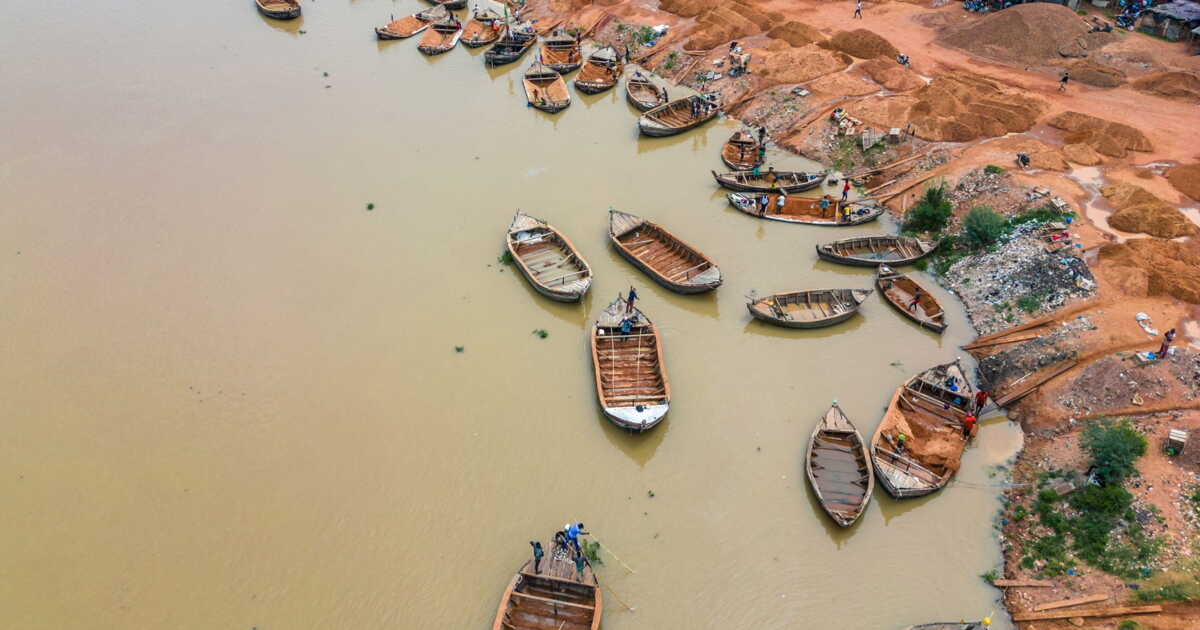
Navigating the Niger River on a pinasse is a highly enjoyed experience for travelers seeking a complete immersion in the daily life of riverine communities. This activity offers unique vantage points of the landscapes and allows approaching communities living to the rhythm of the river.
Along the voyage you can observe fishing scenes, agricultural activities, and Bozo fishermen camps. These excursions highlight a region where traditions remain very present. Visitors encounter a warm, authentic atmosphere that fosters meaningful encounters.
This slow approach to the territory helps one understand the Niger’s importance in the country’s economic and social organization. For many travelers, this stroll is among the most memorable experiences of a trip to Mali.
6. Culinary experiences in Bamako, a city in expansion
Malian cuisine offers an excellent way to deepen knowledge of the country. In Bamako, now a true city on the rise, restaurants present a wide variety of traditional specialties. Tigadèguèna, often called mafé, tô, and various rice-based preparations testify to the nation’s culinary diversity. Food markets also allow discovery of everyday ingredients as well as local beverages beloved by residents.
This gastronomic discovery fosters a total immersion in the country’s habits and perfectly complements cultural visits. The value-conscious traveler will find numerous affordable spots to sample authentic cuisine. This tasty facet greatly contributes to Mali’s plural identity, where regional influences continually enrich culinary traditions.
7. Malian musical discovery in the capital Bamako
Mali enjoys international renown for its rich musical heritage. In Bamako’s venues and cultural spaces, visitors can attend performances featuring the kora, the balafon, and many other traditional instruments. This artistic scene reflects the country’s cultural diversity and its historical role in West Africa. Musicians keep ancient traditions alive while sometimes integrating contemporary influences.
This cultural vitality perfectly illustrates the concept of Mali’s plural identity, where multiple artistic expressions coexist. Concerts also help illuminate the historical narratives passed down by griots and the importance of music in Malian society. An evening of music thus makes a perfect complement to heritage visits and culinary discoveries made during a trip to Mali.
8. Traditional crafts and Mali’s cultural heritage
Craftsmanship holds a central place in Malian cultural identity. Visitors can admire a wide range of creations—from Tuareg jewelry to decorative objects and traditional textiles. Specialized markets and the Bamako House of Crafts allow you to meet creators firsthand and observe their expertise.
This craftwork is part of a broader heritage that includes the famous ancient manuscripts of Timbuktu, the banco mosques, and UNESCO-listed sites. Culture enthusiasts can also complement their discovery with a visit to the Banduàdi (Bandiera) cliffs, closely linked to the history of the Dogon villages.
9. The Tomb of Askia
In the heart of the city of Gao, the Tomb of Askia stands as one of Mali’s most emblematic monuments and a remarkable testament to the Songhai Empire’s former grandeur. Built at the end of the 15th century under Emperor Askia Mohamed, this edifice impresses with its monumental earthen architecture, characteristic of Sahelian building traditions.
More than a simple funerary monument, the Tomb of Askia represents a cultural complex including a mosque, a cemetery, and several gathering spaces. Its historical and spiritual importance makes it a major place to understand the political, religious, and cultural evolution of West Africa. While this site offers a fascinating dive into history, it should be noted that Gao’s region is currently strictly inaccessible to travelers due to security conditions.
Practical information and safety in Mali
Staying informed about Mali’s security conditions is essential, as some regions require particular precautions. Regularly consult the foreign ministry’s travel advisories to learn about safety and health risks and for the administrative steps to take before departure. Additionally, carrying practical advice on local transport, visas, and health is recommended to enjoy a smooth trip.
In conclusion, Mali is rich in cultural and natural treasures waiting to be explored. While verifying travel conditions, visitors will discover a country with many facets, where each region tells a unique story.
Is Mali a safe country to travel today?
The security situation in Mali remains highly precarious and the risk of kidnapping is elevated. The majority of the territory is strongly discouraged for tourism. Only professional or essential travel toward Bamako is feasible, subject to maximum vigilance and proper supervision.
Bamako, the capital, remains an open destination for travelers, provided you follow official recommendations and plan your itinerary carefully, ideally through guided routes. It is highly recommended to check prices before departure, choose refundable airline tickets, and favor operators with good knowledge of the local context. By avoiding sensitive zones and choosing favorable times, the country can still offer a memorable experience to those who travel responsibly.
What are the must-do activities in Bamako to discover the city differently? Visiting the National Park, the National Zoo and the Independence Monument
As a vibrant capital at the heart of West Africa, Bamako serves as an essential entry point for any trip to Mali. Exploring the city involves several must-do activities that help capture the essence of local life. The Mali National Park, a large green space integrated into the urban fabric, is a structured promenade where one also discovers the Mali National Zoo, valued for its educational mission.
Nearby, the Independence Monument marks a symbolic milestone in modern Malian history. The craftsmen’s workshops, often located in peripheral neighborhoods, allow for a total immersion in local know-how, especially in wood carving and weaving. The Casino de l’Amitié, on the other hand, reflects a more contemporary facet of the capital, frequented by both locals and visitors.
All this, in a friendly atmosphere, which makes Bamako a place worth exploring in depth, especially during the dry season, from November to February, the ideal period to enjoy the climate and the generally attractive prices.
What to visit in Ségou to understand Mali’s historical and artistic heritage?
Situated along the banks of the Niger River, Ségou is a city where a precious portion of Malian cultural heritage concentrates. Former capital of the Bamana kingdom, it enchants with its artisans’ workshops, its banco houses, and its peaceful ambiance. The city also hosts several music and contemporary art festivals, reinforcing its status as a cultural destination. A visit to Ségou can also include a excursion to Ségoukoro, a village housing the king Biton Coulibaly’s tomb and a very ancient mosque.
Ségou is an exceptional showcase of Malian heritage, even though its accessibility from Bamako depends strictly on the evolution of security conditions along this road axis, to be checked before any departure, preferably planned during the dry season, between November and February, when travel conditions are more favorable. The richness of encounters, the quality of local craftsmanship, and the local life along the river make it a singular place for a total immersion.
This article was written with the help of artificial intelligence, then corrected, expanded and validated by the editors of the newsroom.