New Zealand, known for its varied landscapes ranging from majestic mountains to idyllic beaches, is a destination that attracts nature lovers, adventure enthusiasts, and those seeking to explore a rich culture. Whether you’re planning a short stay or an in-depth exploration, the country has a lot to offer. Here is a guide to the must-do activities during your trip to New Zealand.
1. Explore Auckland: Sky Tower and Waiheke Island
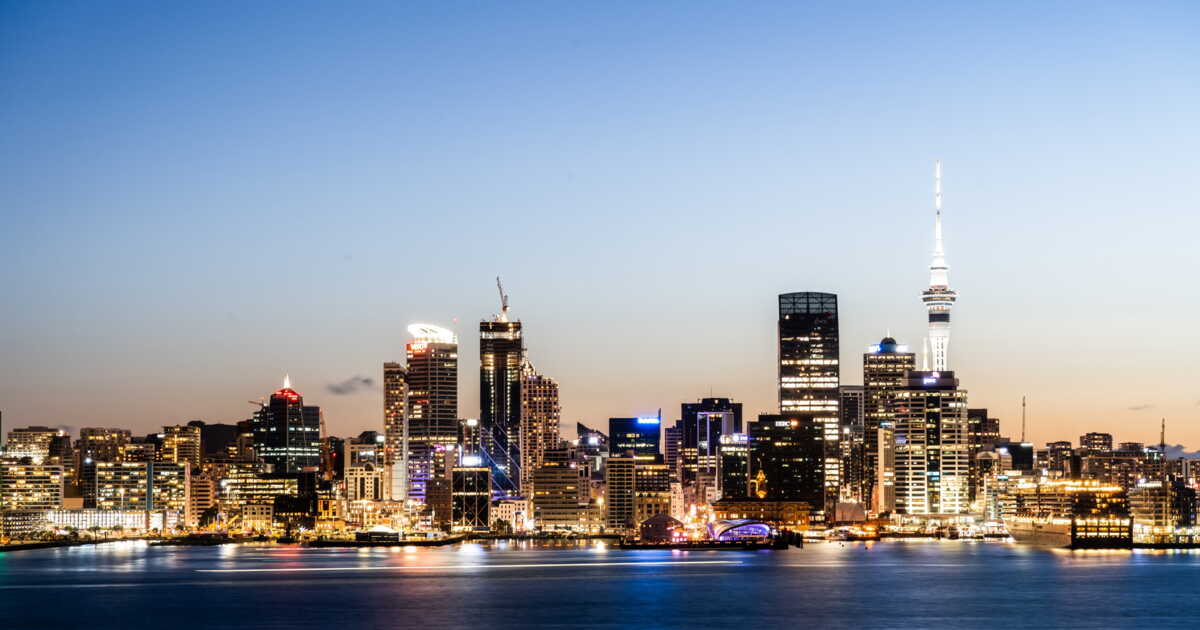
Starting a trip to New Zealand in Auckland, the city nicknamed the City of Sails, allows you to approach the country through its most dynamic gateway. The ascent of the Sky Tower, a centerpiece of this large city, offers a comprehensive view of the downtown and the surrounding bays.
Along Auckland’s waterfront, the tranquil atmosphere contrasts with the harbour city’s energy. A ferry-accessible visit to Waiheke Island provides a great way to discover stunning places: secluded beaches, renowned vineyards, and lush, green landscapes. This escape, in the vicinity of the cape on the east coast, captures the country’s duality: urban life in balance with nature. Auckland, the first stop on a road trip on the North Island, stands out as a one-of-a-kind place in the world, where residents’ way of life aligns with the sea and the Pacific glow.
2. Discover Maori Culture in Rotorua
In Rotorua, Maori culture unfolds in all its authenticity at the heart of a region shaped by geothermal activity. This regional town blends living traditions with natural phenomena: a haka performance, a meal cooked in ground steam according to the hangi method, and a visit to the villages of Te Puia, where the Pohutu geysers and mud baths bear witness to the power of the underground.
This visit forms part of the essential cultural experience of a trip to New Zealand, linking spirituality, art, and science. Surrounding forests and lakes create a backdrop of rare beauty, where sulfur and steam compose a setting of places unique in the world. Rotorua, both place and memory, embodies the continuity between land and identity, an essential chapter before heading to the Coromandel Peninsula or the beautiful sites of the Bay of Islands.
3. Hiking in the Tongariro National Park
Crossing the Tongariro National Park, a World Heritage site, means exploring a place unique in the world where nature and myth intertwine. The Tongariro Alpine Crossing, often ranked among the country’s most iconic Great Walks, traverses a succession of volcanic landscapes: red craters, emerald lakes, lava fields and silhouettes of active volcanoes.
Located in the heart of the North Island, this site offers a microcosm of New Zealand’s contrasts: the harshness of rock, the softness of horizons, and the place’s spirituality. For cinema enthusiasts, the natural scenery evokes the lands of The Lord of the Rings, reinforcing the hike’s legendary character. The experience, both physical and introspective, leaves walkers facing a mountain range and silence, where every step offers a breathtaking view.
4. Cruise in the Bay of Islands
The Bay of Islands, north of the North Island, unfolds with more than 140 subtropical islets forming an archipelago of turquoise waters and nesting sites for dolphins and seabirds. A boat tour or cruise from Paihia is a good way to grasp its ecological richness. On site, travelers can spot a seal colony, whales, or simply witness the symbolic meeting of the Pacific and Tasman Seas at Cape Reinga, one of the country’s top beautiful places. The Bay of Islands is also a historic site, the first point of contact between Maori and European peoples. Between wildlife, beaches and spirituality, this island visit on the North Island embodies the very idea of the end of the world, where travel takes on a natural and foundational dimension.
5. Queenstown: The Adventure Capital
Located on the South Island, Queenstown is often regarded as the big sister of the world’s alpine resorts. Nestled between high peaks and Lake Wakatipu, this regional city is known as the adventure capital. Bungee jumping, skiing, mountaineering or lake cruises: everything here evokes the energy of movement. A hike on Queenstown Hill offers magnificent views of the Otago mountain ranges, while winter transforms the landscape into a snowy sports destination. Despite its athletic reputation, Queenstown remains a tranquil town, animated by the friendliness of its residents and the balance of its surroundings. Far from a mere tourist backdrop, it is a place of remarkable beauty, a hub of activities and a reflection of contemporary New Zealand.
6. Exploring Fiordland National Park and Milford Sound
The Fiordland National Park, in the southwest of the country, houses the famous Milford Sound, a place unique in the world listed as a World Heritage Site. A Milford Sound visit by cruise or kayak allows approaching cliffs, waterfalls and forests framed by towering peaks plunging into turquoise waters.
This secluded region, shaped by glaciers, reveals a raw and unchanging nature, where every relief seems monumental. Travelers may spot a seal colony, dolphins or endemic birds. Fiordland, regarded as one of the world’s unique places, represents the very essence of travel in New Zealand: a direct encounter with land, water and light, in majestic solitude.
7. Hiking and Relaxation in Wanaka
Wanaka, often seen as Queenstown’s quiet little sister, stands out for its balanced atmosphere between nature and laid-back living. Located by a glacial lake, the Otago region town attracts hikers, notably those heading to Roy’s Peak, from where panoramas offer breathtaking views. The surroundings, a mix of dense forest and meadows, provide a soothing backdrop for the walker. After the effort, local cafes and breweries reinforce this sense of harmony. Wanaka, both discreet and inspiring, illustrates the quality of life unique to New Zealand, where mountains and the lake respond to each other in a rare balance, far from mass tourist flows.
8. Visit to the Fox and Franz Josef Glaciers
On the west coast of the South Island, the Fox and Franz Josef glaciers are among the world’s unique places accessible without alpine gear (for viewpoints and trails). A guided visit allows walking on the ice and observing the blue crevasses formed over time. Panoramic helicopter flights reveal the mountain range and its valleys, with stunning views of the sea and peaks. These places, where snow meets forest, symbolize New Zealand’s geographic singularity. Including the glaciers in a road trip from Queenstown or the Catlins region offers a comprehensive view of the country’s contrasts, between geothermal fire and millennial ice.
9. Kayaking in the Abel Tasman National Park
The Abel Tasman National Park, at the northern tip of the South Island, delights with golden beaches, dense forests and coves accessible only by kayak. Exploring this coastline by sea is a great way to discover a place of great beauty, where granite cliffs and turquoise waters create an untouched landscape. The coastal trails, among the country’s Great Walks, allow linking the most isolated bays in absolute calm. The park, often described as one of New Zealand’s finest places, invites a sea-side visit oriented toward wonder and slowness. It embodies the fusion of adventure and contemplation, typical of the Coromandel Peninsula and the shores at the world’s end.
10. Marlborough Wine Country: a sensory finale
The Marlborough wine region, at the north of the South Island, closes a trip to New Zealand with a sensory note. Renowned for its vineyards and Sauvignon Blanc, this regional town offers guided tours where you discover the work of the vine in a rolling, sunlit landscape. Tasting a local wine while gazing at the Catlins mountains or the distant sea makes for a unique experience. Marlborough wines, exported around the world, reflect the identity of a country where nature inspires culture. Between refinement and authenticity, this stop illustrates New Zealand’s ability to marry terroir and horizon.
11. Lake Tekapo: a place unique in the world between starry sky and turquoise waters
The Lake Tekapo, located in the heart of the South Island, ranks among the world’s unique places where nature seems untouched by bustle. Its turquoise water, the result of glacial sediments, framed by the high peaks of the Southern Alps, creates a spectacular backdrop. This place of beauty attracts travelers seeking serenity, but also astronomy enthusiasts: the lake offers one of the best night-sky viewing points on the planet. Adding Lake Tekapo to a road trip from Queenstown or Christchurch lets you approach New Zealand through vastness and silence. Here, the visit is not a quick stop but a slow immersion, often complemented by a soak in the local hot springs, facing the lake’s magnificent views.
12. Te Papa Tongarewa in Wellington: museum of memory and New Zealand identity
Located in the heart of Wellington’s downtown, the Te Papa Tongarewa Museum — literally “the place of treasures of this land” — is the premier cultural institution for understanding New Zealand, its people and its landscapes. Designed as an interactive space, it blends natural sciences, social history, contemporary art, and Māori culture in exhibitions accessible to all, including families and students.
For travelers, a Te Papa visit is a must — a key moment that puts into context the world-unique places discovered during a road trip. Additionally, staying in a Wellington hostel or at the Ibis Wellington, just steps from the museum, allows you to extend the experience in a region city that is both administrative and creative. Te Papa stands out as much for its documentary richness as for its bay-facing architecture, making this visit a good way to access the country’s identity at its heart.
13. Waitomo Glowworm Caves: a luminous natural spectacle in the depths of the North Island
The Waitomo Glowworm Caves are among the world’s unique places where nature becomes luminous. Located on the North Island, these limestone caves host thousands of glowworms (Arachnocampa luminosa), whose bioluminescence turns the chamber into an underground starry vault. A silent boat tour allows observing this rare phenomenon in near-total darkness, enhancing the sense of natural magic. The experience, both scientific and contemplative, complements a route that passes through Auckland or Cathedral Cove.
The Waitomo Caves, open year-round, are set in a region where dense forest, green hills and underground rivers alternate, perfect for immersive nature lovers. This place is not only spectacular but also carries an ambiance that only New Zealand can offer.
14. Te Puia: Geysers, Māori Arts and Geothermal Activity at Rotorua
Te Puia, located in Rotorua on the North Island, embodies the convergence of geothermal activity, traditional crafts, and cultural transmission. This unique place offers both the chance to admire Pohutu geyser, one of the most active in the southern hemisphere, and to explore a Māori arts center where wood carving and weaving are taught.
The visit to Te Puia helps to understand how residents’ lives revolve around the bubbling earth, in an environment where nature and spirituality coexist. Including Te Puia in a road trip starting from Auckland or heading toward the Bay of Islands means crossing a region where places are as much lived as told. The site welcomes visitors in a structured setting, conducive to an educational visit, yet always imbued with respect for the country’s founding narratives.
15. Whakarewarewa Redwoods: grandeur and quiet within an exceptional forest
The Whakarewarewa Forest, better known as the Redwoods, is a dense forest near Rotorua, planted with Californian redwoods at the start of the 20th century. These towering trees, reaching heights of over 70 meters, form a hybrid ecosystem between introduced nature and local biodiversity. A visit to the Redwoods is freely organized, with several marked trails, but also a suspended walk (Treewalk) offering a height-based perspective on the canopy. The site is prized for its tranquil atmosphere and its setting conducive to slow walking, away from the tourist crowds. The Redwoods fit perfectly into an itinerary combining Te Puia, the Wai-O-Tapu Thermal Wonderland, or a stop at the region’s thermal towns. It is a place of beauty, showing how New Zealand transforms natural diversity into a landscape of identity.
In conclusion, whether you are drawn to adventure, culture, or relaxation, New Zealand offers a variety of experiences tailored to every type of traveler. For a comprehensive stay, plan your itineraries with the seasons and regional specifics in mind. You will discover a country rich in surprises and discoveries.
What Budget to Plan for a Trip to New Zealand: an Investment in Escape to the Ends of the World
Planning the budget for a trip to New Zealand depends on the type of stay envisaged, but also on the distances to cover across this land often described as the ends of the earth. The average cost of a two-week road trip ranges from €2,500 to €3,500 per person, including flights, accommodations and travel between the North Island and the South Island. Major cities like Auckland, Wellington or Queenstown have prices comparable to European capitals, while more rural areas, such as the Catlins region or the Otago region, can sometimes offer more affordable options. Hostels or staying in a Wellington hostel is a good way to limit expenses while enjoying a calm visit in Auckland on the waterfront or a stop at Queenstown Hill. Traveling here means accepting a certain cost, offset by the richness of landscapes, the quality of natural heritage and the diversity of geothermal or marine activities.
What is the Best Month to Visit New Zealand: Choosing Southern Light by Season
The best month to go to New Zealand depends on the experience you’re after: the months from December to March offer summer temperatures ideal for a road trip along the Coromandel Peninsula, a Milford Sound visit or a Cathedral Cove exploration at low tide.
Southern winter, from June to August, reveals another facet of the country: the high peaks of Aoraki/Mount Cook, the snows of Queenstown, and the serene beauty of the Otago region. The in-between seasons — April–May and September–October — are often considered the most balanced periods, with fewer crowds and exceptional light on major cities like Wellington or Auckland. Each season turns New Zealand into a place of great beauty, where turquoise coastal waters give way to alpine ranges within a few hours’ drive.
What to Do in New Zealand in Winter: Snowy Mountains and Cultural Treasures
Winter in New Zealand reveals a different, calmer atmosphere, conducive to cultural visits and mountain hikes. In the city of Queenstown, regarded as the “big sister” of alpine resorts, the slopes of Mount Cook and the Great Walks trails offer landscapes of rare intensity.
On the North Island, geothermal activities at Te Puia or the Wai-O-Tapu Thermal Wonderland take on spectacular mists that heighten the contrast between the cold air and the earth’s warmth. Winter is also an ideal season to explore world-unique places such as the Waitomo Glowworm Caves, where thousands of glowworms illuminate the galleries. In Wellington, a visit to the Te Papa Tongarewa museum, a major Oceanian world-heritage institution, completes this panorama of a country that continues to surprise, even under a winter sky.
How Long Does It Take to Visit New Zealand: The Art of Measuring the Ends of the World
To visit New Zealand, you must first accept the distance and scale of the country. Given the diversity between the North Island and the South Island, a stay of at least three weeks is recommended to truly appreciate the contrasts: from the dense forests of the Rotorua region to the majesty of the fjords of the Milford Sound. A North Island visit allows you to discover the beautiful spots along the east coast, the world-unique places such as the Bay of Islands, or Auckland, the big city where locals’ lives concentrate. The South Island, on the other hand, reveals landscapes of vast horizons, dominated by high peaks and seal colonies along the coasts. Traversing these places in order, without haste, offers the best approach to a country designed for long journeys and contemplation.
What to Do in New Zealand with Kids: Family-Friendly Adventures and Discoveries
A trip to New Zealand with children lends itself to gentle, progressive exploration, blending nature and culture. The Christchurch Botanic Gardens or the Redwoods of Whakarewarewa Forest offer accessible family activities, while excursions such as a Two Oceans Aquarium visit in Auckland or walks along the beaches of the Coromandel Peninsula help understand locals’ lives in their environment. In Queenstown, families can hike up Queenstown Hill to admire stunning views of the turquoise waters of Lake Wakatipu. The Waitomo Glowworm Caves enchant with their natural light show, while museums like Te Papa Tongarewa in Wellington convey the foundations of local heritage. Traveling here with family means experiencing a rare quality of life, between guided adventure and cultural discoveries.
What to Do in New Zealand When It Rains: Culture, Nature and Welcoming Shelters
When it rains in New Zealand, discovery possibilities abound. A stay at a Wellington hostel allows you to walk the streets of the city centre, before heading to the Te Papa Tongarewa, the national museum with immersive exhibits. In Rotorua, the geothermal activities of Te Puia and the Wai-O-Tapu Thermal Wonderland offer an even more striking sight in the rain: vapors heighten the visual and olfactory contrast. In Auckland, the Sky Tower dominates Auckland city and lets you admire the surrounding mountain range even in overcast weather. For a quieter interlude, waterfront cafes in Auckland on the waterfront or indoor markets like the Neighbourgoods Market in Wellington provide a warm and convivial ambiance. Rainy days are thus an opportunity to better understand locals’ life and the cultural density of the mother city of New Zealand.
This article was drafted with the help of artificial intelligence, then corrected, expanded and validated by the editors.