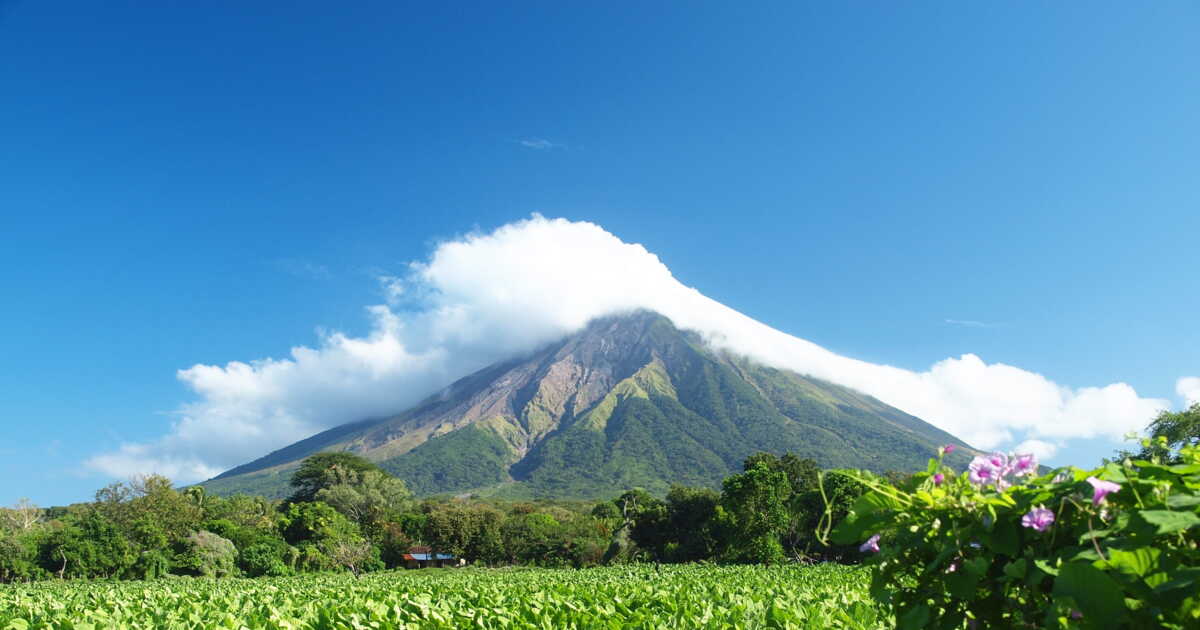
With diverse geography and climate, Nicaragua offers a multitude of discoveries. Travelers can explore active volcanoes, unwind on white-sand beaches, or stroll through colonial streets. Whether you are seeking adventure or relaxation, Nicaragua promises memorable experiences. Let us embark on a discovery of the must-do activities during your stay.
1. Exploring Granada
Exploring the city of Granada, a true colonial jewel of Nicaragua, means diving into a rich history and architecture preserved since the Spanish era. This former capital, located near the Lake Nicaragua, is an ideal starting point for beginning a trip to Nicaragua. Its emblematic churches, such as the Church of Merced, the Basilica of the Assumption, or the Church of La Recolección, bear witness to a religious heritage of exceptional richness, making the city a place of worship as much as a cultural attraction.
The ascent to the Christ statue on the Loma de Tiscapa or boat trips on the lake reveal remarkable viewpoints. A brief hour is enough to wander the center and discover the cobbled lanes, the colorful façades, not to mention a detour through local markets. For travelers arriving from Costa Rica or planning their Nicaragua trip from abroad, Granada often remains the favorite destination thanks to its balanced blend of accessibility, heritage, and welcoming atmosphere, especially when supported by a local agency to help structure the itinerary.
2. Adventure at Masaya Volcano
Located not far from the capital Managua, the Masaya Volcano National Park is one of the premier spots for fans of spectacular natural phenomena. In recent years, it has drawn travelers for its active craters, including Santiago, where one can observe lava glowing at night.
This volcanic site complements an itinerary that includes the ascent of Telica, the ascent of Cerro Negro, or the ascent of San Cristobal, offering a more accessible alternative without sacrificing visual impact. This park, part of a network of nature reserves in the north of Nicaragua, also hosts typical tropical forest flora and a diverse fauna, including endemic birds.
Well-marked trails suit different levels of difficulty depending on the terrain and allow for a structured exploration of the site. Masaya remains a popular point of interest, often integrated by local agencies into tailor-made circuits, especially during the rainy season, when natural contrasts are intensified.
3. Discovering the Island of Ometepe
Located in the Lake Nicaragua, the island of Ometepe is formed by two majestic volcanoes, Maderas and Concepción, and stands as both emblematic and unique within Nicaragua. The ascent of the Concepción volcano, renowned for its arduous climb and high level of difficulty, attracts seasoned hikers seeking a challenge. This experience complements already popular hikes such as the Cerro Negro ascent or the Telica ascent, making the island a top destination for volcano enthusiasts.
Visitors can also explore the natural surroundings by kayak, discover coffee plantations, or visit archaeological sites linked to pre-Columbian peoples. To access the island, travelers take a ferry from the port of San Jorge, which keeps this leg logistically straightforward despite the distance. When planning their Nicaragua trip from abroad, many visitors include Ometepe for its biodiversity, peaceful ambiance, and visual highlights, reinforced by exceptional viewpoints over the lake and surrounding volcanoes.
4. Surfing in San Juan del Sur
A trendy destination for travel in Nicaragua, San Juan del Sur is a premier spot for lovers of wild beaches, surfing, and nightlife. The nearby coastal village of Popoyo also stands out as a key stop, especially for those seeking a surfing lesson in Popoyo in a calmer setting. Beaches such as Playa Maderas or Playa Remanso are within a few kilometers of the town center and offer wave conditions suitable for all levels.
In recent years, the region has drawn in both beginners and seasoned surfers thanks to the consistency of its peak wave speeds. San Juan also benefits from a good transport network, and the time shuttles take to connect to other major cities in the country is reasonable. Whether for a single session or to include this town in a broader circuit featuring Granada, Popoyo in Nicaragua, or even the border with Costa Rica, this destination offers a rare balance between sport and relaxation.
5. A Visit to León
León, a city in the northern part of Nicaragua, is one of the country’s historic and intellectual hubs. Known for its central role during the Sandinista revolution, it today preserves an exceptional cultural density. The Church of Santa María, the Church of La Recolección, and the Cathedral of León, a UNESCO World Heritage site, are among the city’s major places of worship. From its roof, the views of the surrounding volcanoes, notably Volcano Mombacho, Cerro Negro, and Telica, make it a must-visit for those considering a climb.
León abrite également le Museum of the Revolution et plusieurs galeries dédiées à Rubén Darío, figure littéraire emblématique du Nicaragua. À pied ou à vélo, il est facile de se déplacer entre les sites d’intérêt, même pendant la saison des pluies, grâce à une bonne infrastructure touristique. Pour les voyageurs en quête de sens et d’histoire lors de leur voyage au Nicaragua depuis l’étranger, León se positionne comme un endroit de prédilection, alliant mémoire, culture et authenticité.
6. Relaxation at the Corn Islands
The Corn Islands, located about 70 kilometers off the Caribbean coast, represent a tranquil alternative to the standard Nicaragua itineraries. Accessible by plane from Managua or by boat via Bluefields, they charm with their wild beaches, spectacular sunsets and laid-back vibe. Freediving or scuba enthusiasts will find in the turquoise waters a well-preserved corner of Nicaragua, far from the mainland’s bustle. The local Creole culture offers a unique take on national identity, enriching the visitor’s experience.
For those seeking calm and nature, these islands have in a few years become a favorite destination, often regarded as a standout favorite. Although activities here are less intense than in Popoyo or San Juan, the archipelago offers numerous walks, including routes toward small natural promontories, ideal for capturing viewpoints with your camera. Logistics can be facilitated by a local agency, especially during the rainy season, to optimize travel times and maritime connections.
7. Climbing Concepción Volcano
Dominating the island of Ometepe in the heart of Lake Nicaragua, the Concepción volcano is an excellent spot for nature lovers and trekkers. Its ascent, long and demanding, represents a physical and spiritual challenge. In recent years, this climb has become an essential stop on any Nicaragua trip, especially for travelers eager to explore the northern Nicaragua and the unspoiled areas there.
The Concepción ascent requires serious preparation due to its level of difficulty, but rewards with a spectacular circular panorama over the lake, the wild beaches, the island’s points of interest, and lush vegetation. Set aside an extra hour to contemplate the viewpoints and capture memorable moments with your camera. The island itself is accessible by ferry from the port of San Jorge, and the crossing offers a glimpse of the volcano’s perfect conical silhouette, the country’s natural emblem.
The Nicaragua, with its natural treasures and cultural heritage, is a destination that delights the hearts of adventurers and travel lovers alike. Between volcano explorations, discovery of paradisiacal islands, and immersion in historic colonial towns, the country offers an unparalleled richness of activities and sites to discover. By planning your trip with these recommendations, you will experience an authentic and unforgettable journey. Nicaragua is full of surprises, ready to fulfill your desires for discovery and escape.
Is it safe to travel to Nicaragua today?
The question of safety when traveling to Nicaragua comes up frequently, especially in recent years when the country’s stability has been intermittently tested. Generally, the security situation has improved, particularly in tourist zones such as the city of Granada, San Juan, the Corn Islands or Popoyo, which has become a favored spot for surfers and for a surf lesson in Popoyo.
The northern part of Nicaragua, more rural, attracts visitors seeking coffee plantations and tropical forests, where you may encounter howler monkeys in reserves like Charco Verde. As with any destination, a few precautions are advisable: consult a local agency, keep personal belongings on you, avoid nighttime travel outside urban centers, and follow official recommendations from abroad. Finally, places of worship such as the Church of La Recolección or the Basilica of the Assumption are visited without issue, and the climbs to the Christ statue on the Loma de Tiscapa offer striking viewpoints over the capital.
Is Nicaragua an expensive destination?
Compared to neighbors like Costa Rica, Nicaragua remains a relatively affordable destination. Whether for lodging, dining, or transportation, the transfer times between major cities remain reasonable and prices are competitive. A stop at Popoyo, for instance, offers wild beaches and spectacular sunsets without the high costs of other Central American beach towns.
From San Juan to Laguna de Apoyo, or even to Lake Nicaragua, every destination in Nicaragua offers an affordable option for travelers. Ferry trips from the Ometepe port to the mainland are accessible, and even excursions such as the Telica ascent or the Cerro Negro ascent are offered at moderate rates by local agencies. It is advisable to bring a good camera: the region’s landscapes are among travelers’ top favorites.
Is Nicaragua a dangerous country?
The notion of danger in Nicaragua must be viewed in context. Since the Sandinista revolution, the country has experienced periods of instability, but current risks are comparable to those faced in many other Latin American destinations. Tourist zones, such as Granada, the old capital León, or the Corn Islands, remain safe for visitors.
For hiking, especially during the San Cristóbal ascent, it is essential to travel with a certified guide due to the level of difficulty and potential activity levels. Observing safety guidelines, particularly in volcanic zones like Mombacho, is crucial. Regarding transport, speeds and peak velocities can be excessive: it is wiser to favor reputable operators. It is also helpful to check the rainy season, which can affect travel, especially in northern Nicaragua.
Which volcanoes to visit on a Nicaragua trip?
Nicaragua is a land of fire and geological highlights, with more than 19 volcanoes lining its Pacific coast. Among the top spots, Mombacho Volcano stands out for its tropical forests and spectacular viewpoints over Lake Nicaragua and the city of Granada.
The ascent of Cerro Negro, an active volcano with a black sands terrain, is ideal for adrenaline seekers — its steep climb and sandboarding descent make for a unique experience. The Telica volcano, meanwhile, offers a nocturnal ascent favored to admire the glow of its incandescent crater. Adventurers seeking more demanding hikes will opt for the ascent of San Cristóbal, the country’s highest volcano, whose climb is a true challenge. The panoramas uncovered there, especially at dawn, more than justify the effort. For each volcano, it is recommended to go with a local agency that knows the levels and terrain conditions well.
This article was written with the help of artificial intelligence, then edited, supplemented and validated by the newsroom’s journalists.