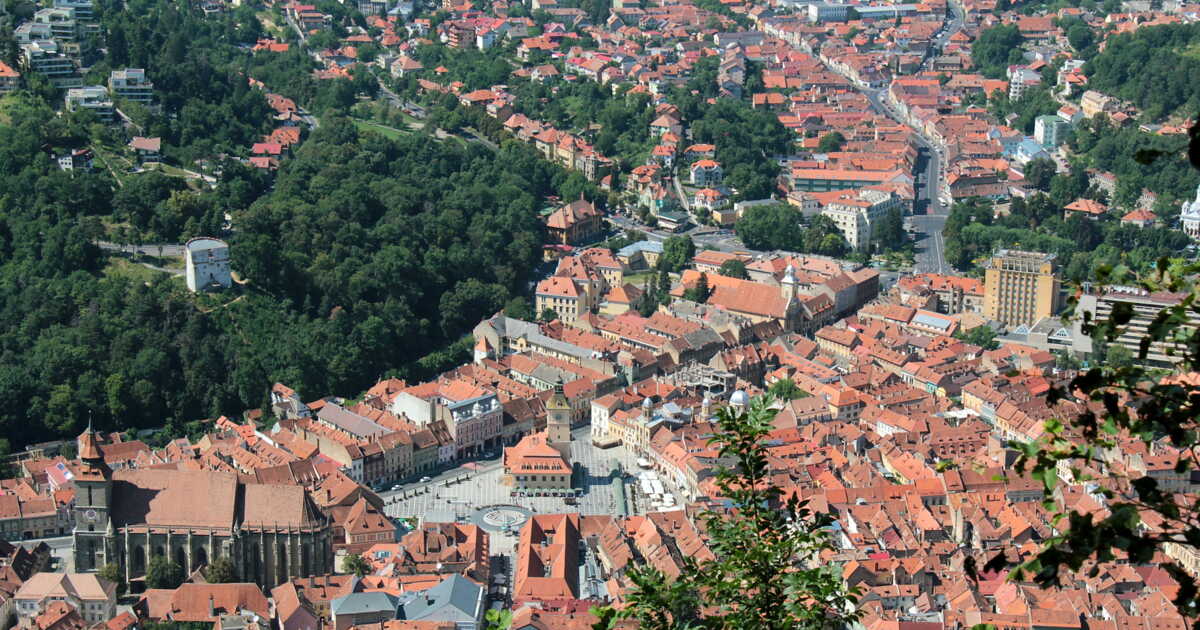
When one thinks of Eastern Europe, it is hard not to include the fascinating Romania on the list. This country, at the crossroads of tradition and modernity, will surprise even the most seasoned travelers with its centuries‑old stories and eloquent landscapes. Here are some suggestions for exploring the diversity of Romanian experiences.
1. Explore Bucharest, the capital
Bucharest, nicknamed “The Little Paris”, offers a structured immersion between historic heritage and contemporary dynamics. The visit often begins with the Palace of the Parliament, an imposing building embodying the architectural heritage of the communist era, whose size rivals the largest administrative structures in the world.
Not far away, the Lipscani district, the nerve center of the old town, comes alive day and night with its traditional restaurants, bars and cultural galleries. To deepen understanding of the Romanian culture, a stop at the Dimitrie Gusti Village Museum, located in Herăstrău Park, is a must: this open-air museum showcases traditional habitats from different regions of the country, offering a tangible glimpse into the ways of life of yesteryear.
2. Visit Bran Castle, linked to Dracula
Bran Castle, situated in the heart of Transylvania, remains one of Romania’s most emblematic sites, largely thanks to its association with the famous Dracula legend, though the historical link with Vlad the Impaler remains tenuous. This medieval monument, built for defensive purposes at the end of the 14th century, draws visitors with its Gothic architecture, its narrow staircases, and its period rooms, where antique furniture and museum exhibits mingle.
Perched on a rocky promontory, it offers an impressive panorama over the Carpathians, reinforcing the enduring sense of mystery that the castle sustains. An on-site visit allows exploring the historical layers of the site, between defensive reality, royal functions and literary imagination.
3. Discover the Saxon citadels of Transylvania
Exploring the Saxon citadels of Transylvania, such as Brașov, Sighișoara and Sibiu, means venturing into the heart of the Romanian Middle Ages through cobbled lanes, imposing ramparts and watchtowers that punctuate the urban landscape. Testimonies to German influence in Romania since the 12th century, these urban strongholds have preserved remarkable medieval architecture, blending Gothic, Baroque and Renaissance influences.
Sighișoara, in particular, a UNESCO World Heritage Site, illustrates the exceptional conservation of this living heritage, with its colorful houses, its monumental clock and its perched citadel. These fortified towns, while firmly rooted in contemporary Romania, allow a direct reading of the historical and cultural dynamics that have shaped this region.
4. Explore the wild Danube Delta
Located at the mouth of the Black Sea, the Danube Delta is one of Europe’s richest and best-preserved ecosystems. This UNESCO World Heritage site is a true natural sanctuary, where an exceptional biodiversity unfolds, harboring more than 300 bird species and around a hundred fish types.
Between
5. Traverse the magnificent Transfăgărășan Road
The Transfăgărășan Road, a triumph of engineering carved along the mountainside, crosses the Carpathians for nearly 90 kilometers, revealing at every bend dramatic panoramas of Central Romania’s rugged landscapes. Often regarded as one of Europe’s most beautiful roads, it offers a striking immersion in an alpine environment still preserved.
This route affords views of emblematic sites such as the Bâlea glacier lake and Bâlea Falls or the Poenari Fortress. Accessible from June to September depending on the year, this crossing offers a rare combination of natural heritage, history and a sense of wonder, making it a preferred destination for travelers seeking extraordinary landscapes and authenticity.
Is Romania an expensive destination? Understanding the cost of a accessible and enriching trip
Compared to many European destinations, Romania is not an expensive destination. The cost of living remains moderate, whether for accommodation, meals or transportation. In major cities like Bucharest, a comfortable hotel night remains affordable, as does a meal at a local cuisine restaurant. Cultural visits — castles, museums, monasteries — are not costly, and many natural sites are freely accessible.
Budget travelers can thus enjoy a high-quality stay without compromise. Romania stands out as a destination where the cost/experience ratio is particularly favorable, especially for lovers of heritage, nature and authentic culture.
What to do in Romania when it rains? Cultural alternatives and indoor heritage away from the elements
Even on rainy days, Romania still holds a wealth of attractions. Its major cities abound with museums of history, art or ethnography, such as the National Museum of Art of Romania in Bucharest or the Museum of the History of Transylvania in Cluj.
Castles, such as Peleș or Bran, can be visited indoors, as can the many fortified churches of Transylvania. Literary cafés, bookshops, cultural centers and baths complete the possibilities for sheltered days. Far from interrupting the travel experience, rain in Romania invites a slower immersion, focused on the history and traditions that shape the country’s identity.
What to do in Romania in the evening? A local cultural life between theatre, gastronomy and music
Romania in the evening offers far more than lit alleyways or lively terraces. In the major cities, the cultural calendar runs rich: operas, ballets, classical concerts or plays are offered at prices often accessible. Historic centers, such as Sibiu or Timișoara, invite you to extend the discovery in a peaceful and authentic atmosphere.
Local gastronomy, served in restaurants with intimate ambiance or in traditional inns, becomes a highlight of the evening. Wine bars, café-concerts or jazz venues complete this offer for those who enjoy a relaxed vibe. Nightlife in Romania, though not exuberant, reflects a culture of conviviality and sharing deeply rooted in urban habits.
Is Romania dangerous for tourists? Safety, hospitality and common sense to adopt
The question of tourist safety in Romania is often raised, though it does not reflect the country’s current reality. Romania is generally safe for travelers, with a crime level low compared with the European average. The main risks relate more to petty urban crime (pickpocketing in transit or crowded areas) and can be avoided by taking the usual precautions.
Transport infrastructure is reliable, tourist staff is often English-speaking, and visitors are warmly welcomed. Tourism in Romania is developing gradually, supported by a culture of hospitality still rooted in both rural and urban areas. There is therefore no structural danger associated with visiting the country, but basic vigilance is still advised, as it is anywhere else.
Visiting Romania in 15 days: a rich itinerary between the Carpathians, monasteries and historic towns
A 15-day stay in Romania allows exploring its many facets without rushing. A balanced itinerary can combine a discovery of the capital Bucharest, an immersion in the Carpathians, and stops in major cultural towns such as Sibiu, Cluj-Napoca, or Brașov. Transylvania, with its medieval castles, Saxon villages and deep forests, offers an exceptional field for exploration.
The monasteries of Bukovina, in the northeast, UNESCO-listed, constitute also a must‑stop. Along the coast, the Black Sea region, with Constanța and the littoral beaches, can be added at the end of the trip. Two weeks thus allow you to grasp the complex history, natural wealth and regional diversity of a country still largely unfamiliar to mass tourism.
This article was drafted with the help of artificial intelligence, then corrected, supplemented and validated by the editors of the newsroom.