Summary
-
1. Explore MASP (São Paulo Museum of Art)
-
2. Relaxation at Ibirapuera Park
-
3. Discovery of Vila Madalena
-
4. Panoramic view from Farol Santander
-
5. Culinary experience at Mercado Municipal
-
6. Cultural immersion at Banco do Brasil Cultural Center
-
7. Discovery of Avenida Paulista
-
8. Exploration of the Botanical Garden
-
9. Lively evening on Rua Augusta
-
10. Visit to Cathedral da Sé
-
Is São Paulo really worth a detour on a trip to Brazil?
-
What is the typical São Paulo dish not to miss?
-
How many days are needed to visit São Paulo properly?
-
What to do in São Paulo with kids or as a family?
-
What to do in São Paulo on Sunday to discover the city differently?
-
What to do in São Paulo in the evening or when it rains?
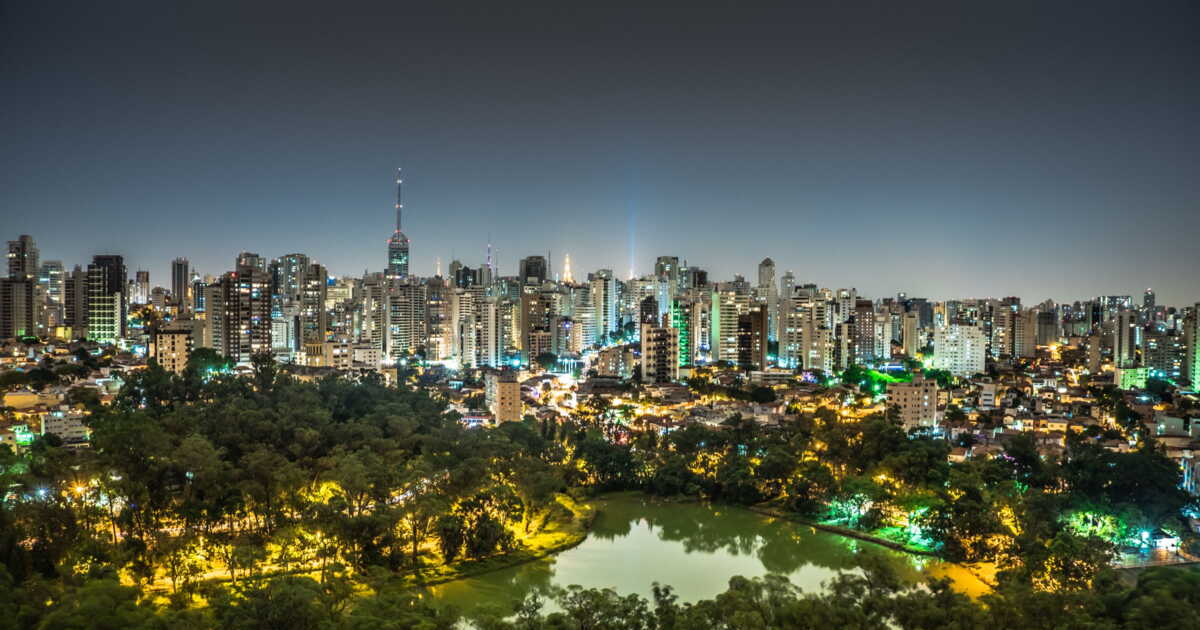
In São Paulo, discovery happens as much through its grand cultural spaces as through the vibe of its streets. A bustling market, a stroll along Avenida Paulista, an afternoon in a park, or a night on Rua Augusta gradually reveal the scale of this extraordinary city.
1. Explore the MASP (São Paulo Museum of Art)
The São Paulo Museum of Art (MASP) is a major cultural anchor in the vast Brazilian metropolis of São Paulo. Located on Avenida Paulista, this internationally renowned museum houses an exceptional collection of European, Asian, and African works, with pieces that testify to the evolution of world art. This complex, often regarded as one of the city’s most iconic buildings, rests on bold red stilts that create the impression that the structure floats above its wide public square, the Vão Livre.
A visit to MASP offers a fascinating plunge into the history of world art, enriching your urban sojourn. The museum regularly hosts temporary exhibitions that energize São Paulo’s museum scene, reinforcing its role as a vital hub for lovers of museums.
2. Relaxation at Ibirapuera Park
At the heart of São Paulo, the Ibirapuera Park is recognized as the city’s green lungs, offering expansive spaces ideal for relaxation, walking, and discovering gardens and lakes. It is a place where nature and culture mingle, with major museums located within, such as the Museum of Modern Art (MAM) or the fascinating Afro Brasil Museum, which deserve an in-depth visit to appreciate Brazilian and international art.
Wander along shaded paths and enjoy a calming environment far from the urban buzz. The park also hosts cultural events, concerts, and exhibitions, making each visit a unique experience. In this green setting, Ibirapuera Park perfectly illustrates the balance between natural escape and intense cultural life within this great Brazilian city.
3. Discovery of Vila Madalena
The Vila Madalena neighborhood is a dynamic center of Brazilian culture and urban expression in São Paulo. It is particularly renowned for its street art, with vibrant and colorful murals that line the streets, including the famous Beco do Batman, an iconic alley decorated by local and international artists. This bohemian district embodies the creative energy of the metropolis and offers a multitude of galleries, craft shops, and trendy cafés. Strolling through Vila Madalena not only immerses visitors in street art but also showcases how contemporary art integrates into the daily life of Paulistanos. It’s a crucial stop for anyone looking to explore the artistic diversity that gives São Paulo and Latin America its reputation.
4. Panoramic view from the Farol Santander
Located in the center of São Paulo, the Farol Santander is a historic building that offers a spectacular panoramic view over the city. Formerly known as the Edifício Altino Arantes, this iconic skyscraper allows visitors to appreciate the immensity of São Paulo, the economic capital of Brazil.
Beyond panoramic observation decks, the Farol Santander also hosts art, history, and design exhibitions, making it a rewarding cultural stop. From its upper floors, the view of the weave of streets, avenues, and rooftops illustrates the scale of this great Brazilian city. Its architectural significance and its role in the urban fabric make this experience a must-do step when exploring the downtown area.
5. Culinary experience at the Mercado Municipal
The Mercado Municipal of São Paulo, often called Mercadão, is a landmark of street food and local gastronomy. As you wander its colorful aisles, you’ll discover a profusion of fresh produce, including a variety of exotic fruits typical of Brazil, spices, and regional specialties. Tasting the famous mortadella sandwich or other traditional local fare is an adventure in itself, embodying the essence of the Paulistano culinary experience.
This historic market, frequented by locals and visitors alike, is also the ideal place to purchase gastronomic souvenirs or simply soak up the daily buzz. The vibrant atmosphere of the Mercado Municipal perfectly illustrates the cultural and gastronomic richness of São Paulo.
6. Cultural immersion at the Banco do Brasil Cultural Center
The Banco do Brasil Cultural Center, housed in a historic building in the downtown São Paulo, is an institution that promotes contemporary art, theater, music, and other forms of artistic expression. It is a meeting place for art enthusiasts and discussions about culture, featuring performances, plays, and varied exhibitions.
This immersion in Brazilian culture is enriching for curious visitors as well as residents seeking to deepen their understanding of the local art scene. The Center helps to make downtown a lively space where heritage and modern creativity intertwine, underscoring the importance of art in the urban dynamics of São Paulo.
7. Discovery of Avenida Paulista
Avenida Paulista is the emblematic artery of São Paulo, blending art, commerce, culture, and a vibrant urban life. This iconic boulevard houses several important museums, shopping centers, libraries, and green spaces, providing a comprehensive panorama of what makes this great Brazilian city so dynamic.
Every Sunday, automobile traffic is halted, transforming the street into a vast pedestrian zone where cyclists, street performers, and visitors come together. This unique setup allows you to fully appreciate the energy of Avenida Paulista while discovering street performances that reflect the city’s cultural buzz.
8. Exploration of the Botanical Garden
The Botanical Garden of São Paulo is a peaceful haven on the edge of urban bustle. Here you’ll encounter a diversity of plant species, serene paths, and shaded areas ideal for relaxation and nature observation. A true green gem, this garden represents an invaluable natural retreat in the heart of the metropolis. It’s an ideal experience for families, nature lovers, or anyone seeking to recharge after exploring the city’s many facets.
9. Lively evening on Rua Augusta
Rua Augusta is a lively and cosmopolitan artery of São Paulo, renowned for its dense and varied nightlife. Bars, clubs, and restaurants follow one another along the street, offering a range of atmospheres from relaxed to highly energetic. It’s a meeting place and a hub of street food, where you can savor quick bites, local specialties, and typical drinks while soaking up the city’s nocturnal energy. This neighborhood is a striking example of the diversity of urban experiences available in this great Brazilian city, where each evening can become a new unforgettable experience.
10. Visit to Cathedral da Sé
The Cathedral da Sé, located in the center of São Paulo, is a masterpiece of religious and architectural heritage. This imposing neo-Gothic cathedral, inaugurated in the mid-20th century, is one of the largest in the country and stands majestically at the heart of the historic center.
Its forecourt and scale make it a place for contemplation and admiration, inviting reflection on the various cultural influences that shape the city’s identity. A visit to Cathedral da Sé nicely rounds out your exploration of the center of São Paulo, offering a striking contrast to the modern energy of the surrounding districts.
In conclusion, São Paulo is a city with many facets offering experiences ranging from culture to nature, from gastronomy to nightlife. For more adventures, consider exploring the surroundings to discover beaches and cultural escapades that will add to your discovery of this dynamic metropolis.
Is São Paulo really worth a detour on a trip to Brazil?
As Brazil’s economic capital, São Paulo certainly deserves the attention of travelers seeking authentic urban immersion. This megacity with many faces combines cultural vitality, architectural richness, and economic dynamism.
Far from the beach-centric clichés of the country, it offers a dense urban experience revealing another face of the Brazil, more contemporary. For those who want to understand the country beyond beaches and forests, visiting São Paulo is essential. It isn’t a city that is “easy,” but it rewards those who take the time to get to know it.
What is the typical São Paulo dish not to miss?
The Paulistano gastronomy, a reflection of its cultural melting pot, is distinguished by the Virado à Paulista, a dish that combines rice, beans, cassava flour, fried plantains, and meat. This dish, historically linked to rural workers, has risen to become an indispensable local specialty.
It is enjoyed in its most authentic and generous form in the city’s traditional botecos, where it often constitutes the daily special on Mondays, or in regional cuisine establishments. The city is also known for its exceptional culinary scene, including starred restaurants and fusion cuisine that highlight the diversity of migrant influences.
How many days are needed to visit São Paulo in good conditions?
To gain a structured and enriching overview of São Paulo, a stay of 3 to 4 days is recommended. This timeframe allows you to discover the main points of interest without rushing: museums, cultural districts, markets, and one or two major parks such as Ibirapuera. This format also accommodates a culinary experience, a few urban strolls, and some rest time. With less than two days, the visit risks being too superficial to grasp the city’s complexity and wealth.
What to do in São Paulo with kids or as a family?
Exploring São Paulo with family is entirely feasible thanks to infrastructure tailored for young audiences. Parque da Mônica, inspired by famous Brazilian comic characters, appeals to younger visitors. The São Paulo Zoo, one of the largest in South America, and the Aquário de São Paulo offer playful and educational alternatives. For calmer activities, Parque Ibirapuera provides green spaces, kid-friendly museums, and playgrounds. These places allow you to discover the city while meeting the needs of children.
What to do in São Paulo on Sundays to discover the city differently?
On Sundays, São Paulo slows down and reveals a more relaxed face. The Avenida Paulista, closed to traffic, becomes pedestrian and hosts street artists, cyclists, and families. It’s the perfect time to stroll, visit the MASP, or enjoy outdoor events. The Ibirapuera Park offers concerts, exhibitions, and relaxation in a green setting. Some markets, such as the Feira da Liberdade, remain open and provide a glimpse of the city’s culinary diversity.
What to do in São Paulo in the evening or when it rains?
At night, São Paulo offers an eclectic nightlife: concerts, theater, wine bars, rooftops, and gourmet restaurants. The neighborhoods of Vila Madalena, Pinheiros, or Baixo Augusta host varied offerings to suit all tastes. When it rains, the city provides numerous indoor options: museums, cultural centers, art galleries, bookstores, or specialty cafés. The Banco do Brasil Cultural Center or the Instituto Tomie Ohtake are among the popular places to seek shelter while still exploring the local culture.
This article was written with the help of artificial intelligence, then corrected, supplemented, and validated by the editorial team.