In this article, we will explore in detail the various activities available to visitors of the Serengeti in Tanzania, thereby providing a comprehensive roadmap to make the most of this fascinating destination.
1. Vehicle Safaris (Game Drives)
Vehicle safaris are among the main activities when visiting Serengeti National Park. These excursions allow visitors to traverse different parts of the park in search of its iconic wildlife.
Safaris can be planned for the morning or the afternoon, with each period offering unique conditions for animal viewing. The Seronera area is particularly prized for its feline population, while the Western Corridor along the Grumeti River is an excellent zone for observing large predators and crocodiles.
2. The Great Migration
One of the park’s major attractions is the Great Migration, a natural phenomenon where millions of wildebeest, accompanied by zebras and gazelles, traverse the park in search of fresh pastures.
This spectacle occurs year-round, but certain periods, such as the Mara River crossings between July and October, are especially sought after for their dramatic intensity. Visitors can plan their visit around the migration calendar to maximize their chances of witnessing this spectacle.
3. Observation of the “Big Five”
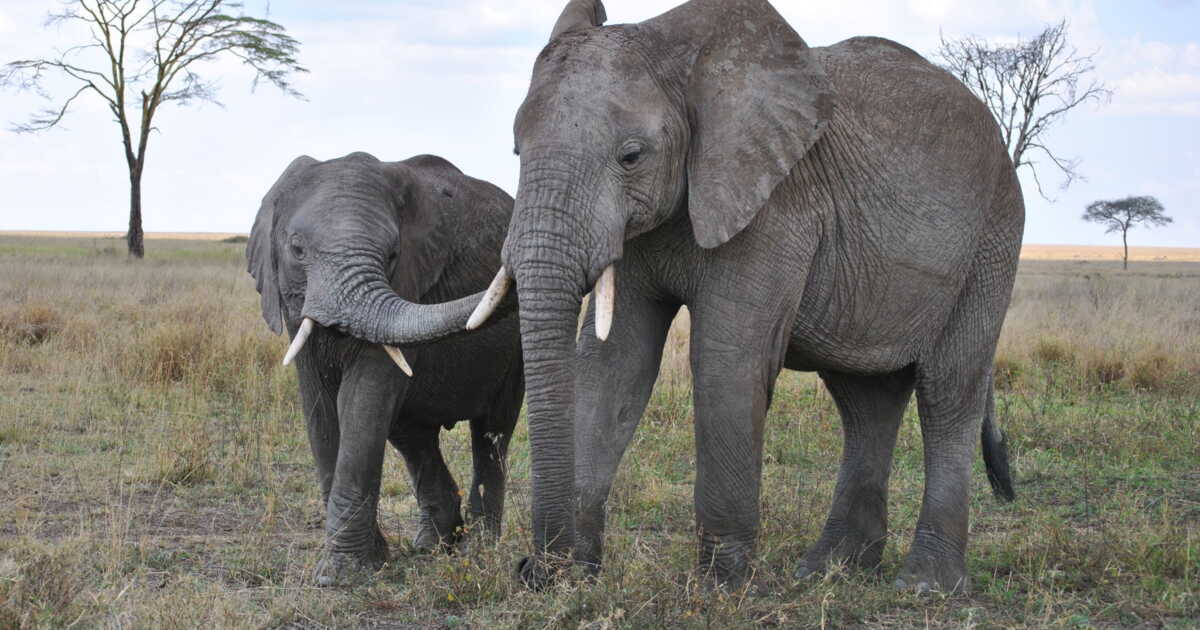
Serengeti National Park is one of the best places in Africa to observe the famous “Big Five“: the lion, the leopard, the elephant, the buffalo, and the rhinoceros, although the latter is rare. Each of these species can be seen in different zones of the park, though their presence can never be guaranteed due to the vast territories these animals roam. Early morning or late afternoon safaris can increase the chances of spotting them.
4. Hot Air Balloon Flight
For a different vantage point of the Serengeti, visitors can opt for a sunrise hot-air balloon ride. This roughly 1 to 1.5-hour flight provides an aerial view of the landscape, allowing observation of the wildlife and park topology. At the end of the flight, a champagne breakfast in the savannah is often included, making this experience memorable and unique.
5. Cultural Visits and Encounters with the Maasai
In addition to wildlife, a visit to the Serengeti offers the opportunity to discover local culture by meeting the Maasai, an indigenous people living in the park’s peripheral areas. Although these visits are typically organized outside the park boundaries, they provide insight into the traditions and way of life of this community that coexists with the surrounding wildlife.
The Serengeti National Park offers a multitude of activities that allow visitors to immerse themselves in its unique landscapes and abundant wildlife. Whether for wildlife viewing, cultural exploration, or balloon panoramas, the Serengeti promises an unforgettable travel experience. By taking practical advice and recommendations into account, visitors can effectively plan their stay and make the most of their adventure in this exceptional site.
What are the tourist attractions of Serengeti National Park? Discovering the natural treasures of a unique ecosystem
Serengeti National Park is among Africa’s most iconic tourist attractions, renowned for its endless plains, Africa’s predators, and the spectacular Great Migration. A true sanctuary of the African savanna, this UNESCO-listed park draws travelers each year to observe the Big Five, hippos, Grant’s gazelles, and more than 500 bird species in their natural habitat.
The experience can be enhanced by a private Tanzania safari aboard a jeep, accompanied by a French-speaking guide or an expert guide who tailors the itinerary to the safari program. Charming lodges or luxury accommodations set in the heart of the park allow you to witness the dawn awakening of wildlife in comfort suited to travelers from around the world.
Park in Tanzania: why Serengeti is a jewel of wildlife
Choosing a park in Tanzania for a safari means opting for the Serengeti, a benchmark in biodiversity. Its ecological role transcends national borders, as it forms, together with the Ngorongoro Conservation Area and the Masai Mara Reserve in Kenya, a cross-border ensemble vital for the zebra and wildebeest herds and the predators in pursuit of their prey.
The richness of its ecosystems—from the central Serengeti region to the more distant areas of the northwest or the south of the Serengeti—allows for diverse observations, including hippos across different regions or rare bird species. Planning a Serengeti safari with experienced guides offers an immersion in one of the last great natural theatres where the daily life cycle of Africa’s wildlife unfolds.
Serengeti Plain: an iconic expanse shaped by migration
The Serengeti Plain embodies the essence of Tanzania’s safari landscapes, with endless grasslands, isolated acacias, and horizons punctuated by the movement of herds. Each year this conservation area becomes the stage for the Great Migration, a primal quest for fresh grass by hundreds of thousands of wildebeest, closely followed by their predators.
This phenomenon, observable from a charming lodge or during a private-guided safari, constitutes an exceptional wildlife spectacle, immortalized in popular imagination thanks to the Lion King. From the shores of Lake Victoria to the Ngorongoro Crater, the Serengeti Plain offers a breathtaking view of the rhythms of wildlife, revealing nature’s beauty in its rawest form.
Wildlife in Tanzania: observing fauna at the heart of the Serengeti
Wildlife in Tanzania finds in the Serengeti an exceptional natural setting for observation and photography. This national park hosts all the symbols of African fauna: the Big Five, predators within the park, hippos, and herds of zebras near water sources.
Guides, some of whom are francophone, have an intimate knowledge of where species concentrate according to the dry season, vegetation, and climatic conditions. Travelers can thus enjoy full immersion, often aboard a jeep, sometimes on foot depending on the available options.
The Serengeti is not merely a safari backdrop; it is a vibrant natural habitat that offers daily a new scene of interactions between prey and predators, in harmony with the biological rhythms of wildlife.
Serengeti National Park: prices, options and tips for organizing your safari
The price of Serengeti National Park depends on several parameters, including the season, the activities chosen, and the type of in-park accommodation. Entrance fees typically amount to several tens of dollars per day, with additional costs for a private jeep safari in Tanzania, the presence of an expert guide, and the level of comfort desired: from luxury lodges to mobile camps.
For an optimized stay, it is recommended to plan with a safari-specialized agency, which can combine the best observation moments – such as the dry season – with hotels or lodges located in strategic areas. Whether you head in search of the Big Five or prioritize the Great Migration, the Serengeti more than justifies the investment, as the experience remains unparalleled in the African landscape.
This article was drafted with the help of artificial intelligence, then revised, supplemented, and validated by the editors of the newsroom.