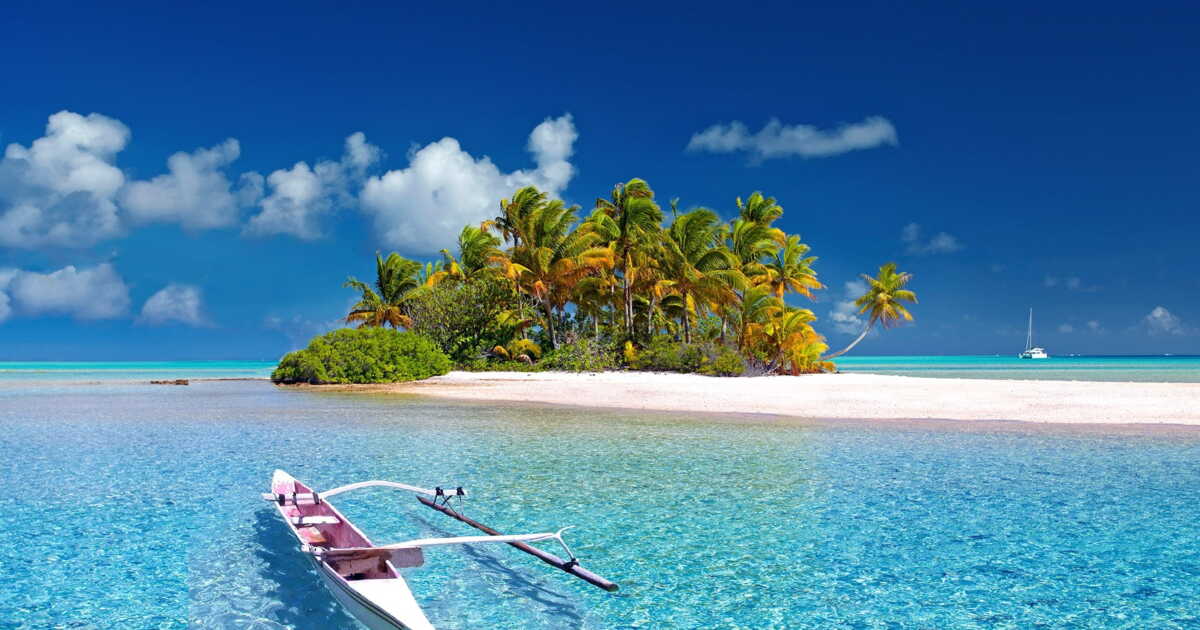
Known as the “Queen of the Pacific,” Tahiti is the largest island in French Polynesia. Located in the Society Islands, this destination attracts travelers from all over the world with its varied landscapes, its black-and-white sand beaches, and its rich culture.
To discover Tahiti is also to dive into an experience where lush nature meets a fascinating historical and cultural heritage. If you’re wondering what to do in Tahiti, this article offers a selection of activities and outings to plan a trip that is both enriching and memorable.
1. Scuba diving and snorkeling
The clear lagoon waters surrounding the island of Tahiti provide favorable conditions to begin or refine skills in scuba diving and snorkeling. Whether around Faa’a or along the coastline of Tautira, marine enthusiasts can observe tropical fish, reef sharks, and abundant coral life. The certified diving centers on the island boast a professional team to guide both beginners and experienced divers, ensuring a safe experience at the heart of the biodiversity of the South Pacific.
2. Lagoon boat excursions
Exploring the Papeete lagoon aboard a traditional vessel or a motorboat is a must-do activity in Tahiti. These marine excursions, often paired with stops on motus (islets), let you savor Polynesian picnics in a secluded, paradise-like setting. During the migratory season, from July to November, it’s possible to spot humpback whales or dolphins, making the outing even more spectacular for wildlife enthusiasts.
3. Cultural discovery at the Tahiti and Islands Museum
For a cultural and historical approach to the island of Tahiti, the Tahiti and Islands Museum, located in Punaauia, is a valuable resource. This museum documents, through archaeological artifacts, ethnographic exhibitions, and traditional narratives, the complex history of Polynesian societies—from ancient migrations to spiritual practices. It is also an excellent cultural refuge in case of bad weather, combining educational content with heritage appreciation of the island.
4. Hiking Mont Aorai
Hiking enthusiasts can set off toward Mont Aorai, one of the island’s most iconic peaks, standing at 2,066 meters. The ascent, well marked but demanding, winds through lush vegetation and reveals stunning viewpoints over the valleys and the surrounding lagoon. A good level of fitness is required, as is an early start to avoid the heat and maximize the panoramic experience. This trail is ideal for travelers seeking vast natural spaces.
5. Visit the Papeete Market
The Papeete Market, located in the heart of the capital, allows you to immerse yourself in the everyday atmosphere of Tahiti. This lively place is perfect for discovering the local gastronomy—notably the famous poisson cru au lait de coco—as well as for purchasing artisanal items crafted by the locals, ranging from pareos to mother-of-pearl jewelry. A true cultural and economic crossroads, the market stands as a must-stop for any traveler keen on authenticity.
6. Exploring the Faarumai Falls
For a nature interlude, the Three Faarumai Falls, near Tiarei, offer an easy stroll through a lush tropical forest. The trail leads to three successive waterfalls, perfect for a refreshing break. Those who want a more challenging hike can also head to the Fautaua Falls, more isolated, which traverses a preserved and spectacular environment that symbolizes the natural diversity of Tahitian Island.
7. Marine wildlife watching
From July to November, the migration of humpback whales makes Tahiti a prime viewing point. Guided boat trips allow you to follow these sea giants at a regulated distance, sometimes accompanied by resident dolphins in the lagoon. Local agencies, often in collaboration with biologist teams, offer itineraries that blend scientific knowledge with biodiversity respect, for a responsible approach to marine wildlife.
8. On-water sports
For water-sports enthusiasts, Tahiti Island offers numerous opportunities such as kayaking, stand-up paddle, and especially surfing. The site of Teahupo’o, famous worldwide, attracts every year professional competitions because of the power of its tubular waves, though it is reserved for experienced surfers. For beginners, beaches like Taharuu or Mahana Park provide a safer environment. These sites allow a progressive introduction in optimal conditions, with spots suitable for all levels.
Rich in natural sites, in cultural traditions and in diverse activities, Tahiti Island offers a complete travel experience, whether you’re an adventure enthusiast or seeking cultural discovery or lagoon relaxation. From hikes to the summits to motu cruises, via visits to the Tahiti Museum or excursions to Nuku Hiva to extend the escape in the archipelago, every stay can be tailored to the traveler’s expectations.
What budget should you plan for 15 days in Tahiti? An unforgettable immersion in the heart of French Polynesia
Planning a budget for 15 days in Tahiti requires thoughtful consideration, as life on the Tahiti island reflects the cost of remoteness and the scarcity of certain resources. Charming lagoonside accommodations or family guesthouses in Papeete help tailor expenses. Activities such as exploring the Trou du souffleur, excursions into the Papenoo Valley, or visiting the Tahiti Museum round out a culturally rich experience. Anticipating inter-island transport or dining costs is essential to enjoy this trip to French Polynesia without constraints.
How long does it take to visit Tahiti? Finding the island’s pace
Asking how long does it take to visit Tahiti is about understanding the very rhythm of Polynesia. The island, though the main one of the territory, is ideally discovered in one to two weeks, enough time to explore its many facets: the coastline with its black-sand beaches, the lush valleys, authentic villages, and iconic natural sites.
In 10 to 15 days, the traveler can alternate between cultural discovery in Papeete, strolls through the Paofai Gardens, relaxation at the Vaipahi Water Garden, or a getaway to the Grottoes of Maraa. Extending the stay allows exploration of nearby islands such as Nuku Hiva, offering another facet of the French Polynesia, wilder and more pristine.
What to do in Tahiti for free? The island’s authentic essence at no cost
It is entirely possible to discover Tahiti for free while enjoying its natural and cultural treasures. The island offers many accessible activities: swimming in the lagoon, a walk to the Point Venus, a stroll through the Paofai Gardens, or exploring the Maraa Caves. Fans of grand scenery can venture into the Papenoo Valley or along the East Coast Road, where nature reveals its power.
In Papeete, the local market provides a sensory immersion into everyday Tahitian life. These free discoveries reflect the island of Tahiti’s rugged beauty, ideal for an affordable journey through French Polynesia.
What to do in Tahiti when it rains? Explore the island differently
Even in the rain, Tahiti retains its charm. Damp days are ideal for exploring the Tahiti and Islands Museum, a must for understanding Polynesian culture, or visiting artisanal exhibitions in Papeete. The Maraa Caves also offer a natural shelter of mystical beauty, as do the Paofai Gardens, soothing even under a overcast sky.
The thrill-seekers can admire the force of the waves at Teahupo’o, a legendary site in global surfing. In short, rain transforms a Tahiti trip into a more introspective experience, revealing a more intimate Polynesia away from postcard clichés.
What to do in Tahiti with family or children? An island for all ages
Traveling to Tahiti with family or with children is a rewarding experience where everyone finds joy. Families appreciate lagoon swims that are safe and shallow, perfect for the little ones. Excursions to the Vaipahi Water Garden, the Papenoo Valley, or the Paofai Gardens combine discovery with relaxation.
The Tahiti Museum also offers a kid-friendly, playful route. Some beaches, especially at the Point Venus, are ideal for picnics. With the warm welcome of the Polynesians and abundant nature, Tahiti Island is perfectly suited to a family trip that blends culture, nature, and shared moments.
This article was drafted with the help of artificial intelligence, then revised, expanded, and validated by the editorial team.