Famed for its hospitality and distinctive cuisine, the Yucatán is a region that attracts travelers from all walks of life eager to explore its natural and architectural wonders.
1. Immerse Yourself in the Maya Past at Chichén Itzá
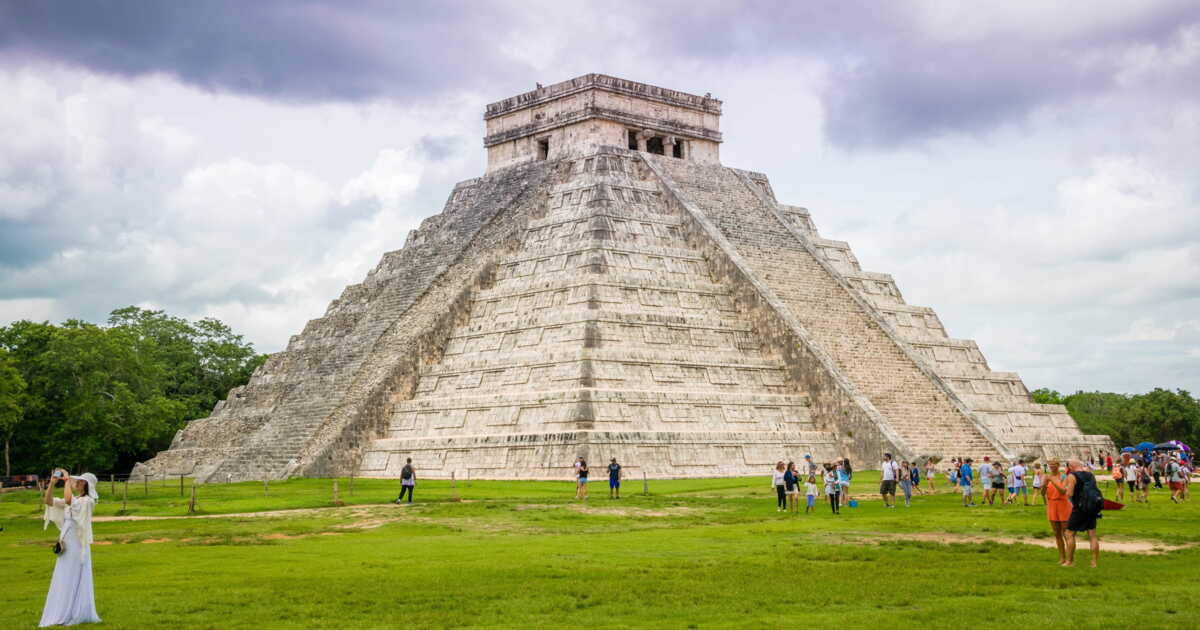
Starting with Chichén Itzá, at the heart of the Yucatán Peninsula, allows you to approach the pre-Columbian heritage through a structured reading of the ancient city, dominated by the Kukulcán Pyramid, whose architecture testifies to Maya ritual and astronomical knowledge.
Walking through the temples and the ball courts, guided by local guides, offers a methodical understanding of religious and civil practices, in an environment that remains one of the region’s most iconic landmarks.
A useful tip is to arrive early to avoid the crowds, especially those arriving from Cancún or Tulum after two to three hours on the road, while taking advantage of the morning light that highlights the architectural volumes. This immersion in the Maya past enhances the cultural reach of the trip across the peninsula.
2. Discover the Mysterious Cenotes
The cenotes of the peninsula are a singular geological resource, offering travelers direct access to natural freshwater formations of remarkable purity. Whether it’s the Gran Cenote (located in the neighboring state of Quintana Roo), Ik Kil, or more intimate sites such as Oxman (both in the state of Yucatán), each presents an immersion in a karstic environment, suitable for swimming or observing the hydrological systems.
These cavities, often accessible by paved trails, fit into a logic of discovery that complements the major nearby archaeological sites such as Ek Balam or Coba, enriching the exploration of the peninsula. By moving away from the coastal tourist zones of Cancún or Tulum, this approach offers a different face of the region, more subterranean and intimate.
3. Stroll Through the Streets of Mérida
As the cultural capital of the state of Yucatán, Mérida offers an urban landscape that harmoniously blends colonial heritage with Maya influences, manifested in its markets, palaces, and museums arranged along structured axes such as the Paseo de Montejo.
Its lively streets provide a gradual approach to local artistic expressions, reinforced by a vibrant cultural life that comes alive in the evenings on public squares.
This city serves as a strategic base to organize excursions to the cenotes, nearby archaeological zones, or traditional villages of the peninsula. Between the beaches of the coast and inland cultural sites, Mérida embodies the urban and patrimonial dimension of a well-planned journey.
4. Relax on the Beaches of Tulum
The beautiful beaches of Tulum, located on the Caribbean coast, offer an ideal setting for an immersion in a preserved coastline, characterized by fine white sand and turquoise waters bordered by a sometimes rough sea. In addition to beach relaxation, the pre-Hispanic ruins perched above the sea allow for a combination of cultural discovery and landscape observation.
This blend of natural and patrimonial resources makes Tulum a key element of a well-structured itinerary. The contrast between white sand, marine life, boat trips, and traces of Maya civilization gives this stage a rich and thoughtful balance.
5. Explore the Wildlife and Flora of Río Lagartos
The Río Lagartos Reserve serves as a privileged natural observatory for studying local biodiversity, especially for watching flamingos and mangrove ecosystems. Boat excursions, led by specialized guides, provide an educational framework to understand the interactions between fauna, flora, and wetlands in a region particularly conducive to ornithology and nature photography. This visit fits into a broader approach to the Yucatán Peninsula, which also includes its ecological, insular, and lacustrine dimensions.
6. Walk in the Footsteps of the Ancients at Uxmal
Less frequented than Chichén Itzá, Uxmal offers a calmer approach to the Puuc architecture, characterized by the ornamental elaboration of buildings such as the Devin Pyramid or the Governor’s Palace. This visit, ideally undertaken at opening time in the morning to avoid the heat of midday, highlights Maya architectural mastery while providing a contextual reading of the site, complementary to the ones offered at Ek Balam or Coba. Including Uxmal in your trip broadens the range of archaeological sites you can explore while maintaining a pleasant travel pace.
7. Venture into the Jungle at Coba
The Coba site, buried within the dense jungle vegetation, offers an exploration route that blends walking or biking with a gradual discovery of its ceremonial structures, among which the Nohoch Mul pyramid stands out. The network of ancient paths, still legible, helps understand the Maya urban layout and its interaction with the forest environment, offering a perspective different from more open cities like Chichén Itzá.
8. Sail to the Islands of Holbox and Cozumel
The islands of Holbox and Cozumel, accessible from the coast by ferry, offer two distinct visions of the insular environment of the peninsula. Holbox, renowned for its laid-back vibe and seasonal whale shark viewing, serves as a preserved space conducive to walking. Cozumel, meanwhile, is especially prized for its coral reefs, providing an ideal entry into marine ecosystems through diving.
9. Lose Yourself in the Colors of Valladolid
The city of Valladolid, whose historic center is characterized by houses in vivid hues and cobblestone streets, offers a tangible illustration of the peninsula’s colonial heritage. Its central position makes it easy to connect the major archaeological sites and the surrounding cenotes.
10. Savor Yucatán Gastronomy
Regional cuisine, characterized by iconic dishes such as Cochinita Pibil or Sopa de Lima, constitutes an essential facet of the cultural experience. The markets of Mérida and Valladolid offer lively opportunities to discover local ingredients and typical spices, while dedicated workshops or haciendas will introduce you to authentic traditional culinary techniques, thus complementing the exploration of the historical sites.
11. Exploring Cancún in the Yucatán: Beaches, History and Adventures in One Trip
Cancún, the tourist heart of the peninsula, captivates with its beautiful beaches, its facilities and its position as a starting point to reach, after a few hours of travel, numerous archaeological sites like Chichen Itzá, Coba and Ek Balam. Travelers can also take boat trips to Isla Mujeres or venture toward cenotes. Excursions to Bacalar and its turquoise lagoons or birdwatching for pink flamingos in the region offer a total immersion in nature.
In summary, the Yucatán is a multifaceted region, offering cultural treasures, unique natural landscapes, and a rich culinary scene to discover. Whether you are a history buff, a nature lover, or simply seeking relaxation, this Mexican destination holds countless surprises. Take advantage of each facet to live a comprehensive, enriching experience.
Is the Yucatán Really Worth It? Explore the Treasures of This Peninsula
Questioning the value of a trip to the Yucatán is already opening the door to an exceptional adventure. This peninsula, at the crossroads of Cancún’s beaches, major archaeological sites (Chichen Itzá, Coba, Ek Balam) and cenotes, is one of the richest regions in Mexico.
Visits to ruins, swimming in fresh waters, a boat trip to Isla Mujeres or a stop in Mérida compose a varied itinerary. Whether you are on a road trip or a longer, slower stay, travelers converge: the peninsula is well worth the detour.
What to Do in Yucatán When It Rains? Exciting Discoveries Despite the Weather
Even in rainy weather, the region does not lose any of its charm. The underground cenotes provide a natural shelter for an unforgettable swim. Archaeological sites such as Ek Balam or Chichen Itzá remain accessible with good rain gear, as do the museums of Mérida. If a downpour hits Cancún, explorers’ tips suggest sheltering in the city’s superb Maya Museum or wandering through its covered art galleries and shopping centers.
Family-Friendly Must-Do Activities in the Yucatán: Adventures for Young and Old
The peninsula is an ideal destination for families. A swim in cenotes enchants children and relaxes parents. Visits to ruins such as Chichen Itzá, Ek Balam or Coba offer a broad historical immersion. The sheltered beaches of Cancún or Isla Mujeres are perfect for family downtime, offering calm, shallow waters (unlike Tulum’s beaches, which are better suited to adults and confident swimmers due to their waves and currents).
What to Do in Yucatán in the Evening? Enjoy Lively Evenings Between Culture and Relaxation
The Yucatán doesn’t sleep after sunset. Evenings in Mérida or Cancún reveal a cultural richness: outdoor concerts, traditional dance performances, or night markets. In the beach towns of Tulum or Isla Mujeres, you enjoy a more relaxed atmosphere around dinners facing the beautiful beaches.
Some boat excursions, notably to Bacalar, offer sunset cruises, a privileged moment to observe the pink flamingos. For history enthusiasts, visiting a archaeological site like Chichen Itzá at night, when a sound and light show is organized, remains an unforgettable experience.
What Budget to Plan for 15 Days in the Yucatán? Estimating Costs for a Full Trip
Organizing a 15-day stay in the Yucatán requires a good estimate of the costs. In a Yucatán road trip mode, expenses vary according to accommodation (from a seaside resort to a hostel), transportation (rental car, boat, excursions), meals, and visits to ruins such as Chichen Itzá, Coba, or Ek Balam.
Plan for a daily budget of 50 to 150 €, depending on your comfort. The cenotes of the Yucatán, must-see like the Gran Cenote, often require a small entry fee (5 to 10 €). On the activity side, cruises to Bacalar, strolls to the beautiful beaches of Tulum or Cancún, or the discovery of the pink flamingos of Celestún enrich the stay.
Although certain tourist zones of the Yucatán are very busy, it is essential to stay informed about safety. The main beach towns like Cancún, Tulum, and Bacalar are generally safe for tourists, but it is advisable to heed local recommendations and avoid certain isolated areas at night.
Trips to the archaeological sites, the cenotes of the Yucatán, or a boat ride along the coast are conducted safely when organized with certified guides. By planning your stay carefully and favoring well-known routes, the Yucatán remains a top destination for tourism, combining culture, nature, and relaxation without compromising safety.
This article was drafted with the help of artificial intelligence, then revised, expanded, and validated by the editors of the publication.