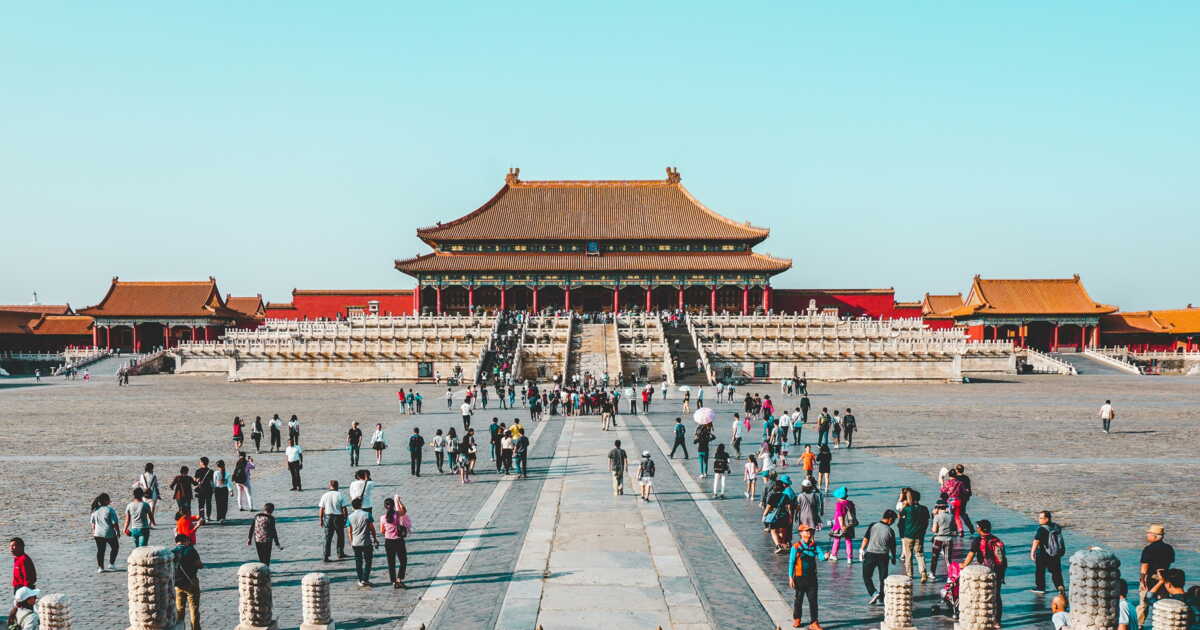
About 35 million foreign tourists entered China in 2025. The figures from the previous year were already higher than those recorded before the pandemic, but those for 2026 look even more promising. In the first half of the year, 18 million visitors from visa-free countries visited the Middle Kingdom, pushing foreign arrivals up by 20%. For Claire Thum, a young Singaporean who chose to travel to this territory after seeing enticing videos on social media, “the first step was to set foot in Shanghai”.
According to Bloomberg, on Wednesday, August 12, the traveler announced she is already preparing a new expedition to Yunnan, Xinjiang and Harbin. The intensive campaign conducted by Beijing on social media, in the hope of changing the country’s image, which had been tarnished in particular by the pandemic, is working.
The Triumph of a More Aggressive Communications Campaign
Since 2023, China has gradually introduced visa exemptions for nationals from 50 countries, including France, and is spending more to promote its cities on Western platforms, including those normally blocked in China, such as X (the platform formerly known as Twitter) and TikTok. Chongqing is positioning itself, for example, as an essential online destination, while visitors are encouraged online to discover Huawei, DJI, Pop Mart stores or hot-pot restaurants. To simply embrace the “Chinamaxxing” trend!
“China becomes more vibrant, richer and more attractive when international tourists no longer limit themselves to traditional tourist sites but begin to immerse themselves in local daily life. It is in this way that they discover authentic China”, says Bobo Rok, founder of the AI-powered travel guide Kora.
“The rise of inbound tourism gives the country the soft power it has been seeking for years. I have heard several recent visitors say that, in their eyes, Shanghai is the new Tokyo”, adds Olivia Plotnick, founder of Wai Social, a Shanghai-based agency.
Economic Benefits and Persistent Problems
While domestic consumption remains fragile, foreign tourists spend much more than before in Chinese stores. In Shanghai, foreign visitors can represent up to 70% of the footfall in some Miniso stores at certain times, according to Bloomberg. China nevertheless remains far behind the world’s major tourist revenue powers. Locally, purchases by international visitors account for less than a third of those recorded in the United States.
Moreover, the return of tourists has not managed to erase other challenges. In major Chinese cities, payments, heavily digitized, can become complicated for a foreigner without a local bank account, phone number or local electronic wallet. The absence of certain Western apps further complicates foreigners’ movements. And the country’s political image may still deter. “I did not expect a regime so omnipresent and omnipotent. Cameras everywhere, police everywhere”, recounts Virgile Kebaïli, a 23-year-old French student, who nevertheless says he is ready to return.
Having regained its place on the world tourism map, Beijing must now succeed in turning this spike of curiosity into a truly sustainable movement.