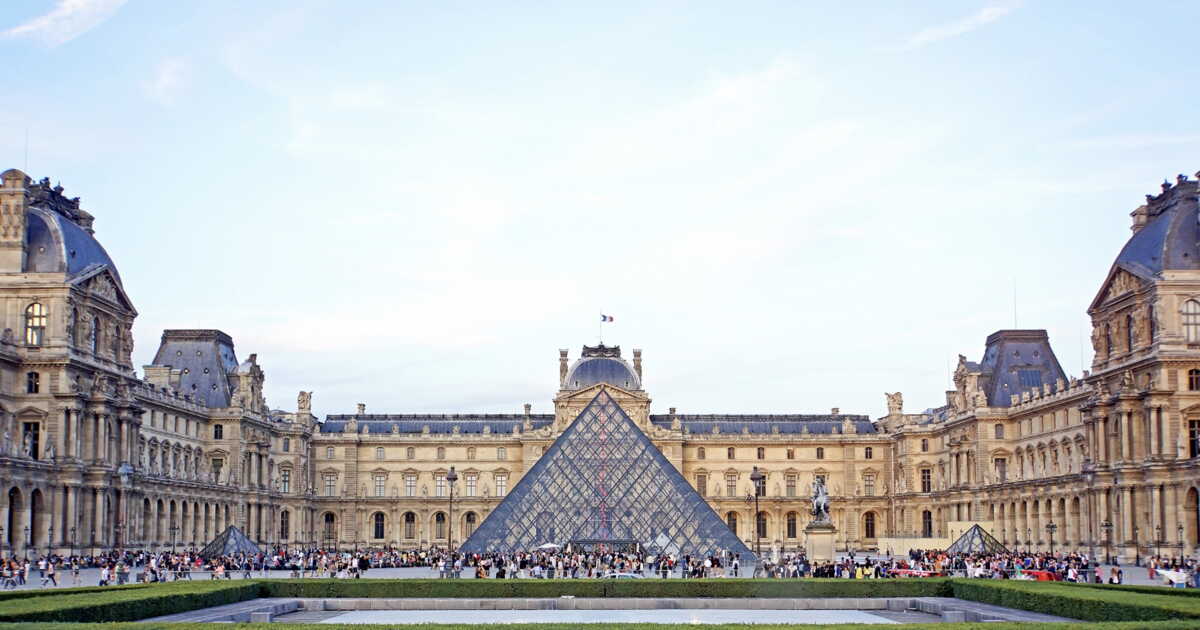
In Europe, spectacular thefts of historical pieces are multiplying, forcing museums to rethink their security measures. After the Louvre burglary, several institutions have already removed valuable objects from their display cases or decided not to exhibit them. It is a development that could permanently alter the visitor experience, sometimes depriving audiences of emblematic treasures from their destination. Between reproductions, reinforced vitrines, and restricted access, institutions must now strike a balance between protecting heritage and public access to the works. At the expense of the public?
Iconic Treasures Replaced by Reproductions
The theft of the Crown Jewels at the Louvre, in October 2025, drew attention for its audacity. But the Parisian museum is far from the only European institution facing this phenomenon. On August 27, 2026, the Villena Museum, in the southeast of Spain, was the victim of a burglary in which thieves stole nearly 10 kg of Bronze Age gold objects. In July, the Vix torque, a Celtic gold necklace weighing 480 g, was also stolen from a museum in Burgundy. A few weeks later, four paintings were stolen from the Renoir Museum in Cagnes-sur-Mer, two of which remain missing.
According to Jean-Yves Goriou, head of the Organized Crime Unit at the European Union Agency for Law Enforcement Cooperation (Europol), data provided by member states reveal “a clear and rapid increase in museum burglaries since around 2022-2023”. Some thefts are now accompanied by particularly violent methods, such as the use of axes, sledgehammers or explosives, or even assaults against staff.
Facing this threat, museums are forced to revise their practices. France’s security plan for cultural establishments, which includes 33 measures, notably provides for temporarily removing the most vulnerable works from display, while implementing appropriate protections.
Some institutions are already favoring this approach. After an armed robbery in 2024, the Hiéron Museum in Burgundy stopped displaying its most precious pieces. Others, like the Cognacq-Jay Museum and the Carnavalet Museum in Paris, have replaced high-value jewelry with less expensive objects during exhibitions.
The use of reproductions could also expand. Two copies of the Vix torque existed even before its theft, one of which had been lent to another exhibition to avoid moving the original. If visitors can still discover certain objects, the presence of a copy does not necessarily generate the same interest. Guy Turton, director of audience strategy at the MHM agency, told the BBC the importance of authenticity, which allows people to feel “the impression that another human being created, used or encountered the same object, sometimes centuries earlier”.
Visits More Framed to Protect Heritage
The increase in thefts could also transform the conditions under which the remaining accessible works are observed. To limit risks, museums can, for example, install reinforced display cases, increase the number of guards, or impose a greater distance between visitors and the exhibited objects.
In the United Kingdom, the recommendations of the public collections insurance framework specify that portable, high-value items, such as gold and silver jewelry, should be kept in locked display cases equipped with alarms. Some pieces must also be positioned at least one meter away from the public. In the absence of sufficient staff to supervise them, the affected rooms may be closed.
However, these measures can reduce proximity to the artworks, an important element of the museum experience. Guy Turton explains that visitors engage more with objects when they can approach them, observe details, and look at them from different angles. Barriers that are too imposing risk weakening this bond.
Nevertheless, security measures can also be integrated into the visitor route. At the Rijksmuseum in Amsterdam, visitors can notably watch the live restoration of “The Night Watch” by Rembrandt, protected by a glass panel. A way to make accessible a work that is usually invisible to the public.
Transparency also plays a crucial role. According to Guy Turton, explaining the reasons for using a reproduction or for restricting access can help make these changes acceptable. The challenge for museums now is to protect works that are sometimes centuries old without wholly removing them from public view. A delicate balance, as authenticity and proximity remain at the heart of visitors’ interest.