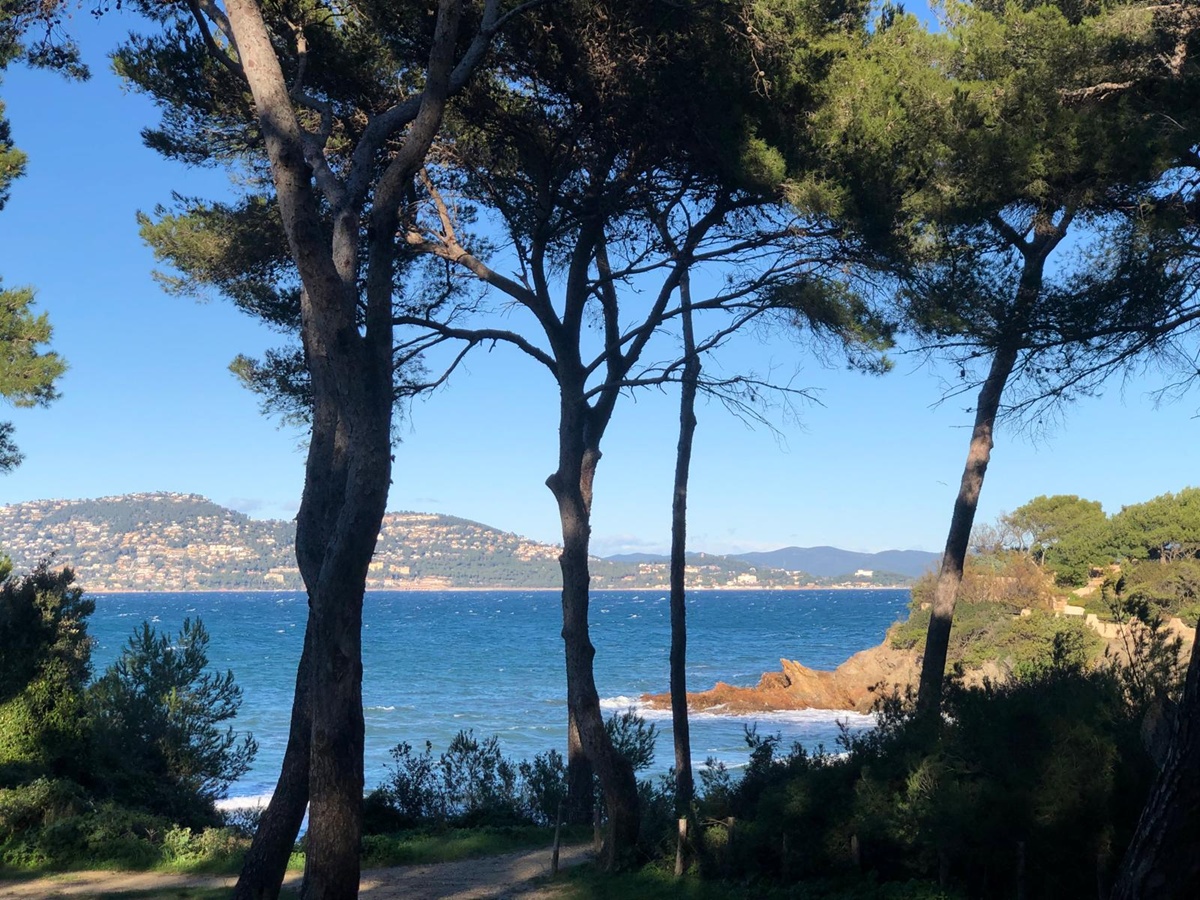


What made our country a pioneer in the legal field concerning coastal zones. Pioneer, certainly, but exemplary? Perhaps not! One more time, we pay the price of years of carefree neglect. Worse still! Those times when we knew better but where the economy took precedence!
People talk a lot about the mountains and their troubled future while the coast, the most beautiful tourist jewel of the Hexagon and many other destinations, is rarely mentioned. Yet, one could live without the mountains in winter but much less so without the sea and its coastlines which continue to be the vacationers’ favorite summer destination… but which are becoming increasingly vulnerable. What is happening? And what happened?
In fact, although celebrated, the anniversary of the Coastal Law is no longer enough. Adopted on January 7, 1986, unanimously, the law aimed to regulate urbanization of attractive yet vulnerable territories such as coastal areas, and rests and still rests on the fight against the proliferation of new constructions, concreting, and soil artificialization. All within a 100-meter wide strip from the shore.
Pertinent and courageous, this legislation arrived, it seems, a little late. It arrived not only after privileged people settled along the seafront with exceptional panoramas, but also and above all at the end of the major coast development missions.
Launched by a state keen to develop the territory by promoting tourism and economic development, the Racine mission for example began in June 1963 with the aim of bringing to life in Languedoc Roussillon no fewer than seven seaside towns that would become among the most popular in Europe.
Within twenty years, Gruissan and Port Leucate in Aude, Port Camargue in Gard, La Grande-Motte and Cap d’Agde in Hérault, Port Barcarès and Saint-Cyprien in Pyrénées-Orientales were born.
On the Atlantic coast: the same strategy. The Interministerial Mission for the Development of the Atlantic Coast (MIACA) was tasked with defining the tourist development of the Atlantic littoral. In two decades, from 1967 to 1988, newcomers like Hourtin, Seignosse, Carcan Maubuisson … became the locomotives of a booming seaside tourism and a housing demand just as prolific.
Globally, according to INSEE, housing in metropolitan France rose from 19 million in 1970 to 36.6 million in 2019. This gives an idea of the scale of the projects and the needs of a growing population that continues to drive the coastal housing stock, which also increased by 45% over the period 1990-2019!
People talk a lot about the mountains and their troubled future while the coast, the most beautiful tourist jewel of the Hexagon and many other destinations, is rarely mentioned. Yet, one could live without the mountains in winter but much less so without the sea and its coastlines which continue to be the vacationers’ favorite summer destination… but which are becoming increasingly vulnerable. What is happening? And what happened?
In fact, although celebrated, the anniversary of the Coastal Law is no longer enough. Adopted on January 7, 1986, unanimously, the law aimed to regulate urbanization of attractive yet vulnerable territories such as coastal areas, and rests and still rests on the fight against the proliferation of new constructions, concreting, and soil artificialization. All within a 100-meter wide strip from the shore.
Pertinent and courageous, this legislation arrived, it seems, a little late. It arrived not only after privileged people settled along the seafront with exceptional panoramas, but also and above all at the end of the major coast development missions.
Launched by a state keen to develop the territory by promoting tourism and economic development, the Racine mission for example began in June 1963 with the aim of bringing to life in Languedoc Roussillon no fewer than seven seaside towns that would become among the most popular in Europe.
Within twenty years, Gruissan and Port Leucate in Aude, Port Camargue in Gard, La Grande-Motte and Cap d’Agde in Hérault, Port Barcarès and Saint-Cyprien in Pyrénées-Orientales were born.
On the Atlantic coast: the same strategy. The Interministerial Mission for the Development of the Atlantic Coast (MIACA) was tasked with defining the tourist development of the Atlantic littoral. In two decades, from 1967 to 1988, newcomers like Hourtin, Seignosse, Carcan Maubuisson … became the locomotives of a booming seaside tourism and a housing demand just as prolific.
Globally, according to INSEE, housing in metropolitan France rose from 19 million in 1970 to 36.6 million in 2019. This gives an idea of the scale of the projects and the needs of a growing population that continues to drive the coastal housing stock, which also increased by 45% over the period 1990-2019!
Forty years on, what assessment?
 Certes, le littoral avait besoin d’être aménagé de façon méthodique, selon des plans ambitieux mais raisonnés, au contraire de ce que subissaient au même moment les côtes espagnoles de la Costa Brava à la Costa del Sol ou les Côtes italiennes de l’Adriatique et déjà celles de Tunisie…
Autant de littoraux qui rêvaient de ce nouvel or bleu capable d’améliorer leur cadre de vie, ouvrir leur pays, accumuler des recettes et générer des centaines de milliers d’emplois de taille à sortir de la pauvreté une partie de la population.
Quant aux ports de plaisance jusque-là plutôt rares, they also began to proliferate along our shores to develop a democratization and densification of a boating activity: nautical tourism.
A ce jour, environ 500 ports ont été construits dans notre pays avec les logements adaptés, often marinas modeled on the American pattern and all the necessary public spaces to host an increasingly motorized public, demanding parking and other commercial spaces.
A lack of foresight
Where is the problem? In fact, France like others, blinded by the mirage of a society in full transition, did not anticipate the changes that some were already warning about.
Wasn’t René Dumont a candidate in the 1974 presidential election under the ecological banner?
A major milestone in the political discourse of the time and the first battles against the excesses of coastal urbanization elsewhere, which also manifested itself through a significant initiative: the creation of the Conservatoire du Littoral in 1975.
A national public administrative body whose mission is to pursue a land policy to safeguard the coastal space, to respect natural sites, and to maintain ecological balance….
It continues today its work of acquisition and preservation, which must be acknowledged as having saved many coastal areas from bulldozers, and you can consult it on the excellent site of the conservatory.
Wasn’t René Dumont a candidate in the 1974 presidential election under the ecological banner?
A major milestone in the political discourse of the time and the first battles against the excesses of coastal urbanization elsewhere, which also manifested itself through a significant initiative: the creation of the Conservatoire du Littoral in 1975.
A national public administrative body whose mission is to pursue a land policy to safeguard the coastal space, to respect natural sites, and to maintain ecological balance….
It continues today its work of acquisition and preservation, which must be acknowledged as having saved many coastal areas from bulldozers, and you can consult it on the excellent site of the conservatory.
A progressive growth of the housing stock between 1990 and 2020
The metropolitan coastline housing stock comprises 4.7 million dwellings, of which 66% are primary residences, 28% secondary residences, and 6% vacant homes.
Brought down to municipal area, the density of housing along the coast is 3.2 times higher than the metropolitan average (206 dwellings per km2 versus 64 dwellings per km2 for the country as a whole).
The Mediterranean coast concentrates the largest number of dwellings (2.3 million), followed by the North Atlantic–English Channel coast (1.2 million), the East Channel–North Sea (0.7 million) and the South Atlantic (0.5 million).
Sources Data Lab. Ministère de la transition écologique
Brought down to municipal area, the density of housing along the coast is 3.2 times higher than the metropolitan average (206 dwellings per km2 versus 64 dwellings per km2 for the country as a whole).
The Mediterranean coast concentrates the largest number of dwellings (2.3 million), followed by the North Atlantic–English Channel coast (1.2 million), the East Channel–North Sea (0.7 million) and the South Atlantic (0.5 million).
Sources Data Lab. Ministère de la transition écologique
The coast in a few figures


Journalist, consultant, speaker, Josette Sicsic has been observing for more than 25 years the shifts in the world to analyze their consequences for the tourism sector.
After developing for more than 20 years the Touriscopie journal, she remains at the heart of current affairs where she decodes the present to forecast the future. On the site www.tourmag.com, in the Futuroscopie section, she publishes several times a week forward-looking and analytical articles.
Contact: 06 14 47 99 04
Email: [email protected]
After developing for more than 20 years the Touriscopie journal, she remains at the heart of current affairs where she decodes the present to forecast the future. On the site www.tourmag.com, in the Futuroscopie section, she publishes several times a week forward-looking and analytical articles.
Contact: 06 14 47 99 04
Email: [email protected]