Nestled between Argentina and the Chili, Patagonia is a unique destination for nature and adventure lovers. With its majestic landscapes, blending mountains, glaciers, lakes and forests, it offers an exceptional setting for memorable excursions. While the beauty of this region is widely recognized, the main question for many remains: what to do in Patagonia? Let’s explore some of the must-do activities and outings to consider for your next trip.
1. Discovering Torres del Paine National Park
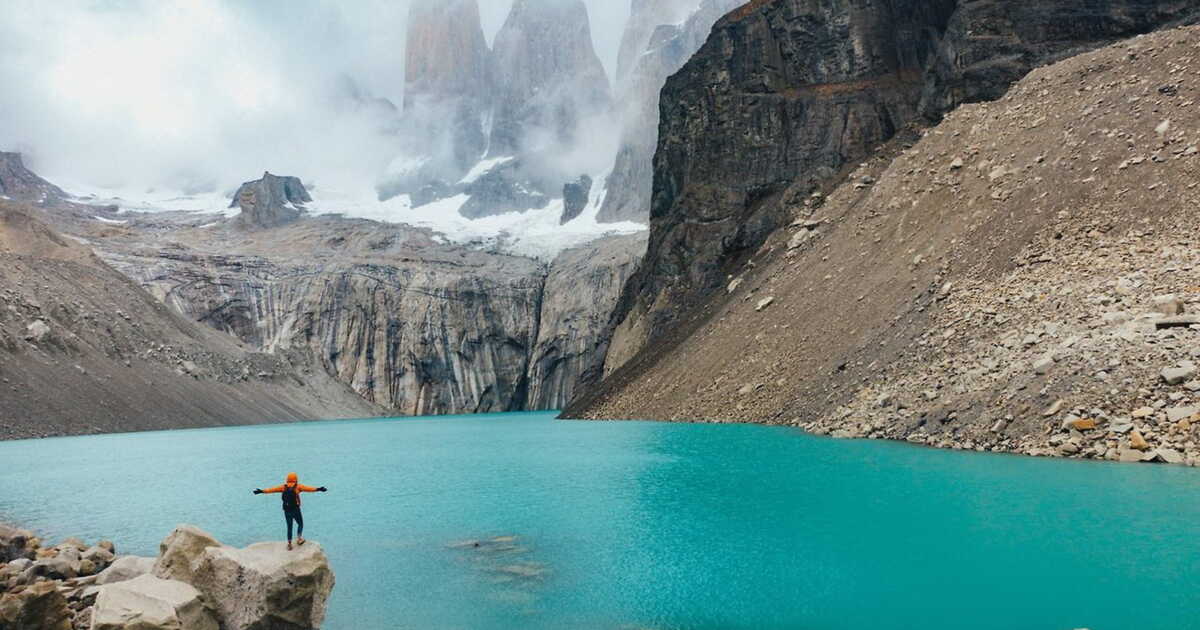
Located in the Chilean part of Patagonia, and right at the heart of the Chilean Side, this national park is a major stop for any Patagonia journey seeking to combine raw nature and adventure. The landscape blends towering granite towers reaching toward the sky, turquoise lakes bordered by Andean forests, spectacular glaciers, and remarkable biodiversity. In this lakes region, the iconic treks – notably the “W Trek” and the “O Trek” – offer vast panoramas: between mountains, ice and water, each step demands immersion in a setting of extraordinary beauty. As a seasoned guide for travelers, whether experienced or new, it is important to properly prepare this Patagonia trip: the weather here is often changeable and capricious, requiring appropriate gear and a good safety margin. Indeed, on the Chilean side, meteorological conditions can evolve very quickly and without warning, making this exceptional place a destination that blends fascination with vigilance.
2. Visit to the Perito Moreno Glacier in Argentina
During a Patagonia trip on the Argentine side, a visit to the Perito Moreno Glacier near the small town of El Calafate stands out as an unforgettable moment. This vast glacier, in perpetual motion, regularly sheds chunks of ice that break away and plunge into the lake. This glacial dynamic illustrates the scale of natural forces in this expansive southern region of Latin America. On site, several options await travelers: paved walkways invite you to various viewpoints over the ice, while boat excursions allow you to approach the glacial front as closely as possible. The surrounding nature reserve is a protected jewel that helps you gauge what pristine nature in Patagonia represents. As you travel through this kind of Patagonia journey, you realize that time seems to stretch differently: the air is crisp, the panoramas are vast, and the notion of the city loses its metropolitan character to become a gateway to the immensity.
3. Trekking in El Chaltén
The town of El Chaltén, nestled in the heart of Argentine Patagonia, is often hailed as the “trekking capital.” This base is ideal for a Patagonia journey focused on walking, exploration, and effort. The trails departing from this town lead toward legendary summits such as Mount Fitz Roy or Cerro Torre, located in the Argentine Lakes Region. The hikes vary from the simplest path to the longer and more demanding “Laguna de los Tres.” When planning this type of Patagonia trip, keep in mind that the weather on-site is highly changeable and the experience remains athletic. On this stretch of Patagonia, the Chilean side can also be considered via cross-border connections to encounter other panoramas. For travelers with a taste for adventure, El Chaltén is a perfect base to fully immerse in the glacial world, Andean forests, and crystal-clear lakes of the region.
4. Exploration of the Valdés Peninsula
Another facet of a Patagonia journey is the discovery of the Valdés Peninsula, on Argentina’s Atlantic coast, which leads us to wild nature with few urban settlements, yet rich in animal life. This area is a true nature reserve, renowned for observing southern right whales, orcas, seals, and penguin colonies: a spectacular immersion into deep Latin America. Weather is also a factor to consider for sea or coastal excursions, as meteorological and marine conditions can be harsh. This is therefore a Patagonia journey suited to travelers eager to explore rugged, less-visited nature, away from large cities, and to soak in a unique marine environment.
5. Journey along the Carretera Austral
For those who want to extend their Patagonia trip and reach the most remote areas of the Chilean side, the Carretera Austral road offers a long-haul experience at the heart of the Lake District. It winds through dense forests, deep fjords, mountains and glacial zones where ice blocks seem to have emerged from another time. This kind of itinerary allows travelers to leave beaten paths, depart from the usual towns, and confront the vastness, isolation, and constant changes of the weather. On this stretch of Patagonia, the notion of a nature reserve becomes fully meaningful: protected space, preserved fauna and flora, and a landscape in perpetual transformation. Even in the very heart of Latin America, the feeling of being at the edge of the world imposes itself with every turn of the road. The ice blocks punctuating the scenery recall the proximity to glaciers and mountain ranges of this extreme land.
The Patagonia is a land of adventure where every corner offers a chance to discover natural wonders. Whether hiking through national parks, admiring glaciers, or observing wildlife, the region offers multiple activities for a rewarding experience. Keeping these ideas in mind, you’re well equipped to plan a memorable trip to this South American region. Get ready to be dazzled by the diversity and unrivaled beauty of Patagonia.
What is the best time to visit Patagonia? Understanding the climate to travel smarter
Planning a Patagonia trip requires a good grasp of weather conditions. This region of Latin America, with its contrasting landscapes, is ideally visited between November and March, during the southern summer. It’s during this period that the weather is most favorable: days are long, temperatures milder, and natural reserves like those on the Chilean side are accessible. Travelers keen to discover the ice blocks of Los Glaciares National Park or hike in El Chaltén benefit from ideal conditions. Outside these months, Patagonian winds can make certain routes impractical. This seasonal choice is essential to fully enjoy the natural riches of this edge‑of‑the‑world region.
How many days do I need in Patagonia? Planning a balanced itinerary between nature and culture
A Patagonia trip deserves time to explore its vast expanses. A minimum of two weeks is recommended to appreciate the diversity of towns such as Puerto Madryn, the nature reserves, and the landscapes of the Chilean side. This sample itinerary includes stops in the Lake District around Nahuel Huapi Lake, hikes in El Chaltén, and an immersion in the wildlife of Punta Tombo. Travelers should also take into account travel time, often long between two points of interest. Whether you come for the ice blocks, wildlife watching, or breathtaking panoramas, careful planning is crucial. For a quicker overview, a one‑week version focused on a single side (Argentine or the Chilean side) remains possible but more limited.
What budget should you plan for a Patagonia trip? Anticipating costs for a worry‑free stay
Preparing your Patagonia budget is essential. Costs vary depending on the season, the accommodations chosen, and travel between locations. For two weeks, a Patagonia trip typically costs between €2,000 and €5,000 per person, depending on the level of comfort sought. This amount includes flights, overnight stays in towns such as Puerto Madryn, excursions to nature reserves, visits to Punta Tombo and the Lake District with Nahuel Huapi Lake, and meals. Trekking enthusiasts in El Chaltén or adventure on the Chilean side should also budget for internal transportation. Costs may be lower for independent travelers or higher for those opting for guided tours.
Where is Patagonia? An immersion into a legendary region of Latin America
Patagonia spans two Latin American countries: Argentina and Chile. This vast southern region of the continent offers landscapes of striking diversity. On the Chilean side, fjords, humid forests, and parks like Torres del Paine attract lovers of nature reserves. In Argentina, towns such as Puerto Madryn, a gateway to Punta Tombo, or El Chaltén, at the foot of Fitz Roy, are must‑sees. The Lake District, dominated by Nahuel Huapi Lake, is a natural jewel to discover. Between arid steppes and monumental glaciers, Patagonia fascinates all travelers in search of authenticity.
Traveling in Patagonia: what to plan before you go?
Traveling in Patagonia requires careful preparation. Beyond the weather and budget, it is important to plan your itinerary around interests: wildlife at Punta Tombo, hikes in El Chaltén, exploration of nature reserves, or the contemplation of Nahuel Huapi Lake. Travel time, access to distant towns, and the possible crossing to the Chilean side must be anticipated. Savvy travelers will thus be able to make the most of their Patagonia adventure, whether they explore Argentina or the Chilean side.
This article was drafted with the help of artificial intelligence, then corrected, supplemented, and validated by the editors of the newsroom.