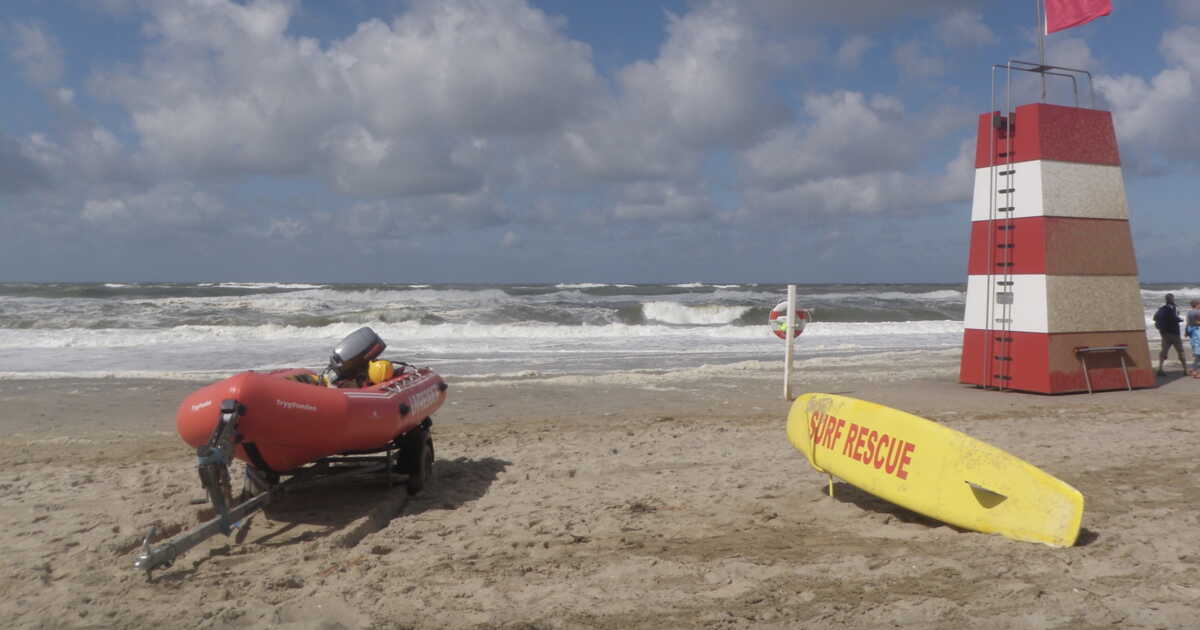
At first glance, there is nothing about this coast that sets it apart from any other North Sea shoreline battered by wind. Yet, for about thirty years, it has built a solid reputation among surfing enthusiasts. Today, this region is undergoing a new metamorphosis: alongside wind-surfing schools and wild beaches, there are now Michelin-starred restaurants, contemporary art galleries, and even an outpost of the National Gallery of Denmark.
An evolution that makes “Cold Hawaii,” in Denmark’s Jutland, one of the most remarkable destinations in Northern Europe.
Waves That Changed the Destiny of This Danish Coast
The name may provoke a smile, but it has become a true hallmark. The expression “Cold Hawaii” appeared in the 1990s within the international surfing community, before being popularized by windsurfing world champion Josh Stone. This Danish coast owes its nickname to the contrast between its renowned waves, likened to those of Hawaii, and the frigid North Sea climate, and it designates nearly 50 kilometers of coastline between Hanstholm and Agger, where 31 official surf spots line the shore.
Here, there are no palm trees or turquoise water. The beaches stretch at the foot of the dunes, heathlands, and the forests of Thy National Park, the first national park in Denmark. The sea temperatures also necessitate wearing a wetsuit for much of the year, but that does not deter surfers, windsurfers, or stand-up paddle enthusiasts from enjoying the conditions offered by the North Sea.
The village of Klitmøller has become the nerve center of this scene. Each year, it hosts an international surfing competition and sees practitioners from all over Europe pass through. Surrounding this activity a new economy has developed: specialty shops, surf schools, coworking spaces, spas, and even a wine bar have gradually replaced the image of a simple coastal village. Several artists have also chosen to settle there, including the Danish visual artist Jeppe Hein.
The transformation is also evident in Vorupør. Once almost exclusively fishing-oriented, the village now attracts Danish, German, and Belgian visitors. New accommodations, restaurants, and shops are multiplying, without the sector losing its peaceful atmosphere, especially outside the summer season.
A Destination That Now Bets on Gastronomy and Contemporary Art
While Cold Hawaii remains a favored destination for water-sports enthusiasts, the region is now seeking to appeal to culture and gastronomy lovers. In 2022, chef Nicolas Min Jørgensen opened the Tri restaurant, awarded a Michelin star just one year later. His cuisine relies almost exclusively on local resources: North Sea fish and seafood, products from the nearby Limfjord, and ingredients gathered in Thy National Park.
The cultural development is equally spectacular. In 2025, the National Gallery of Denmark opened SMK Thy, an outpost installed in Doverodde, about a thirty-minute drive from Vorupør. The venue occupies a 42-meter-high grain silo dating from the 1960s, completely refurbished to host exhibitions. Visitors can notably discover the Living Landscapes exhibition, shown until October 18, which brings together works by Claude Lorrain, Edvard Munch, and the Danish artist Rasmus Myrup.
This surprising installation in a rural region has nevertheless quickly found its audience. “It’s hard to understand how the National Gallery of Denmark ended up in this peaceful region of Jutland, but it is already enjoying real success”, writes journalist Alice Godwin in The Guardian.
Just a few kilometers away, on the other side of the Limfjord, another project confirms this momentum. Opened in 2023 in an old barn on the medieval Boddum Bisgaard estate, the Kunsthal Thy gallery presents works by Danish and international artists specializing in sculpture, video, or contemporary installations.
For a long time regarded as a discreet destination reserved for surfing enthusiasts, Cold Hawaii is thus establishing itself as a territory where nature, gastronomy, and contemporary creation now progress in concert. A distinctive identity that allows this stretch of the Danish coastline to stand out from the country’s more frequented seaside resorts.