
The group journey has not spoken its last word. It is evolving, just as travelers, agencies and the ways of discovering a destination are evolving. In a world where everything seems bookable in a few clicks, the need to travel together, to share an emotion, to discover a culture with others, and to feel accompanied remains profoundly current.
At Únia Travel, this conviction guides the vision of tomorrow’s receptive partner: a hands-on ally capable of helping agencies design travel experiences that are more personalized, more reliable and more meaningful.
Group travel answers a need that will not disappear
We sometimes hear that group travel is coming to an end, as if new generations will inevitably travel solo, organize everything online, and do without support. At Únia Travel, we do not share this view.
Group travel still has a future because it answers a profoundly human need: the need to share, to meet, to exchange and to experience something together with others. Traveling is not just about moving from one point to another. It is about creating shared memories, discovering a culture with a guided perspective, being surprised by a meeting, a tradition, a flavor or a local story that one might not have found alone.
Even future generations will crave connection. They will likely want travel that is freer, more immersive, closer to the local culture. They will want to understand more, experience deeper moments, and feel like actors in their own journey. But that does not mean the end of the group. It means the end of standardized groups.
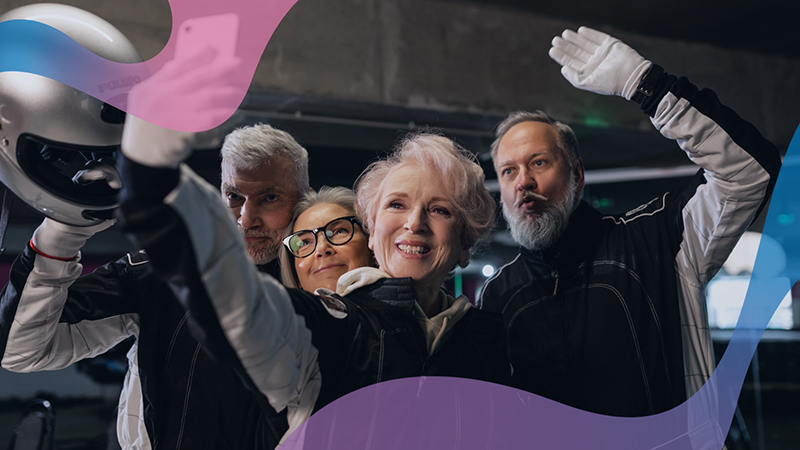
The group journey of tomorrow will be more personalized, more flexible, and better aligned with travelers’ real profiles. For agencies, this evolution represents a real opportunity, but it also requires more guidance, more anticipation, and a precise knowledge of the terrain. This demand is especially important for French-speaking senior groups, where pace, comfort, quality of meals, travel times, and accompanying support play a crucial role in the success of the stay.
Group travel still has a future because it answers a profoundly human need: the need to share, to meet, to exchange and to experience something together with others. Traveling is not just about moving from one point to another. It is about creating shared memories, discovering a culture with a guided perspective, being surprised by a meeting, a tradition, a flavor or a local story that one might not have found alone.
Even future generations will crave connection. They will likely want travel that is freer, more immersive, closer to the local culture. They will want to understand more, experience deeper moments, and feel like actors in their own journey. But that does not mean the end of the group. It means the end of standardized groups.
The group journey of tomorrow will be more personalized, more flexible, and better aligned with travelers’ real profiles. For agencies, this evolution represents a real opportunity, but it also requires more guidance, more anticipation, and a precise knowledge of the terrain. This demand is especially important for French-speaking senior groups, where pace, comfort, quality of meals, travel times, and accompanying support play a crucial role in the success of the stay.
Tomorrow’s receptive partner can no longer be merely an assembler
For a long time, the role of a receptive partner could be summarized fairly simply: find the right hotels, book the restaurants, coordinate the guides, organize the visits and ensure the program runs smoothly on site.
These tasks remain essential. But today, they are no longer enough.
An agency expects more from its local partner. It needs a counterpart who understands its clientele, its commercial constraints, its deadlines, its positioning, and its objectives. A group program must not only be feasible; it must be coherent, legible, well-paced, adapted to travelers’ profiles, and attractive enough to sell.
For Únia Travel, this evolution is obvious: a receptif must do more than just organize a trip. It must help the agency sell it, secure it, and build customer loyalty. It must become the agency’s eyes and ears on the ground, anticipate constraints, and ensure that every choice serves the final experience of the group.
Receptives capable of advising, personalizing, anticipating, and securing will become even more indispensable partners for tourism professionals.
These tasks remain essential. But today, they are no longer enough.
An agency expects more from its local partner. It needs a counterpart who understands its clientele, its commercial constraints, its deadlines, its positioning, and its objectives. A group program must not only be feasible; it must be coherent, legible, well-paced, adapted to travelers’ profiles, and attractive enough to sell.
For Únia Travel, this evolution is obvious: a receptif must do more than just organize a trip. It must help the agency sell it, secure it, and build customer loyalty. It must become the agency’s eyes and ears on the ground, anticipate constraints, and ensure that every choice serves the final experience of the group.
Receptives capable of advising, personalizing, anticipating, and securing will become even more indispensable partners for tourism professionals.
Personalization begins with listening
In a market where many offerings look alike, personalization becomes a genuine lever of differentiation for agencies.
At Únia Travel, this personalization starts with listening. Who are the travelers? What is their rhythm? What have they already visited? What level of comfort do they expect? Does the agency seek an accessible program, an original experience, an in-depth cultural circuit, or a proposal capable of surprising a loyal clientele?
The answer cannot be the same for everyone.
That is why Únia defends a simple idea: the product must adapt to the client, and not the other way around.
This approach requires field knowledge, proximity, and flexibility. A successful program is not necessarily the one that offers the most; it is the one that finds the right balance between discovery, comfort, pacing, pleasure, budget, and flow.
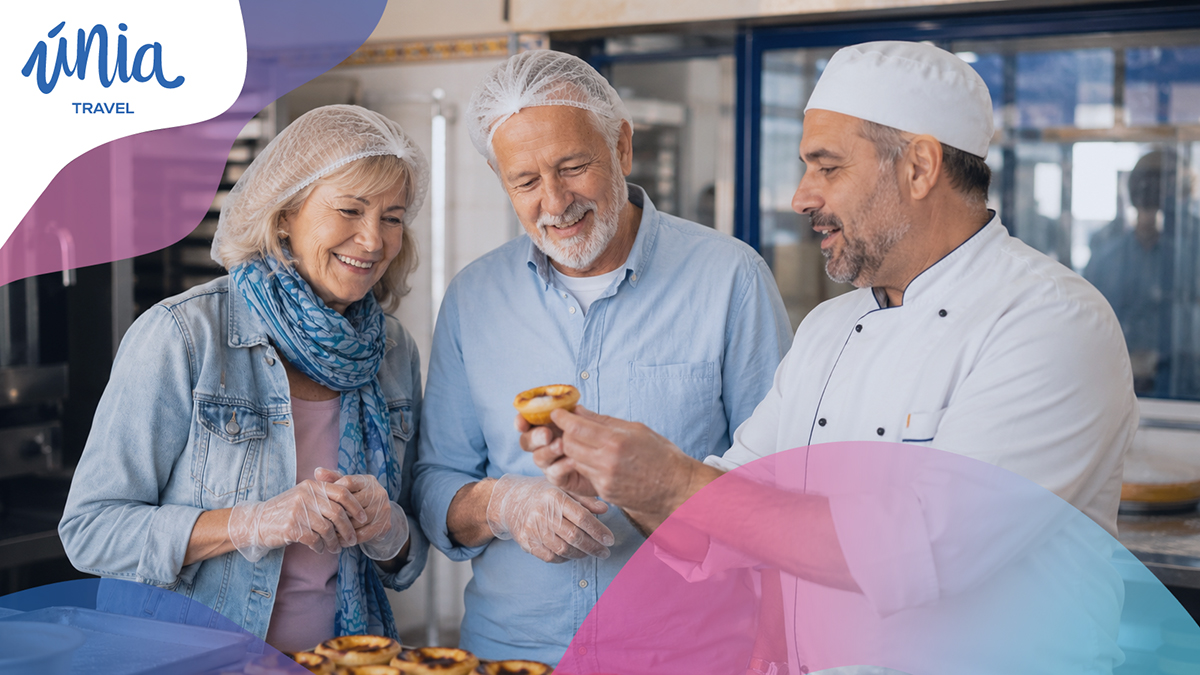
It is in this spirit of personalization and listening that Únia Travel develops more differentiated ideas, notably through the Únia Signature universe: proposals built around local flavors, celebrations, traditions, lesser-known experiences, or themes capable of giving real personality to the journey.
At Únia Travel, this personalization starts with listening. Who are the travelers? What is their rhythm? What have they already visited? What level of comfort do they expect? Does the agency seek an accessible program, an original experience, an in-depth cultural circuit, or a proposal capable of surprising a loyal clientele?
The answer cannot be the same for everyone.
That is why Únia defends a simple idea: the product must adapt to the client, and not the other way around.
This approach requires field knowledge, proximity, and flexibility. A successful program is not necessarily the one that offers the most; it is the one that finds the right balance between discovery, comfort, pacing, pleasure, budget, and flow.
It is in this spirit of personalization and listening that Únia Travel develops more differentiated ideas, notably through the Únia Signature universe: proposals built around local flavors, celebrations, traditions, lesser-known experiences, or themes capable of giving real personality to the journey.
Technology at the service of the field, not in place of it
Talking about the tomorrow’s receptive partner also means talking about technology. But at Únia Travel, technology is not an end in itself. It only has value if it concretely improves the service provided to agencies and the smooth running of on-site operations.
This reflection particularly focuses on new tools that can facilitate exchanges with agencies, speed up certain communication steps, make proposals clearer, and simplify file tracking. The aim is to give professionals more legible, more practical, and easier-to-use supports in their own commercial work.
It also concerns how to better convey information to the various participants in a trip: internal teams, guides, drivers, local partners. A well-prepared, well-shared, and easily accessible file directly contributes to the stay’s success. In group travel, the quality of the experience depends as much on program design as on how precisely information circulates before and during the trip.
Technology should save time, streamline exchanges, organize information more effectively, and improve responsiveness. But it does not replace field knowledge, professional intuition, or human relationships.
A tool can speed up a response, but it cannot sense whether a program is too dense for a senior group, nor know whether a step is enjoyable in theory but not suited in practice. It does not replace the experience of a team that knows destinations, suppliers, the habits of French-speaking groups, and agencies’ expectations.
The modernity of tomorrow’s receptive partner will thus be hybrid: more tools, yes, but still more guidance. More speed, but without sacrificing quality. More structure, but without standardizing the travels.
This reflection particularly focuses on new tools that can facilitate exchanges with agencies, speed up certain communication steps, make proposals clearer, and simplify file tracking. The aim is to give professionals more legible, more practical, and easier-to-use supports in their own commercial work.
It also concerns how to better convey information to the various participants in a trip: internal teams, guides, drivers, local partners. A well-prepared, well-shared, and easily accessible file directly contributes to the stay’s success. In group travel, the quality of the experience depends as much on program design as on how precisely information circulates before and during the trip.
Technology should save time, streamline exchanges, organize information more effectively, and improve responsiveness. But it does not replace field knowledge, professional intuition, or human relationships.
A tool can speed up a response, but it cannot sense whether a program is too dense for a senior group, nor know whether a step is enjoyable in theory but not suited in practice. It does not replace the experience of a team that knows destinations, suppliers, the habits of French-speaking groups, and agencies’ expectations.
The modernity of tomorrow’s receptive partner will thus be hybrid: more tools, yes, but still more guidance. More speed, but without sacrificing quality. More structure, but without standardizing the travels.
Tell us about your projects: we are here to help you build them, adapt them, and succeed with them.
A receptive DMC agency specializing in the design and organization of tailor-made group trips, stays, and guided circuits in Andorra, Occitania, Spain and Portugal.
For your group projects, programmed itineraries, tailor-made stays, or specific requests:
[email protected]
[00376] 720 600
www.uniatravel.com
For your group projects, programmed itineraries, tailor-made stays, or specific requests:
[email protected]
[00376] 720 600
www.uniatravel.com
 |
 |
 |
>> Únia Travel in the DESTIMAG Directory