Table of Contents
-
1. Discovering spiritual and religious culture
-
2. Exploring exceptional natural landscapes
-
3. Enjoying diverse and varied gastronomic delights
-
4. Immersing in the buzz of metropolises
-
5. Relaxing and recharging
-
6. Embarking on adventures to lesser-known destinations
-
7. Discovering historical and archaeological heritage
-
8. Appreciating the diversity of marine ecosystems
-
9. Participating in festivals and cultural events
-
10. Contribution to responsible and sustainable tourism
-
What budget to plan for traveling in Asia?
-
What to do in Asia as a couple?
-
What to do in Asia with children?
-
Asian countries: incomparable cultural and geographical diversity
-
Asian islands: between preserved nature and island spirituality
-
Traveling in Asia: between living traditions and modern discoveries
-
Asian monuments: living witnesses of millennia-old civilizations
Whether you are an experienced traveler or planning your first journey to Asia, this vast continent holds a multitude of captivating experiences.
1. Discovering spiritual and religious culture
Asia is a vast continent where the local culture expresses itself deeply through its ancient religions and beliefs. To discover Asian spirituality is to visit sacred places and iconic sites such as Angkor Wat in Cambodia, Borobudur in Indonesia, World Heritage-listed landmarks, or the renowned Fushimi Inari Shrine in Japan.
These monuments invite reflection on the foundations of civilizations shaped by history, much like Phnom Penh’s historical heritage or the spiritual imprint left by the Mughal Empire with the Taj Mahal in India. For history enthusiasts, every emblematic site in Asia becomes a gateway to myths, rites, and philosophies that still structure daily life in many countries across the continent, from the bustling Thai temples to the most remote Laotian villages.
2. Exploring exceptional natural landscapes
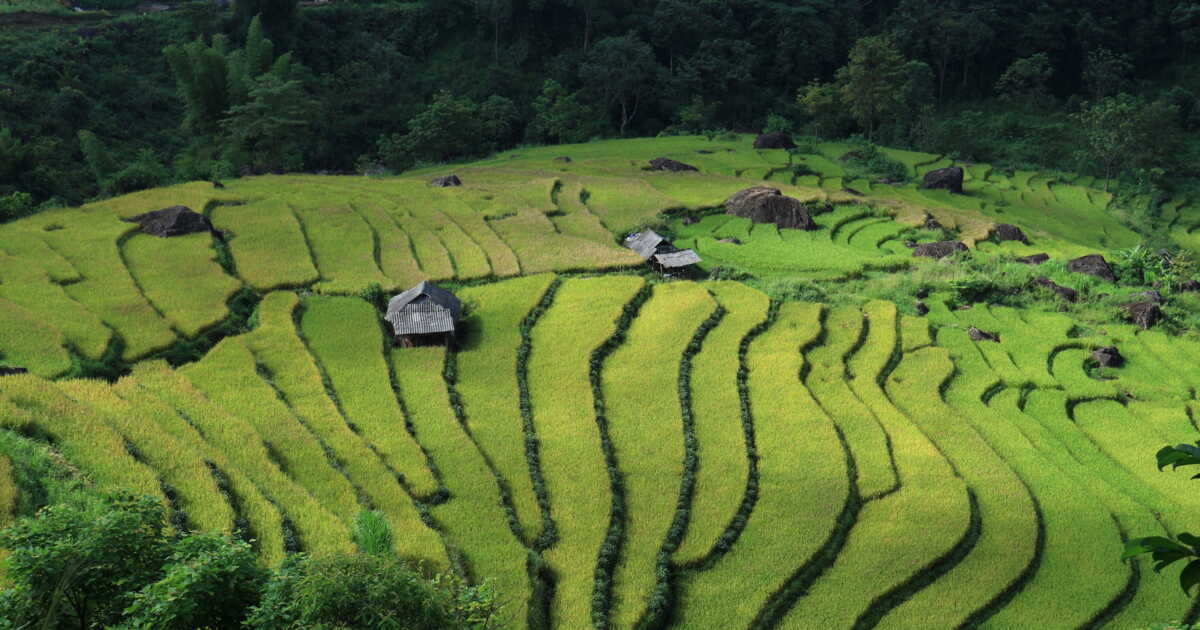
The Southeast Asia region, rich in natural beauty, offers a range of landscapes among the most fascinating on the globe. From the summit of a towering Indonesian volcano to the terraced rice fields of Vietnam, and the karst peaks of Halong Bay in Vietnam, every trip to Asia reveals breathtaking panoramas.
South of Thailand, boat excursions in the Phang Nga Bay let you admire limestone islands rising from the water, while in Laos, jungle treks provide privileged access to a still-pristine nature. These areas of Asia, accessible with minimal effort, allow you to appreciate the variety of landscapes, from deserted beaches to dizzying peaks, far from mass tourism, and represent a smart starting point for exploring the continent.
3. Enjoying diverse and varied gastronomic delights
The culinary richness of Asia alone is a reason to travel. Traveling in Asia often doubles as a culinary journey, as regional cuisines reveal beautiful places where discovery happens through taste. From Vietnamese pho to Indian curries, and the street foods of Thailand, local culture expresses itself in every dish.
In Tokyo, the capital of Japan, cuisine reaches levels of refinement, while in Cambodia one can explore typical markets in Phnom Penh and sample produce rooted in rural traditions. Learning to cook on-site, in a Laos village or in Chiang Mai, extends the experience and yields more than memories: a tangible understanding of an art of living grounded in history.
4. Immersing in the buzz of metropolises
Asian metropolises concentrate technological modernity and cultural depth. A trip to Hong Kong or Singapore reveals dynamic cities where colonial legacies mingle with futuristic districts, while Japan illustrates a captivating coexistence of preserved island traditions and hyper-modernity. These places embody both the past and present of a continent in constant transformation.
In Tokyo, ancient temples sit beside glass towers, illustrating a harmonious coexistence of spirituality and innovation. In Phnom Penh, the city bears witness to Cambodia’s turbulent and often painful history, while in Bangkok urban fervor is felt in floating markets or lively backstreets in the city center. These surprising countries offer visitors immersion in a plural society marked by contrasts and resilience.
5. Relaxing and recharging
Asia has emerged as a premier destination for wellness and reconnection. In the southern Thailand, stays combining traditional massages, yoga, and deserted beaches invite you to disconnect. In India, the cradle of yoga, sacred places conducive to meditation—such as Rishikesh or Varanasi—await. In Bali, Indonesia, off the beaten path, retreats unfold in green settings at the foot of volcanoes, far from mass tourism.
These practices, sometimes rooted in ancient traditions, integrate into a balanced and rejuvenating lifestyle. The effort becomes introspective, the destination becomes self-care, and every journey in Thailand, India, or Indonesia becomes a step on the path to well-being.
6. Embarking on adventures in lesser-known destinations
Exploring Asia beyond the well-trodden routes captures the continent’s essence. The principal island of Luçon in the Philippines, the steppes of Mongolia, or the rainforests of Borneo offer an authentic voyage through varied landscapes still largely untouched by mass tourism.
These Asian places, thanks to their remoteness, enable direct contact with local ethnic groups, immersion in remote villages, and access to a preserved local culture. The Muang Ngoi Neua village, the lands of Sri Lanka, and the wild regions of Cambodia embody this Asia—rich in encounters and lessons in simplicity. Traveling in these areas means choosing a different way to discover Asia—respectful, patient, and deeply humane.
7. Discovering the historical and archaeological heritage
Asia stands out for the density and richness of its historical heritage. Each place tells a story, often complex, sometimes tragic, always fascinating. From the Ayutthaya ruins in Thailand, remnants of a powerful kingdom, to the turbulent history of Vietnam, each site offers a lesson in architecture, politics, and faith. In Phnom Penh, Cambodia’s painful past finds expression in its museums and memorials.
In India, Mughal constructions such as the Taj Mahal illustrate the grandeur of an empire that left a mark on the subcontinent. These emblematic sites, scattered across South and Southeast Asia and often World Heritage-listed, are not mere attractions.
8. Appreciating the diversity of marine ecosystems
Asia’s marine ecosystems harbor remarkable biodiversity, especially within protected areas of Vietnam, the Philippines, or the Indian Ocean. Boat excursions in the Phang Nga Bay, diving among the reefs of Tubbataha, or exploring the atolls of the Maldives are immersive experiences accessible to travelers keen to discover another facet of the Asian continent.
These paradisiacal panoramas, bordered by deserted beaches, allow the observation of rare species like sea turtles in still-pristine environments. It is also an opportunity to enrich an Asian itinerary with an ecological and scientific dimension, complementing cultural or historical routes.
9. Participating in festivals and cultural events
Asian festivals are moments of convergence between past and present, religion and celebration, in countries where tradition remains deeply rooted. The Lunar New Year in China or Vietnam, Holi in India, or the lantern festival Loy Krathong in Thailand are major highlights of regional cultural life.
Joining these celebrations means approaching a living local culture, made of rites, music, dances and shared symbols. These events are ideal for a collective experience, at the heart of cities or in villages, at the pace of the people and their traditional pastimes.
10. Contributing to responsible and sustainable tourism
Engaging in sustainable tourism in Asia means combining discovery with responsibility. Whether through eco-volunteering in Indonesian parks, preserving sacred sites, or participating in community programs in Laos, Asian journeys can have a positive impact.
Choosing responsible accommodations, favoring off-the-beaten-path destinations, understanding local ethnic groups, or promoting iconic sites without over-visiting helps protect the varied landscapes and traditions. This choice demands an effort, but it offers the guarantee of a more authentic journey aligned with current challenges of world heritage and biodiversity.
In summary, Asia offers a stunning range of activities that meet all desires and tastes. Whether for cultural discoveries, outdoor adventures, or moments of relaxation, the Asian continent is a vast stage of enriching experiences. By planning your trip carefully, you can make the most of this multi-faceted continent while respecting local customs and supporting sustainable development.
What budget should you plan for a trip to Asia?
Planning a budget for a trip to Asia largely depends on the countries you visit and the style of stay you envision. In this region, the spending range is particularly wide: a backpacker can discover the beautiful corners of Laos, Cambodia, or Vietnam, while more comfortable travel is easier to achieve in Thailand, the “land of smiles,” or in Japan, where transport and accommodation costs are higher.
On average, a balanced trip typically ranges from 15 to 100 euros per day, depending on comfort level and season. It is wise to budget for boat trips in Phang Nga Bay, jungle hikes, or visits to World Heritage sites like the Taj Mahal in India or Halong Bay in Vietnam.
A journey through Thailand or off-the-beaten-path Indonesia can remain accessible while offering invaluable cultural and natural richness. Asia, with its landscape diversity and varied ways of life, allows you to adapt your budget to your pace and priorities.
What to do in Asia as a couple?
For a trip for two, Asia provides a setting conducive to discovery and shared experiences. Sunsets on the beaches of southern Thailand, boat excursions off Phang Nga, or walks through Laos villages such as Muang Ngoi offer precious moments.
History-loving couples will appreciate the wealth of heritage in India or Cambodia, where Phnom Penh’s history or the majesty of the Taj Mahal in India embody the continent’s memory and spirituality. For a more introspective experience, a journey to Japan invites serenity through sacred places, zen temples, or diverse cityscapes like Kyoto or Tokyo.
Between Indonesia’s active volcanoes, the islands of the Indian Ocean, and Asia’s spots where mass tourism remains limited, couples can craft a tailored itinerary at the right time—blending local culture, sea-side moments, and suspended experiences.
What to do in Asia with children?
Traveling in Asia with kids is both enriching and accessible. Southeast Asian countries like Thailand and Vietnam, or Sri Lanka in South Asia, are especially well suited for family trips thanks to their friendly infrastructures, hospitality, and favorable climate.
Younger travelers can marvel at the spectacular Halong Bay panoramas, see orangutans in Indonesia’s natural reserves, or join boat trips along Cambodia’s desert beaches. Laos’ villages offer direct contact with preserved ethnic groups and accessible local culture.
A family trip is also a chance to introduce younger generations to the continent’s diversity, gastronomy, and history—from Vietnam’s turbulent past to Hong Kong’s colonial heritage. Asia emerges as a safe, educational, and unforgettable adventure ground for both young and old.
Asian countries: incomparable cultural and geographical diversity
Asian countries cover a mosaic of civilizations, landscapes, and traditions among the richest in the world. From Japan to Mongolia, via Thailand, India, Vietnam, Cambodia, and Indonesia, each destination stands out for a strong local culture. You will encounter spirituality at sacred places, Indonesia’s volcanic heights, Sri Lanka’s paradisiacal panoramas, and the diverse landscapes from Laos to Mongolia.
These Asia itineraries offer a glimpse into the continent’s human richness, where tradition and modernity coexist. This surprising continent remains a paradise for culture, nature, and history lovers, inviting you to traverse vast wild expanses and ascend impressive peaks, all while preserving curiosity and the sense of wonder that accompanied you on day one.
Asian islands: between preserved nature and insular spirituality
Each Asian island embodies a unique identity: the beaches of southern Thailand, the temples of Bali, the volcanic landscapes of Java, or the rice terraces of Luzon in the Philippines. These main islands and their more secret neighbours form a network of destinations that blend natural beauty, local culture, and iconic Asian landmarks.
Far from mass tourism, they invite you to discover majestic World Heritage sites such as Borobudur in Indonesia or Anuradhapura in Sri Lanka. The varied panoramas—beaches, mountains, forests, and temples—create a rare diversity in a single region. Whether for jungle hikes, seaside moments, or a deep nature immersion, these islands remain a cornerstone of travel in Asia.
Traveling in Asia: between living traditions and modern discoveries
Traveling in Asia means traversing a continent of contrasts, where urban modernity blends with millennia-old civilizations. Asian journeys offer a starting point to explore the most fascinating Asian locales: the Angkor temples, the Taj Mahal in India, and the imperial cities of Vietnam.
At each step, Asia reveals a local culture of exceptional richness, from Bangkok’s markets to Laos’ villages, from the varied stretches of rice paddies to sacred places perched on mountainsides. Thanks to the diversity of its surprising countries, Asia stands as a destination where you combine effort, contemplation, and learning. This continent allows anyone to absorb the beauty of the world without losing the human dimension of travel.
Asian monuments: living witnesses of millennia-old civilizations
Asian monuments embody the continent’s memory, shaped by spirituality and the power of ancient empires. From the Angkor temples to the Forbidden City, from the Taj Mahal in India, a Mongol-era heritage, to the shrines of Japan, these emblematic sites testify to a fascinating history.
History buffs will find here a unique diversity: Cambodia, India, Japan, Vietnam, and China each offer their own architecture and symbolism, often World Heritage-listed. These emblematic places in Asia, frequently perched high in the mountains or nestled in breathtaking landscapes, extend the memory of the peoples and form an essential introduction to any cultural exploration of the continent.
This article was drafted with the help of artificial intelligence and subsequently refined, completed, and validated by the editorial team.