Table of Contents
-
1. Discovering the Economic Heart: Abidjan, from Banco National Park to the Salam Mosque of Plateau
-
2. Exploring Grand-Bassam, UNESCO World Heritage
-
3. Cultural visit to Yamoussoukro and the Basilica of Our Lady of Peace
-
4. Beach getaway in Assinie
-
5. Wildlife watching in national parks and reserves
-
6. Hiking in the Man Mountains and its waterfalls
-
7. Culinary discovery and local markets like Treichville
-
What attracts tourists to Côte d’Ivoire? An exploration of the country’s cultural and natural riches
-
What are the risks when traveling to Côte d’Ivoire? Understanding to better adapt
Located in West Africa, the Côte d’Ivoire is a country rich in varied landscapes and cultural traditions. From tropical forests to golden Atlantic beaches, and through bustling cities, every corner of the country offers something unique.
Before any international travel, we remind you that it is useful to consult the Travel Advice from the Ministry of Foreign Affairs to understand security and health risks specific to certain areas, and the administrative steps to undertake before your trip.
1. Discovering the Economic Heart: Abidjan, from Banco National Park to the Salam Mosque of Plateau
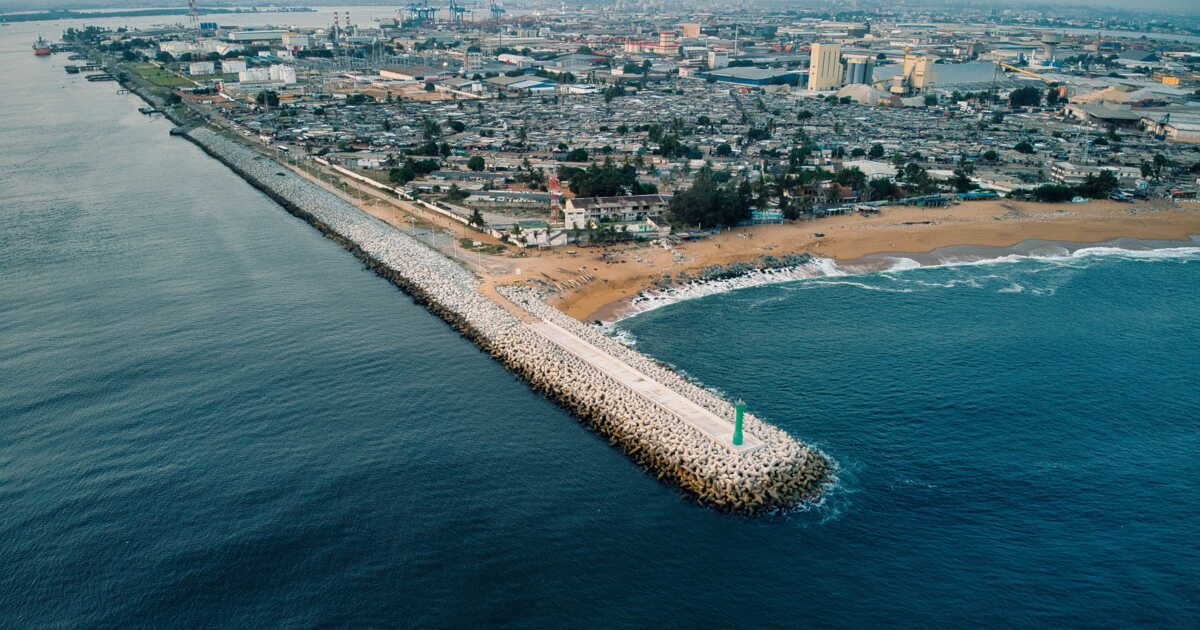
Abidjan concentrates the country’s economic activity while offering a diversity of major cultural sites. The Plateau district, dominated by its skyscrapers, is the ideal starting point for an urban exploration. It houses the great mosque, called the Salam Mosque of Plateau, but also the Saint Paul Cathedral, built along the Ebrié Lagoon.
A few kilometers away, the Banco National Park, a true second primary forest, is home to rare mammal species and represents a unique reserve within an urban area. This contrast between modern urban planning and biodiversity makes Abidjan a cultural and environmental hotspot in the Gulf of Guinea.
2. Exploration of Grand-Bassam, UNESCO World Heritage
Listed as a World Heritage site, Grand-Bassam embodies the Ivorian colonial heritage through its colonial vestiges and the streets of the France Quarter. This coastal town, the country’s first administrative capital, blends historic buildings, a seaside ambiance, and living crafts.
The National Costume Museum, housed in an old colonial palace, presents clothing and objects from the country’s major ethnic groups. After the visit, a stroll through the sandy lanes allows observing everyday life in Ivorians and discovering the fishing villages that line the Atlantic Ocean. It’s a place well suited for a cultural and seaside weekend.
3. Cultural visit to Yamoussoukro and the Basilica of Our Lady of Peace
As the capital and political center of the country, Yamoussoukro houses the Basilica of Our Lady of Peace, inspired by the Basilica of Saint Peter in Rome and commissioned by President Félix Houphouët-Boigny. This architectural masterpiece stands out both for its size and its inland location in the heartland.
Additionally, the visit to the crocodile lake at the presidential palace offers a unique immersion into the symbols of power. A Yamoussoukro-Bouaké route allows extending the discovery northward, notably to Bouaké, located several kilometers to the north, where the craftsmanship of Bouaké artisans meets the cultural diversity of the country’s center.
4. Beach stay in Assinie
Assinie, renowned for its white-sand beaches and its position between sea and lagoon, is the premier seaside destination for a relaxing weekend. This coastal town, sheltered from the hustle and bustle of the city, offers a variety of nautical activities, including a pirogue ride on the calm waters of the lagoon.
Interacting with the fishing villages, enjoying the tranquil climate, and the warm welcome of Ivorians make this stop a genuine moment of relaxation. In addition to lounging, there are various hotels suitable for all kinds of travelers.
5. Wildlife observation in national parks and reserves
Ivory Coast’s wildlife richness is highlighted by its national parks, starting with the Taï National Park, known for its chimpanzee populations and dense forest, and the Comoé National Park, listed as a World Heritage site for the diversity of its mammal species.
Other protected areas, such as the Mont Sangbé National Park in the west, deserve the attention of nature lovers. These sites offer the opportunity to observe wildlife in its natural habitat but often require logistical preparation. Guidance from local guides is recommended to fully enjoy these places.
6. Hiking in the Man Mountains and its waterfalls
In the Man region, dominated by the western mountain range, nature lovers will find ideal terrain for hiking and exploration. The Man Falls, easily accessible, are a popular spot for swimming and photography. The ascent toward the Dent de Man or the Mount Nimba offers spectacular views of the region’s lush green landscapes. Between vine bridges and authentic villages, this area is among the richest in biodiversity in the country, where lucky travelers venturing into the most remote zones sometimes hope to glimpse rare signs of local wildlife.
7. Culinary discovery and local markets like Treichville
The culinary discovery is an integral part of the Ivorian experience, and local markets like Treichville in Abidjan are its most authentic expression. This iconic district allows you to sample local flavors, notably garba, a dish based on cassava and fish, enjoyed in the maquis, these open-air restaurants where the Ivorian way of life shines.
There is also a wide range of handicraft goods, testimony to the skills of Bouaké artisans or Korhogo for a journey into deep cultural roots. These everyday-life spaces are interesting for anyone seeking to understand contemporary Ivorian society.
Côte d’Ivoire, with its diversity of experiences and landscapes, is a must-visit destination for travelers in search of new adventures. From dynamic, cultural cities to relaxing beaches and natural reserves, the country offers a mosaic of discoveries at every turn. While exploring its wonders, remember to follow safety guidelines to make the most of your stay. Set out to discover this fascinating country with the best tips and forecasts for a successful trip.
What attracts tourists to Côte d’Ivoire? An exploration of the country’s cultural and natural riches
What draws visitors to Côte d’Ivoire is the unique combination of a dense cultural heritage and a varied landscape, from the Gulf of Guinea to the inland. The Assinie beaches and Lahou-Kpanda, along the Atlantic Ocean, provide an ideal setting for a seaside weekend, while the fishing villages along the coast illustrate the country’s human richness.
In the center of the country, towns like Bouaké and Korhogo allow encounters with Bouaké artisans and the ancient northern traditions. The western mountain range, led by the Mount Nimba, hosts remarkable biodiversity, while the Bandama River, which crosses the country, structures many rural activities. It is this harmonious contrast between lush landscapes, colonial vestiges, and urban modernity, notably in Abidjan with its skyscrapers, that makes Côte d’Ivoire a comprehensive destination for travelers seeking meaning and broad horizons.
What are the risks when traveling to Côte d’Ivoire? Understanding to better adapt
A trip to Côte d’Ivoire requires a certain vigilance, especially in rural or border areas. In major cities like Abidjan or Bouaké, typical precautions are often enough, but particular attention should be paid to transportation, occasional social movements, and health risks such as malaria.
In some inland areas, infrastructure can be limited, hence the importance of planning your journeys, especially toward Korhogo, even though it is accessible via main road axes. It is recommended to inquire about the local situation, notably with the embassy or through Ivorian tourist authorities.
Nevertheless, for well-prepared travelers, the risks remain limited, and the country offers warm hospitality, embodied by Ivorians, true ambassadors of their land.
This article was drafted with the help of artificial intelligence, then corrected, supplemented and validated by the newsroom journalists.