Meeting in Busan, South Korea, the UNESCO World Heritage Committee has approved the inscription of 25 new sites on the World Heritage List, Time Out reports on Monday, July 27. Nineteen of these are cultural properties, five are natural sites, and a single one is classified as “mixed,” celebrated here for its significance both historically and environmentally. The organization notes that these places now enjoy a “permanent recognition of their importance,” a status designed to safeguard them over the long term. France gains two additional inscriptions with the Normandy D-Day beaches, which include Utah, Omaha, Gold, Juno, Sword, Pointe du Hoc, the Atlantic Wall, and the American Cemetery at Colleville-sur-Mer. The Capetian fortresses of Languedoc also join the renowned roster.
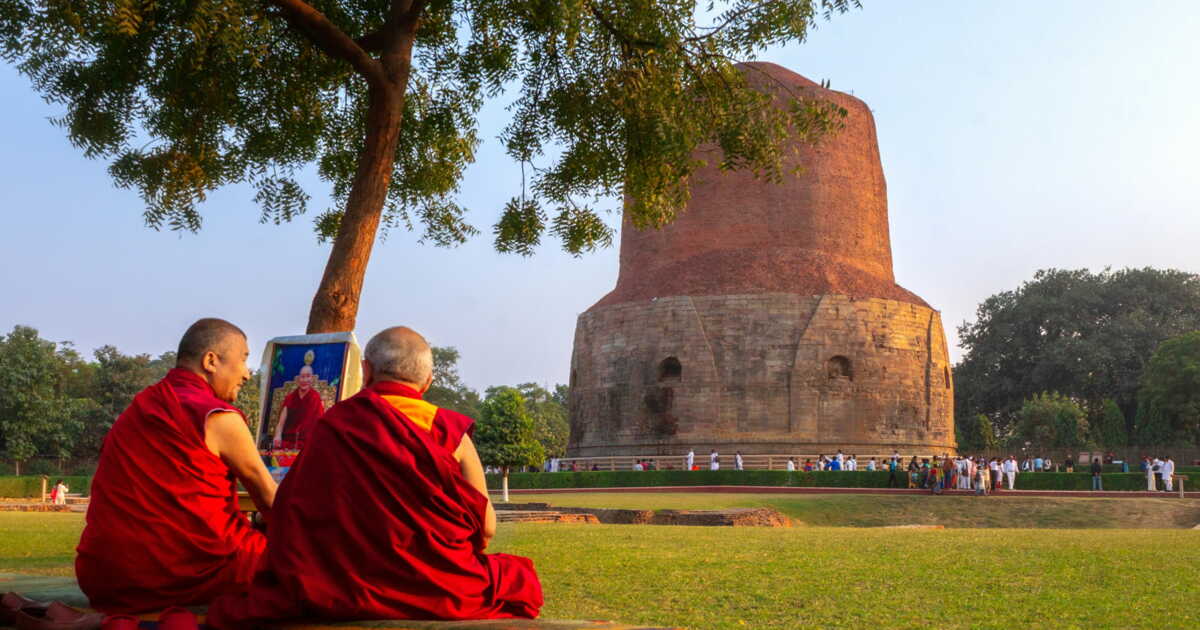
The French inscription is complemented by other cultural sites, such as Alamut Fortress in Iran, the Buddhist site of Sarnath in India, the ancient capitals of Asuka and Fujiwara in Japan, the modernist hub of Gdynia in Poland, the Jingdezhen porcelain workshops in China, the modernist architecture of Tashkent in Uzbekistan, the troglodyte mosques of Mangystau in Kazakhstan, and the theatres en condominio in Italy.
The medinas of the former sultanates of the Comoros, the former plantations of São Tomé and Príncipe, the village of Sidi Bou Said in Tunisia, the Thai temple Wat Phra Mahathat, the theatres of the Brazilian Amazon (La Paz and Amazonas), and the cemeteries of the Xiongnu nobility in Mongolia also figure among the newly recognized sites.
Italian Theatres, a Turkish Village…
Among the other distinguished cultural sites are Alamüt Fortress in Iran, the Buddhist site of Sarnath in India, the ancient capitals of Asuka and Fujiwara in Japan, the modernist center of Gdynia in Poland, the Jingdezhen porcelain workshops in China, the modernist architecture of Tashkent in Uzbekistan, the troglodyte mosques of Mangystau in Kazakhstan, and the theatres in condominium settings in Italy.
The medinas of the former sultanates of the Comoros, the former plantations of São Tomé and Príncipe, the village of Sidi Bou Said in Tunisia, the Thai temple Wat Phra Mahathat, the theatres of the Brazilian Amazon (La Paz and Amazonas) and the cemeteries of the Xiongnu nobility in Mongolia.
Three Emergency Listings
The only mixed site in this edition is Mount Olympus in Greece. Known in myth as the home of Zeus and the twelve gods, the country’s highest peak is also recognized by UNESCO for its biodiversity. “Olympus is the mountain that, through Homer’s epics and ancient Greek literature, carried Greek mythology and Greek civilization into the world,” commented the Greek government after the announcement.
The five newly inscribed natural sites are the Aqaba Marine Reserve in Jordan, the Okefenokee National Wildlife Refuge in the United States, the western Limfjord fish fossils in Denmark, and the Wadi Wurayah National Park in the United Arab Emirates.
Moreover, this 2026 batch is marked by several emergency listings. Directly threatened by ongoing conflicts around the world, the castles of Mount Amel in Lebanon, Sebastia in Palestine, and the Boma-Badingilo migratory landscape in South Sudan underwent an extraordinary procedure that led to their inscription.