Do Museums Have a Future, and Which One Will It Be? [ABO]


Les grands musées sont devenus en deux décennies les vitrines culturelles de destinations qui en étaient privées - DepositPhotos.com, quadrio

CroisiEurope


The Louvre’s recent missteps, brought to the attention of media around the world, bring back to the table the importance of these private, public, national, and municipal institutions that give a destination its fame and the delights of a broad audience comprised of tourists as well as local visitors.

An importance all the more evident since some institutions, like the largest museum that claims to be the Louvre, can falter.

Lootings raise questions about security. Strikes, the discomfort of indispensable staff who are often undertrained and underpaid, tarnish the image of the museum institution.

As for the abundance of crowds too often poorly managed, and the admission fees that can be prohibitively high, they constitute other problems common to the “stars” of the profession.

Thirty-two euros now for non-European visitors is a lot. Way too much! No discounts for seniors, which is unacceptable when our British neighbors or farther afield, in Brazil, offer seniors free admission!

And what about those over 26? They pay full price! Expensive, too expensive!


Audiences: Key Figures

56% of French people visited a museum, an exhibition, or a heritage site in 2024 (versus 51% in 2023) ;

– One in five French people took part in at least one free museum or heritage event in 2024, such as the European Heritage Days, the European Night of Museums, or Nuit Blanche;

– 65% of museum or heritage site visitors believe that Artificial Intelligence (AI) tools can be a valuable complement to traditional devices (labels, audio guides, screens, apps, etc.);

– the appeal of paid immersive experiences is confirmed: 14% of visitors say they have visited an exhibition with a paid immersive route at least once in their life (+5 points compared to the previous survey).

Sources: 2025 Museum and Heritage Audiences Barometer, conducted by Test and the Gece Institute.


The Bilbao Effect: The Tourism Showpiece

Nevertheless, highly visible and prominent in promotional campaigns, the great museums have become in two decades the cultural showcases of destinations that were previously deprived, and they continue to lure not only the public but also elected officials who aspire to turn their cities into a tourist capital.

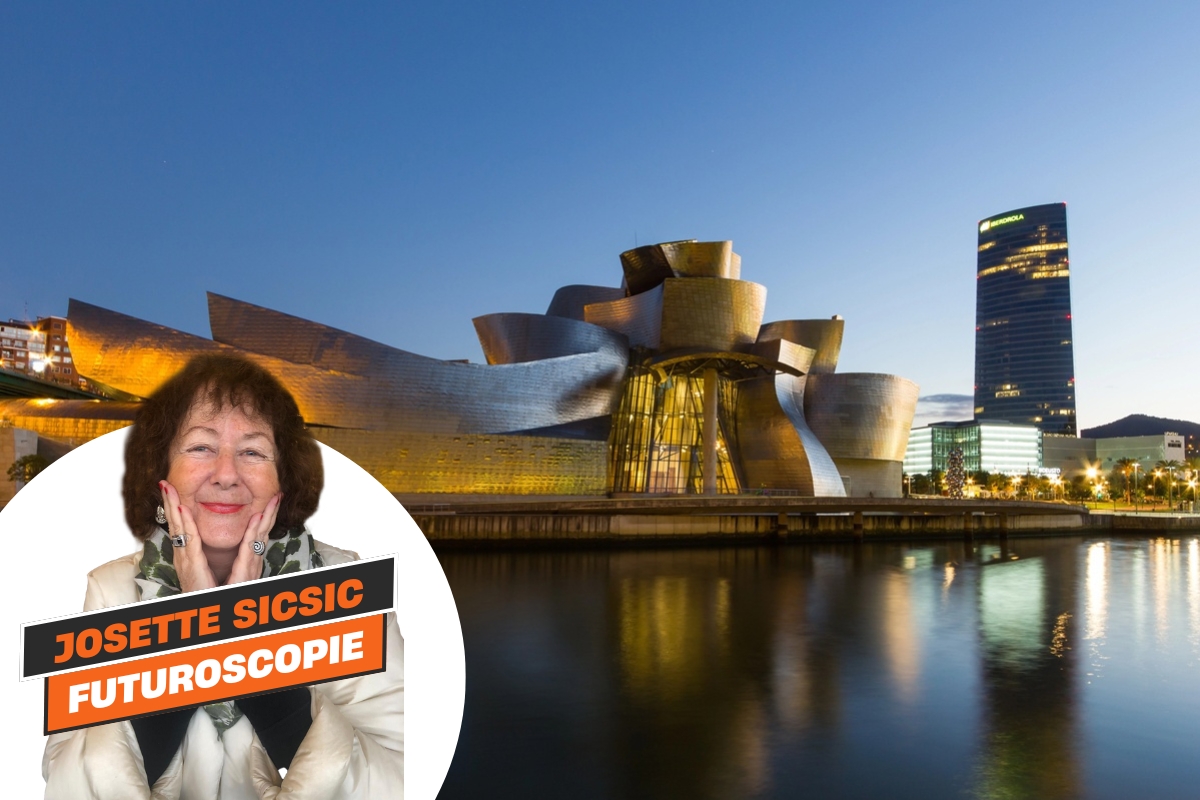
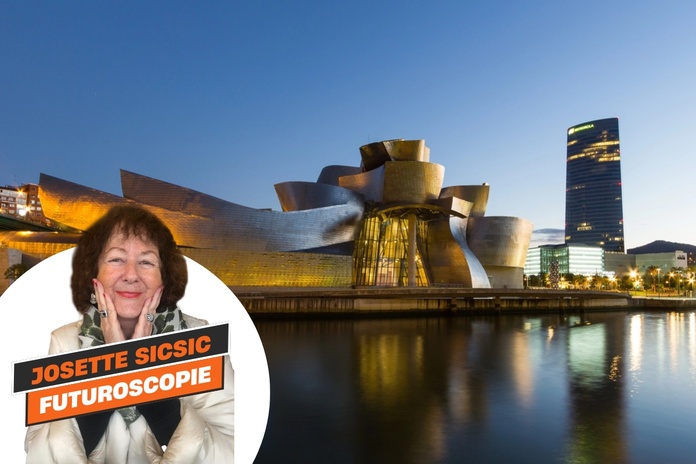
Whether we like it or not, the formidable silhouette of the Guggenheim Museum Bilbao designed by architect Frank Gehry has become so iconic that it sparked a architectural race with new entrants such as the Confluences in Lyon, the MUCEM in Marseille, the Louvre Abu Dhabi, the National Museum of Qatar in Doha by Jean Nouvel, and many others across Saudi Arabia, the USA, and China.

Having become a destination in its own right whose success remains undiminished, the museum has entered both tourist and local practices. Thus, about sixty national museums in France recorded 12 million visitors, a historic record.

The Louvre alone turns around 9 million entries. The museums of the city of Paris also progressed, drawing more than 5 million visitors.

These performances are likely to be surpassed thanks to more dynamic and effective strategies unveiled at the latest Museum Connections, featuring debates, roundtables, and various presentations. Too numerous to list, we will highlight a few.
The Museum for Everyone: A Living Space and Cultural Hub

The focus on accessibility for people with disabilities, a cornerstone for museums for decades, is the visible part of the progress made toward diverse audiences, and that is all to the good.

Moreover, the museum, once perceived as standoffish and closed to more popular crowds, has become a kind of lively place and cultural center for a city or a district.

Through animations, performances, creative workshops, conferences, trips, organized tours… the museum becomes even more attractive by offering an unmissable shop, well stocked with books, magazines, many of which are children’s titles. A smart way to foster loyalty.

As for cafés, tea rooms, and restaurants, they have made enough efforts to become genuine meeting spaces. Their design, menus, and even pricing make them competitive additions.


Museums and Health: A New Role with High Expectations


Spotlight on Museum Connections 2026

Claire de Longeaux, director of Museum Connections, is pleased.

For its thirtieth edition, the excellent fair, which took place on January 13 and 14, 2026, at the Paris Expo Porte de Versailles, progressed notably in the number of exhibitors — 404, of which 40% were international, including Chinese and American participants.

On the visitor side, the tally reached around 6,000 attendees, with 20% foreign participants. It must be said that the success is all the more deserved as the show asks the right questions at the right moments and provides relevant answers to professionals who have been a bit unsettled by ongoing innovations.

« It was a very friendly show, says the director, which facilitated exchanging experiences, especially in terms of welcoming audiences.

Public managers were numerous and eager to share with their peers ideas, strategies, and effective methods. The roundtables and debates were lively and engaging.

Unlike Sitem (International Museum Exhibition, ndlr), which is very oriented toward museum equipment, our show focuses on the visitor experience. Before, during, and after


The next edition is planned for January 12 and 13, 2027.


Josette Sicsic - DR

Journalist, consultant, lectrice, Josette Sicsic has been observing the shifts in the world for over 25 years to analyze their consequences for the tourism sector.

After developing Touriscopie for more than 20 years, she remains at the forefront of current affairs, decoding the present to forecast the future. On the site www.tourmag.com, in the Futuroscopie section, she publishes several times a week foresight and analytical articles.

Contact: 06 14 47 99 04

Email: [email protected]


Amara Nambinga

Amara Nambinga

I write about tourism, culture, and emerging destinations with a Namibian perspective. Through my articles, I try to highlight the places, people, and travel stories that show how Africa and the wider world are changing.