

This 24th edition will bring together 130 sector leaders — tour operators, distributors, hoteliers, transporters, institutions, technology experts, insurers — around a market that alone concentrates a large share of the tourism industry’s current challenges. Post-crisis recovery, fierce competitive pressure, price wars, the role of air travel, evolving customer expectations, and the weight of geopolitical context: Egypt today concentrates many of the questions professionals are asking.
As the sector must learn to move forward in an increasingly unstable environment, the choice of Egypt takes on its full significance. For the destination, what is at stake is not merely a grand travel narrative, but a practical demonstration of what it takes today to restart momentum, refine a positioning, and adapt a tourism model to a shifting context.
As the sector must learn to move forward in an increasingly unstable environment, the choice of Egypt takes on its full significance. For the destination, what is at stake is not merely a grand travel narrative, but a practical demonstration of what it takes today to restart momentum, refine a positioning, and adapt a tourism model to a shifting context.
A destination that blends heritage and transformation
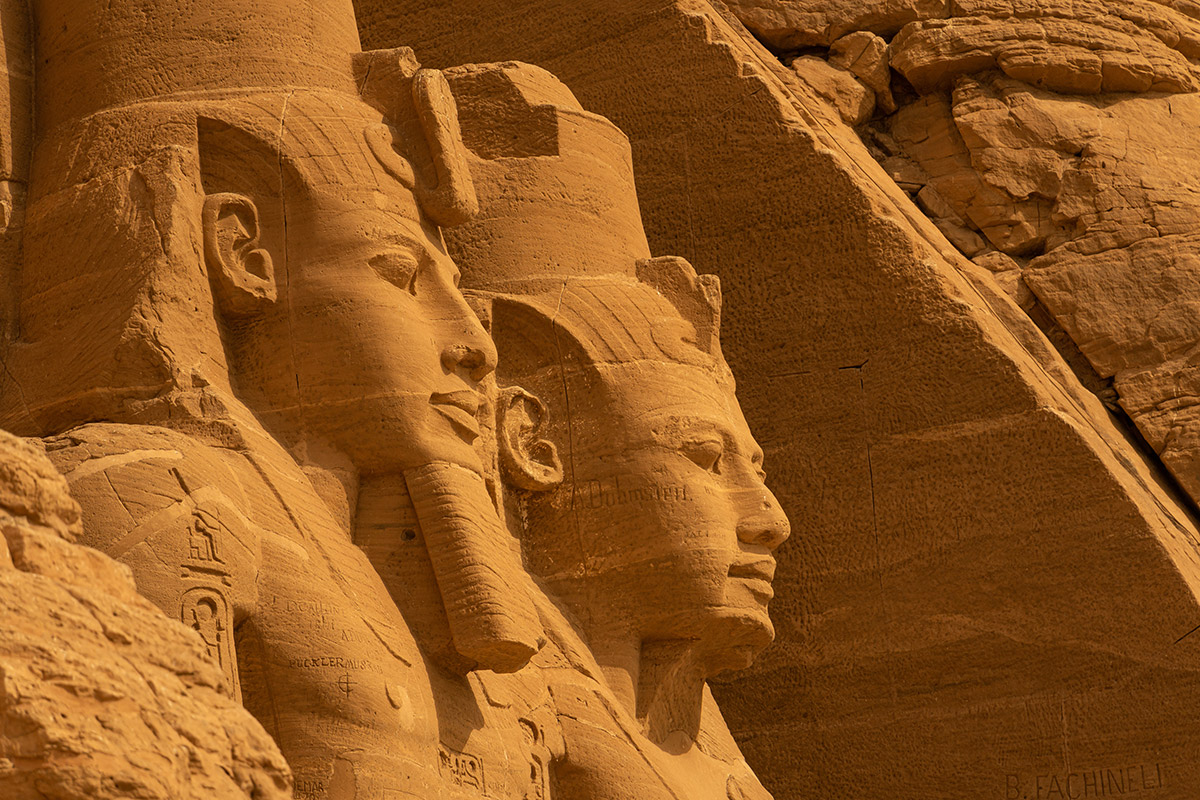
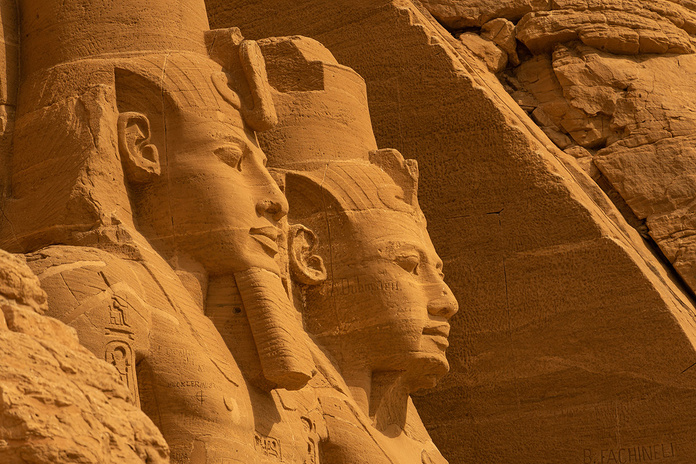
Egypt stands as a benchmark in international tourism. Few destinations concentrate such a density of heritage, culture, and symbolic significance. Millennia-old sites along the Nile’s banks and the Red Sea’s coastal resorts make the country a premier choice for many travelers.
Today, the destination no longer rests solely on its heritage: it has embarked on a profound transformation of its tourism model. It must both capitalize on its fundamentals and meet new expectations that are increasingly demanding: quality of experience, clarity of the offering, smoothness of itineraries, and diversification of products.
In 2024, it already reached a record with 15.78 million visitors. In 2025, it pushed further, welcoming nearly 19 million tourists, a 21% year-over-year rise, exceeding even the goals announced a few months earlier by the authorities.
These figures position Egypt as a genuine case study. First, because they illustrate an exceptional rebound capacity after years marked by crises. Second, because they show that the recovery does not rely on a single engine. Charter traffic to Egyptian destinations rose by 32% in 2025. The country’s archaeological sites and museums, excluding NMEC and the Grand Egyptian Museum, welcomed 18.6 million visitors, a 33.5% increase year over year.
Led by the Egyptian Ministry of Tourism and Antiquities, this evolution rests on several structural axes: modernization of infrastructure, upgrading of the offer, diversification of experiences, and strategic repositioning on the international stage. The full opening of the Grand Egyptian Museum fits this logic: a country seeking to reaffirm its place on the international tourism stage by renewing how it tells its story and how visitors experience it.
This dynamic must also be read in a context of intense competition. Egypt operates in markets where comparisons with Turkey, Tunisia, Morocco, or Greece are immediate, and where the value-for-money proposition is decisive again. In the French market, the destination rose 26% in Orchestra’s August 2025 index, driven in particular by a lower average spend. Once again, the message is clear: the recovery exists, but it is also built through commercial, pricing, and distribution battles.
Today, the destination no longer rests solely on its heritage: it has embarked on a profound transformation of its tourism model. It must both capitalize on its fundamentals and meet new expectations that are increasingly demanding: quality of experience, clarity of the offering, smoothness of itineraries, and diversification of products.
In 2024, it already reached a record with 15.78 million visitors. In 2025, it pushed further, welcoming nearly 19 million tourists, a 21% year-over-year rise, exceeding even the goals announced a few months earlier by the authorities.
These figures position Egypt as a genuine case study. First, because they illustrate an exceptional rebound capacity after years marked by crises. Second, because they show that the recovery does not rely on a single engine. Charter traffic to Egyptian destinations rose by 32% in 2025. The country’s archaeological sites and museums, excluding NMEC and the Grand Egyptian Museum, welcomed 18.6 million visitors, a 33.5% increase year over year.
Led by the Egyptian Ministry of Tourism and Antiquities, this evolution rests on several structural axes: modernization of infrastructure, upgrading of the offer, diversification of experiences, and strategic repositioning on the international stage. The full opening of the Grand Egyptian Museum fits this logic: a country seeking to reaffirm its place on the international tourism stage by renewing how it tells its story and how visitors experience it.
This dynamic must also be read in a context of intense competition. Egypt operates in markets where comparisons with Turkey, Tunisia, Morocco, or Greece are immediate, and where the value-for-money proposition is decisive again. In the French market, the destination rose 26% in Orchestra’s August 2025 index, driven in particular by a lower average spend. Once again, the message is clear: the recovery exists, but it is also built through commercial, pricing, and distribution battles.
A coordinated mobilization of the destination’s actors
The arrival of the 2026 Pioneers Forum fits within a collective momentum driven by several key players in the sector, whose roles deserve closer scrutiny.
The Egyptian Ministry of Tourism and Antiquities occupies a central place. This is not merely institutional support, but a true strategic actor. Behind the 2025 results lies a political will to strengthen the country’s attractiveness, accelerate investments, expand hotel capacity, and better structure the tourism offering. The ministry thus carries a long-term vision, aiming to continue elevating the destination in the years ahead.
EgyptAir, as the national carrier, represents a central challenge for any tourism destination: accessibility. In a market where air travel directly shapes flows, competitiveness, and the ability to sustain volumes, its role is decisive.
Travel Evasion, Egypt specialist, provides essential operational expertise. Its on-the-ground knowledge helps reveal the destination’s diversity beyond rhetoric. Travel Evasion is committed to showcasing the country’s variety through itineraries that weave culture, cruises, and seaside experiences. It’s this type of expertise that helps reveal a destination beyond clichés and makes it legible for both professionals and travelers.
The coordination of these actors also illustrates a fundamental shift in the industry: a destination’s performance relies less on mere renown and more on the quality of coordination among institutions, carriers, and operators. Egypt thus offers a particularly compelling example of a collective approach to building tourism competitiveness.
The Egyptian Ministry of Tourism and Antiquities occupies a central place. This is not merely institutional support, but a true strategic actor. Behind the 2025 results lies a political will to strengthen the country’s attractiveness, accelerate investments, expand hotel capacity, and better structure the tourism offering. The ministry thus carries a long-term vision, aiming to continue elevating the destination in the years ahead.
EgyptAir, as the national carrier, represents a central challenge for any tourism destination: accessibility. In a market where air travel directly shapes flows, competitiveness, and the ability to sustain volumes, its role is decisive.
Travel Evasion, Egypt specialist, provides essential operational expertise. Its on-the-ground knowledge helps reveal the destination’s diversity beyond rhetoric. Travel Evasion is committed to showcasing the country’s variety through itineraries that weave culture, cruises, and seaside experiences. It’s this type of expertise that helps reveal a destination beyond clichés and makes it legible for both professionals and travelers.
The coordination of these actors also illustrates a fundamental shift in the industry: a destination’s performance relies less on mere renown and more on the quality of coordination among institutions, carriers, and operators. Egypt thus offers a particularly compelling example of a collective approach to building tourism competitiveness.
Rethinking models in an uncertain context
The 2026 theme, “steering the uncertain”, will find a particularly relevant echo in Egypt.
In tourism, steering the uncertain means continuing to plan, sell, invest, reassure, and arbitrate even as parameters can evolve very quickly: geopolitical tensions, perceived safety concerns, economic fluctuations, demand shifts, dependence on aviation, price pressures, changes in buying behavior, and the rising influence of technologies like artificial intelligence.
Egypt crystallizes precisely these challenges. The destination has demonstrated a genuine ability to restart its tourism momentum, win back markets, and rebuild its appeal. Yet it remains exposed to the factors that today drive the sector’s fragility: a sensitive regional context, strong price competition, reliance on connectivity, and an image that external factors can rapidly affect.
That is why it constitutes a particularly fitting case for the Pioneers: Egypt does not merely endure uncertainty, it engages with it. It adjusts its offer, strengthens its infrastructure, improves accessibility, invests in new markers of desirability, and tries to transform vulnerability into adaptability. This trajectory speaks to actors far beyond the Egyptian case, because it raises a question that all tourism players face today: how to decide when not everything depends on you?
Observing how a destination like Egypt progresses in this complexity provides the 130 leaders present with material for reflection on their own practices, their models, their leeway, and their management tools.
In tourism, steering the uncertain means continuing to plan, sell, invest, reassure, and arbitrate even as parameters can evolve very quickly: geopolitical tensions, perceived safety concerns, economic fluctuations, demand shifts, dependence on aviation, price pressures, changes in buying behavior, and the rising influence of technologies like artificial intelligence.
Egypt crystallizes precisely these challenges. The destination has demonstrated a genuine ability to restart its tourism momentum, win back markets, and rebuild its appeal. Yet it remains exposed to the factors that today drive the sector’s fragility: a sensitive regional context, strong price competition, reliance on connectivity, and an image that external factors can rapidly affect.
That is why it constitutes a particularly fitting case for the Pioneers: Egypt does not merely endure uncertainty, it engages with it. It adjusts its offer, strengthens its infrastructure, improves accessibility, invests in new markers of desirability, and tries to transform vulnerability into adaptability. This trajectory speaks to actors far beyond the Egyptian case, because it raises a question that all tourism players face today: how to decide when not everything depends on you?
Observing how a destination like Egypt progresses in this complexity provides the 130 leaders present with material for reflection on their own practices, their models, their leeway, and their management tools.
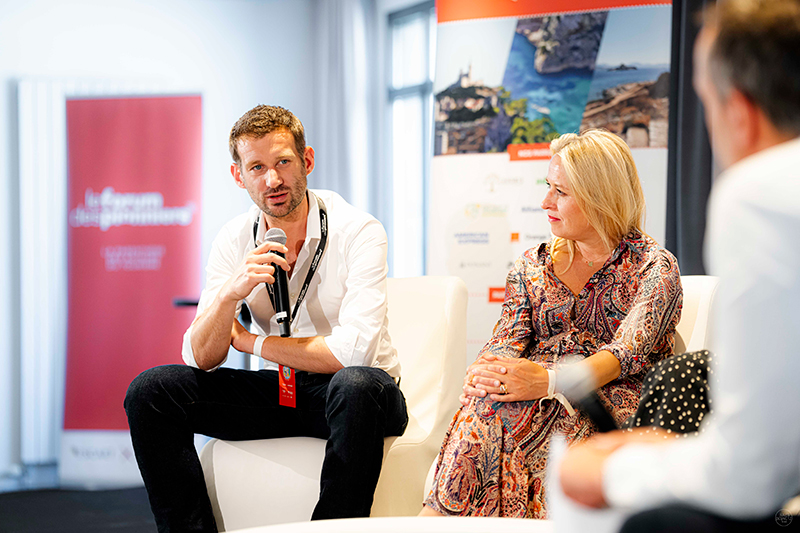
We are eager to welcome the Pioneers back for this new edition, which promises to be ambitious, inspiring, and deeply connected to the sector’s realities.
There are only a few spots left for general attendees.
💌 Contact us.
There are only a few spots left for general attendees.
💌 Contact us.