Located in the heart of Central Europe, Hungary is a destination rich in cultural and natural treasures. Known for its capital Budapest, often nicknamed the “Pearl of the Danube,” the country also offers numerous attractions beyond its major cities. Whether you are a history buff, a foodie, or a nature enthusiast, Hungary holds unforgettable experiences in store. In this article, let us dive together into the activities to discover in this fascinating country, with must-sees in Budapest but also suggestions for exploring beyond.
1. Explore Budapest’s thermal baths
Thermal baths are a symbol of Budapest, born from the region’s abundance of hot springs. Among the most famous, the Széchenyi Baths, located in City Park (Városliget), boast flamboyant architecture and several pools at varying temperatures. The Gellért Baths, meanwhile, celebrate Art Nouveau and are also highly popular. Enjoy a day of relaxation in these venues that combine wellness with cultural discovery.
2. Visit the capital’s historic sites
Budapest is brimming with monuments that bear witness to its rich and complex past. Don’t miss the Hungarian Parliament, a stunning neo-Gothic edifice overlooking the Danube. The Buda Castle and the Fisherman’s Bastion offer breathtaking panoramas of the city. The Matthias Church is another architectural gem to discover. These sites, among others, immerse you in Hungary’s history while presenting unbeatable views.
3. Discover Budapest’s cultural scene
The Hungarian capital is a dynamic cultural hub. For a glimpse into more recent history, the House of Terror Museum reveals dark chapters of the 20th century. Don’t miss a visit to the Central Market Hall for an insight into local gastronomy, and take a stroll along Andrássy Avenue, a UNESCO World Heritage Site that hosts many theaters and luxury boutiques.
4. Enjoy the lively nightlife
Budapest’s ruin bars offer a unique nocturnal experience. Housed in abandoned buildings, these eclectic bars, such as the famous Szimpla Kert, provide a relaxed atmosphere infused with music and art, perfect for meeting people from around the world. Budapest’s nightlife is vibrant and diverse, with options for every taste.
5. Escape to Lake Balaton
Beyond Budapest, Lake Balaton stands as a favored destination for locals and visitors alike. It is the largest lake in Central Europe, ideal for water activities or simply unwinding on its shores. Towns like Tihany and Balatonfüred are renowned for their scenic landscapes and wine-tasting opportunities, particularly with local varieties.
6. Taste traditional Hungarian dishes
Hungarian cuisine is rich and diverse, with distinctive flavors. The goulash, the national dish, is a spicy meat stew typically served with bread. Lángos, a kind of savory fried dough, is a must-try at local markets. You’ll also find pálinka, a traditional fruit brandy. These specialties add a culinary dimension to your journey.
7. Explore the Tokaj wine region
The Tokaj region in the northeast is famous for its sweet wine, often regarded as “the wine of kings.” A visit to Tokaj’s vineyards offers not only tastings of exceptional wines but also the chance to discover a wine landscape inscribed on the UNESCO World Heritage list. Guided tours take you through this renowned terroir.
8. Venture to Eger
The town of Eger, known for its medieval castle and thermal baths, is also the birthplace of the Bull’s Blood wine. Wander its Baroque streets, visit its wine cellars, and don’t miss the Eger Basilica, the second-largest in Hungary. It is a place that blends history, culture, and gastronomy.
9. Discover the Hungarian puszta
The puszta, or Great Hungarian Plain, is a unique ecosystem where folk traditions and natural scenery intertwine. In Hortobágy, you can witness equestrian performances and explore what the region has to offer most authentically. It’s an opportunity to discover local fauna and flora as well as pastoral traditions.
10. Stroll through the artistic village of Szentendre
Near Budapest, Szentendre is a picturesque village with a strong artistic charm. Its narrow lanes are lined with galleries, museums and artisan shops. It’s an ideal day trip, offering a calm and inspiring atmosphere at once.
In conclusion, Hungary is a land of many facets, where tradition and modernity coexist. Its varied attractions, ranging from Budapest’s architectural splendor to the honeyed charms of the Tokaj wine region, and the expansive puszta, guarantee a travel experience that is rich and diverse. Whether your stay is short or extended, this country offers limitless possibilities for discoveries and cultural enrichment.
Is life affordable in Hungary: an analysis of costs for an accessible stay
For a stay in Hungary, cost considerations are essential and the answer tends to be reassuring. Compared with other Central European countries, Hungary remains broadly affordable. Accommodation, dining and transportation offer good value, especially outside of Budapest. A unique experience like exploring the Balaton lake, nicknamed the Hungarian Sea, or a visit to the Museum of Pasta or to the Budapest History Museum can be arranged without breaking a modest budget. Visitors from around the world agree that Hungary provides a pleasant quality of life at a lower cost, particularly when comparing daily expenses with those of other European capitals. Traditional dishes such as fish soup are offered at very accessible prices, including in tourist districts. In short, Hungary is a must-stop for those seeking cultural discovery while staying mindful of the budget.
What are the risks in Hungary: a generally safe country for travelers
Hungary is regarded as a safe destination for tourists, including visitors from around the world. The risks are similar to those in any Central European country: petty theft in tourist areas, caution in transit or in crowded markets. Beautiful places such as the Buda Hills or the Chain Bridge can attract pickpockets. Museums, nature parks like the Hortobágy National Park, or the Aggtelek caves, listed as UNESCO World Heritage sites, require ordinary vigilance. The risks in Hungary relate more to misinterpretations of culture than to concrete threats. Visitors are invited to respect local customs and maintain standard vigilance, as they would in other European capitals.
What to do in Hungary in winter: a season rich in cultural and thermal discoveries
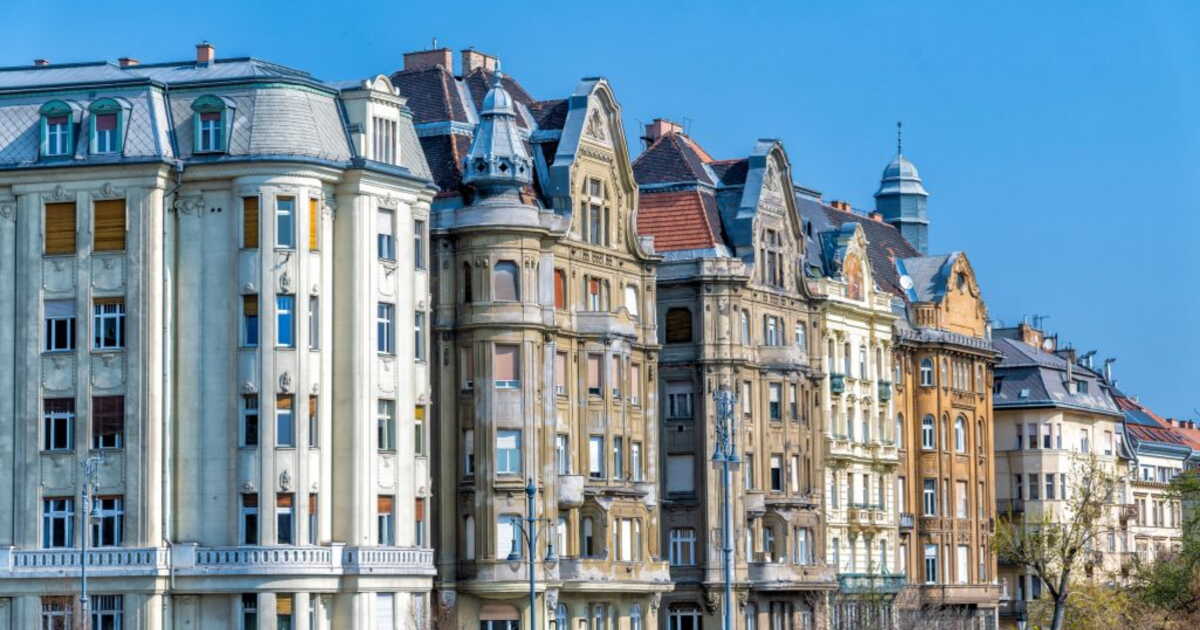
Spending the winter in Hungary offers a unique experience, blending traditions, warm baths, and the cosy atmosphere of historic towns. Budapest, dusted with snow, reveals another facet of its towers and 19th‑century buildings. The hot waters of the baths, such as Széchenyi or Gellért, attract thousands of visitors each year seeking relaxation. The Budapest History Museum or the numerous open-air museums allow continued exploration even on cold days. End-of-year celebrations add extra charm to the street corners animated by Christmas markets. It is also a good time to visit the Aggtelek caves or the city of Pécs in Hungary, less crowded but equally fascinating.
Which city to visit in Hungary: Pécs, a southwest jewel and cultural alternative to Budapest
Among the cities to visit in Hungary, Pécs deserves special attention. Located in the southwest of the country, this university town, marked by a rich Roman, medieval, and Ottoman history, charms with its tranquil atmosphere and heritage. The early Christian necropolis, listed as a World Heritage site, is one of its masterpieces. The city of Pécs is also renowned for its cultural life, with its museums, galleries, and a lively pedestrian center. In winter as in summer, it is a must‑stop for travelers seeking authenticity. Less frequented than the capital, Pécs offers another facet of Hungary, more intimate and just as fascinating.
Travel Hungary by train: a practical and scenic journey through the heart of the country
To discover Hungary by train, the rail network provides a comfortable and affordable option. It’s an excellent way to link major Hungarian cities such as Budapest, Pécs, Debrecen, or the shores of Lake Balaton. Traveling by rail allows you to enjoy landscapes from the northeast to the southwest, across plains, hills, and sometimes even thermal areas. Many lines offer frequent connections from Budapest, easing a car-free stay. It’s also an opportunity to immerse yourself in the cultural heritage and to benefit from spontaneous stops in villages or small towns rich in museums and traditions. For travelers from around the world, rail remains a practical, sustainable and immersive option.
Tourism and safety in Hungary: what you should know before you go
Tourism in Hungary does not present major dangers to travelers, but a few practical tips are worth considering. The country is stable, well connected, and its tourist infrastructures are well adapted, especially in Budapest and around Lake Balaton. Museums, national parks, thermal baths and beautiful places such as Hollókő or the Aggtelek caves, listed as UNESCO World Heritage sites, are open year-round and well managed. The risks are mainly related to ordinary vigilance in crowded areas. Each year, visitors increasingly rent a car to explore rural or isolated areas, particularly on roads near Hortobágy National Park. It is worth noting that Hungary remains a Central European country where unique cultural, natural and culinary experiences abound, provided they are approached with discernment.
This article was drafted with the help of artificial intelligence, then corrected, supplemented and validated by the editorial staff.