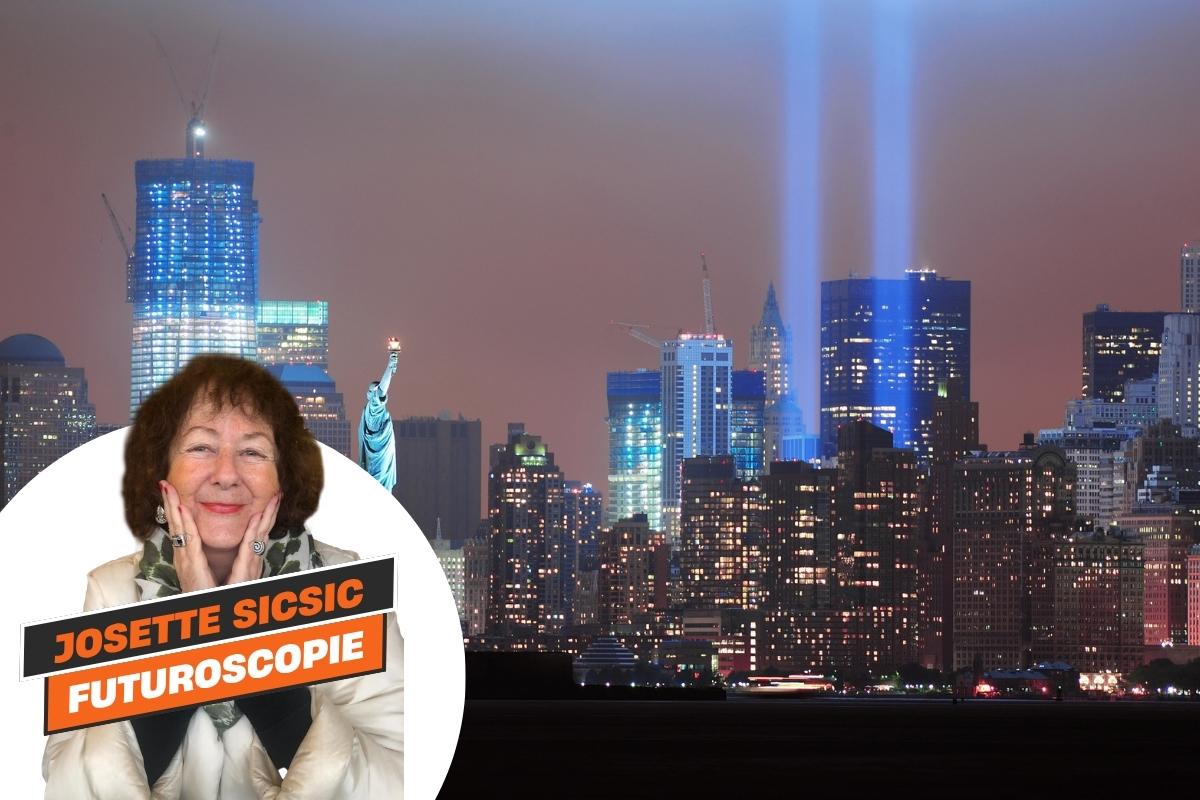
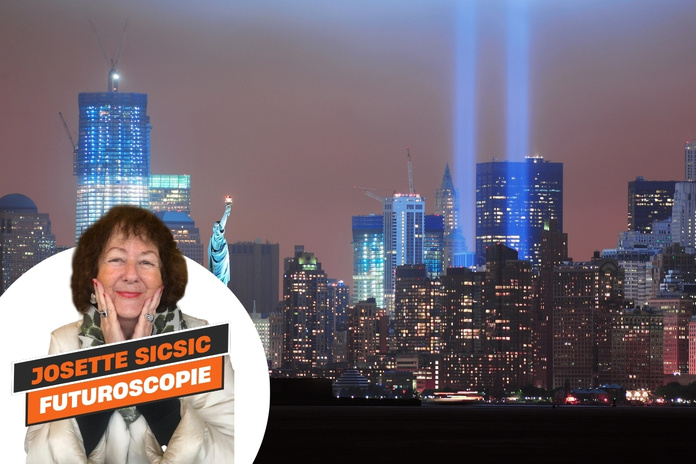


A quelques jours du triste anniversaire du 11 septembre 2001, le monde entier se souvient. Non seulement, on se souvient du contexte dans lequel nous avons appris la nouvelle insensée, mais on garde tous en mémoire la stupeur dont nous avons été saisis devant les images qui tournaient en boucle sur les écrans et démontraient la foudroyante réalité.
Un avion, puis deux, des tours symboles de la toute puissance étasunienne en flames et le monde entier vacillait puis s’effondrait, laissant des millions de traumatisés et des milliers de morts et de blessés. Lesquels auraient pu être épargnés si l’administration de Georges Bush avait pris au sérieux les alertes répétées de la CIA sur l’imminence d’une attaque terroriste sur le sol américain !
Entrée de plain-pied dans une période de violence dans laquelle nous sommes toujours, le secteur touristique se retrouvait brutalement exposé à un accident de l’histoire qui le laissa KO.
Un avion, puis deux, des tours symboles de la toute puissance étasunienne en flames et le monde entier vacillait puis s’effondrait, laissant des millions de traumatisés et des milliers de morts et de blessés. Lesquels auraient pu être épargnés si l’administration de Georges Bush avait pris au sérieux les alertes répétées de la CIA sur l’imminence d’une attaque terroriste sur le sol américain !
Entrée de plain-pied dans une période de violence dans laquelle nous sommes toujours, le secteur touristique se retrouvait brutalement exposé à un accident de l’histoire qui le laissa KO.
The global economic and psychological shock
 What happened? For several days, air travel in the United States ground to a halt, with long-haul flights plummeting by 22%. According to U.S. aviation data, the number of passengers fell by 23% compared with the previous month.
As for hotels and travel agencies, they lost about 50% of their clientele in the days following September 11.
Struck by an event that was as spectacular as it was unexpected, it is clear that international tourism did not escape a catastrophic economic crisis. But it also suffered—perhaps more painfully—a crisis of confidence broadly sustained by the media, which at the time did not have social networks or 24-hour news channels.
Fear entered the airports, the skies, and the American ground. It also entered the minds of billions of people facing a new reality. And one could say it has not really left since.
And this happened despite, or perhaps because of, the many precautions and security measures quickly deployed worldwide since the Twin Towers attack. Paradoxically, in a world full of contradictions, the more we secure, the more we fear.
And the more we subject ourselves to endless searches, stricter visa procedures, and tighter baggage limits… the more we feel surveilled, thus becoming victims of a form of loss of freedom we could have done without. Yet the luxurious facilities and shops in international airports do everything they can to offer travelers a hedonic travel experience!
« In the USA, the shockwave of the attacks spread across all domains: from law to the economy, through culture. But its most painful legacy lies in the ongoing growth of a surveillance society, the rise of conspiracy theories, and the dehumanization of war ». Susan Page. USA Today.
Ten years and twenty years later, the same conclusion
Measured again in 2011 and 2021, the effects of September 11 naturally receded over the years. To such an extent that it is estimated that 100 million Americans do not feel affected.
But fear, having settled diffusely, sometimes leads people to prefer trains or cars when given a choice, and all sorts of other travel options indicating a shift in behavior. A shift even more evident as environmental awareness has grown significantly.
Another observation: if we look at the mindset of young people born after 9/11, many studies note that although unaware of the evolutions, they grew up in a geopolitically and tourism-wise permanently transformed environment where controls, restrictions, security lines, and a strengthened police presence are normal. They may regret it, but for them, it is not a barrier to travel.
On the contrary, they are highly sensitive to destination choices. A sensitivity reinforced by their heavy use of social networks and by the excessive media coverage of conflicts around the world on 24/7 news channels. They are indirect but very real victims of the grand story. They are the heirs of fears that have become enduring.
But fear, having settled diffusely, sometimes leads people to prefer trains or cars when given a choice, and all sorts of other travel options indicating a shift in behavior. A shift even more evident as environmental awareness has grown significantly.
Another observation: if we look at the mindset of young people born after 9/11, many studies note that although unaware of the evolutions, they grew up in a geopolitically and tourism-wise permanently transformed environment where controls, restrictions, security lines, and a strengthened police presence are normal. They may regret it, but for them, it is not a barrier to travel.
On the contrary, they are highly sensitive to destination choices. A sensitivity reinforced by their heavy use of social networks and by the excessive media coverage of conflicts around the world on 24/7 news channels. They are indirect but very real victims of the grand story. They are the heirs of fears that have become enduring.
The comparative effects of Covid on travel behavior
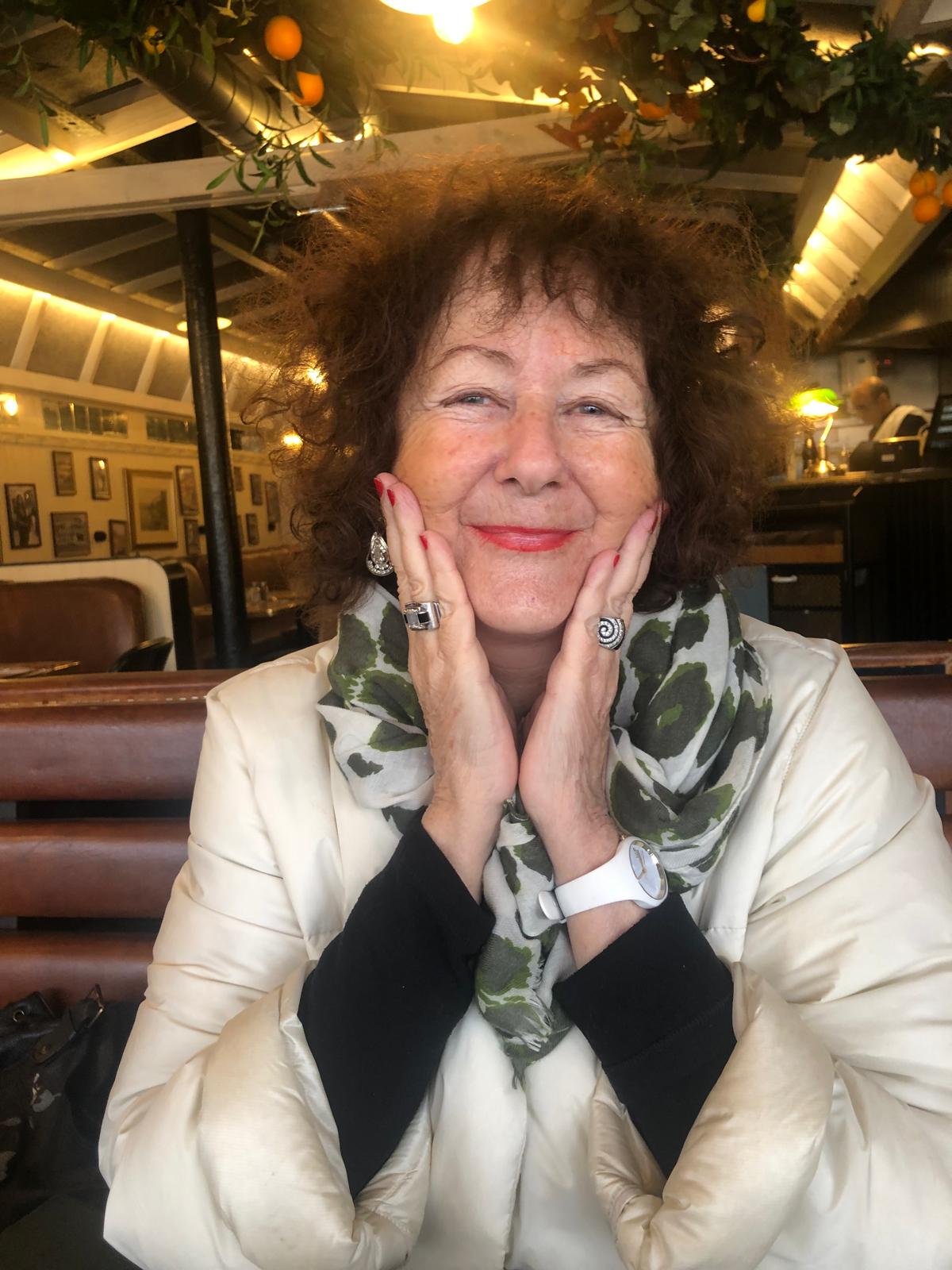
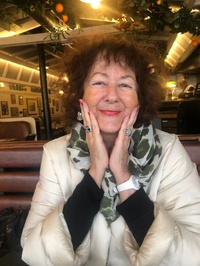
Journalist, consultant, speaker, Josette Sicsic has been observing the transformations of the world for more than 25 years to analyze their consequences for the tourism sector.
After developing the Touriscopie weekly for more than 20 years, she remains at the forefront of current events, where she decodes the present to forecast the future. On the site www.tourmag.com, in the Futuroscopie section, she regularly publishes forward-looking and analytical articles several times a week.
Contact: 06 14 47 99 04
Email: [email protected]
After developing the Touriscopie weekly for more than 20 years, she remains at the forefront of current events, where she decodes the present to forecast the future. On the site www.tourmag.com, in the Futuroscopie section, she regularly publishes forward-looking and analytical articles several times a week.
Contact: 06 14 47 99 04
Email: [email protected]