Nestled at the extreme northwest corner of the American continent, the Alaska is a wild territory offering breathtaking landscapes and exceptional biodiversity. With its towering mountains, vast forests, and diverse wildlife, Alaska draws adventurers and nature lovers from around the world. Wondering what to do in Alaska? Dive into our detailed guide to discover the activities and sites to explore in this legendary state.
1. Hiking in the Denali National Park and Mount Denali
Begin your adventure with a visit to Denali National Park, home to the highest peak in North America, Mount Denali. Hikers will find a range of trails suited to all levels. The park is also a sanctuary for a wealth of wildlife, including bears, moose, and caribou. Be sure to join a guided hike for a rewarding and safe experience.
2. Cruise in the Kenai Fjords National Park
Explore the majestic fjords and glaciers of the Kenai Fjords National Park on an unforgettable cruise. This activity offers the chance to observe impressive marine wildlife, including whales, orcas, and seals. The sight of glaciers in motion is breathtaking, and excursions take you to Exit Glacier, where you can walk along accessible trails.
3. Northern Lights Watching in Fairbanks
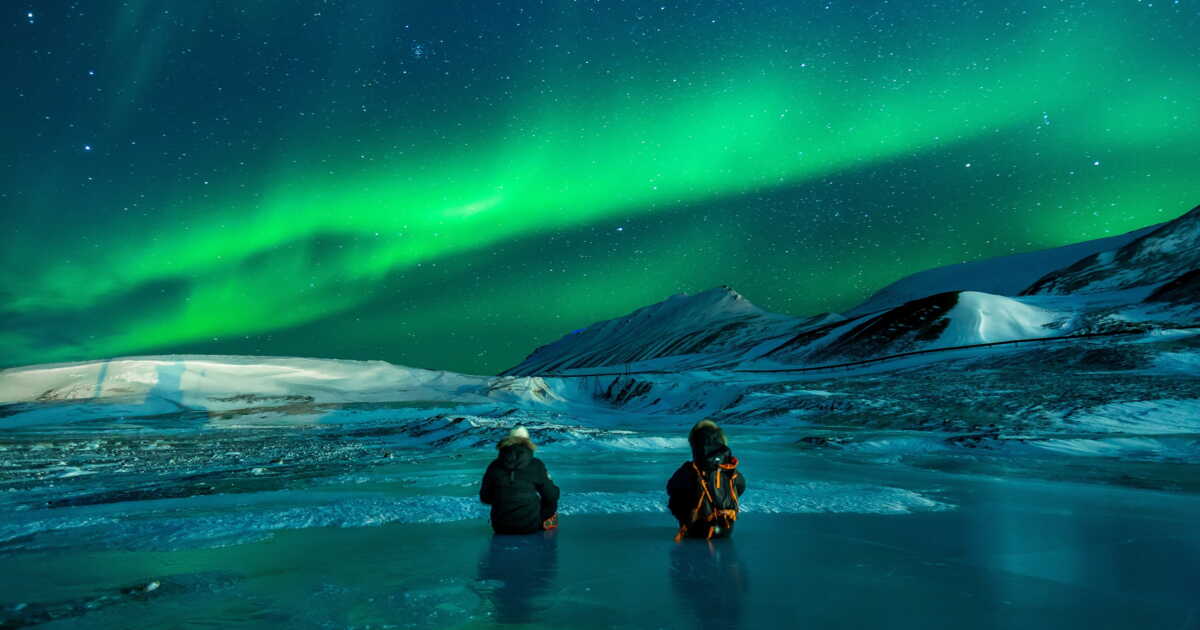
Winter in Alaska delivers long, spectacular nights ideal for watching the aurora borealis. Fairbanks is one of the best places in the world to witness this extraordinary natural spectacle. From September through April, bundle up and venture outside the city lights for an unforgettable view of the glowing sky.
4. Discovery of the Glacier Bay National Park
Glacier Bay National Park is another must‑visit for lovers of wild, untouched nature. This park hosts a multitude of active glaciers and offers boat excursions to approach these ice giants. Kayakers will relish the opportunity to navigate around the glaciers, while hiking and wildlife watching heighten the park’s appeal.
5. Cultural and Historical Visits in Inside Passage
For a deeper cultural immersion, the Inside Passage invites exploration of coastal towns such as Ketchikan, Skagway, and Sitka. Delve into the heritage of Indigenous peoples like the Tlingit, Haida, and Tsimshian. Visit local museums and discover the region’s history marked by the gold rush and Indigenous influences.
6. Excursion in the Prince William Sound
The Prince William Sound is renowned for its picturesque landscapes and abundant marine life. Rent a kayak for a peaceful exploration of the waters, or opt for a cruise that includes viewing the mountains, glaciers, and wildlife. This site offers a privileged experience to understand the interaction between marine and terrestrial ecosystems.
7. Salmon and Halibut Fishing Expedition
Alaska is considered a paradise for fishing enthusiasts. Take advantage of your stay to pursue salmon or halibut fishing, especially abundant in Alaskan waters. Local, experienced guides can help you maximize this relaxing and rewarding activity.
8. Dog Sledding Experience
Join a dog-sledding outing, a traditional activity that lets you traverse Alaska’s winter landscapes. Available in winter, this adventure provides a unique understanding of the historical and cultural significance of this mode of transport in Arctic regions.
9. Alaska Railroad
The Alaska Railroad connects, among others, Anchorage, Talkeetna, Denali, and Fairbanks: it serves as an excellent backbone to an Alaska trip that blends comfort, dramatic scenery, and accessibility. This rail line traverses vast spaces, offering both cultural insights (Anchorage city life, downtown, midtown) and immersive landscapes (glaciers, wildlife).
10. Alaska Wildlife Conservation Center
Located near the city of Anchorage, this wildlife sanctuary and discovery center offers a guided encounter with brown bears, bald eagles, and other emblematic Alaska species. It makes for a worthwhile “museum stop” on a wildlife‑focused itinerary and can be complemented by bus excursions from Anchorage.
11. Fountainhead Antique Auto Museum
Situated in Fairbanks, near the Wedgewood Resort, this intriguing museum offers an immersion into early 20th‑century history and the Americas through vintage automobiles. On an Alaska trip, it makes for a distinctive cultural stop that adds dimension to a nature‑focused journey.
12. Goldbelt Tram
The Juneau tram (in southeastern Alaska) provides access to spectacular views of the coastline, fjords, and the sea. For an itinerary that combines a Inside Passage cruise, fjords, and a city stop (King Salmon or Juneau), this kind of excursion offers a way to see Alaska from a perspective that is both accessible and awe‑inspiring.
13. Hubbard Glacier
The Hubbard Glacier is among the most active and striking glaciers in Alaska. A boat excursion from the Kenai Peninsula or from a southeast port allows you to witness cracking and ice calving. Incorporating this stop into an Alaska itinerary requires planning around boat schedules, timings, and weather, but the payoff is an unrivaled spectacle.
In conclusion, Alaska is a land of opportunities for those seeking adventures in the heart of nature. From hiking through stunning parks to maritime and cultural explorations, Alaska promises a wide range of enriching experiences. Beyond these suggestions, stay mindful of responsible tourism practices to preserve the beauty and unique environment of this exceptional region.
What is the best time to visit Alaska?
The ideal period to discover Alaska runs from May to mid-September, when days are longest, temperatures are comfortable, and outdoor activities (hiking, glacier boat trips, wildlife watching) are fully accessible. More precisely, the window from mid‑June to mid‑July marks the peak of the tourist season: optimal conditions and most excursions are operating. If you’re seeking a quieter period with more affordable rates, early May or September offer a good compromise—while keeping in mind that some roads or services may be limited.
Is Alaska an expensive destination?
Travel to Alaska requires careful budgeting: for a standard week‑long stay, a traveler can expect an average budget of around $1,383 to $3,000 depending on the level of comfort (for 7 days), or roughly $1,000 to $2,900. Costs are driven by the size of the territory, the logistics of excursions (glaciers, fjords, wildlife), and the remoteness of certain areas. That said, it is possible to reduce costs: by choosing simpler accommodations, by limiting the number of paid activities, or by selecting the off‑peak period, one can lower the daily budget.
Is Alaska a tourist destination?
Yes, Alaska is clearly a well‑developed tourist destination: it hosts numerous bus or boat excursions, scenic rail lines, museums, and stopover towns from which to explore. The interior and Southeast regions, in particular, have suitable infrastructure. That said, this destination blends mass tourism (in certain areas) with more isolated itineraries: some places remain hard to reach and require more specialized logistics. The balance between a “tourist destination” and an “off‑the‑beaten‑path adventure” is thus well represented.
What to do in Alaska in winter?
In winter, Alaska presents a completely different face: snowshoeing, dog sledding (notably the famous Iditarod Trail Sled Dog Race, which begins on the first Saturday of March), aurora viewing, and immersion in snowy landscapes. The frigid temperatures and shorter daylight hours impart a marked Arctic dimension, but for well-equipped travelers with proper hiking boots and a capacity to adapt, this season offers a powerful and authentic Alaska experience.
This article was drafted with the help of artificial intelligence, then edited, expanded, and validated by the editorial staff’s journalists.