Sommaire
-
1. Strolling through the streets of Kochi (Cochin)
-
2. Cruising the Alleppey backwaters (Alappuzha)
-
3. Exploring the tea plantations and the mountains of Munnar
-
4. Observing wildlife at Periyar National Park in Thekkady
-
5. Immersing in the serenity of Varkala
-
6. Enjoying beaches and well-being in Kovalam
-
7. Discovering culture and festivals in Thrissur
-
8. Escaping into nature in Wayanad
-
9. Getting acquainted with Ayurveda and local cuisine
-
10. Engaging in cultural encounters and exchanges
-
11. Visiting the iconic Sree Padmanabhaswamy Temple
-
What is the cost of living in Kerala? An accessible state for discerning travelers
-
What is the best time to visit Kerala? Understanding the climate to plan better
Staying in Kerala means diving into a tranquil India. Between Ayurvedic retreats, backwater cruises, and ancient temples, discover how to recharge in nature at its fullest.
1. Strolling through the streets of Kochi (Cochin)
Kochi, also known as Cochin, serves as an ideal cultural and historical gateway to begin a journey in Kerala. Located on the Malabar coast, the city blends Portuguese, Dutch, and British influences, most evident in Fort Kochi, an iconic neighborhood punctuated by Chinese fishing nets, Hindu temples, and spice markets. The Mattancherry Palace, the Kochi Synagogue, and the cobbled lanes stand as witnesses to a rich commercial past.
Strolling these streets also offers the opportunity to witness a traditional dance performance, notably Kathakali, which beautifully illustrates the harmony that exists in Kerala between bodily expression and spirituality. The atmosphere, both urban and tranquil, invites encounters with locals, many of whom are part of the coastal Keralite community, and marks the start of a popular travel route across the State of Kerala.
2. Cruising the Alleppey backwaters (Alappuzha)
Cruising the Alleppey backwaters is an essential experience to discover Kerala, blending nature with village life. This backwater cruise, aboard a traditional houseboat, traces the route along the calm shores of the Venice of the East, threading the expansive canal networks that define the state. The slow pace of the voyage invites you to observe the simple daily actions of the Keralites, many of whom still rely on fishing or coconut harvesting. Alternatively, a more intimate excursion by canoe or local ferry offers a deeper immersion into the locals’ world.
3. Exploring the tea plantations and the Munnar mountains
Set in a mountainous region of Kerala, Munnar captivates with the Western Ghats and terraced tea estates that stretch to the horizon. This iconic landscape provides both breathtaking views and a glimpse into the tea history at the Tea Museum.
The region, ripe for hiking, hosts peaks such as Anamudi Peak, the highest in South India. In this part of Kerala, lush nature reveals the richness of local flora. For active travelers, the spice route that leads to this region offers a sequence of unique sensory experiences, set against rolling tea plantations and emerald valleys.
4. Watching wildlife at Periyar National Park in Thekkady
Periyar National Park, located near Thekkady, stands as one of Kerala’s premier bastions of nature. It shelters a reserve where wild elephants, bisons, deer, and numerous endemic bird species coexist.Boat safaris on Periyar Lake offer peaceful wildlife viewing, especially in the afternoons when crowds are lighter.
Guided hiking trails wind through dense forests and spice plantations, where you encounter the scents of cardamom, black pepper, cinnamon, and clove, key components of the region’s agricultural economy. This full immersion deepens the understanding of Kerala life, where the environment, Ayurveda, and farming culture are intimately linked to the daily lives of many inland residents.
5. Immersing in the tranquility of Varkala
Perched on cliffs overlooking the Arabian Sea, Varkala offers a calmer alternative to the beaches of the south of India. Renowned for its wellness retreats, this coastal town attracts those who want to combine yoga sessions, spirituality, and nature’s splendor.
The Janardhana Swami Temple, one of the oldest Hindu temples on the Malabar coast, is a major spiritual site, often visited at sunrise or sunset. Between beaches, Ayurvedic centers, and small restaurants serving coconut- and spice-based cuisine, Varkala provides an opportunity to meet locals in a relaxed setting.
6. Enjoying beaches and wellness in Kovalam
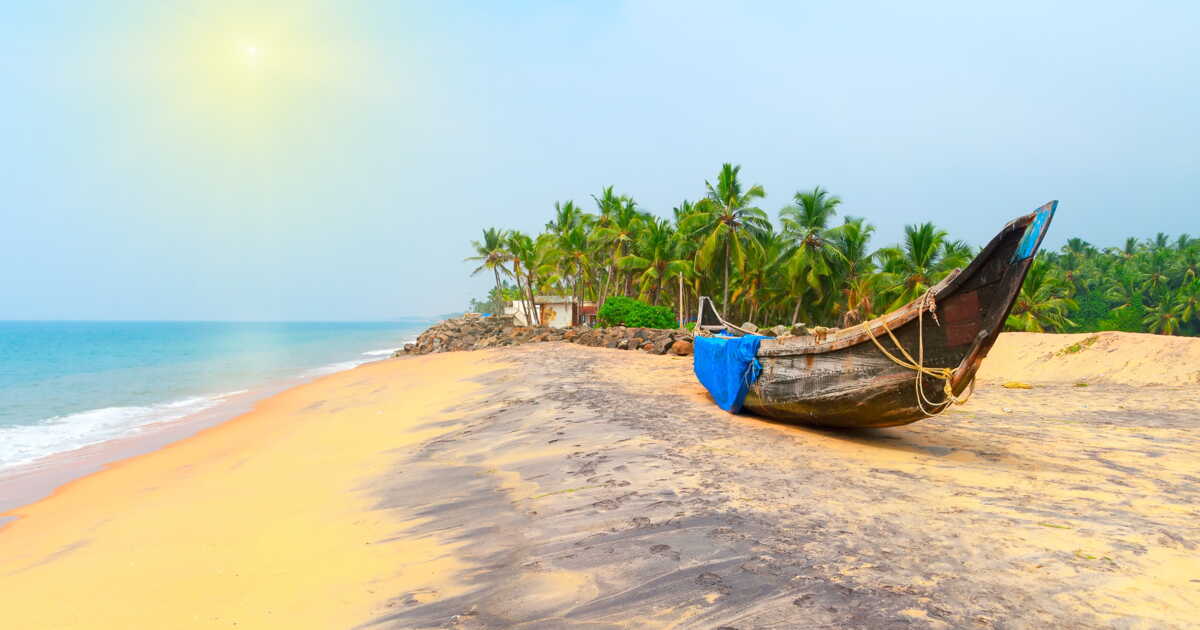
In Kovalam, the palm-fringed beaches of southern Kerala pair perfectly with a wellness-focused stay. The iconic lighthouse on the main beach serves as a visual landmark and a vantage point offering sweeping views of the Indian Ocean. The destination is known for its Ayurvedic tradition, with a broad range of therapies, massages, and hotels offering well-structured wellness programs.
Many of these sites lie near Ayurveda training centers, blending young therapists with experienced practitioners. Kovalam, while more touristy, remains an excellent base for exploring nearby fishing villages, understanding coastal Kerala culture, and recharging in a peaceful setting. The best time to visit is during the dry season, from December to May.
7. Discovering culture and festivals in Thrissur
Thrissur, sometimes dubbed the cultural capital of Kerala, stands out for the vibrancy of its traditional festivals, particularly the Thrissur Pooram, considered a spectacle unique in the world. This festival brings together elephants adorned for parades, drums, and fireworks, reflecting the Kerala people’s attachment to their religious and artistic roots.
The city center houses several major Hindu temples and museums, offering deeper insight into Kerala’s spiritual heritage. Beyond the festive fervor, interactions with locals reveal the richness of urban Keralite life, with glimpses of martial arts, tribal dances, and other forms of live performance.
8. Escape into nature in Wayanad
Located in northern Kerala, the Wayanad region is famed for its mountains, lush nature, and archaeological remains. The Wayanad mountains, often misty during the monsoon, host nature reserves and spice plantations. The Edakkal Caves, with carvings dating back thousands of years, are a must-stop on a cultural itinerary. For hikers or those eager to meet locals, this area offers a peaceful alternative to the coast, with fewer crowds.
9. Getting started with Ayurveda and local cuisine
Kerala, recognized as one of the birthplaces of Ayurveda, offers a holistic approach to care, closely tied to local culture. Many boutique hotels, often perched by the sea or in the Western Ghats, provide authentic Ayurvedic treatments based on the use of sandalwood, spices, and plant oils.
This medical tradition is complemented by a rich local cuisine, rooted in coconut, rice, and a wide variety of aromatics. Participating in a cooking workshop or an Ayurvedic consultation helps capture the synergy between nutrition, health, and spirituality.
10. Participating in cultural encounters and exchanges
Cultural encounters in Kerala enrich any stay beyond the landscapes. Attending a demonstration of Kalaripayattu, the state’s ancient martial art, or a performance of tribal dances helps understand the deep roots of the local culture.
Homestays, present in many towns such as Fort Kochi or in fishing villages, facilitate exchanges with Keralites, whether coastal or inland. These tourism formats emphasize storytelling, local crafts, and hospitality.
11. Visiting the iconic Sree Padmanabhaswamy Temple
Located in Thiruvananthapuram, the capital of Kerala, the Sree Padmanabhaswamy Temple embodies one of India’s most powerful symbols of spiritual heritage. This sacred site, with remarkable architectural richness, attracts visitors for its deep connection to the history of Travancore and the presence of a legendary underground treasure. Ranked among the country’s major Hindu temples, it is a popular destination on Kerala itineraries.
Visitors experience a quiet, solemn spectacle, reflecting the harmony between religious tradition and architectural aesthetics. Its southern location near the Malabar coast also allows it to be included in a stop near fishing villages or before a backwater cruise. Visiting this temple offers a better understanding of Kerala’s cultural foundations, balancing spirituality, encounters with locals, and patrimonial wealth.
In conclusion, Kerala is a mosaic of varied experiences where nature, culture, and well-being lie at the heart of discovery. Each activity and site enriches travelers with unique knowledge and a full immersion in this fascinating region of India.
What is the cost of living in Kerala? An affordable state for discerning travelers
Kerala, often considered the ideal gateway to southern India, offers an affordable cost of living, even for travelers seeking comfort. Mid- to high-range hotels, including charming properties in Fort Kochi or along the Malabar coast, are priced competitively. A mid-range hotel typically provides good facilities at a reasonable price, especially in the Wayanad hills or along the backwater route. Whether exploring northern Kerala, less developed, or the shores of the vast Vembanad Lake at Alleppey, daily expenses remain manageable. Interacting with locals, who are often welcoming, helps you better understand the coastal or rural Kerala culture while enjoying the lush nature and a world-famous spectacle of spice plantations, coconut forests, and Hindu temples. Kerala travel suits most budgets.
What is the best time to visit Kerala? Understanding the climate to plan better
The best time for a trip to Kerala runs from October to April, when the weather tends to be drier, temperatures are moderate, and the landscapes feel wonderfully fresh. This season is ideal for enjoying activities such as a backwater cruise, viewing the Athirappilly Falls, nicknamed the Niagara of India, or hiking in the Western Ghats. It’s wise to avoid the monsoon in Wayanad; although the rains intensify the lush surroundings, they can complicate road conditions, particularly along the Alleppey route or in the Kerala mountains. For a memorable experience, opt for bright afternoons and sunsets along the shores of Vembanad Lake or from the fishing villages on the Malabar coast. Compared with neighboring Tamil Nadu, Kerala enjoys a milder climate during this period, offering a wonderful window to discover its tribal dance performances, wildlife in protected areas, and sustainable local initiatives.
This article was written with the help of artificial intelligence, then revised, expanded and validated by the editors of the desk.