

An Opening Spectacle: Costumes, Horses, and Eagles
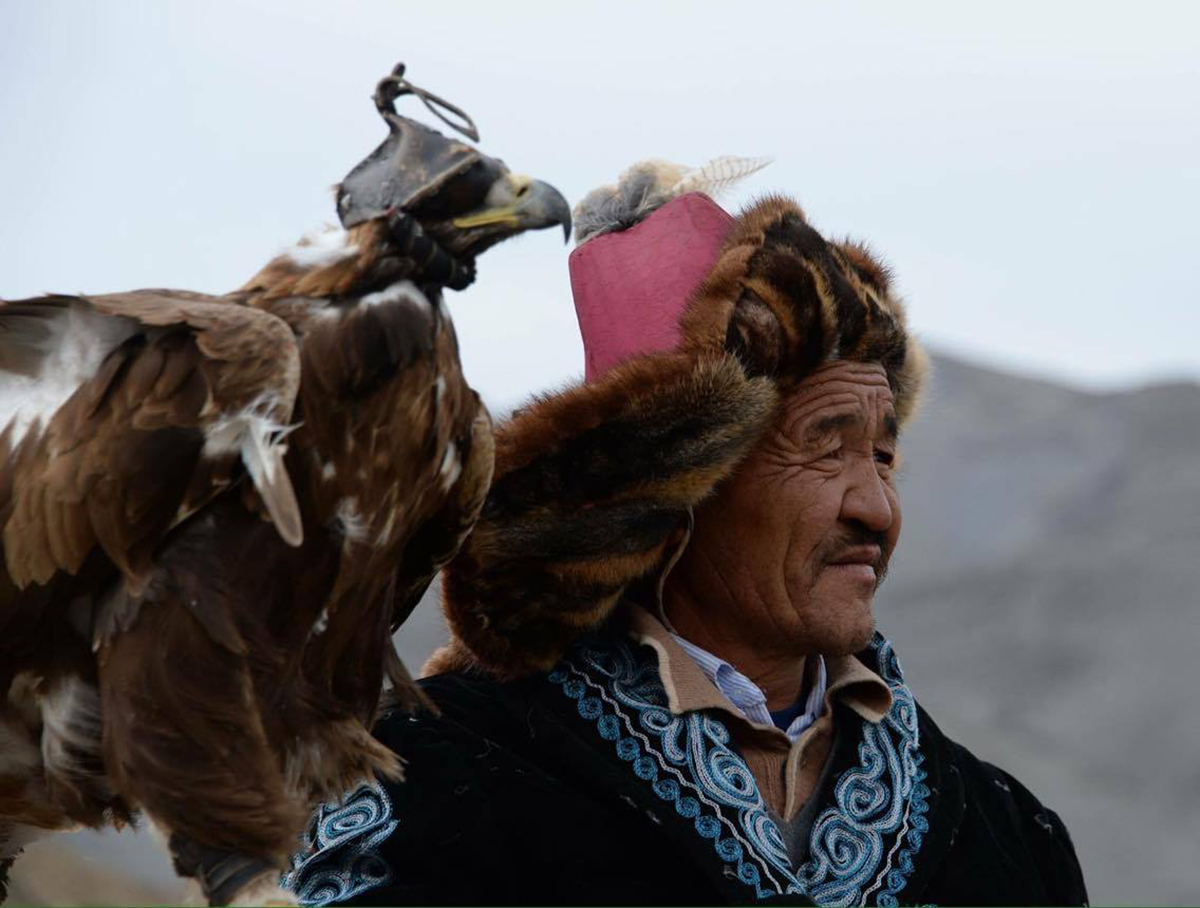
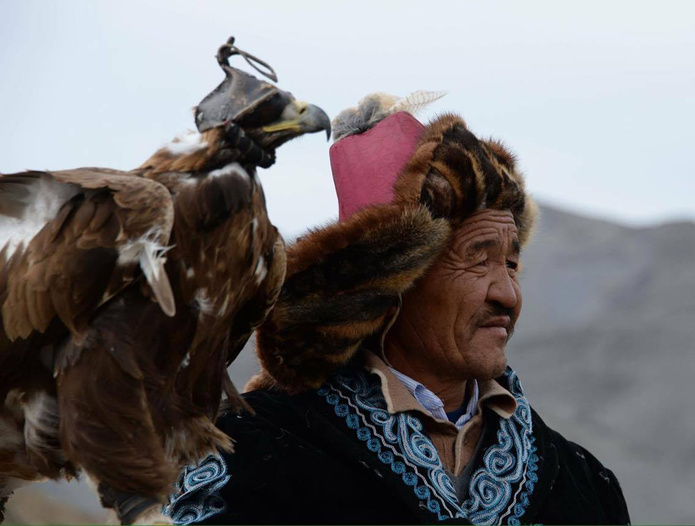
The festival begins with a vibrant parade. The hunters, dressed in sumptuous traditional embroidered cloaks and crowned with fur hats, advance on horseback, the regal eagle perched proudly on their arm. The horses, specially trained to navigate mountainous terrain, play a crucial role in this impressive staging.
During the opening ceremony, attention is focused as much on the elegance of the costumes as on the quality of the gear and the presence of the riders. The harmony between the hunter, his horse, and his eagle is observed with care. This solemn moment transcends a mere competition: it is a true celebration of identity for the Kazakh community.
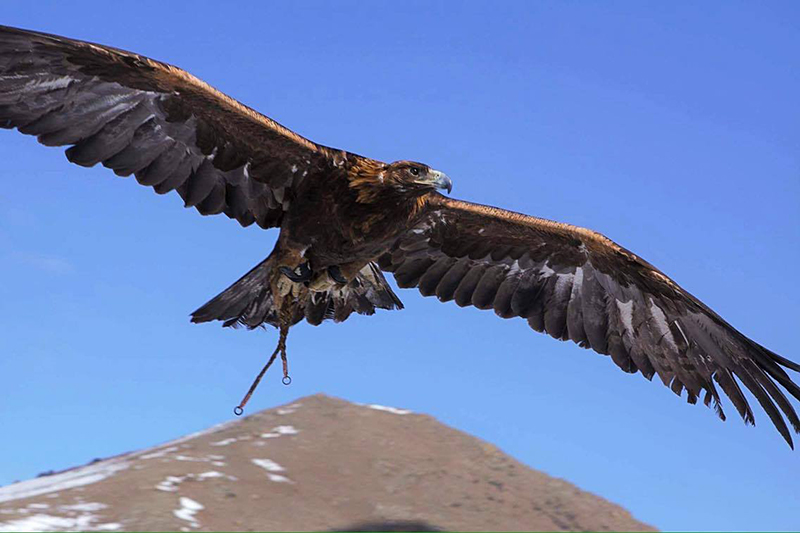
The heart of the festival then centers on simulated hunting trials. The judges observe the relationship between the eagle and its master, the bird’s obedience and responsiveness, as well as the precision and power of its flight. These demonstrations highlight the patience, discipline, and mastery required by this ancient practice.
In the past, some competitions used live animals to test the eagles’ aptitudes. This practice was abandoned to meet visitors’ ethical expectations and to preserve the festival’s responsible image. Today, demonstrations take place in a more respectful setting, while maintaining their intensity and authenticity.
A Comprehensive Cultural Immersion
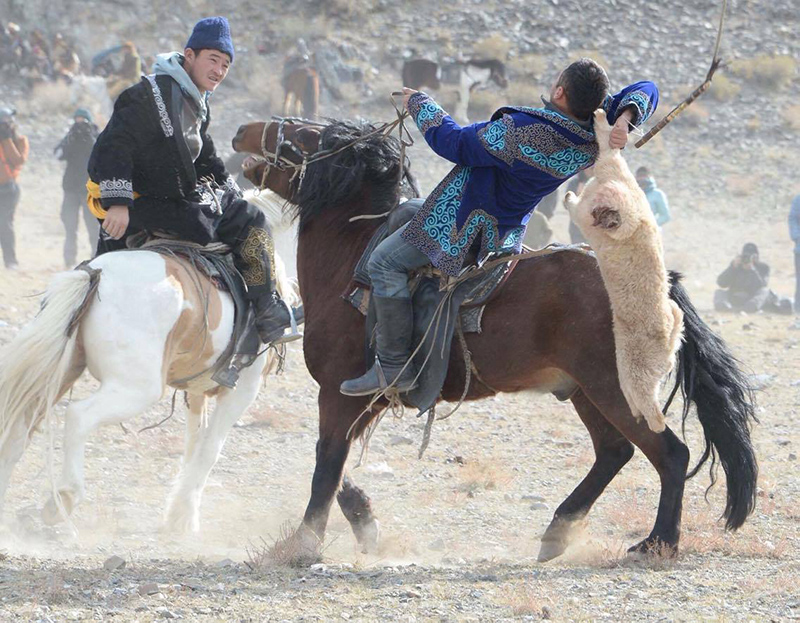
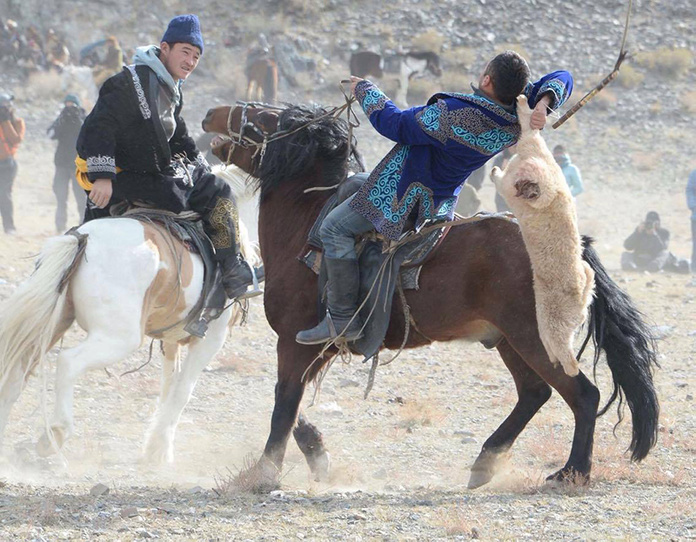
● Kökpar, an impressive equestrian game in which riders contend for a goat carcass
● The horseback collection of pieces from the ground, a spectacular display of dexterity and balance
These moments provide a rare glimpse into the nomadic lifestyle, where riding skill and community cohesion are central.
But beyond the spectacle, it is especially the encounter with the Kazakh people that leaves a lasting impression. Hospitable and proud of their culture, the locals welcome visitors in a warm atmosphere, often around milk tea or a traditional dish shared under the yurt.
An Event Not to Be Missed
Nevertheless, the festival is not just a show for visitors. For Kazakh families, it represents primarily a means of keeping a practice alive, handed down from generation to generation. Eagle hunting is not a staged performance created for tourism; it is part of the daily life and identity of this community settled in the country’s west.
One hunter also said:
“The eagle is not merely a bird for us. It is part of our family. Through the festival, our children take an interest in this tradition, and we can share it with those who come to discover it.”
A One-of-a-Kind Experience
More than a simple event, the festival often leaves a lasting impression: the sense of having drawn near to a living culture still deeply connected to its environment.


[email protected]
+976 7011 5534 and -976 8813 5541
www.dmd-mongolie.com
>> DMD Mongolia in the DESTIMAG Directory
 |
 |