Table of Contents
-
1. Diving and snorkeling in the Bazaruto Archipelago
-
2. Safari at Gorongosa National Park
-
3. Cultural exploration of Ilha de Moçambique
-
4. Surfing and lounging on Tofo beaches
-
5. Discovering the capital, Maputo
-
6. Hiking in the Niassa Reserve
-
Traveling to Mozambique with peace of mind: Is it safe to travel to Mozambique? (and how to understand the dangers of tourism in Mozambique)
-
Understanding the country’s unique appeal: Why do tourists go to Mozambique?
-
Enjoying Mozambique differently: What to do in Mozambique when it rains?
-
A two-person getaway in total serenity: What to do in Mozambique as a couple?
-
Experiencing local life at dusk: What to do in Mozambique in the evening?
-
Sharing the adventure with the youngest: How to organize a family trip to Mozambique?
Nestled on the south-eastern coast of Africa, Mozambique is a destination that entices travelers with its varied landscapes and endless possibilities for adventure. From pristine beaches to lush national parks, and through sites rich in culture and history, Mozambique offers a unique travel experience.
First and foremost, we remind you to consult the Foreign Affairs Ministry’s Travel Advice to understand security and health risks specific to certain areas and the administrative steps to take before your trip.
1. Diving and snorkeling in the Bazaruto Archipelago
The Bazaruto Archipelago, a cluster of islands off the coast, is renowned for its preserved coral reefs and marine life. Here, the crystal-clear water invites you to scuba dive and snorkel, two flagship activities that allow you to encounter dugongs, sea turtles, and an incredible variety of tropical fish. Accessible by boat from Vilankulos, the archipelago offers an exceptional underwater experience in a breathtaking natural setting.
2. Safari at Gorongosa National Park
The Gorongosa National Park is a national ecological treasure, home to rich biodiversity including lions, elephants, and a multitude of bird species. Photo safaris guide visitors through its wild expanses, offering a unique opportunity to observe wildlife in its natural habitat. The best time to visit the park is from May to September, during the dry season, when animals congregate around water points.
3. Cultural exploration of Ilha de Moçambique
UNESCO World Heritage-listed Ilha de Moçambique is an island steeped in history. Portuguese architecture features prominently, with the majestic Fort São Sebastião and well-preserved colonial buildings that trace the era when the island was a major center of trade. Wandering its cobbled streets returns you to a time when the spice and gold trade flourished, while offering enriching interactions with the local culture.
4. Surfing and lounging on the beaches of Tofo
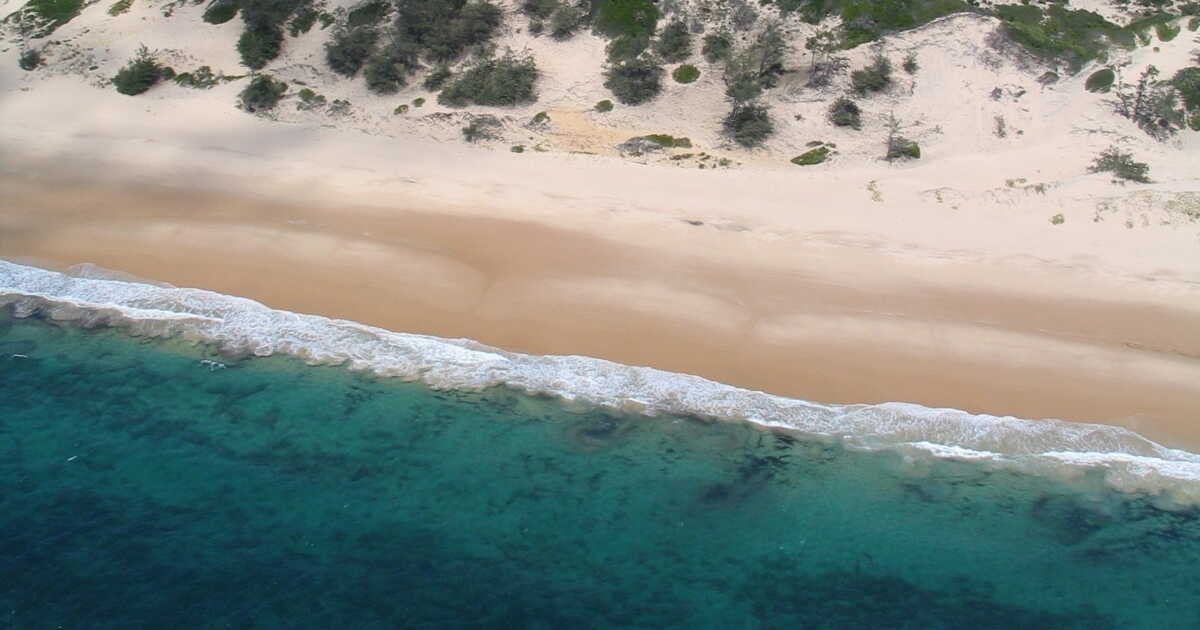
Situated in the Inhambane region, Tofo Beach is a beloved destination for surfers and sunseekers. Its waves attract surfers of all levels, while its white-sand stretches are perfect for sunbathing. Tofo also serves as a gateway for spotting whale sharks and manta rays, drawing travelers eager for exceptional marine experiences.
5. Discovering the capital, Maputo
Maputo, the vibrant and dynamic capital, is a must-visit for those curious about urbanism and culture. The city presents an eclectic blend of colonial architecture, contemporary street art, and colorful markets, such as the Maputo Municipal Market where artisans and vendors offer local goods and fragrant spices. For nightlife enthusiasts, Maputo does not disappoint, with numerous lively restaurants and bars reflecting a unique cultural fusion.
6. Hiking in the Niassa Reserve
Less frequented than its counterparts, the Niassa Reserve is a jewel for lovers of pristine nature. It is home to large herds of African elephants, as well as lions and buffalos. Because of its remoteness, the reserve offers more intimate safaris. The visit is ideal for adventurers seeking discoveries away from the beaten path.
This overview of Mozambique’s activities highlights the richness of experiences to be had in this country that is emerging on the tourism scene. From the lush biodiversity of Gorongosa National Park to the historic heritage of Ilha de Moçambique, and the magical diving of the Bazaruto Archipelago, every traveler will find something to feed their wanderlust. By exploring the beaches of Tofo or the capital Maputo, travelers are invited to immerse themselves in Mozambique’s vibrant cultural mosaic, where each stay promises a new discovery.
Traveling to Mozambique with peace of mind: Is it safe to travel to Mozambique? (and how to understand the dangers of tourism in Mozambique)
The country remains an attractive tourist destination, but it is important to stay informed, particularly in the northern region and the Cabo Delgado province. Travelers are advised to consult the Mozambican Embassy, check health precautions, review the exemptions on the e-Visa platform, and favor areas with suitable infrastructure.
By following simple guidelines, this country bordered by the Indian Ocean offers a fascinating setting of wild nature, cultural discoveries, and breathtaking landscapes. Regional capitals, renowned guesthouses, and Maputo’s Central Station stand as reliable reference points. Security thus remains a matter of preparation, serving a balanced stay that blends curiosity with vigilance.
Understanding the country’s unique appeal: Why do tourists go to Mozambique?
Asking why one would travel to Mozambique is to explore the diversity of its strengths. The country attracts with its white-sand beaches, coral reefs, dive sites, and the peaceful beauty of the Islands of Mozambique or Ilha do Ibo, true windows into the era of colonial buildings.
With unforgettable adventures, road trips, and sunsets along the Indian Ocean coastline, Mozambique stands as a virtuous tourism destination where wild nature remains preserved. Art lovers will appreciate the Casa de Ferro, an architectural masterpiece nicknamed the Iron House, or the wood sculptures of the Makonde people.
The period from April to November often represents the best season, powered by traditional Mozambican music, including marrabenta, which accompanies daily life and helps shape cultural identity.
Enjoying Mozambique differently: What to do in Mozambique when it rains?
Addressing the question “What to do in Mozambique when it rains?“, the answer leans toward places of strong heritage value. Museums, colonial buildings, the Central Railway Station, or a visit to the Casa de Ferro allow for a deeper understanding of the country’s history while staying indoors.
Travelers can also explore traditional music, meet local artists who work with wood sculpture, or linger in welcoming guesthouses, true places of relaxation. These moments foster a more immersive approach focused on cultural discovery, cuisine, and human exchange. Even away from diving spots, Mozambique offers a small paradise where one gets closer to the essential and where every place reveals a fragment of national identity.
A two-person getaway in total serenity: What to do in Mozambique as a couple?
Exploring Mozambique as a couple invites prioritizing intimate experiences. White-sand beaches, coral reefs, protected islands like Ilha do Ibo and the Islands of Mozambique offer a peaceful setting conducive to rejuvenation. Watching a sunset over the Indian Ocean, staying in attentive guesthouses, or discovering traditional Mozambican music create a subtly romantic atmosphere.
Itineraries might include road trips where you glimpse the Zambezi River, visits to colonial buildings, or cultural strolls around the Iron House. These experiences, enhanced by the ideal travel window from April to November, reveal a true ecological jewel, quiet yet profoundly appealing for travelers seeking serenity.
Exploring local life at dusk: What to do in Mozambique in the evening?
The question of evening activities in Mozambique highlights the country’s cultural dimension. In the major cities, traditional music, marrabenta, and urban music set the pace for evenings, offering understated and authentic experiences.
Seafront dinners along the Indian Ocean, encounters around crafts, or guided nocturnal strolls through vibrant neighborhoods extend the day in a tranquil atmosphere.
Guesthouses and certified hotels may host concerts or cultural exchanges, reminding us that Mozambique remains above all a country of hospitality and cultural discovery, where each place embodies a facet of its plural identity.
Sharing the adventure with the youngest: How to organize a family trip to Mozambique?
The question of organizing a family trip to Mozambique highlights the importance of a travel plan built with responsibility. White-sand beaches, family-friendly guesthouses, visits to colonial buildings and the Central Railway Station offer educational and accessible activities.
Watching wildlife, exploring near coral reefs, or taking cultural walks with the Makonde people helps raise awareness in younger travelers about the world’s diversity. It is important to properly plan the tourist visa, health precautions, and favorable periods such as April to November.
The country thus appears as a gateway to a true ecological jewel, where every experience enriches the understanding of travel and the world.
This article was drafted with the aid of artificial intelligence, then corrected, expanded, and validated by the newsroom’s journalists.