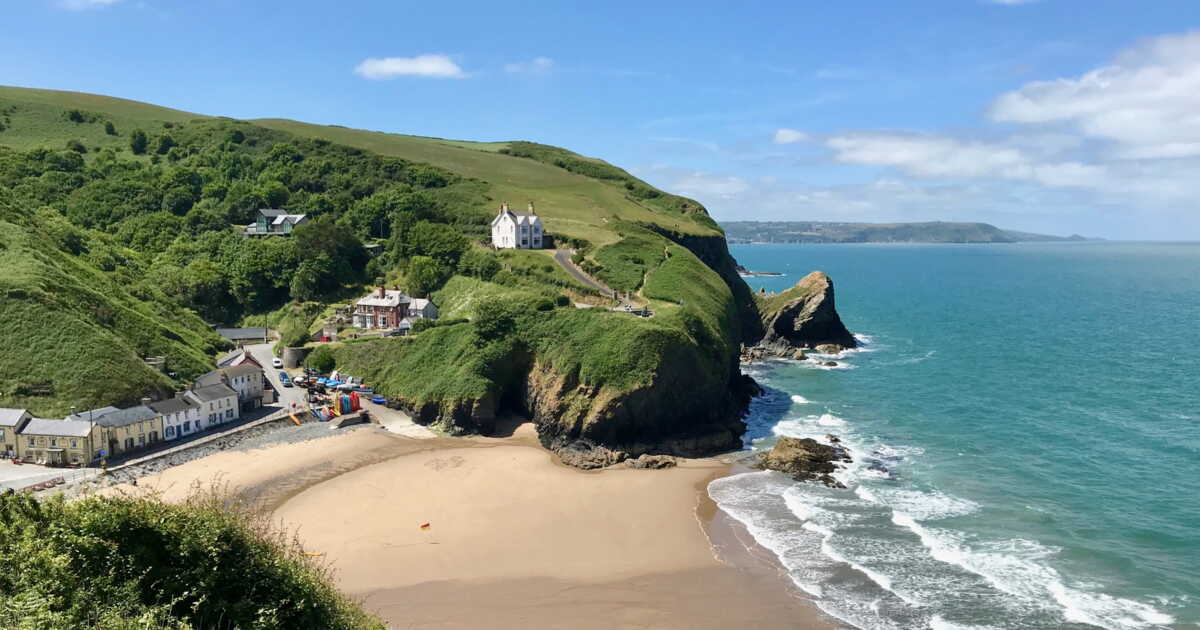
Between bustling cities, nature-filled hikes, wild beaches and picturesque villages, Wales offers numerous ways to escape. Discover seven activities to explore its grand landscapes and dive into its history and culture.
1. Discover the vibrant cities of Cardiff, the capital of Wales
Dynamic capital of Wales, Cardiff is a city where ancient history meets modernity. Explore the Cardiff Castle, a jewel dating from the Roman era and erected in the Middle Ages. Just steps away, glimpse the city’s evolution at the Cardiff Bay, one of the grandest urban-planning feats in Europe.
The Bay is lined with restaurants, cafés and leisure venues. Art enthusiasts should not miss the National Museum Cardiff, home to a vast collection of Impressionist paintings and works by Welsh masters. Moreover, stroll through the shopping lanes and let yourself be drawn to the local crafts.
2. Hiking in the Snowdonia National Park
The Snowdonia National Park, located in the north of the country, is a natural sanctuary beloved by outdoor enthusiasts. The park covers more than 2,000 square kilometers of mountainous terrain, ideal for hiking, climbing and wildlife watching. The Snowdon, the highest peak in Wales at 1,085 metres, draws thousands of walkers each year.
For the less adventurous, the cog railway allows reaching the summit without effort. The lakes reflecting the peaks and the green valleys cradle and nourish this unique wild region.
3. Exploring the beaches of the Pembrokeshire
With its rugged coastlines and golden beaches, the Pembrokeshire Coast National Park offers an idyllic setting for sea lovers. The Pembrokeshire Coastal Path stretches 300 km and passes through quaint villages, dramatic cliffs and secluded beaches. Tenby, a popular seaside resort, charms with its colorful houses and charming shops. Favourite among adventurers, the region invites you to try coasteering, a fun activity combining climbing, leaps into the water and swimming along the cliffs.
4. Visiting medieval castles such as Pembroke Castle
Wales is often dubbed the land of castles, with around 600 historic sites. Among the most renowned, Caernarfon Castle is a UNESCO World Heritage Site. Built by Edward I in the 13th century, it embodies medieval architectural prowess. Conwy Castle, truly spectacular with its eight imposing towers, and Pembroke Castle, offering a breathtaking view of the River Cleddau, are also unmissable to dive into Wales’s turbulent history.
5. Discovering picturesque villages like Portmeirion
Venturing off the beaten path, discover the tranquil life of authentic Welsh villages. Portmeirion is famous for its distinctive Mediterranean-inspired architecture, the work of Sir Clough Williams-Ellis. The village of Llangollen, nestled in a valley home to the Dee river, invites you to soak up Welsh history while enjoying cultural festivals and steam-boat rides. The fishing harbor of Abertaeron, meanwhile, evokes the quaint charm of seaside resorts of yesteryear with its pastel houses by the sea.
6. The Big Pit National Coal Museum: explore industrial heritage
The country’s mining past is highlighted at the Big Pit National Coal Museum in Blaenavon, a UNESCO World Heritage Site. Visitors can descend more than 90 metres underground to discover the working conditions of miners. The country’s industrial history has left a lasting mark on its culture, architecture and way of life, offering a compelling look at its economic development.
7. Participating in Welsh festivals
To experience an immersive trip, nothing beats taking part in one of the many Welsh festivals. The Eisteddfod, an annual festival dedicated to Welsh music, dance and poetry, is an excellent way to immerse yourself in local culture. Other events, such as the Lorient Inter-Celtic Festival, which takes place partly in Wales, showcase a rich program of Celtic music and cultural performances.
In conclusion, Wales is a true treasure for travelers in search of adventure, nature, and cultural discoveries. Its diversity of activities and landscapes guarantees an enriching experience for every type of traveler. Continue your exploration, whether to savor the unique flavors of Welsh cuisine or to contemplate the riches of its scenery.
Choosing the best time to visit Wales: which season should you favor to discover its grand landscapes?
The best time to visit Wales falls between May and September, when the days are longer and offer optimal weather for discovering the kingdom’s beautiful places, such as Snowdonia National Park, the Llyn Peninsula, or the valleys of the Brecon Beacons. During these months, the light reveals the diversity of the grand landscapes, from high mountains, sheep scattered in meadows, and seaside villages with colorful buildings.
This period also makes access to the coast, castles and Europe’s medieval buildings easier, while offering a breath of iodised air on the trails. In the north, a visit to Llandudno allows admiring the Great Orme under a steadier sky, while the Conwy region, bordered by the Conwy River, preserves a remarkable medieval atmosphere. These conditions make for an optimal time to visit, especially for hikes such as Snowdonia’s Cwm Idwal hike.
What to do in Wales when it rains: exploring museums, castles and Welsh traditions
When rain sets in, Wales lends itself to an immersive exploration of its history, arts and traditions. Visitors find refuge in the country’s most iconic buildings, notably Cardiff Castle, the most imposing urban fortress in the country, or the St Fagans: National History Museum, an open-air museum but with indoor spaces tracing the course of centuries.
In the north, Conwy Castle and Caernarfon Castle, two of Europe’s major medieval edifices, let you admire an imposing structure even in bad weather. When shelter is needed, the Ffestiniog & Welsh Highland Railways offer an ideal alternative with their little steam train traversing valleys and slate mines beneath a lush green backdrop. This damp but sturdy setting reveals a crucial part of Welsh identity, rooted in stone, memory and legends.
What to do in Wales in the evening: medieval ambiance, illuminated bays and living heritage
Evening offers another perspective on Wales, especially in the capital, where Cardiff Bay lights up the facades of city buildings and its lively seafront. A stroll through the downtown area allows you to appreciate the play of lights on modern and historic monuments, while the Conwy region reveals its medieval silhouette along the Conwy River.
Visitors can also devote their evenings to cultural performances or guided nighttime tours of certain castles such as Conwy Castle. In rural areas, the northern coastline and the heights of the Great Orme are perfect for watching a beautiful sunset, with the Irish Sea as a backdrop. These quiet moments highlight the timeless character of the villages and the strength of local traditions.
What to do in Wales as a family: nature, historic trains and coastal villages
Wales is a particularly family-friendly destination thanks to its many accessible activities. The Ffestiniog & Welsh Highland Railways, with its steam train, remains one of the most beloved attractions, offering a safe crossing of Snowdonia’s valleys and its grand landscapes, dotted with sheep, hills and remnants of slate mines.
On the coast, the villages of Llandudno and Conwy offer easy access to seaside strolls. Families can also explore Snowdonia National Park, whose child-friendly trails provide a breath of fresh air and total immersion in nature. A stop at the Great Orme, reachable by tram or road, is a highlight, complemented by the gardens of Bodnant Garden for a peaceful pause. This diversity of experiences makes Wales a well-rounded destination for learning, walking and discovering together.
This article was drafted with the help of artificial intelligence, then corrected, expanded, and validated by our editorial team.