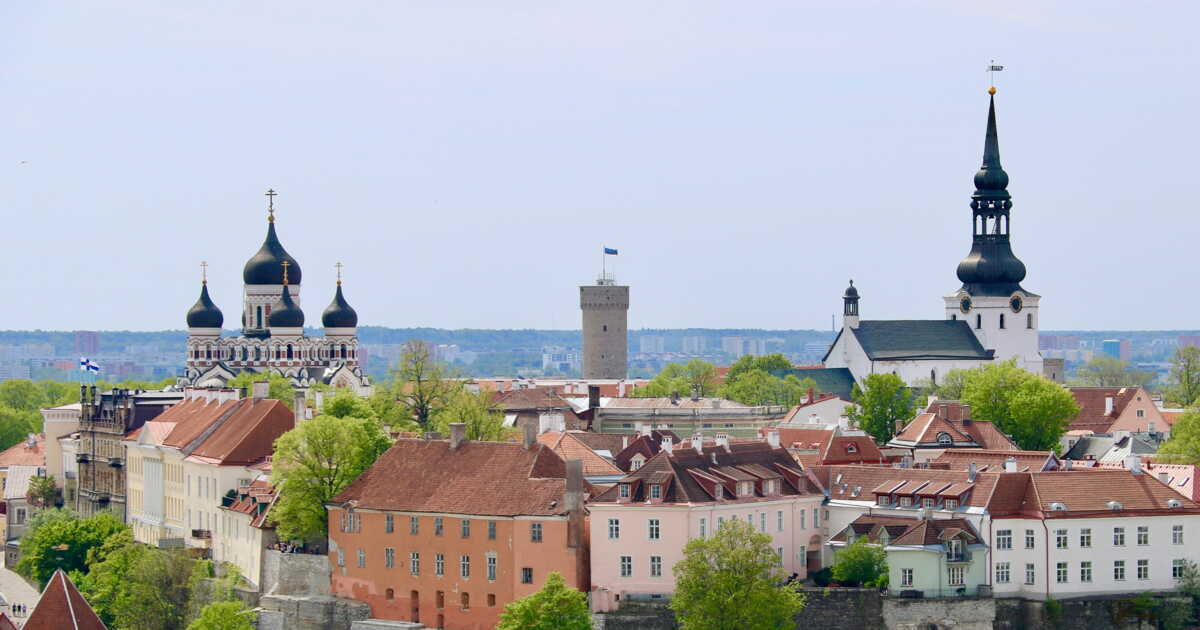
Feeling peckish? There is almost certainly a man or a woman selling bite-sized treats from a windowsill. Perhaps their garden has even been turned into a pop-up tea room for a weekend or two. In Estonia, the idea of stopping to eat or drink something at a stranger whose trade is not at all in the restaurant business isn’t altogether far-fetched. It has even become a tradition for twenty years.
Estonia had long been overlooked by travelers from around the world. In 2007, to attract more visitors beyond July, the BBC reports, Hiiumaa Island’s tourism promoters had an idea: to create the Kodukohvikute Päev, literally the “home café day.” They invited residents to open their gardens, balconies, or windows to sell goods prepared by themselves to passersby. A day that fits into a broader historical tradition.
A Day Created Twenty Years Ago in Reference to Estonia’s Late Adoption of Coffee
The idea actually dates back to the mid-1800s. On the island of Hiiumaa, a textile factory had taken up residence there. It belonged to a German baron who largely employed workers from Central Europe. They were accustomed to drinking a lot of coffee. A beverage that Estonians had not yet widely embraced, preferring beer or fermented milk. The influence of foreign workers pushed Hiiumaa residents to drink more coffee, including at the workplace.
So to give a nod to that era, tourism professionals wanted to create the Kodukohvikute Päev. Pop-up cafés were born, and Hiiumaa residents embraced this new way of welcoming visitors. Little by little, the custom spread across the country. It is now available in more than 150 towns nationwide, from April to September.
How to Find a Kodukohvikute Päev to Join in Estonia?
For Estonians, this tradition embodies their warmth toward strangers but is also a way to showcase their culture. “One of the reasons we began organizing this event is that during the summer there are fewer moments when people wear traditional outfits or cook typical dishes like sõir, our cheese”, explains Liis Kogerman, an organizer of a Kodukohvikute Päev in the south of the country.
If you find yourself in Estonia this summer and you wish to participate in a Kodukohvikute Päev, know that these events are locally organized. You’ll need to check with local tourist offices or on social media to see if the region where you are staying has one planned during your holidays. You can search for the keyword “Kohvikutepäevad” online to obtain precise information on how they unfold.
Want to share your view on climate change in France? Join the Climate Eye photo contest!