This New Scam That Threatens to Ruin Your Vacation

When you travel, scanning a QR code has become a routine gesture… one that delights cybercriminals. According to a recent report from the antivirus company McAfee, 62% of travelers take risks by scanning QR codes in train stations, airports, hotels, or restaurants. But the danger does not come from the code itself. Explanations.

For Nacho González, a QR code expert, tourists are particularly vulnerable. “They scan codes they do not know, in places they are discovering, often in a hurry and with an unstable Internet connection”, he told Travel Leisure on Wednesday, July 1. He adds that “the danger begins when the page asks for permissions, personal data, a payment, a connection or the installation of an application”.

Fake QR codes affixed to real ones

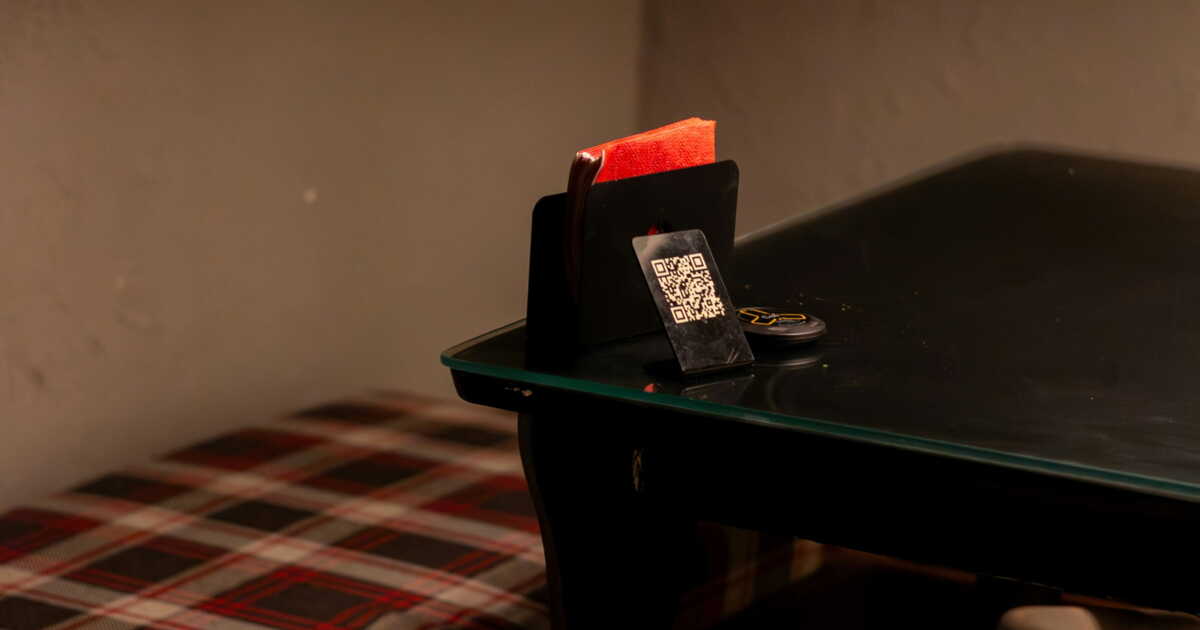
The most common fraud is known as “quishing”, or QR code phishing. The principle is simple. Scammers place a fake QR code over a genuine one, for example on a parking meter, a bike rental stand, a restaurant table or the counter of a hotel. That code redirects travelers to a counterfeit site to harvest their credentials, their banking details, or to install malware on their smartphone. And the trap closes around them.

“The situation becomes risky when three conditions come together: the code is displayed in a public place without surveillance, it has been sent to you by SMS, email, or a flyer without your having requested it, and/or it urges you to make a payment or verification in a hurry”, adds Harry Maugans, cybersecurity expert and CEO of Privacy Bee.

Techniques to avoid falling for it

Experts recommend taking a few seconds before scanning a code. It is advised to check that it is not a sticker placed over an original surface, with possible raised edges, to inspect the print quality and layout, and to seek confirmation from staff if in doubt. It is also best to use directly the camera on your phone to display the site address before opening it.

“Read the web address and verify the absence of spelling mistakes, shortened links masking the final URL, or sites using the HTTP protocol instead of HTTPS, and make sure the full URL matches the real name of the company”, suggests Nacho González. A menu, a hotel registration page or a payment service will never ask for your password or your full card number.

If a traveler suspects they have been trapped, the recommended course of action is to immediately stop browsing, disconnect from public Wi‑Fi, and avoid downloading anything. Experts then advise promptly changing passwords for sensitive accounts, informing their bank if a payment was made, and monitoring transactions for several days.
New Airport Scam Could Get You Arrested Abroad

Checking a suitcase at check-in is a routine gesture for millions of travelers. Yet a new kind of fraud is now worrying authorities in several countries, including Canada: criminals would divert passengers’ baggage tags to attach them to suitcases filled with drugs. As a result, some tourists find themselves suspected of international trafficking without ever having seen the incriminated luggage. A little-known threat that could affect far more travelers than one might think.

A manipulation of a few seconds with heavy consequences

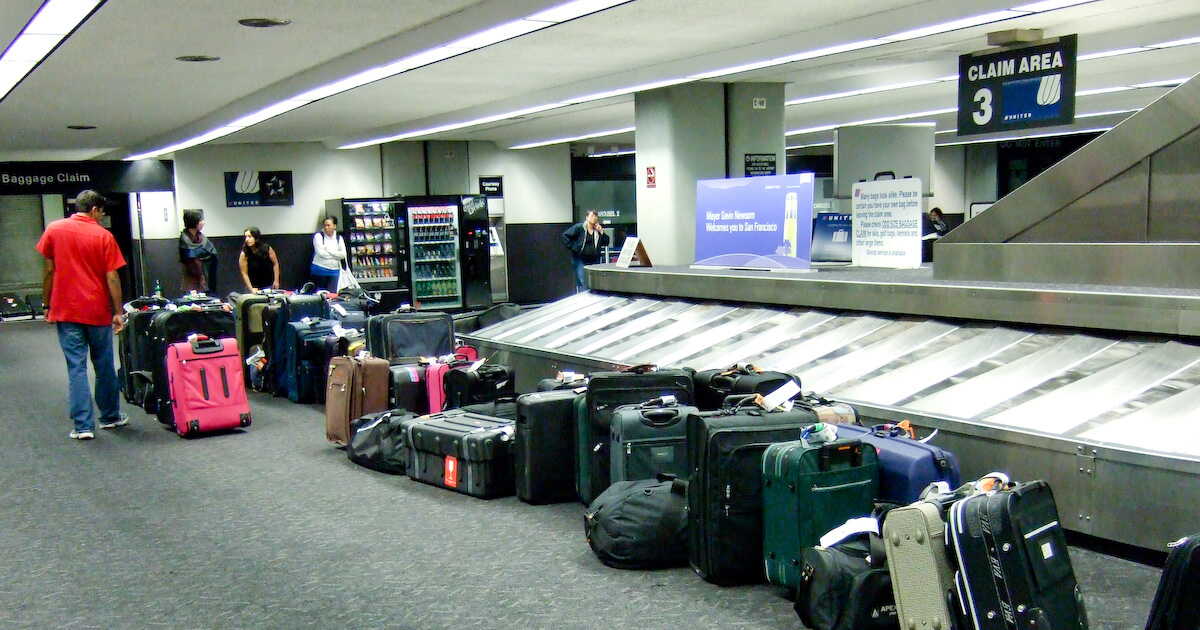
The scheme hinges on a detail that many passengers do not monitor: the barcode label affixed to their suitcase during check-in. According to an investigation by the Canadian outlet CTV News, at least 17 travelers who departed from Canada were involuntarily involved in drug-trafficking cases in the past year.

The method is relatively straightforward. After a bag is checked in, an accomplice staff member removes the passenger’s luggage tag and affixes it to another suitcase, this time one that is stuffed with drugs. If the fraudulent bag slips past security undetected, the accomplices retrieve it upon arrival. Conversely, if illicit substances are discovered, the name on the tag points to a traveler wholly unrelated to the operation.

The consequences can be particularly severe. The documented cases involve flights headed for Paris, Germany, Morocco, the Dominican Republic, South Korea, or the Philippines, countries where penalties for drug trafficking can be very harsh.

One of the most notable cases concerns Nicole, a 35-year-old Canadian traveling to New Zealand with her family. During a layover in Vancouver, authorities suddenly pulled her from the plane after two suitcases bearing her name were found suspicious. Inside, agents recovered more than 20.5 kg of alleged methamphetamine.

Facing this situation, she explained to CTV News: “How can you contest that there is a label in your name? How can I deny that it’s not mine?”. After several hours of detention, she was eventually released, investigators having apparently established that the luggage did not belong to her.

The precautions to take before each flight

This fraud is even more worrying because many victims would never discover that they were used. According to several testimonies gathered by CTV News, traffickers sometimes place GPS trackers, notably AirTags, in drug-laden suitcases to recover them discreetly at destination.

Nicole herself recounted what investigators would have told her. “They will swap the labels (…) then they will recover the bags containing the drugs”, she said. She adds: “You will arrive at your destination, pick up your suitcase, and you won’t even know that anything happened.”

To limit the risks, several simple measures are recommended. The first is to photograph your suitcase right before check-in. Authorities also advise taking a photo or video at the moment the luggage is weighed. This detail can prove valuable if the bag’s weight becomes a key element in the investigation.

It is also advised to verify that the tag is securely fixed before the bag disappears on the conveyor belt. Keeping the baggage receipt issued at check-in is equally important, as it allows you to compare the identification numbers in case of trouble.

The use of a connected tracker constitutes another useful protection. If your real suitcase is sent elsewhere after an exchange of tags, the geolocation data can help demonstrate that it was not at the same place as the bag containing the drugs.

Finally, taking a photo of the label itself, with the tracking number, destination, and passenger name clearly visible, can provide an additional piece of evidence. Precautions that may seem excessive, but that could spare some travelers from having to prove their innocence thousands of kilometers from home.

In the same series “Traveler Tips”:

Reclining seat on the plane, its occupant without headphones… tips from a flight attendant on dealing with incivilities

Here are the 3 quick moves to borrow from flight attendants to travel like a pro

Here are the dirtiest spots and objects in a hotel room