Korean Air Unveils New Lounge at Los Angeles International Airport


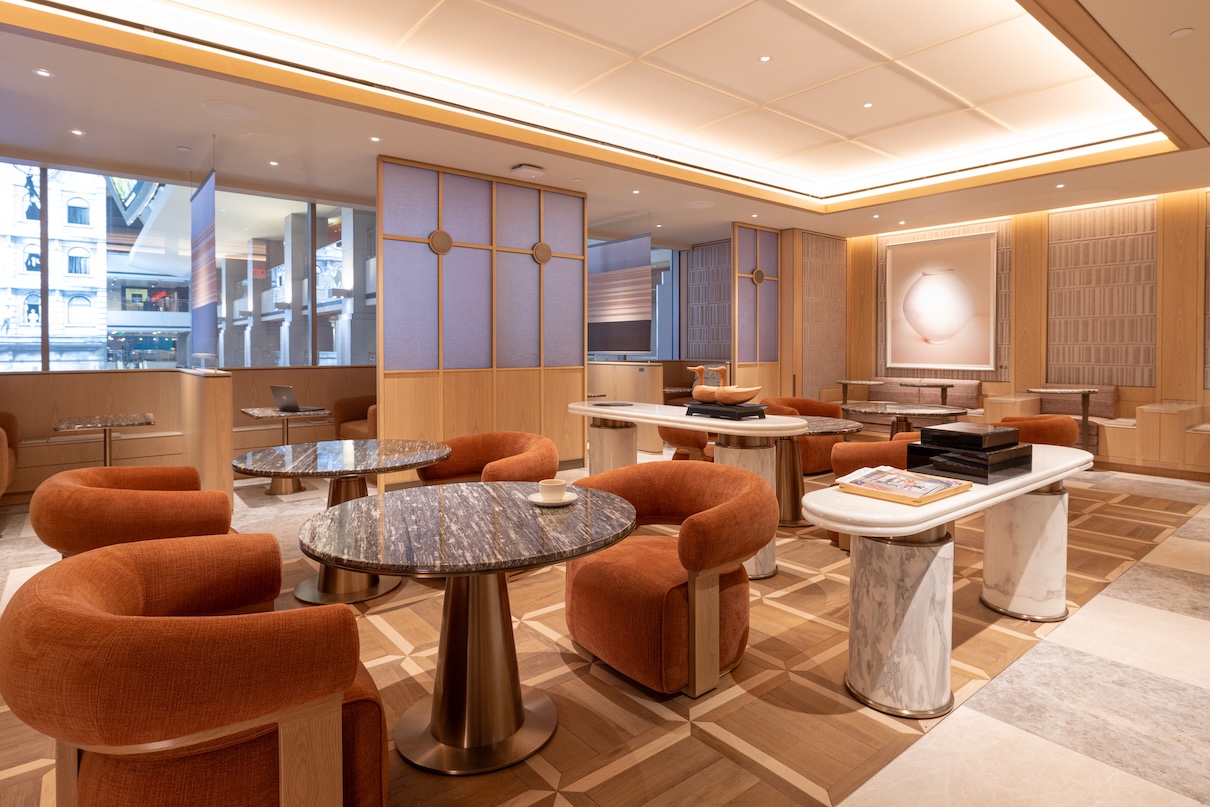
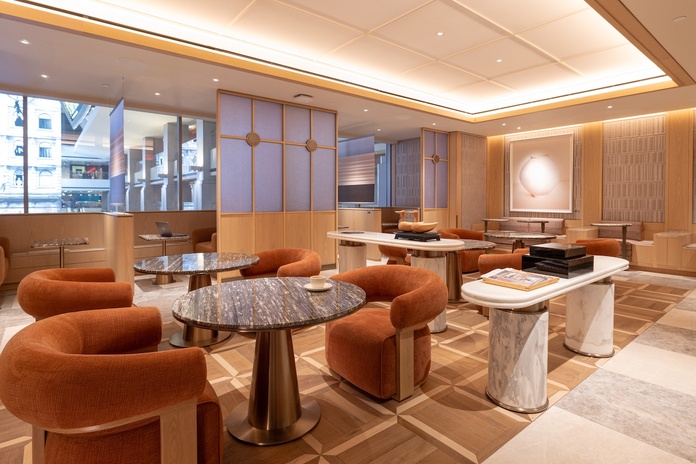
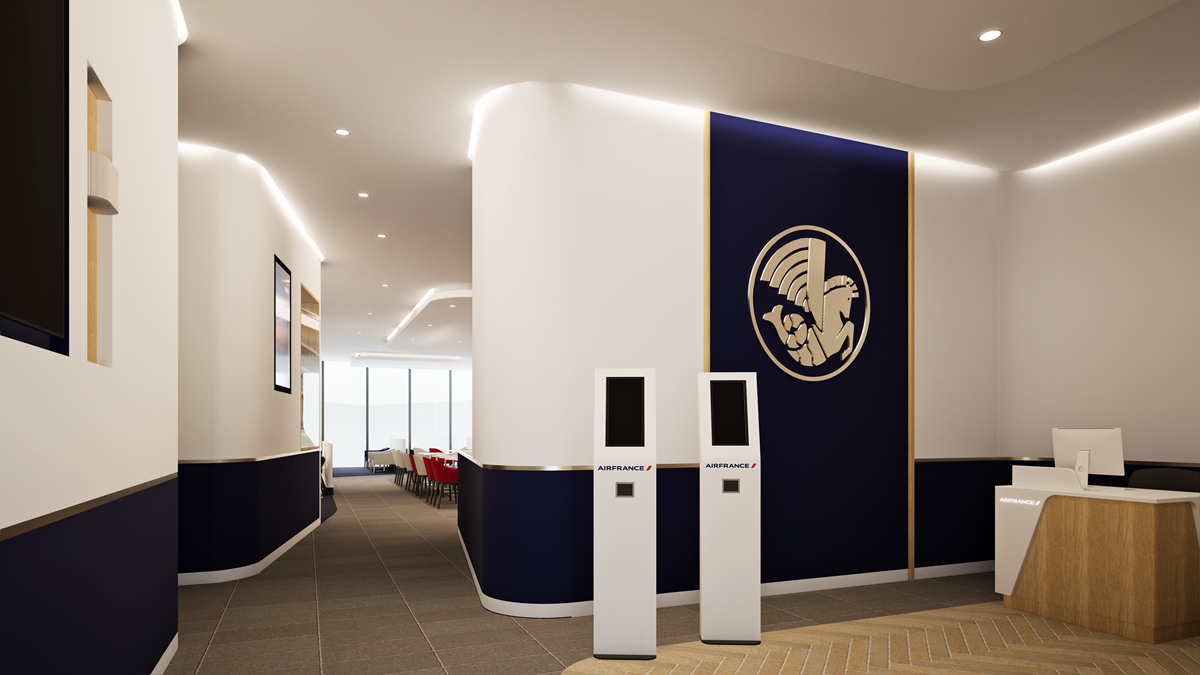
Le nouveau salon Korean Air à l’aéroport international de Los Angeles comprend le salon Miler Club & Prestige Classe au 5e étage - Photo : Korean Air

IFTM TourMaG Party


On March 6, 2026, the South Korean carrier Korean Air will inaugurate its brand-new lounge at Los Angeles International Airport (LAX), inside the Tom Bradley international terminal.

In the lead-up to this opening, nearly 200 guests, partners and industry stakeholders were able to preview the renovated facilities as early as February 26.

Designed by the Singapore-based firm LTW Designworks, the new lounge represents an investment of 65 billion South Korean won and required 22 months of construction. It is the airline’s first renovated lounge abroad, ahead of the forthcoming integration of Asiana Airlines with Korean Air.

Covering a total area of 1,675 m², the space becomes the airline’s largest lounge operated outside South Korea. It unfolds across two levels: the First Class lounge on the 6th floor, and the Miler Club & Prestige Class lounge on the 5th floor.


An interpretation of “modern Korean luxury”

Located on the upper levels of the terminal, the lounge benefits from expansive glass walls and a terrace with a balcony offering a panoramic view of the airport’s interior.

The objective is to create an open and bright environment.

The interior design highlights wooden textures and stone materials, embodying a refined vision of modern Korean luxury.

The space is also enriched with traditional Korean artworks: Buncheong ceramics, brush-and-ink paintings, and Dalhangari jars, blending Eastern heritage with contemporary international aesthetics.


A reimagined premium experience

The First Class lounge includes two private suites, an à la carte dining service with dishes prepared to order, as well as a bar offering craft cocktails and premium beverages crafted by professional bartenders.

On the Miler Club and Prestige Class lounges, an open kitchen allows chefs to prepare dishes on site. The offering also highlights local products, including artisanal beers from Southern California and a signature Los Angeles coffee.

Miler Club passengers can order certain dishes directly from their seats thanks to a digital system accessible via a QR code. Beyond dining, the space includes work zones, family areas and showers.


LAX, a strategic hub

Los Angeles International Airport is Korean Air’s primary North American gateway and a key hub linking Asia, the United States and Latin America.

The lounge will be accessible to eligible Korean Air passengers as well as premium clients of SkyTeam alliance partner airlines, giving them the opportunity to experience the airline’s signature hospitality.

After LAX, Korean Air will continue upgrading its lounge network at its major global hubs. Another renovated lounge is set to be inaugurated later this year at John F. Kennedy International Airport (JFK) in New York.

With the opening of this iconic lounge, Korean Air will further strengthen its presence at LAX while delivering a more refined and differentiated premium travel experience.

We will continue to invest in our services and our infrastructures to exceed the expectations of our international customers
“, said David Pacey, executive vice president and head of in-flight services and lounges at the airline.


Amelia Brille Published by Amelia Brille TourMaG.com Writer
See all articles by Amelia Brille

  • picto Linkedin
  • picto email
Add TourMaG to your Google News feed Google Actualités icône

Airport: Expect Long Lines This Summer

The new European border management system, called EES (Entry/Exit System), has come into operation on 10 April 2026. It is a European database enabling the digital collection of personal data from third-country nationals, whether visa-exempt or not, upon their entry into and exit from the 29 Schengen-area countries. This device was introduced to modernize controls at Europe’s external borders.

It gradually replaces the manual passport stamp with a digital record of non-European travelers’ entries and exits, including biometric data such as a facial photograph and fingerprints.

However, since its rollout at airports, the system has caused disruptions, notably long queues for travelers. Indeed, according to a recent Financial Times statement, several affected countries placed late orders for the biometric data-collection machines required to implement this device, which could significantly disrupt travel during the peak summer season.

A new European border system that could disrupt air travel this summer

Marco Troncone, the head of Rome Airports, recently told a British media outlet that he was “very worried about the summer” and that “the EES system must be suspended to avoid a catastrophe.” Indeed, the situation has already caused concern in Switzerland, Portugal, Belgium and Greece, where authorities have sometimes suspended biometric checks to prevent airport saturation, while American and British holidaymakers prepare to flock to the continent. Olivier Jankovec, head of the airport industry association ACI Europe, meanwhile warns that the “system is not functioning”.

Originally, the automated system was designed to process each passenger in less than a minute. But when it is out of service or malfunctioning, customs officers must revert to manual checks, including fingerprint collection. This is why wait times can grow substantially for travelers, especially since many airports require a single queue for all passengers.

According to ACI Europe’s findings, drawn from 45 airports across 20 countries, passengers wait up to three and a half hours to be served. Smaller airports have been particularly affected by the new device, notably the Greek islands of Corfu and Zakynthos, which require travelers to wait on the tarmac. According to Olivier Jankovec, the European Commission “from the start, ignored the operational implications of the device. For weeks and months, they refused to see that we had problems”, he revealed.

European airports adapt their strategies to address EES-related challenges

To mitigate the difficulties related to implementing the EES, some member states are organizing as best they can. Malta has announced a contract with an Italian company specializing in artificial intelligence for installing facial-image capture kiosks, while the Czech government awarded a contract for fingerprint readers at Prague Airport. Meanwhile, Ryanair has asked Spain to suspend its entry authorization system, described as “half-baked” after complaining of “excessive” queues that can reach up to an hour at passport controls.

Switzerland has already had a glimpse of the disruptions the EES could bring this summer, its airports having faced long delays during the winter ski season. At Geneva Airport, queues for non-EU passengers reached up to two and a half hours, prompting authorities to double staff in the arrivals hall. The European Commission, for its part, has repeatedly stressed that the system is functioning correctly and that member states have the flexibility to temporarily suspend biometric checks until September.

According to Commission figures, the new system has already logged more than 108 million entries since October and has denied access to 42,000 people, including 1,100 deemed security risks. Moreover, a Commission spokesperson recently reaffirmed that it is up to member states to ensure proper deployment of the border-management operating system on the ground. The smooth operation of borders must be guaranteed by member states through a sufficient number of border guards and automated solutions, such as self-service kiosks and electronic gates.

New Airport Scam Could Get You Arrested Abroad

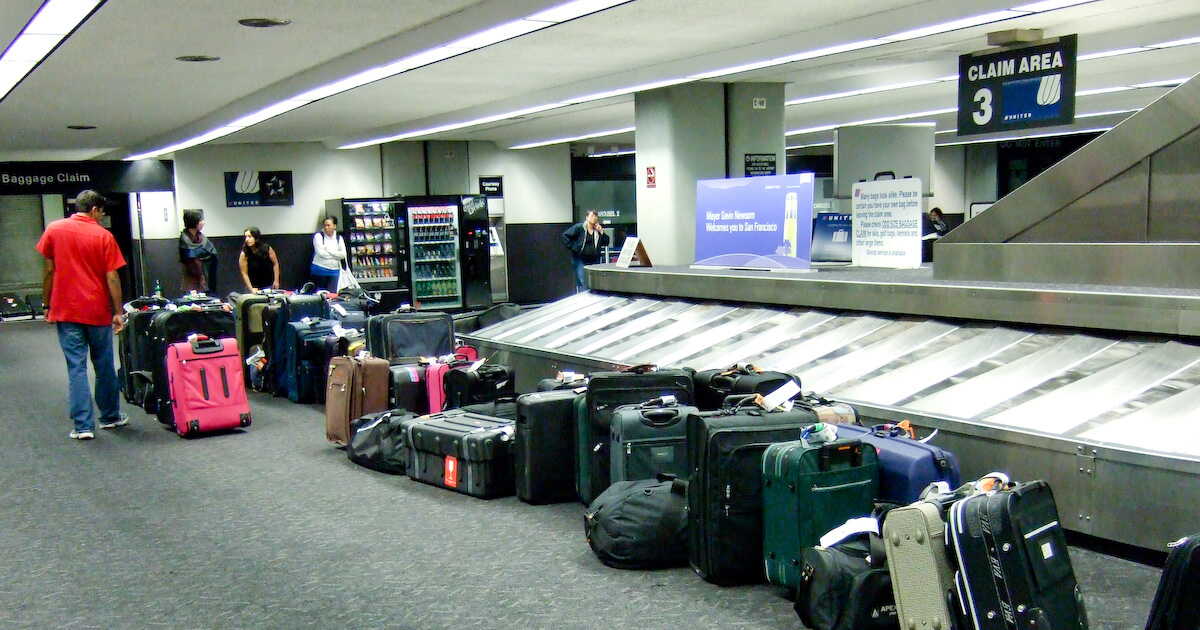
Checking a suitcase at check-in is a routine gesture for millions of travelers. Yet a new kind of fraud is now worrying authorities in several countries, including Canada: criminals would divert passengers’ baggage tags to attach them to suitcases filled with drugs. As a result, some tourists find themselves suspected of international trafficking without ever having seen the incriminated luggage. A little-known threat that could affect far more travelers than one might think.

A manipulation of a few seconds with heavy consequences

The scheme hinges on a detail that many passengers do not monitor: the barcode label affixed to their suitcase during check-in. According to an investigation by the Canadian outlet CTV News, at least 17 travelers who departed from Canada were involuntarily involved in drug-trafficking cases in the past year.

The method is relatively straightforward. After a bag is checked in, an accomplice staff member removes the passenger’s luggage tag and affixes it to another suitcase, this time one that is stuffed with drugs. If the fraudulent bag slips past security undetected, the accomplices retrieve it upon arrival. Conversely, if illicit substances are discovered, the name on the tag points to a traveler wholly unrelated to the operation.

The consequences can be particularly severe. The documented cases involve flights headed for Paris, Germany, Morocco, the Dominican Republic, South Korea, or the Philippines, countries where penalties for drug trafficking can be very harsh.

One of the most notable cases concerns Nicole, a 35-year-old Canadian traveling to New Zealand with her family. During a layover in Vancouver, authorities suddenly pulled her from the plane after two suitcases bearing her name were found suspicious. Inside, agents recovered more than 20.5 kg of alleged methamphetamine.

Facing this situation, she explained to CTV News: “How can you contest that there is a label in your name? How can I deny that it’s not mine?”. After several hours of detention, she was eventually released, investigators having apparently established that the luggage did not belong to her.

The precautions to take before each flight

This fraud is even more worrying because many victims would never discover that they were used. According to several testimonies gathered by CTV News, traffickers sometimes place GPS trackers, notably AirTags, in drug-laden suitcases to recover them discreetly at destination.

Nicole herself recounted what investigators would have told her. “They will swap the labels (…) then they will recover the bags containing the drugs”, she said. She adds: “You will arrive at your destination, pick up your suitcase, and you won’t even know that anything happened.”

To limit the risks, several simple measures are recommended. The first is to photograph your suitcase right before check-in. Authorities also advise taking a photo or video at the moment the luggage is weighed. This detail can prove valuable if the bag’s weight becomes a key element in the investigation.

It is also advised to verify that the tag is securely fixed before the bag disappears on the conveyor belt. Keeping the baggage receipt issued at check-in is equally important, as it allows you to compare the identification numbers in case of trouble.

The use of a connected tracker constitutes another useful protection. If your real suitcase is sent elsewhere after an exchange of tags, the geolocation data can help demonstrate that it was not at the same place as the bag containing the drugs.

Finally, taking a photo of the label itself, with the tracking number, destination, and passenger name clearly visible, can provide an additional piece of evidence. Precautions that may seem excessive, but that could spare some travelers from having to prove their innocence thousands of kilometers from home.

In the same series “Traveler Tips”:

Reclining seat on the plane, its occupant without headphones… tips from a flight attendant on dealing with incivilities

Here are the 3 quick moves to borrow from flight attendants to travel like a pro

Here are the dirtiest spots and objects in a hotel room
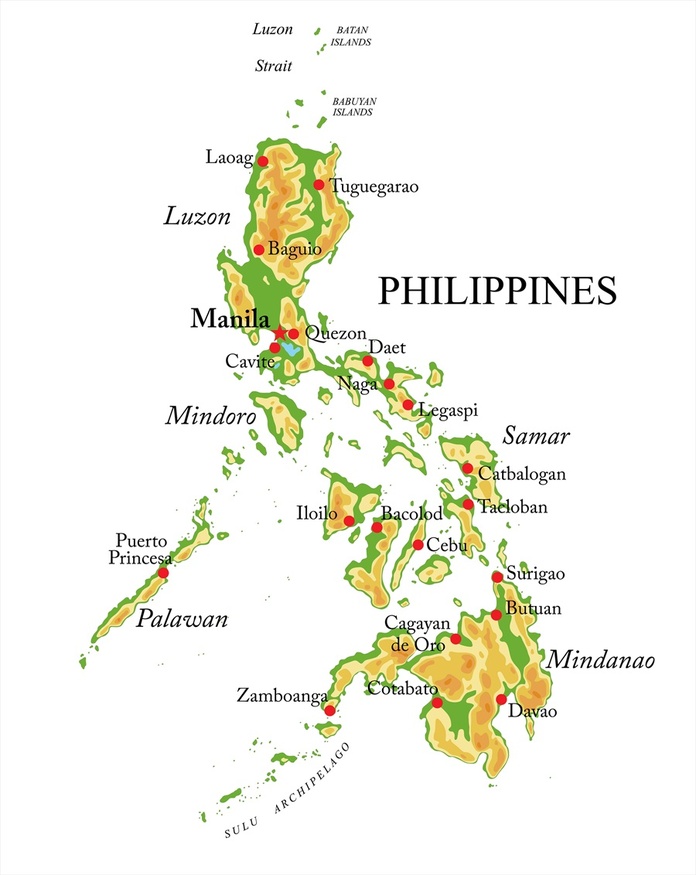
Philippines: International Airport Closed After Powerful Earthquake


L’aéroport international de General Santos fermé jusqu’à nouvel ordre - Depositphotos @BogdanSerban

Dream Yacht


This Monday morning, June 8, 2026, a powerful earthquake struck the Philippines.

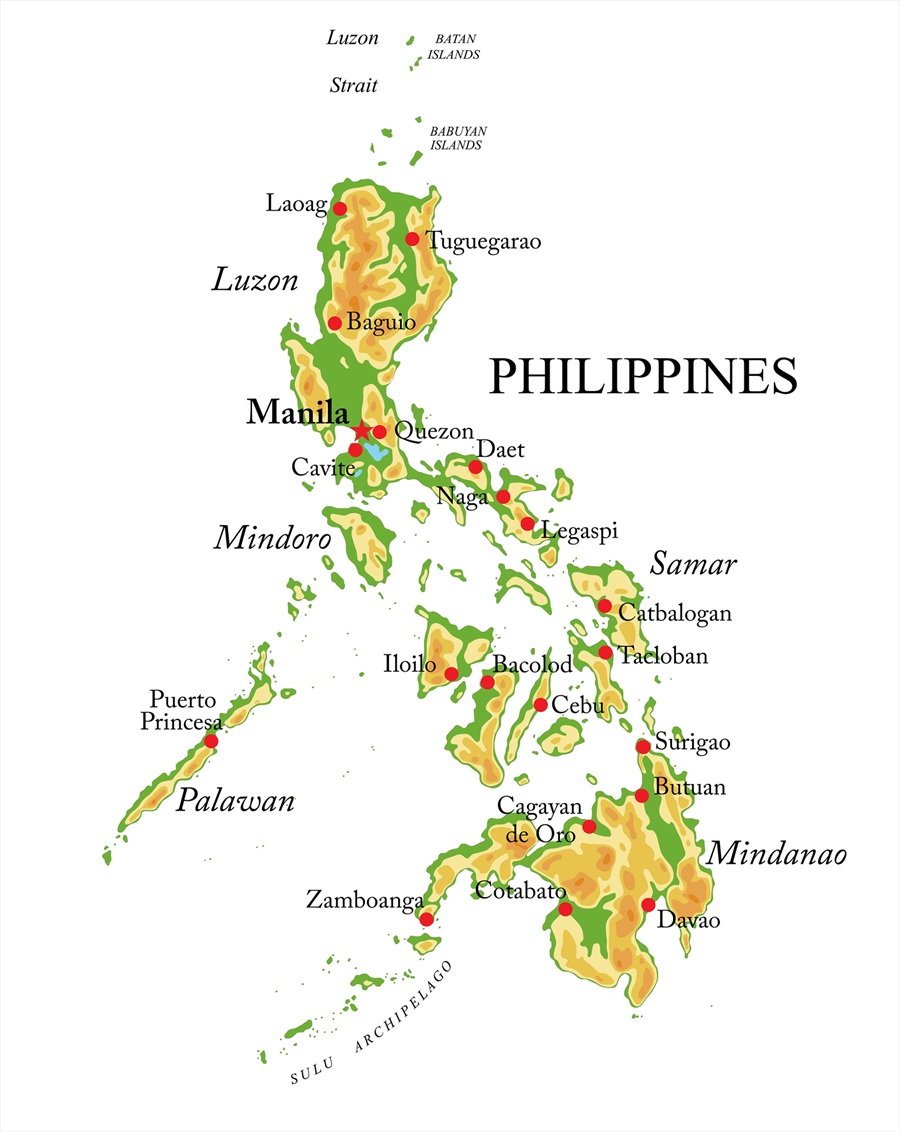
It originated offshore, south of the archipelago, near Mindanao, the second-largest island of the country, which is home to more than 26 million people. It was 7:37 a.m.

The damage is extensive, with several buildings collapsed. An official tally reported 15 dead and several people wounded.

Additionally, a tsunami alert has been issued. Waves could affect the coasts of the Philippines, Indonesia, Taiwan, and could even reach Japan.

The Philippine president urged residents to seek higher ground on the island. In Indonesia, evacuation notices were broadcast in several areas of Sulawesi.


General Santos International Airport Closed Until Further Notice

France’s foreign ministry has updated its travel advisory and urges French citizens to remain vigilant.

The Quai d’Orsay specifically recommends verifying that their accommodations show no damage that could compromise their safety.

Moreover, following the tsunami alert, it is strongly advised to evacuate the archipelago’s coastal zones. Travelers are urged to strictly follow the local authorities’ instructions and the bulletins issued by the Philippine Institute of Volcanology and Seismology.

Recall that General Santos International Airport, located on Mindanao Island, is closed until further notice. Until then, 17 flights have been canceled.