

The Abu Dhabi Department of Culture and Tourism has unearthed an exceptional tomb dating to the late Bronze Age in the Al Ain region.
Measuring eleven meters in length, this underground burial chamber sheltered numerous remains as well as a rich array of grave goods. The rare objects recovered from these excavations will soon be exhibited to the public at the Al Ain Museum.
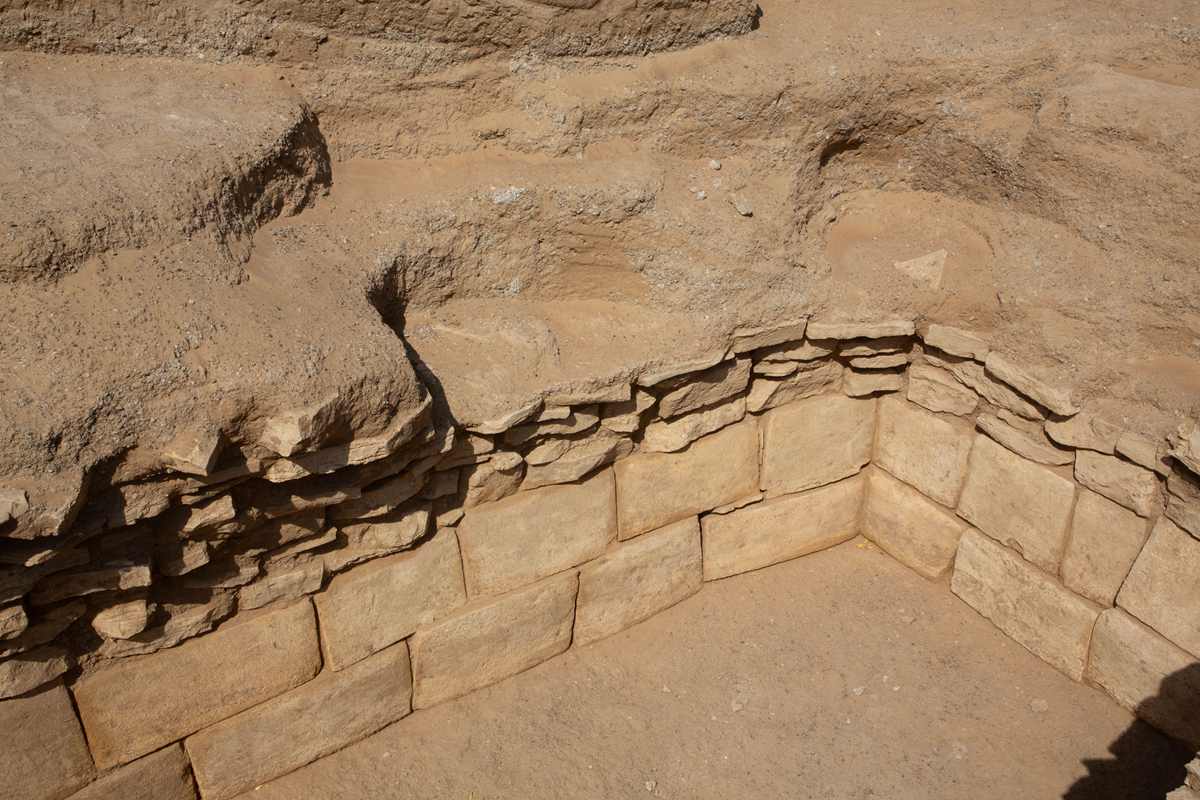
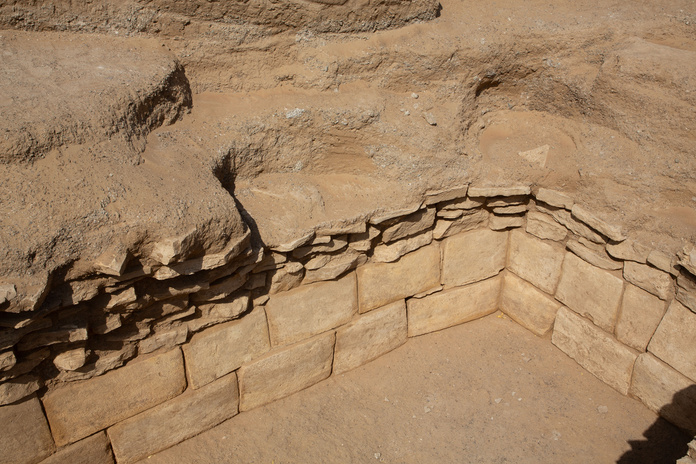
The tomb uncovered within the UNESCO World Heritage-listed site stands out for its unique architectural features.
Built with reused stone blocks sourced from even older Umm an-Nar funerary monuments, the structure features an entrance oriented to the east and a stone door weighing more than 200 kilograms.
Measuring eleven meters in length, this underground burial chamber sheltered numerous remains as well as a rich array of grave goods. The rare objects recovered from these excavations will soon be exhibited to the public at the Al Ain Museum.
The tomb uncovered within the UNESCO World Heritage-listed site stands out for its unique architectural features.
Built with reused stone blocks sourced from even older Umm an-Nar funerary monuments, the structure features an entrance oriented to the east and a stone door weighing more than 200 kilograms.
Vases, Weapons and Traditional Adornments Found
The arrangement of this space has enabled the hosting of collective burials from the Wadi Suq period through the Iron Age.
The excavations have yielded a varied archaeological material comprising vases, weapons and traditional adornments.
Specialist teams in paleoanthropology and archaeology at the DCT Abu Dhabi are currently carrying out in-depth examinations of these artifacts and of the human remains discovered on site.
Scientists are applying isotopic analysis and DNA techniques in order to study the diet, health, genetic origin, and migratory movements of these ancient populations.
Following these research and conservation efforts, the exceptional pieces uncovered in the tomb will join the Al Ain Museum’s permanent collections to be presented to visitors.
The excavations have yielded a varied archaeological material comprising vases, weapons and traditional adornments.
Specialist teams in paleoanthropology and archaeology at the DCT Abu Dhabi are currently carrying out in-depth examinations of these artifacts and of the human remains discovered on site.
Scientists are applying isotopic analysis and DNA techniques in order to study the diet, health, genetic origin, and migratory movements of these ancient populations.
Following these research and conservation efforts, the exceptional pieces uncovered in the tomb will join the Al Ain Museum’s permanent collections to be presented to visitors.