

Eclipso continues its development in France. The specialist in immersive experiences will open, on July 31, 2026, its sixth center at the Terrasses du Port, in Marseille.
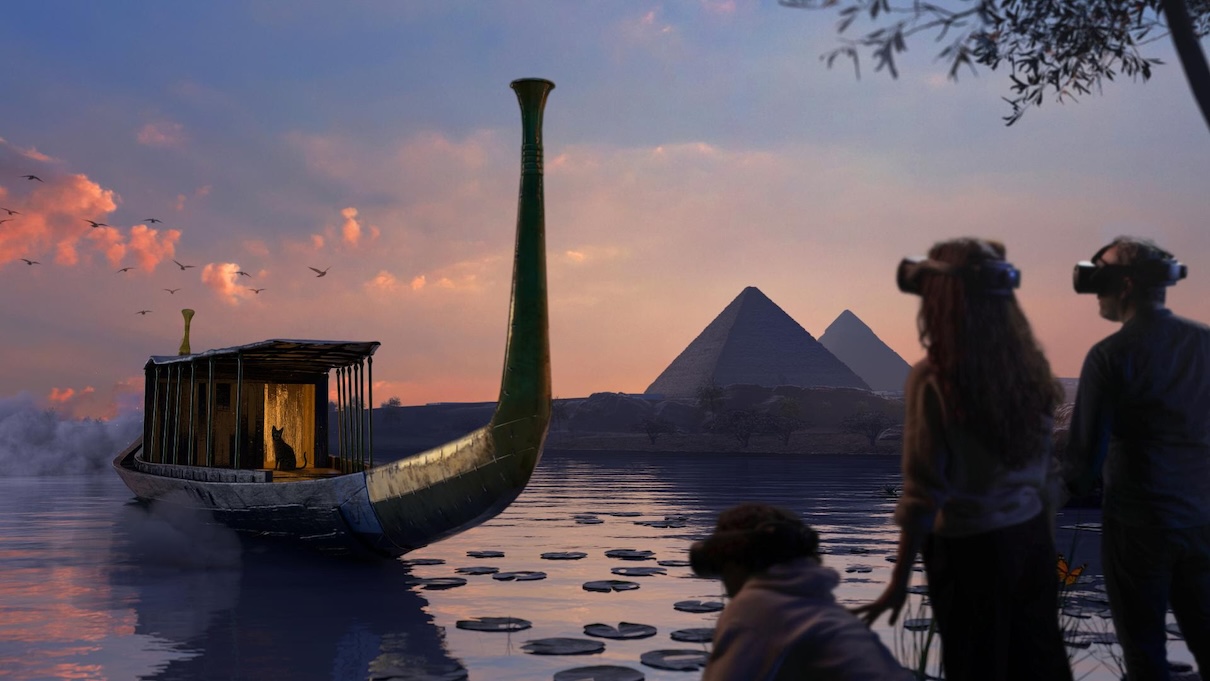
For its installation in the Phocaean city, the brand will offer L’Horizon de Khéops, a virtual reality expedition dedicated to ancient Egypt.
After Lyon, Paris, Bordeaux, Lille and Nantes, Eclipso thus continues its national rollout. Marseille becomes the fourth French city to host L’Horizon de Khéops, after Bordeaux, Paris and Lyon.
For its installation in the Phocaean city, the brand will offer L’Horizon de Khéops, a virtual reality expedition dedicated to ancient Egypt.
After Lyon, Paris, Bordeaux, Lille and Nantes, Eclipso thus continues its national rollout. Marseille becomes the fourth French city to host L’Horizon de Khéops, after Bordeaux, Paris and Lyon.
Eclipso: a 45-minute immersion at the heart of the Gizeh Plateau
Created by Excurio, the immersive experience has already attracted more than two million visitors worldwide. Prices range from 24.50 to 29.50 euros.
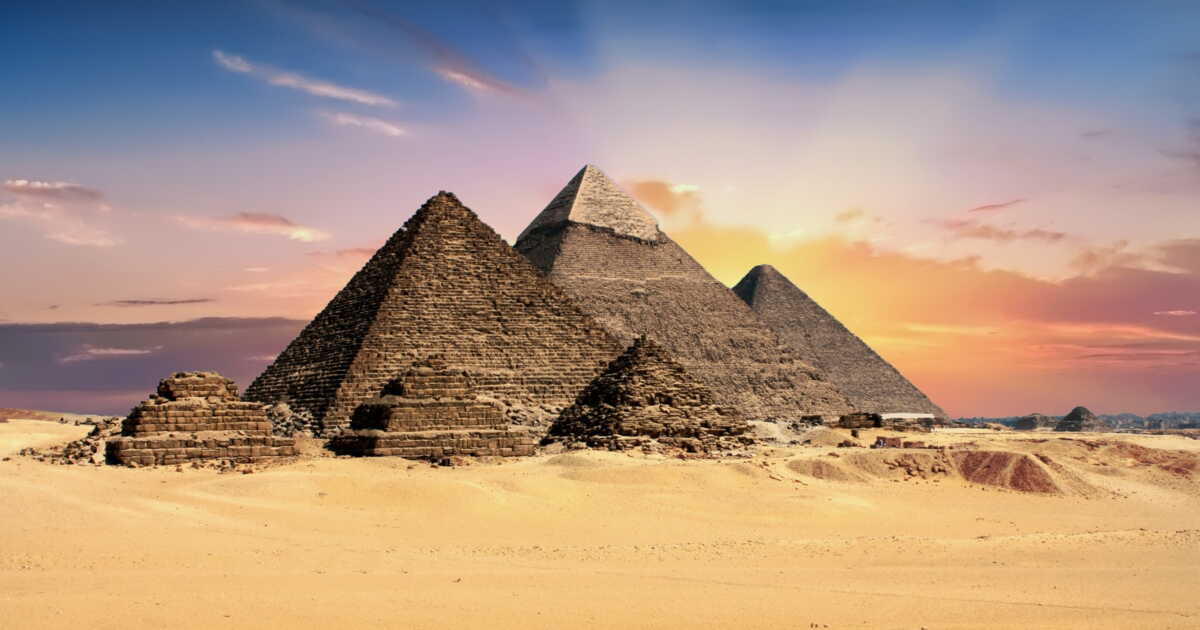
L’Horizon de Khéops invites visitors to explore the Gizeh plateau and the Great Pyramid of Khufu, one of the Seven Wonders of the Ancient World.
Equipped with a connected virtual reality headset, participants are transported to the foot of the great pyramid, where they begin a guided expedition led by an avatar named Mona.
To read: Virtual reality: another way to travel?
For 45 minutes, the experience offers to discover different aspects of Egypt during the IV Dynasty.
Visitors can notably soar above the Gizeh plateau, reach the pyramid’s summit to enjoy a 360-degree view, then explore its corridors and burial chambers, including the Queen’s Chamber.
L’Horizon de Khéops invites visitors to explore the Gizeh plateau and the Great Pyramid of Khufu, one of the Seven Wonders of the Ancient World.
Equipped with a connected virtual reality headset, participants are transported to the foot of the great pyramid, where they begin a guided expedition led by an avatar named Mona.
To read: Virtual reality: another way to travel?
For 45 minutes, the experience offers to discover different aspects of Egypt during the IV Dynasty.
Visitors can notably soar above the Gizeh plateau, reach the pyramid’s summit to enjoy a 360-degree view, then explore its corridors and burial chambers, including the Queen’s Chamber.
An experience developed with experts in ancient Egypt
The journey also includes a voyage along the Nile, during which participants witness the funeral rites of King Khufu (Khéops) and an embalming ceremony designed to give an overview of ancient Egyptian funerary practices.
The uniqueness of the experience lies in the freedom of movement offered to participants. In a space of over 700 m², everyone can move freely thanks to their avatar and share the expedition with other visitors, whether as a family or with friends.
L’Horizon de Khéops was developed after several years of on-site research and data collection. The project notably benefited from the collaboration of Egyptologist Peter Der Manuelian and his team at the Giza Archives Project, affiliated with Harvard University.
To read: Travel in virtual reality: a substitute for real tourism or an ecological imperative?
Archaeological, architectural, and historical data were used to reconstruct the Gizeh plateau and the various environments visited during the experience.
The creation of the immersive universe and the information delivered by the virtual guide Mona were also overseen by specialists in ancient Egypt.
Having already been presented at the Institut du Monde Arabe in 2022, where it was notably visited by the President of the Republic, Emmanuel Macron, the experience now settles permanently within an Eclipso center.
The uniqueness of the experience lies in the freedom of movement offered to participants. In a space of over 700 m², everyone can move freely thanks to their avatar and share the expedition with other visitors, whether as a family or with friends.
L’Horizon de Khéops was developed after several years of on-site research and data collection. The project notably benefited from the collaboration of Egyptologist Peter Der Manuelian and his team at the Giza Archives Project, affiliated with Harvard University.
To read: Travel in virtual reality: a substitute for real tourism or an ecological imperative?
Archaeological, architectural, and historical data were used to reconstruct the Gizeh plateau and the various environments visited during the experience.
The creation of the immersive universe and the information delivered by the virtual guide Mona were also overseen by specialists in ancient Egypt.
Having already been presented at the Institut du Monde Arabe in 2022, where it was notably visited by the President of the Republic, Emmanuel Macron, the experience now settles permanently within an Eclipso center.
 Published by Amelia Brille TourMaG.com editor
 See all articles by Amelia Brille


Ajoutez TourMaG à votre flux Google Actualités