7 Things to Do in Suriname: Outings and Activities to Discover

Suriname, a country in South America tucked between Brazil, Guyana, and French Guiana, captivates with its cultural and natural diversity. Its capital Paramaribo, UNESCO World Heritage-listed, and its tropical forests offer a unique backdrop for adventurers and curious travelers from all horizons. Whether drawn to its beaches, its rich history, or the promise of pristine nature, Suriname provides a variety of activities that deserve to be explored.

If you’re wondering what to do during your visit, here is a detailed guide to the must-see experiences. Before traveling abroad, we remind you to consult the Travel Advice from the Ministry of Foreign Affairs to learn about security and health risks specific to certain areas, and the administrative steps to complete before your trip.

1. Explore Paramaribo, the historic capital

Paramaribo serves as the perfect starting point for your adventure. Its wealth of historic landmarks and its culturally diverse ambience are truly engaging. Don’t miss the Saint Peter and Paul Cathedral-Basilica, a wooden construct completed at the close of the 19th century, as well as Fort Zeelandia, a stone relic from the colonial era. A stroll through the old town will lead you to places like the Neve Shalom Synagogue and the Keizerstraat Mosque, emblematic of religious coexistence.

2. Brownsberg Nature Park discovery

Just a few hours from Paramaribo, Brownsberg Nature Park is a popular destination for hiking enthusiasts. The park offers spectacular panoramic views of the Brokopondo reservoir and hides waterfalls perfect for a refreshing break. It is a meeting point for nature lovers, with exceptional biodiversity at every turn.

3. Boat excursions at Bigi Pan

The Bigi Pan Reserve is a fascinating aquatic ecosystem located in the northwest of the country. Known for its boat trips, it’s a paradise for birdwatchers. The stilt houses offer distinctive accommodations, enabling direct observation of rare bird species while enjoying unforgettable sunsets over the water.

4. Explore the colonial plantations along the Commewijne River

The plantations along the Commewijne River stand as living witnesses to Suriname’s colonial past. Guided tours of sites such as Mariënburg and Frederiksdorp immerse visitors in the country’s sugar-era history. A bicycle ride through this tranquil region, where dolphins and bucolic landscapes share the scene, reveals another facet of Suriname.

5. Beach and culture at Galibi

In the northeast of Suriname, Galibi is famed for its beaches and, above all, for the spectacle of sea turtles laying eggs on the sandy shore. It is also a unique opportunity to meet the Kali’na Amerindians and discover their ancestral culture. This cultural immersion adds a human and authentic dimension to your getaway.

6. Discovery of the ancient Jewish colony at Jodensavanne

Travel back in time to the ancient Jewish colony of Jodensavanne. Located along the banks of the Suriname River, it reveals the remains of a synagogue and a cemetery, recalling the role of Jews in the region’s history. It is a tranquil, history-filled site that deserves a thorough visit.

7. Fort Zeelandia & Fort Nieuw‑Amsterdam: between colonial heritage and immersion in history

Fort Zeelandia, situated in Paramaribo, is a former Dutch fort shaped like a pentagon, dating from the 17th century, which now houses the National Museum. Just downstream, on the right bank of the river, Fort Nieuw‑Amsterdam — built between 1734 and 1747 — stands as another strategic witness of colonization and now hosts an outdoor museum. When a traveler visits, they can take a boat taxi, discover the wooden or stone bastions, and then proceed to an old plantation, illustrating the transition from a military fort to sugarcane farming.

For history lovers and heritage enthusiasts alike, this itinerary offers a moment to pause and reflect on the past. Moreover, these sites are suitable for travelers in transit who are looking for a day trip near the capital. Note that in mid-August or during the dry season, the soft morning light enhances the fortress walls and surrounding vegetation. Be sure to check opening hours and arrange a local guide to enrich the visit.

In conclusion, Suriname stands out for its cultural and natural wealth, with activities that cater to every curiosity. Whether urban exploration in Paramaribo, outdoor adventures in its nature reserves, or immersion in local stories, every moment spent in this country is a discovery. Suriname offers a journey that blends exploration with authenticity, a destination sure to satisfy all desires for discovery.

Is Suriname a safe country?

Suriname today presents a generally good safety level for travelers, subject to the usual caution. Foreign authorities classify Suriname at the level “exercise normal precautions”, meaning risks exist but are not particularly high. However, in the capital Paramaribo and its surroundings, crimes such as pickpocketing or isolated assaults have been reported, especially in poorly lit areas or late at night.

Consequently, a passing tourist or a traveler eager to discover history would benefit from staying vigilant: entrust hinterland driving to local guides, avoid poorly lit zones, and refrain from displaying signs of wealth. But the country is not off-limits: the vast nature, the presence of Indigenous and Maroon communities, and the warm welcome remain. In short: yes, Suriname can be visited with confidence, provided you adopt a responsible and prepared approach.

Why go to Suriname?

Suriname stands out as a singular destination, halfway between tropical adventure and colonial heritage, offering travelers an experience that is both authentic and well-structured. On one hand, more than 90% of its territory is covered by rainforest — a rarity in South America. On the other hand, the capital Paramaribo, a UNESCO World Heritage site, and its Dutch forts like Fort Zeelandia or Fort Nieuw‑Amsterdam bear witness to a rich colonial past.

These contrasts create an ideal playground for day trips, whether by boat-taxi to an old plantation or a visit to a vibrant city that blends sugar cane, wooden architecture, and traditional ways of life. Suriname thus meets the expectations of history buffs and heritage lovers, as well as nature enthusiasts ready to immerse themselves in a nature reserve or to spot howler monkeys in the dry season. This mix of ecology, history, and cultural diversity makes it a country worth exploring.

Where is Suriname located?

Suriname lies on the northern coast of South America, bordered to the north by the Atlantic Ocean, to the west by Guyana, to the east by French Guiana, and to the south by Brazil. Covering roughly 163,820 km², it is the smallest country in South America by area and is very sparsely populated.

Most of the population lives along the coast or near the river, leaving the interior—deep in the Amazon rainforest—relatively under-urbanized. This location gives it both maritime and river access, making it an interesting starting point for excursions to the central Suriname’s nature reserves.

This article was drafted with the help of artificial intelligence, then corrected, expanded, and validated by the editorial staff.

Iceland Travel Webinar: Discover Unique Experiences for Your Clients in Iceland


In this webinar, Iceland Travel provides an overview of its brand and of the different tours it offers in French. As a leading DMC in Iceland, Iceland Travel offers a wide range of escorted tours, self-drive adventures, and short stays, allowing every traveler to discover, in their own way, the magic of the Land of Fire and Ice.

Winter is an ideal season to visit Iceland and witness the unique spectacle of the Northern Lights. In summer, Iceland becomes the land of the Midnight Sun, offering up to 24 hours of daylight per day to explore its wonders. Travelers can fully experience the beauty of these two seasons by joining itineraries that promise unforgettable memories of Iceland’s grand landscapes and fascinating nature.

The Iceland Travel team also shares valuable information about its wide range of French-language experiences, including the Hidden Energies and Northern Lights itineraries as well as Classic Iceland. Iceland Travel offers exceptional opportunities to fully discover the destination and immerse in all the magic of Iceland.


Nos autres outils pour les professionnels du tourisme


© Iceland Travel

Please find below some tools and resources about the Iceland Travel brand :
✔ Iceland Travel Hub
✔ Online brochures
✔ FAQs


Qui sommes-nous ?

Iceland Travel is a DMC offering a range of premium experiences carefully crafted for its visitors. Whether you come to witness the incredible Northern Lights or to marvel at otherworldly landscapes, Iceland Travel is the most experienced company for unforgettable bespoke experiences and self-drive itineraries in Iceland.

► Learn more about Iceland Travel


Contactez Iceland Travel


Webinar Iceland Travel: discover unique experiences for your clients in Iceland
Ragnheiður Sylvía Kjartansdóttir

Ragnheiður Sylvía Kjartansdóttir
Marketing
+354 585 4583 / 8625314
[email protected]

 
Léa Bodin

Léa Bodin
Travel Expert
[email protected]

 
Maud Gameiro

Maud Gameiro
Travel Expert
[email protected]


Site web : www.icelandtravel.is

facebook twitter instagram Trip Advisor

Travelife

What to Do in Saudi Arabia: 5 Must-Do Outings and Activities to Discover the Kingdom

Saudi Arabia is gradually opening up to tourism, inviting the world to discover its hidden treasures and rich heritage. For a long time overlooked, it now draws globetrotters seeking unique experiences. The country is a careful blend of tradition and modernity, offering visitors a range of activities from historical tours to nature-based adventures. Given this diversity, the question “what to do in Saudi Arabia naturally arises to well prepare your trip. Before any international travel, we remind you to consult the Travel Advice from the Ministry of Foreign Affairs to know the security and health risks specific to certain areas, and the administrative steps to complete before your trip.

1. Explore Riyadh, the Cultural and Modern Heart

Begin your journey in the capital, Riyadh, where the past meets the present. Discover the National Museum of Saudi Arabia, which hosts exhibits on the history of the Arabian Peninsula, or visit Masmak Fort, a key witness to the country’s history. For a more contemporary experience, head to Kingdom Centre, a futuristic skyscraper offering a stunning panoramic view of the city from its skybridge.

2. Immersion in History in Jeddah: Al-Balad and the Corniche

In Jeddah, the ancient port city, stroll through the Al-Balad district, a UNESCO World Heritage Site. This area comprises historic buildings with facades adorned with rosettes, testifying to the city’s former mercantile era. After wandering its lanes, head to the Jeddah Corniche for a relaxing moment by the Red Sea, ideal for water activities such as scuba diving.

3. Cultural and Mystical Discovery in Al-Ula

Join Al-Ula for a journey through time. This region is famous for Mada’in Salih (Hegra), the archaeological site comprising majestic Nabatean tombs. Visitors can immerse themselves in the history by exploring the desert landscapes as well as lesser-known sites such as Dadan and Jabal Ikmah. Do not miss the cultural and artistic events that regularly take place in this exceptional setting.

4. Adventure in the Natural Scenery of Taif and Asir

For nature lovers and hikers, the Taif mountains offer a cool retreat. The landscapes here are conducive to trekking and observing local wildlife and flora. Further south, the town of Abha and the Asir region unfold breathtaking mountain panoramas. Explore Al-Soudah National Park, ideal for camping and admiring the misty landscapes at dawn.

5. Immersion in Saudi Life

Round out your stay with an immersion into everyday local life. Attend cultural festivals, savor the delights of local cuisine in markets, or try dune driving on a desert safari. Visiting Saudi Arabia also means experiencing unique and authentic moments such as visiting traditional villages and sharing time with local artisans.

In conclusion, Saudi Arabia is a mosaic of experiences that will satisfy the most curious travelers. From historic past to modern innovations, every visitor will find ways to enrich their journey with unforgettable memories. For history, adventure, or culture enthusiasts, this expanding country offers a vast array of discoveries and invites us to explore its countless facets.

What are the Prohibitions in Saudi Arabia?

A stay in Saudi Arabia requires awareness of the strict rules that govern public and private life. Travelers must notably abstain from any alcohol consumption, prohibited across the entire territory, and adopt respectful attire, including warm clothing in regions where evening temperatures can drop.

Gender mixing in public spaces is regulated, as is the expression of certain religious or political views. Respecting Saudi cultures also means adapting to codified social practices, whether visiting historic sites like Diriyah or passing through holy cities like Mecca, where access is strictly limited to Muslims. Complying with local laws allows you to fully enjoy the country’s heritage and natural riches in a safe setting.

Is it possible to travel to Saudi Arabia today?

Since the kingdom opened to international visitors in 2019, it is now quite possible to consider a trip to Saudi Arabia under the Vision 2030 program. The country highlights a wide range of cultural and natural experiences, from the green Abha region to the Taif mountains, through the verdant Al-Ula valley and the beaches of the Red Sea.

Authorities have developed a structured tourism offering in Saudi Arabia, with itineraries including the Spice Route, the Nabatean tombs of Mada’in Salih, or the Prophet’s Mosque in Medina, a central reference in the country’s fascinating history. Places such as Diriyah Park or King Abdullah Park also bear witness to a desire to harmonize heritage and modernity. It is now possible to experience a rewarding stay in Saudi Arabia, provided you respect local customs and plan your trip well.

Saudi Arabia: Is it dangerous to go there as a traveler?

The question of safety in Saudi Arabia often arises among travelers, and it can be useful to consult the latest updates on the France Diplomatie site. The kingdom has put in place strengthened measures to ensure visitors’ peace of mind, especially in tourist areas such as Taif city, the Al-Ula oases, or the Red Sea coastal resorts popular with divers.

The major cities like Riyadh or Jeddah benefit from significant stability, though it is advisable to stay informed of local guidance. The requirement to obtain medical insurance before entering the territory helps facilitate access to care if needed. Traveling in this country with mild winter temperatures offers an unforgettable experience, provided you respect the zones to avoid and remain vigilant as with any international trip.

How to obtain a visa for Saudi Arabia and prepare your trip?

To organize a journey to Saudi Arabia, obtaining a tourist visa is now possible through a streamlined online application. Valid for multiple entries, this e-visa allows nationals of many countries to explore the kingdom’s cultural and natural riches. It is necessary to have valid medical insurance and to commit to respecting the country’s strict rules.

This visa authorizes visits to major sites such as Diriyah, Taif, or the Asir mountain region, and also allows exploring the striking landscapes of the Red Sea or the vast desert. Planning will include attention to temperature levels according to the season, and logistical preparation depending on the duration of stay. The visa thus opens the door to an unforgettable experience within a country undergoing transformation.

This article was drafted with the help of artificial intelligence, then corrected, expanded and validated by the newsroom journalists.
What to Do in Lebanon: 10 Exciting Outings and Activities to Discover

Cradle of ancient civilizations, the Lebanon offers a wide range of activities to explore, from its breathtaking natural landscapes to its rich cultural heritage. Every corner of this country hides unique experiences to be lived. When planning a trip, questions of safety and the best seasons to visit can also prove crucial. Thus, here is a guide to unmissable activities, while taking into account common traveler concerns.

First and foremost when traveling abroad, we remind you that it is useful to consult the Travel Advice provided by the Ministry of Foreign Affairs to know the security and health risks specific to certain areas, and the administrative steps to take before your trip.

1. Explore Beirut and its heritage

The capital, Beirut, is a dynamic starting point for a trip to Lebanon. Treat yourself to a stroll along the Corniche, wander through the districts of Gemmayze and Mar Mikhaël for a day rich in discoveries. These neighborhoods are worth a visit for their cafés and varied architecture, bearing witness to the city’s urban evolution. In the afternoon, the Beirut National Museum offers a glimpse into the country’s ancient history, from Phoenician times through the Ottoman era.

Beirut National Museum: a time voyage at the heart of Lebanese heritage

The Beirut National Museum is a must-stop for any stay in Lebanon. Its collections span the dawn of civilization and trace the country’s history from the Roman era to the present day. The significant archaeological remains are presented with rigor and clarity: sarcophagi, mosaics, statues and cult objects testify to the richness of Lebanon’s World Heritage. Located near the city center, this museum offers a didactic visit, accessible even to children, to understand the diversity of the Lebanese territory. An essential memory site, reflecting the country: rooted in its past, oriented toward the future.

Hamra Street: the beating heart of modern Beirut

The Hamra Street district, often described as a central and lively neighborhood of Beirut, reflects the vitality of contemporary Lebanon. Between shops, bookstores, galleries and little restaurants, the street comes alive from morning to night. It’s the ideal place to soak up the rhythm of a city with contagious energy. In the evening, the area attracts travelers curious about authentic Lebanese cuisine and a moment of relaxation away from the usual tourist circuits.

Raouche Rocks: a natural emblem of Beirut

The Raouché Rocks, or Pigeon Rocks, form a set of limestone islets sculpted by the sea, iconic to Beirut’s waterfront. Located north of Beirut, they are particularly appreciated at sunset. This site, a real postcard of the Lebanese territory, draws visitors seeking a moment of relaxation outdoors. Many terrace restaurants, including fish restaurants, allow you to enjoy the view in a unique atmosphere. A must-stop for any trip to Beirut, balancing nature and urbanity.

2. Travel through time in Byblos (Jbeil)

Byblos, one of the oldest continuously inhabited cities in the world, overflows with historical narratives. Visit its ancient port, Phoenician and Roman ruins, and wander the lanes of the souk. The atmosphere is steeped in history, transporting visitors across the ages. For a deeper immersion, plan your visit during the summer cultural festival, where local heritage meets contemporary artistic expressions.

3. Marvel at the Baalbek ruins

Nestled in the Bekaa Valley, the ruins of Baalbek host some of the grandest Roman temples ever built. The temples of Jupiter and Bacchus impress not only by their scale but also by the meticulous craftsmanship. Setting aside half a day to explore allows you to fully appreciate the splendor and mysteries of these ancient sites.

4. Discover the natural splendor of Jeita Grotto

The caves of Jeita, located a few kilometers from Beirut, are a natural wonder to explore. Their limestone formations and the underground river captivate visitors of all ages. The caves are divided into two sections accessible by a cable car, a boat and a small train, creating a diverse experience for explorers.

5. Hike in the Kadisha Valley

For a nature escape, the Kadisha Valley is an ideal destination. It houses ancient monasteries tucked into the rock and offers panoramic hiking trails. Travelers seeking peace and contemplation find refuge in this valley, known for its biblical landscapes and spiritual retreat sites.

6. Stroll among the Cedars of Lebanon

Also known as the Cedars of God, these majestic trees symbolize Lebanon. A hike in this ancient forest allows you to appreciate the richness of the local ecosystem. Depending on the season, the cedar landscape transforms, sometimes donning a breathtaking snowy gown in winter, or a carpet of golden leaves in autumn.

7. Visit Sidon (Saida) and its rich past

In Sidon, dive into a blend of cultures and explore the Sea Castle. This maritime fortress dates back to the Crusader era and has dominated the Mediterranean for centuries. Sidon’s souks are also worth a detour for their authenticity, offering spices, textiles and traditional craftsmanship.

8. Discover the Umayyad ruins of Anjar

To the east of the Bekaa valley, Anjar offers a different perspective on Lebanon’s rich past. This site, the ruins of an Umayyad city, presents valuable urban planning insights for understanding ancient Islamic architecture.

9. Explore the Chouf region

The Chouf is dotted with green landscapes and picturesque villages such as Deir el Qamar and Beiteddine. The Beiteddine Palace, in particular, is a splendid example of 19th-century Lebanese architecture. The Chouf is also an ideal area for nature activities such as hiking and birdwatching.

10. Zaitunay Bay: the modern showcase of today’s Beirut

Located in Downtown Beirut, Zaitunay Bay is a seaside leisure and dining complex. This marina lined with restaurants, cafés and promenades stretches along the waterfront, offering a relaxing moment after a visit to the historic districts. Practical information points to restaurant prices ranging from budget to more upscale addresses. The place attracts families, travelers and locals seeking a unique atmosphere, especially at sunset, when the light reflects on the yachts and the modern façades. Just steps away, the Martyrs’ Square and the Dame du Liban remind us of the delicate balance between memory and modernity in the Lebanese territory.

In conclusion, Lebanon is a land of contrasts and diversity, combining modernity with ancient traditions. Each region offers a different facet to explore, making every visit unique. Visitors are invited to immerse themselves in the country’s history, nature and culture, while taking into account local safety guidelines.

Is it possible to visit Lebanon today?

Yes, it is possible to visit Lebanon, but the political and economic context requires good preparation before departure.

The practical information provided by the Quai d’Orsay or by embassies helps tailor a stay in Lebanon with caution. Entry formalities require a valid passport: if the passport is expired, entry to Lebanese territory will be refused, so you should verify its validity before buying your plane tickets.

Despite regional tensions, Lebanon continues to attract travelers curious about its ancient cities, its World Heritage and its millennial culture.

Is it prudent to go to Lebanon right now? Understanding the situation before you depart

Whether it is prudent to go to Lebanon at this moment depends on the area you plan to visit and the geopolitical context. Regions in southern Lebanon or the Bekaa plain may be discouraged, while Beirut, Byblos or the Chouf mountains remain accessible under certain conditions.

It is therefore essential to consult up-to-date practical information before any departure. The Lebanese territory, though tested, remains a country with intense energy, remarkable places of worship and sincere hospitality. By adopting a respectful and informed attitude, discovering the country remains possible and enriching, in a spirit of informed prudence.

What is the best time to go to Lebanon? Between the Mediterranean climate and mountain coolness

The best time to visit Lebanon runs from May to October, when the temperate climate makes it easy to explore the coast and the heights of Mount Lebanon, avoiding the intense heat of July and August.

This period offers ideal conditions to enjoy the seaside, the fish restaurants in Byblos or walks in the Cedar Forest, the emblem of Lebanon. In summer, the Chouf mountains or the Barouk Biosphere Reserve provide a natural summer residence, while autumn invites discovering the important archaeological remains of the city with Assyrian influences, Baalbek. Each season reveals a different face of the country, between a northern port city, a city of modern energy and preserved nature.

Where is Lebanon? A crossroads of civilizations between the Mediterranean and the Middle East

Lebanon sits on the eastern shore of the Mediterranean, between Syria to the north and east and Israel to the south. This Lebanese territory, modest in size, stretches between sea and mountains, forming a geographic and cultural link between Europe and the Middle East. The Mount Lebanon, which runs through the country from north to south, dominates the great plains and shelters historic villages. The capital, Beirut, lies on the coast, to the north of Beirut extends the region of Tripoli, while the south of Lebanon reveals another, more rural facet. This position, off the coast of Tripoli and near Asia, fostered the early stages of civilization and makes the country a mosaic of influences, between Roman era, Byzantine heritage and Mediterranean modernity.

What to do in Lebanon with kids? A mix of nature, culture and easy living

Traveling to Lebanon with children allows for a blend of cultural discovery and moments of relaxation. Cities like Byblos, a World Heritage site, offer lively lanes perfect for family strolls, while the Cedars forest or the Pigeon Cave awaken their natural curiosity. Young children will enjoy visiting the Beirut National Museum, which presents important archaeological remains in a playful way. As a family, a fish restaurant or a casual dining spot along the coast, from Beirut’s city center to Zaitunay Bay, lets you taste Lebanese cuisine while enjoying a sunset over the Maritime Sea. A welcoming experience, blending heritage and simple pleasure.

This article was written with the help of artificial intelligence, then corrected, expanded and validated by the newsroom journalists.

What to Do in Africa: 10 Ideas for Outings and Activities to Discover

The African continent, rich in cultural, natural, and historical diversity, draws travelers from around the world. Between its vast landscapes, vibrant cities, and millennia-old traditions, Africa promises an unforgettable journey. But what are the must-do experiences for those who want to fully enjoy their stay on this continent? Let’s explore together ten experiences to absolutely live.

1. Safari in national parks such as the Ras Mohammed National Park (marine national park in Egypt)

Beginning an African adventure would be incomplete without a safari in one of the most renowned national parks. Whether it is the Kruger National Park in South Africa or the Serengeti in Tanzania, these sanctuaries offer a unique wildlife watching experience. Lions, elephants, rhinoceroses and giraffes roam freely, allowing a close encounter with the wild world of nature.

2. Explore African deserts

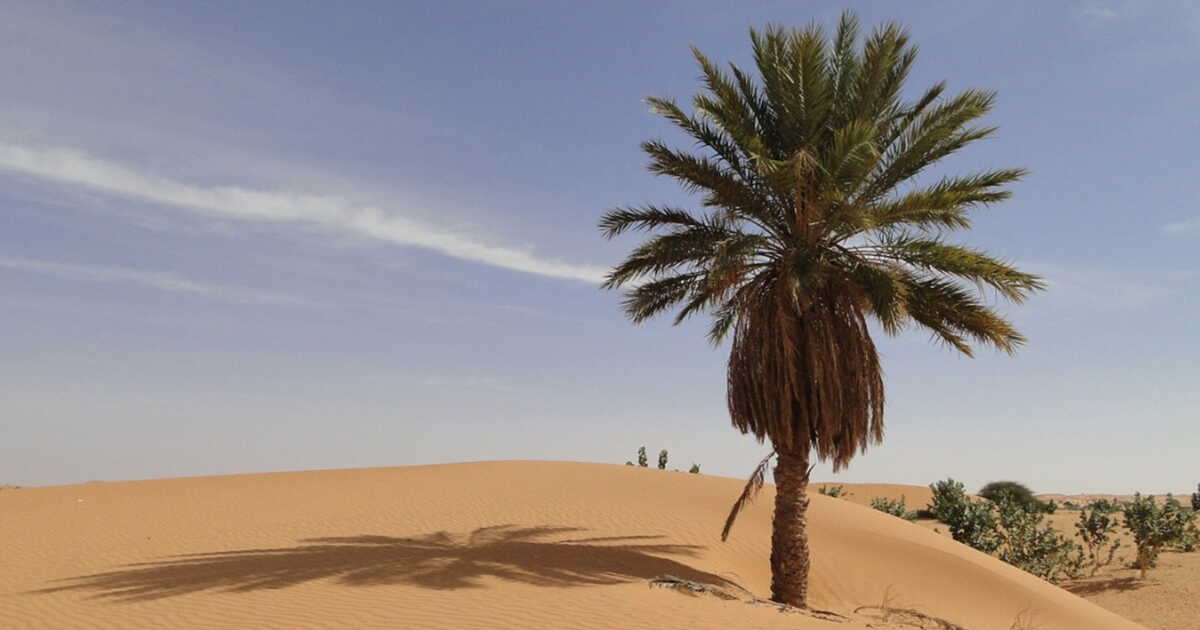
Africa houses spectacular desert treasures, such as the Sahara Desert and the Namib Desert. A trek through rolling dunes, often on camelback, reveals a silent yet immensely beautiful landscape. Sunrises and sunsets light up the golden sands, providing travelers with moments of reflection like no other.

3. Discover Egypt’s ancient history, the Valley of the Kings and the Giza Necropolis

Ancient Africa’s story is largely told through Egypt’s pyramids and temples. A visit to Giza to admire the pyramids and the Sphinx is a must. The Cairo Egyptian Museum houses fascinating treasures, while a cruise on the Nile up to Luxor lets you explore Karnak temple and the Valley of the Kings.

4. Trek in Ethiopia

For mountain and rugged landscape enthusiasts, the Simien Range in Ethiopia is a top pick. These mountains shelter unique wildlife and offer breathtaking panoramic views. The villages and local communities encountered along the way enrich the experience with a meaningful cultural dimension.

5. Beach pleasures in Zanzibar

Renowned for its exceptional beaches, Zanzibar is an island that enchants with its blend of white sand, turquoise waters, and coral reefs. Visitors can dive, snorkel, or simply relax by the shore. The town of Stone Town, with its narrow lanes and historic architecture, offers a captivating cultural immersion.

6. Colorful markets in West Africa

West African markets overflow with colors and fragrances. In countries like Senegal or the Ghana, local bazaars buzz with activity. Whether exploring the Dakar market or the Accra market, haggling among stalls of fabrics, spices, and local crafts offers an unparalleled sensory experience.

7. Climb Kilimanjaro

The Kilimanjaro, in Tanzania, stands as Africa’s highest peak. Its ascent attracts many hikers seeking challenge and nature. While weather and altitude pose challenges, reaching the summit brings immense satisfaction and a striking perspective on the continent.

8. Immersion in Moroccan culture at the Marrakech Medina and Bahia Palace

Morocco captivates with ancient medinas, lively souks, and diverse cuisine. In Marrakech, visitors can wander the winding alleys, discover the Majorelle Gardens, and savor a tagine. Riad houses—traditional homes converted into hotels—offer an authentic glimpse into Moroccan life.

9. Water adventures on the Nile

Beyond its central role in history, the Nile is also a gateway to thrilling water excursions. River rafting on its rapids, especially in the Ugandan stretch, is a highly sought-after activity. Adventures on the river allow you to discover East Africa from a different angle.

10. Festivals and culture in Dakar

The city of Dakar, with its musical festivals such as the Saint-Louis Jazz Festival, contemporary art exhibitions, and mbalax concerts, stands as a cultural crossroads in West Africa. Through its vibrant artistic scene, Dakar showcases the region’s dynamism and creativity.

Africa offers a wide range of activities and discoveries that go far beyond classic safaris. Each region, each country has its own treasures to offer, promising travelers a rich and varied adventure. Whether for heritage, nature, or the hospitality of its people, the African continent simply begs to be explored.

Which African countries to visit? A selection worthy of their diversity

Exploring Africa means crossing kilometers of natural wealth, breathtaking African landscapes, and dreamlike regions ranging from the Kalahari Desert to the paradisiacal beaches of Zanzibar. Among the countries to visit, the Republic of the Congo appeals to enthusiasts of endemic wildlife, notably mountain gorillas.

The cradle of safari stretches between Tanzania and Kenya, lands of the great migration. South Africa, particularly in the Overberg region, is an ideal starting point for an immersion in the continent’s natural treasures, while Namibia reveals landscapes that stretch to the horizon, from Dead Vlei to the dunes of Sossusvlei. This choice of destinations allows you to discover the wonders of nature in a well-founded way, balancing wildlife, unforgettable experiences, and world heritage.

Where to go in Africa with family? Regions suited for travelers seeking serenity

For a family trip in Africa, certain regions offer an ideal balance between safety, discovery, and accessibility. The Cape in South Africa combines sandy beaches, museums, and guided hiking on Table Mountain, giving both children and adults a spectacular view of the Atlantic Ocean.

In Tanzania, the Ngorongoro Crater allows you to view the Big Five safely in a reserve listed as a world heritage site. The paradisiacal beaches of Zanzibar provide a relaxing setting suitable for younger travelers. Finally, Egypt, between the Cairo Egyptian Museum and the Valley of the Kings, offers a dive into the continent’s fascinating history. These destinations combine unforgettable experiences with cultural richness, ideal for a one-day excursion or an extended stay.

Which safaris to do in Africa and where to experience them? From the Big Five to desert lions

Safari in Africa is an unforgettable experience that allows you to encounter wildlife in its most authentic form. The black-maned lions of the Kalahari, the Thornicroft giraffes in Zambia, and the desert lions in Namibia embody the diversity of Africa’s endemic fauna.

In Tanzania, the Ngorongoro Crater is renowned for its exceptional density of the Big Five, while the Okavango Delta in Botswana stands out for its stunning African landscapes. The best time depends on wildlife migrations, notably the great migration crossing the Serengeti and the Masai Mara. Each region, from the cradle of safari in East Africa to the western cap of the continent, offers an immersion into Africa’s wild treasures, often inscribed on the world heritage list.

Where to travel in Africa safely? Accessible and well-guided destinations

Some destinations on the continent allow travelers to move with peace of mind thanks to developed tourist infrastructures, heightened security, and regions conducive to exploration. South Africa, especially the Cape, provides an excellent base with Table Mountain, the beautiful environs of the Overberg region, and guided hiking services.

Morocco, with places such as the Marrakech Medina, the Bahia Palace, or the Hassan II Mosque, combines cultural richness with a secure environment. Egypt, from the Cairo Egyptian Museum to the Giza necropolis, offers a well-marked historical circuit. Nature lovers can also head to Namibia or Botswana, where national parks are tightly regulated, ensuring an unforgettable experience without compromising safety.

Where to go in Africa on a tight budget? Affordable options that don’t skimp on discovery

Traveling in Africa on a tight budget is feasible by focusing on regions offering simple infrastructures and favorable value for money. Morocco, with numerous opportunities for economical lodging in the Marrakech Medina, lets you visit major sites like the Majorelle Garden or the Bahia Palace without breaking the bank.

In Southern Africa, Namibia offers self-guided tours through the Kalahari Desert or around Dead Vlei, with camping options. South Africa also presents trips such as the Blyde River Canyon, or whale-watching in the Overberg region, at lower costs. Even safaris can be affordable, especially in public parks. These prudent choices guarantee an immersion into Africa’s richness without sacrificing the essentials.

This article was written with the help of artificial intelligence, then edited, expanded, and validated by the newsroom’s journalists.

What If the Best Way to Discover a Country Was Its Supermarket?

Summary


  • From simple provisioning to the travel ritual


  • The supermarket as a mirror of society


  • Among the aisles, the deep values of a society


  • The influence of social media

During his travels abroad, Peter, 33, has a very specific ritual: a stop at the supermarket. As soon as the doors open, he instinctively heads toward the cookies and other sweets aisle: “I like to start there because when you think about it, every child has cookies or candies that marked their childhood, and generally, even 80 years later they’re still there”. To do this, Peter asks people he meets along his journeys for product recommendations to try absolutely.

Television series have also contributed to developing his interest in what is called “grocery store tourism.” He recalls how it all began: “I remember often seeing in American films characters who were eating Twizzlers – raspberry-flavored candy. They wouldn’t stop saying how good it was, so when I went to Los Angeles, I bought some… In truth, it was horrible, a cardboard taste, but at least I got to test it!”.

Like him, an increasing number of travelers are integrating the supermarket into their sightseeing, because far from being merely a place of consumption, it becomes a real space for observing locals’ daily life. Available products, the organization of the aisles, and the ambiance all provide clues to read a country through its habits.

From simple provisioning to the travel ritual

When Juliette, 28, began traveling, supermarkets were not part of her regular stops. The trigger came during a road trip in New Zealand. Over a month of travel, it was impossible to eat at restaurants every night: a stop at the supermarket became a necessity.

“At that time, it was really about buying food, it wasn’t a touristy thing”, she recalls. Very quickly, however, she noticed differences: “At the checkout, someone was bagging the groceries for me. I was almost embarrassed”.

Some years later, in 2024, curiosity took over: “In Bali, we passed by a supermarket and said to ourselves: ‘We must absolutely go see what products they have that are different from ours.’ And honestly, it’s silly, but I loved the experience.”.

Since then, it has become a habit: every trip includes a mandatory stop at the supermarket. “It really offers another glimpse of the local gastronomy because not every local can afford to eat at a restaurant, for example. It’s complementary”, she concludes.

A practice also guided by budget: trying local products in a supermarket is often much cheaper than dining out.

The supermarket as a mirror of society

For Jean-Pierre Poulain, a sociologist of food, the rise of this type of tourism makes sense. Indeed, supermarkets are taking on an increasingly important role in modern societies and thus enable a “cartography of consumption.”

“There are countries like the United Kingdom or the Netherlands where supermarkets account for 85% of household purchases, explains the sociologist. In Italy, it’s about 60% because there are still many small merchants”.

Beyond their importance in shopping habits, the products on the shelves also tell the story of the territory in which they sit. In Lovina, north of Bali, Juliette was surprised to find a supermarket with many imported products: “We really thought it must be a store for the wealthier part of the town, or for expatriates”.

According to Jean-Pierre Poulain, this kind of observation is far from trivial. The origin and diversity of products allow understanding the communities present in a city: “I can see products linked to migratory phenomena that show me both that the people living here want to consume things they were used to consuming, or that people have learned, through interactions or travel, to consume things that are exotic”.

Between the aisles, the deep values of a society

Adrien, 34, for his part, began this supermarket tourism when he was looking for typical and easily portable products to offer to his family and friends.

In the aisles, he quickly notices differences from one country to the next: “Here in France, we have a lot of products made in France. When you go to England, you look at origins; it’s much more international”.

Beyond these impressions, the way a supermarket is organized says a lot about consumption habits. The choice between national, local, or international products, as well as the selling points highlighted, varies by country.

In Japan, for example, some products emphasize control and standardization criteria, while in France the emphasis is often on origin and terroir. Elsewhere, it is the labels or certifications that dominate. So many different ways to define what constitutes a “quality product.”

Others aspects can still be observed, such as product availability, the breadth of assortments, or opening hours. In Malaysia, for instance, many shops stay open very late at night. That’s one of the elements that makes 7-Eleven the star store on social media when people talk about “grocery store tourism.”

The influence of social media

Today, it is these networks that give supermarket visits a new scale. On TikTok, Instagram, or YouTube, videos of products to test in stores like 7-Eleven in Asia rack up millions of views. Lava cakes, onigiri, croque-monsieur, or exotic-flavored drinks: there is something for every palate.

These videos transform the supermarket into a cultural stage. Food, as a universal language, provides a particularly effective gateway into discovering a culture.

So, on your next trip, take the time to wander these aisles: you may discover that unique snack that will always bring you back to that special moment of your vacation.

Forest, Coast, and Mountain: 3 Places to Discover Wild Foraging

The Kings of Bordelais

Fifteen kilometers northwest of Bordeaux, the Taillan-Médoc Forest is probably one of the most accessible spots for Sunday foragers. Beyond the many common edible woodland plants (mint, wild garlic, blackberries), the real stars here are the mushrooms. Shaggy inkcaps, chanterelles, summer boletes, and black trumpets follow one another from spring to autumn. And with 128 hectares of playground, even a casual passerby has a chance.

Where to Walk Under the Stars: Three Night Hikes to Discover

A Descent That Falls Into Place

To witness the most beautiful night sky of the Hautes-Pyrénées, this is where you must go. The first French territory to earn the label “International Dark Sky Reserve,” the IDSR of the Pic du Midi de Bigorre safeguards a 3,000 km² area between Lourdes and Saint-Lary-Soulan, where everything is done to reduce light pollution. At the heart of this darkness, in the darkest zone of the reserve, stands the Pic du Midi Observatory. A landmark in astronomy where, if you plan ahead, you can sleep there. And it serves as the starting point for a very beautiful nocturnal hike. An unforgettable descent, with the stars as your only guide.

What to Do in Dakar: 13 Activities and Outings to Discover

Table of Contents


  • 1. Visit Gorée Island and the House of Slaves


  • 2. Discover the African Renaissance Monument


  • 3. Explore the Museum of Black Civilizations


  • 4. Relax on the beaches of Ngor Island and Yoff


  • 5. Stroll around Rose Lake (Lac Retba)


  • 6. Immerse yourself in the atmosphere at Kermel Market and Sandaga Market


  • 7. Explore the Mamelles Lighthouse


  • 8. Observe the biodiversity of the Madeleines Islands


  • 9. Discover the Soumbédioune Artisan Village


  • 10. Join an organized excursion


  • 11. HLM Market: an authentic immersion in the heart of local life


  • 12. Village des Arts: a haven of contemporary creation


  • 13. Explore the Lompoul Desert from Dakar: a natural escape within easy reach by road

In Dakar, each day can take on a different hue: cultural in the morning, seaside in the afternoon, festive as night falls. Between iconic sites, natural getaways, and immersion in local life, the Senegalese capital offers a multitude of experiences to discover Senegal in a different way.

1. Visit Gorée Island and the House of Slaves

Classified as a UNESCO World Heritage Site, Gorée Island is a crucial stop to understand the history of the slave trade in Africa. Accessible by a short ferry ride from the Port of Dakar, the island houses the famous House of Slaves, a poignant museum that recounts the suffering and resilience of a dark era. Beyond its historical past, Gorée captivates with cobbled streets, colorful houses, and panoramic views of the Atlantic Ocean.

2. Discover the African Renaissance Monument

The African Renaissance Monument is one of the most striking sculptures on the African continent. Standing 49 meters tall, it overlooks the city and offers a breathtaking panorama over Dakar and its surroundings. Inaugurated in 2010, this modern monument symbolizes Africa’s renewal, and the ascent to the summit includes a small exhibition about Senegal and its future aspirations.

3. Explore the Museum of Black Civilizations

Inaugurated in 2018, the Museum of Black Civilizations marks a turning point in the preservation and diffusion of African culture. This museum offers a range of permanent and temporary exhibitions, illustrating African heritage in all its forms. It is essential for anyone wishing to understand the richness and diversity of African civilizations throughout history.

4. Relax on the beaches of Ngor and Yoff

Dakar is home to several beaches ideal for relaxing or water activities. The Ngor and Yoff beaches are among the locals’ and visitors’ favorites. Whether you simply want to soak up the sun, go surfing, or enjoy a fresh seafood meal with an ocean view, these beaches offer multiple possibilities.

5. Stroll around the Rose Lake (Lac Retba)

The Rose Lake, officially named Lac Retba, is famous for its spectacular pink color, caused by microalgae that produce a red pigment. This natural phenomenon draws many tourists and is particularly photogenic at sunset. Pair your visit with a tour to discover traditional salt-extraction methods, a pillar of the region’s economy.

6. Immerse yourself in the atmosphere at the Kermel Market and the Sandaga Market

For a total immersion into Dakar life, a visit to the local markets is a must. The Kermel Market, renowned for its colonial architecture, offers a wide range of local products, from spices to seafood. The Sandaga Market, meanwhile, is the ideal place to find artisanal souvenirs and admire Senegalese crafts.

7. Explore the Mamelles Lighthouse

Located on the second of the two twin hills that form the Mamelles, the Dakar Lighthouse is an iconic spot to admire the sunset. Once at the summit, you’ll have a breathtaking view of the city, the ocean, and the surrounding area. It is also a good spot for hikers of easy to moderate difficulty.

8. Observe the biodiversity of the Madeleines Islands

Just a short boat ride from Dakar, the Madeleines Islands is a national park where nature reigns. You’ll find spectacular rocky landscapes and diverse birdlife. It’s an ideal day trip for nature lovers looking to explore a still-wild and pristine environment.

9. Discover the Soumbédioune Artisan Village

For a plunge into Senegalese craftsmanship, head to the Soumbédioune Artisan Village. You can watch artisans at work and discover a wide range of handcrafted creations, from jewelry to wooden sculptures. Interacting with the artisans will also offer a deeper glimpse into local culture and know-how.

10. Join an organized excursion

To visit distant sites or combine several activities in a day, consider booking an excursion with a local guide. There are many options to explore the Rose Lake, Gorée Island, and other attractions, while easing logistical travel around the region.

11. HLM Market: an authentic immersion in the heart of local life

The HLM Market is one of the most iconic places to understand Dakar’s daily life. Located in a lively district of Dakar, it stands out for the variety of its stalls, colorful fabrics, and its organized vibe. This market is a perfect spot for crafts and direct exchanges with vendors, often recommended by any comprehensive travel guide. Easily reachable by yellow taxis, it complements an urban exploration focused on authenticity and the experiences of this journey.

12. Village des Arts: a haven of contemporary creation

The Village des Arts stands as a haven for peace dedicated to contemporary creation in Dakar. This site brings together studios, exhibitions, and artist residencies, offering a current view of Senegal’s cultural scene. Located away from the busiest routes, it allows a more intimate experience, often included in recommendations from any travel guide. This visit nicely complements the more institutional circuits of the city center, revealing another facet of the capital.

13. Explore the Lompoul Desert from Dakar: a natural escape within easy reach by road

About 140 km from Dakar (a little over two hours by car), the Lompoul Desert offers a striking contrast to urban bustle. Accessible via the Dakar road, this natural site features dunes, campsites, and quiet, making it an ideal extension to an urban stay. Often included in the experiences of this trip, Lompoul charms with its isolated character and immersive ambiance. This excursion, frequently mentioned in any comprehensive travel guide, helps broaden Senegal’s discovery beyond the capital.

In conclusion, Dakar is a city with many facets that offers visitors a compelling blend of historical, cultural, and natural discoveries. Whether you have one day, a weekend, or several days to spend there, there is always something to explore. To deepen your experience, consider related topics such as Senegalese cuisine or the local music scene, which add yet another unique dimension to this unforgettable destination.

Is Dakar an expensive city? Understanding prices and the cost of living in the Senegalese capital

Asking whether Dakar is an expensive city comes down to analyzing a contrasted reality common to any major metropolis in West Africa. Prices vary widely depending on the district of the city of Dakar, the type of accommodation chosen — hotel room, guesthouse room, or room in a house — and the time of stay.

The city center and the Plateau, near the presidential residence, generally show higher prices than other Dakar districts. The best rates are often found by booking in advance or by venturing away from the most frequented Dakar road.

On transport, yellow taxis remain affordable for short trips across a few kilometers of Dakar, while the air travel options, notably via Air France on the Paris-Dakar route, help plan the overall budget. Dakar thus offers an experience adaptable to different spending levels, without compromising the richness of the experiences of this journey.

What to do in Dakar at night? Restaurants, the Corniche, and nightlife experiences

In the evening, Dakar reveals a lively and welcoming atmosphere, especially along Dakar’s Western Corniche, now a must-visit gathering spot. Here you’ll find numerous seaside restaurants, seafood joints, and restaurant-bars offering views of the Dakar skyline.

The Pointe des Almadies, loved by surf enthusiasts, hosts a vibrant nightlife, while the Mamelles Lighthouse is a popular vantage point at sunset. Getting around is easy with taxis, typically yellow taxis, quickly linking the different centers of the downtown. These evenings contribute to a colorful experience, perfectly integrated with the experiences on this page, blending relaxation, gastronomy, and urban discovery.

What to do in Dakar this weekend? Must-see itineraries and experiences

A weekend in Dakar allows you to combine heritage, nature, and culture within a compact area. On Saturday, exploring the IFAN Museum, the Independence Square, and the Notre-Dame Cathedral provides an essential introduction to the city’s history, marked by the slave trade and the legacy of Léopold Sédar Senghor.

On Sunday, a trip to the Western Corniche or the Pointe des Almadies provides a breath of sea air, while nearby nature reserves offer a tranquil haven. These routes, outlined in any comprehensive travel guide, let you fully experience the trip’s highlights in a concise but rich timeframe.

What to do in Dakar with family or children? Accessible and educational activities

Traveling to Dakar with children is particularly fitting thanks to a varied range of cultural and outdoor activities. Walks along the Western Corniche, the beaches at the Pointe des Almadies, or spaces set up for outdoor fitness trails provide relaxing moments accessible to all.

Educational visits such as the IFAN Museum or the Dakar Cathedral of the African Memorial allow for a structured approach to the country’s history. Getting around by yellow taxis makes short trips easy, and the availability of family rooms in guesthouses or in hotel rooms ensures a comfortable stay.

Dakar thus stands as a perfect destination for a rewarding multi-generational trip.

What to do in Dakar in the Plateau neighborhood? Exploring the institutional and historical heart

The Plateau, located in the very heart of the downtown, concentrates Dakar’s institutional and historical symbols. Here you’ll find the presidential residence, buildings related to the Governor of Dakar, and Independence Square, the city’s nerve center.

The stroll continues toward the Notre-Dame Cathedral, the colonial-era buildings, and the major administrative arteries. This neighborhood, easily reachable by taxis, is a key stop in any travel guide, offering a clear understanding of Dakar’s political and urban organization.

What to do in Dakar when it rains? Museums, markets, and culture indoors

When weather limits outdoor activities, Dakar still offers a wide range of cultural options. Museums, notably the IFAN Museum, allow you to discover West African art and history indoors. The HLM Market also provides a sheltered immersion into the local experience, ideal for purchasing crafts. Cafés, restaurants, and restaurant-bars in the city center offer warm venues to extend the discovery. These alternatives are an integral part of the experiences on this page, illustrating Dakar’s versatility in any weather.

This article was written with the help of artificial intelligence, then corrected, expanded, and validated by the editors of the desk.

Hiking: 5 Must-See Itineraries to Discover Italy on Foot

They say all roads lead to Rome, and for these five, that’s precisely true. At a moment when hiking is gaining popularity — nearly 30 million French people report having practiced it in the last 12 months, making it the most widespread physical activity — here are five itineraries rich in history and culture, to walk in order to discover Italy differently. From nature trails to villages, the “Antichi cammini d’Italia” (Ancient Paths of Italy) unfold several hundred kilometers across the country, and even beyond to the heart of Europe. All converge on Latium and Rome, and all share the common aim of revealing a preserved Italy.

1/ The Via Francigena, one of the oldest medieval pilgrimage routes

A thousand kilometers through some of the most beautiful landscapes in Italy: a dream come true! The Via Francigena is one of Europe’s most attractive cultural routes. While it links Canterbury to Rome, it is its Italian section that enchants walkers from all over the world the most. From the Grand-St-Bernard Pass to the Eternal City, the Italian stretch, about 1,000 kilometers long in 45 stages, reaches its experiential heart in Latium, through the Tuscia of Viterbo. In Bolsena, on the shores of the eponymous lake, the Eucharistic miracle of 1263 inspired the feast of Corpus Domini; Montefiascone houses the Rocca dei Papi, the papal fortress; Viterbo, an ancient papal city, preserves one of the largest medieval districts in Italy; Sutri offers its Roman amphitheater entirely carved in tuff. At the end of the path, La Storta, the final stop before Saint Peter.

Basilica di Santa Margherita a Montefiascone

2/ The Saint Francis Way: between forests, villages and sanctuaries

This route, both athletic and spiritually infused, connects the most emblematic places of Saint Francis of Assisi’s life. It consists of two branches that converge on Assisi: the North Way, about 190 kilometers from La Verna where Francis received the stigmata in 1224, and the South Way, about 300 kilometers in 13 stages, which traverses Latium entirely from Rome to Assisi. In the heart of Latium, in the Valle Santa of Rieti, four Franciscan sanctuaries concentrate the memory of decisive moments in the Saint’s life: Greccio, where in 1223 Francis made the first crib in history; Fonte Colombo, where the Rule of the Order was dictated; La Foresta, the site of the grape miracle; and Poggio Bustone, where he received the revelation of the forgiveness of sins. Upon arrival in Assisi, pilgrims receive the Testimonium.

3/ The Benedictine Way: on foot, by horse or by bike through the villages of Umbria and Latium

From Norcia in Umbria to Montecassino in Latium, this route exudes a singular spiritual and cultural depth. The itinerary runs about 300 kilometers in 16 stages — and it is in Latium that the longest stretch unfolds, across the Aniene Valley and the central valleys of the Apennines. In Subiaco, the Sacro Speco houses the cave where Saint Benedict lived as a hermit for more than thirty years, while the Abbey of Santa Scolastica hosted in 1465 the first active printing press in Italy. From there the path continues via Trevi nel Lazio, Casamari with its Cistercian abbey, Arpino (birthplace of Cicero), Roccasecca (linked to Thomas Aquinas) and the Melfa Gorges, before culminating at Montecassino, where around 529 Benedict founded the abbey that remains the heart of the Order. Patron of Europe since 1964.

Ponte di San Francesco,Subiaco

4/ The Romea Strata: on the traces of pilgrims from Central and Eastern Europe

The complete route follows the tracks of medieval pilgrims for over 4,700 kilometers across seven countries, from the Baltic and Central-Eastern Europe to Rome. Recognized as a Council of Europe Cultural Route on June 17, 2025, the Romea Strata comprises 245 stages and more than fifty UNESCO sites along its journey. Its Italian section spans about 1,000 kilometers in 47 stages and touches, in Latium, Bolsena, Montefiascone, Viterbo and San Martino al Cimino before reaching Rome as the culmination of the voyage. Since 2024, thanks to mapping work by a network of volunteers, the final stretch no longer joins the Via Francigena: the Romea Strata now has an autonomous entry into Rome, which defines its identity.

5/ The Via Romea Germanica: from Germany to Saint Peter in Rome, following the path of a 13th-century abbot

The Via Romea Germanica retraces the route of Abbot Albert of Stade, who walked in the 13th century from Lower Saxony to Rome. The Italian section measures about 1,050 kilometers from the Brenner Pass to Rome and joins, in Latium, the Via Francigena at Montefiascone. From that point, the two paths merge and together cross the Tuscia of Viterbo: Bolsena, Viterbo — where every September 3 the Macchina di Santa Rosa takes place, recognized by UNESCO as intangible cultural heritage of humanity —, Vetralla, Sutri and the Veio Regional Park, up to La Storta. A northern variant in Latium also passes through Civita di Bagnoregio, the famous “dying city” perched on a tufaceous spur in the heart of the Tuscia.

Along the Antichi Cammini d’Italia, each stage offers a plunge into an Italy still preserved, where history, nature and contemplation blend harmoniously. At the end of these long marches, in Rome and in Latium, it is the living heart of the country that speaks.

Mausoleo di Romolo, Roma

To learn more

Projet financé par l’Union européenne – Next Generation EU « Antichi cammini d’Italia »,
PNRR – Mission M1C3 Investissement 4.3 Intervention 274 – maître d’ouvrage MINISTÈRE DU TOURISME ITALIEN, Agence d’exécution ENIT SpA

Sponsored article by ENIT S.p.A.