What to Do in Hammamet: 5 Essential Outings and Activities

Summary


  • 1. Stroll through Hammamet’s Medina


  • 2. Relax on Hammamet’s beaches


  • 3. Visit the Kasbah of Hammamet


  • 4. Wander the Pupput Roman site


  • 5. Enjoy the theme parks of Yasmine Hammamet


  • Is Hammamet expensive? Understanding the cost of a stay between local crafts and modern infrastructures


  • Is it worth visiting Hammamet? A town blending Andalusian tradition and Mediterranean seaside


  • What to do in Hammamet at night? A city that comes alive gently between the Medina, the seafront and local music


  • What to do around Hammamet? Discover the riches of Cap Bon between sea, nature and ancient ruins


  • What to do in Hammamet with family? A destination designed for intergenerational welcoming


  • What to do in Hammamet when it rains? Cultural activities, local crafts and meditative pauses

Impossible to reduce Hammamet to a simple seaside resort: its heritage and its different neighborhoods offer numerous occasions to vary the pleasures. Depending on desires, a day can thus blend historical discovery, a stroll, swimming, and family-friendly leisure.

1. Stroll through Hammamet’s Medina

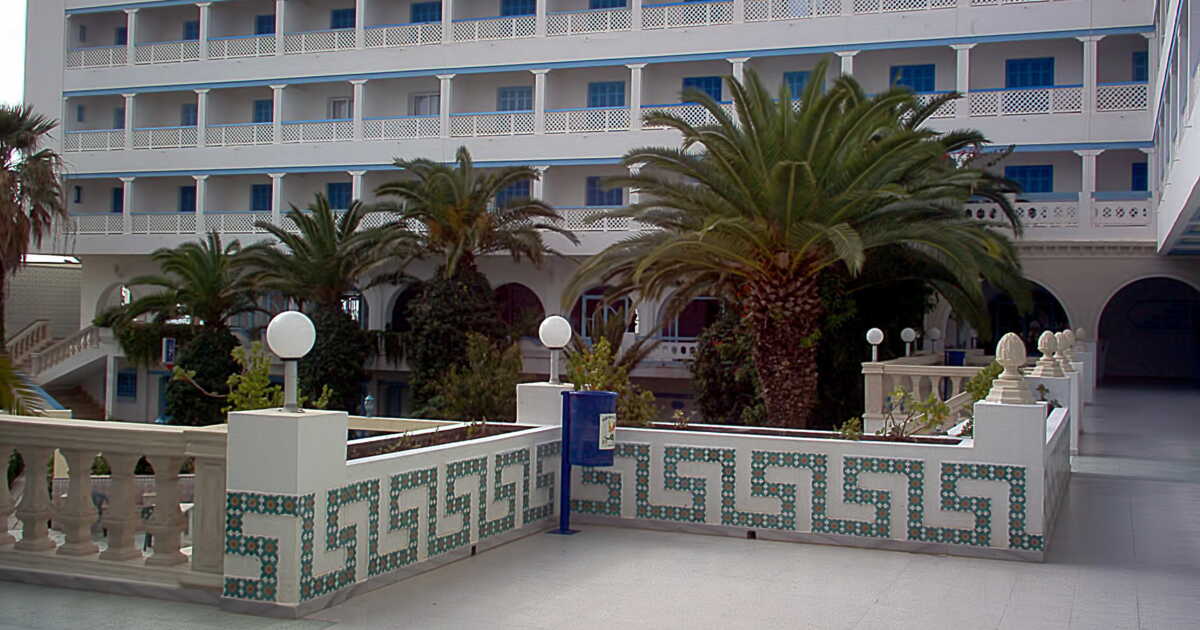
Lose yourself in the old town of Hammamet and explore the alleys of its medina, a true labyrinth where local history speaks through every limewashed facade. The Hammamet souk, the bustling heart of this ancient quarter, is a pleasant place to discover the local culture: charming artisanal shops, souvenir stores, and local craft shops offering ceramics, textiles, and copper objects.

The proximity of the traditional Arab house, the Dar Khadija Museum, or the cafés serving the traditional mint tea invites visitors to slow down, observe, and understand. For travelers in search of authenticity, the medina is an ideal place, off the standard routes, conducive to walking exploration or family outings, before or after a stop on Hammamet’s beaches or a visit to Tunis airport.

2. Relax on Hammamet’s beaches

On the Hammamet beaches, the call to relaxation becomes tangible. Their white sand, their crystal-clear waters, and the mild Mediterranean climate create a magical place, ideal for a serene seaside holiday. These well-equipped beaches boast modern facilities and play areas, meeting the needs of families as well as couples seeking a tranquil atmosphere.

Water activities offered, such as kayaking, snorkeling, or boat trips, allow you to fully enjoy this idyllic setting. Located about 70 kilometers from Tunis airport, the beaches are easily accessible, including direct flights from Marseille, enhancing the appeal of this renowned resort. Hammamet stands as a balanced seaside destination, where well-being meets local culture in a thoughtful discovery approach.

3. Visit the Hammamet Kasbah

The Hammamet Kasbah, perched facing the sea, is an architectural testament to the medieval period. This fortress, founded in the 9th century, is more than a strategic vantage point: it is a place steeped in history, whose ramparts (rebuilt in the 13th–15th centuries) offer a breathtaking view of the old town and the Mediterranean Sea.

Inside, visitors progress in a contemplative silence, punctuated by explanatory panels detailing the defensive uses of the site. A true balcony onto the past, the Kasbah stands as an essential stop for anyone who wishes to understand the city’s urban evolution, from ancient defensive dynamics to the development of the current tourist town.

Readily accessible from the Hammamet beaches, it complements a day trip by providing a vertical reading of the territory, between fortifications, lush gardens, and collective memory.

4. Wander the Pupput Roman site

The Pupput ruins, located near the seaside resort, plunge visitors into the heritage of the African Roman province. This isolated place, partly buried beneath modern development, preserves nevertheless significant elements allowing a clear reading of the site: mosaics, remains of thermae, and city layouts sketch the outlines of a dynamic Roman town.

Though less spectacular than other Tunisian sites, Pupput charms with its sobriety and accessibility, offering a view of a time often eclipsed by the allure of the coast. For lovers of unique experiences mixing heritage and reflection, this visit forms an intellectual bridge toward a comprehensive understanding of the territory, between buried past and present tourism. It is a discreet yet rewarding excursion, particularly recommended during the ideal travel period, outside the rainy season.

5. Have fun at Yasmine Hammamet’s amusement parks

The Yasmine Hammamet district embodies the modern ambition of Tunisia’s tourism. Designed as a hub of contemporary leisure, it hosts a wide range of family-friendly infrastructures, with theme parks such as Carthage Land, wave pools, its hotels, and modern facilities.

Here, entertainment takes shape within a structured environment, where children enjoy supervised activities while adults explore numerous shops, stroll through lush gardens, or unwind in integrated wellness spaces.

The district is accessible from the Tunis airport and well connected for travelers seeking a smooth stay, including direct flights between Tunis and Marseille. Yasmine Hammamet is aimed at a broad audience, blending seaside relaxation, family-friendly recreation, and logistical comfort in a setting designed to optimize the tourism experience.

Is Hammamet expensive? Understanding the cost of a stay between local crafts and modern infrastructures

Asking whether Hammamet is an expensive destination means placing the experience in its regional context. Compared to other Mediterranean seaside towns, Hammamet remains accessible to most travelers, while offering a satisfactory level of comfort. Accommodation, dining, and leisure activities provide good value, especially outside the peak season.

The city’s tourism development has fostered a varied offering, ranging from large hotel complexes to more intimate guesthouses. On-site expenses stay moderate, provided you avoid the most crowded spots during the summer. Hammamet thus remains a balanced destination, combining a pleasant setting, cultural offerings, and budget-friendly accessibility.

Is it worth visiting Hammamet? A town between Andalusian tradition and Mediterranean seaside

The question of whether Hammamet is worth a visit invites reflection on the balance between tourist attractions and preserved authenticity. An old fortified town facing the sea, Hammamet seduces with its mild climate, the whiteness of its lanes, the presence of its medina, and its rich crafts. Less bustling than some cultural capitals, it stands out with a slower pace, conducive to wandering and relaxation.

The proximity of the beaches, combined with the understated beauty of Arab-Andalus architecture, offers a serene atmosphere, without excess. Visiting Hammamet means choosing a controlled immersion into a hospitable Tunisia, human-scale, between discreet heritage and modern comfort.

What to do in Hammamet at night? A city that gradually comes alive between the Medina, the seafront and local music

As night falls, Hammamet reveals a peaceful atmosphere where the heat eases and the streets brighten. The seafront becomes a promenade, café terraces open onto the sea, and some hotels offer concerts or folkloric shows in intimate settings. The Medina, softly lit, invites nocturnal exploration of its artisan stalls.

For those seeking a more contemporary vibe, the Yasmine Hammamet area offers restaurants, tea rooms, and a few musical venues. The city maintains a discreet yet harmonious nightlife, faithful to its identity: welcoming, without showiness, conducive to conversation and relaxation.

What to do around Hammamet? Discover the richness of Cap Bon between sea, nature and ancient ruins

Exploring what there is to do around Hammamet allows access to a more rural, heritage-rich and still relatively uncrowded Tunisia. In the heart of Hammamet Sud, the Pupput archaeological site offers a glimpse of Roman presence in the region.

Further north, the town of Nabeul is renowned for its pottery crafts and its weekly market. Continuing toward Cap Bon, the coastal villages, the cliffs of Korbous, or the ancient baths offer a natural interlude. These trips, reachable in half a day or a full day, complement a stay in Hammamet by opening up a broader reading of the territory and its cultural and landscape resources.

What to do in Hammamet with family? A destination designed for intergenerational hospitality

Visiting Hammamet with family allows for a blend of leisure, relaxation and cultural discoveries at a suitable pace. The town features shallow, supervised beaches ideal for young children, as well as amusement parks like Carthage Land located in the Yasmine tourist area. Guided medina tours or craft workshops can also enrich the stay.

On the nature side, sea outings or strolls through orange groves on the outskirts offer calming breaks. The welcome given to families is warm and attentive, the facilities well equipped, and the short distances make logistics easier. Hammamet thus constitutes a balanced introduction to Tunisia: accessible, educational, and pleasant for all ages.

What to do in Hammamet when it rains? Cultural activities, local crafts and meditative pauses

Even in inclement weather, Hammamet retains its appeal. The Medina, with its covered alleys, offers sheltered wandering among artisan stalls, art galleries, and small mosques. The city’s cultural centers, such as the International Cultural Center housed in George Sebastian’s villa, regularly host exhibitions or concerts, open to passersby. It’s also the opportunity to discover traditional hammams or to take pottery and weaving workshops.

Finally, local cuisine can become a sensory refuge, with a family couscous tasting or oriental pastries in a tea room. Rain, though rare, invites exploring Hammamet in a deeper, more inward dimension, yet equally welcoming.

This article was written with the help of artificial intelligence, then corrected, supplemented, and validated by the newsroom journalists.
What to Do in Australia: 5 Must-Do Activities and Outings in the Land Down Under

Table of Contents


  • 1. Explore Aboriginal Culture at Uluru


  • 2. Travel the Great Ocean Road


  • 3. Discover the Great Barrier Reef


  • 4. Discover Sydney and Its Iconic Landmarks


  • 5. Venture into Kakadu National Park


  • What to Do in Australia with Kids? A Family-Friendly Exploration of the Continent


  • What to Do in Australia in 1 Week? A Targeted Itinerary to Explore the Essentials


  • What to Do in Australia When It Rains? Exploring Museums, Galleries and Indoor Cultural Treasures


  • Australian Visa: What Formalities to Plan Before Departure?

It’s hard to travel across Australia without being struck by the contrasts that punctuate the journey. From the red heart of the continent to the underwater realms off Queensland, here are five experiences that deserve a prime place in any itinerary.

1. Explore Aboriginal Culture at Uluru

Exploring the Aboriginal culture at Uluru constitutes one of the best ways to understand the spiritual foundations of the Australian continent. Located not far from Alice Springs, this sacred site holds a central place in the oral tradition of the Aboriginal peoples.

Near the Olgas, also known as Kata Tjuta, whose rock domes sculpt the horizon, Uluru rises out of the desert. The whole area forms a wildland area of great geological and cultural value. Guided tours led by local communities allow visitors to grasp the Dreamtime stories, the traces left in the red sous-sol (subsoil), and the close relationship between nature and spirituality.

This arid yet inhabited landscape reveals a core part of the living history of Western Australia, beyond its spectacular scenery. A stop at this must-see site in the Australian interior aptly complements any exploration of the north of the country.

2. Travel the Great Ocean Road

Driving the Great Ocean Road, along the southern coast of the State of Victoria, reveals one of the most beautiful coastal routes in the southern hemisphere, renowned for its lovely coastal roads and spectacular viewpoints. This winding route, lined with white-sand beaches, rainforests and dramatic cliffs, runs along Victoria’s southern coast.

Among the must-see sites, the Twelve Apostles rock formations stand out as the showpiece, their vertical isolation mirrored by the waters. The Great Ocean Road embodies a natural, historic, and symbolic experience, paying tribute to veterans while revealing the erosive power of the coastline. In a travel guide, this itinerary is often recommended as an ideal place to combine landscape discoveries with cultural breaks in southern Australia.

3. Discover the Great Barrier Reef

Diving into the turquoise waters of the Great Barrier Reef, along the north-eastern coast of Queensland, ranks among the best ways to explore Australia’s exceptional marine biodiversity. This network of reefs extends to the Whitsunday Islands, known for their white-sand beaches. The region, accessible from Cairns or Airlie Beach, attracts with opportunities for day trips to lagoons rich in coral, tropical fish, turtles, and humpback whales in season.

Far from just a seaside destination, this wildspace highlights the fragility of the coral ecosystem and the challenges of its preservation. Snorkelers, divers, or day-long cruises will find in this region an ideal place to experience an immersive journey between sky and sea, where every immersion reveals the abundance and complexity of the underwater world.

4. Discover Sydney and Its Iconic Landmarks

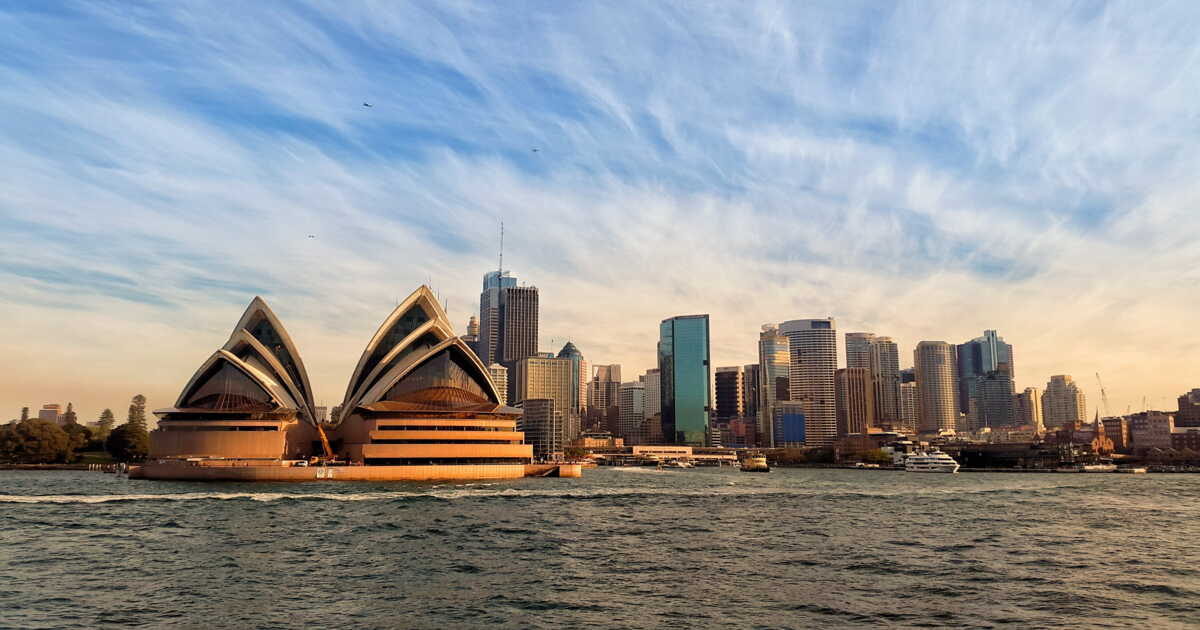
Discovering Sydney amounts to exploring a condensed snapshot of Australian urbanity, blending heritage, waterfront, and contemporary vitality. From the Opera House or the Harbour Bridge to the beaches of Bondi or Manly, the city unfolds a diversity of landscapes shaped by its coastal setting. Renowned for its multicultural restaurants, art galleries, and immediate proximity to nature, Sydney is a perfect place to combine city life with the coast.

The city centre offers a rich array of museums, hotels, promenades and social spaces, while coastal paths, such as the Bondi-to-Coogee route, offer panoramic ocean views. This urban experience also stands out for its ability to integrate sporting, cultural, and social activities in a single metropolitan space. In Australia, few cities offer such a blend of modern infrastructure and direct access to the wild nature area.

5. Venture into Kakadu National Park

The Kakadu National Park, in the northern part of the country, stands as a model of balance between biodiversity, cultural transmission, and territorial management. Located in the northern part of the Northern Territory, about 130 km east of Darwin, this UNESCO World Heritage-listed park protects a mosaic of environments, from stunning gorges to wetlands and tropical forests to rugged cliffs. Here you can observe crocodiles, rare birds, and numerous traces left by the Aboriginal peoples, including millennial rock paintings visible at Ubirr or Nourlangie.

These testimonies give the park a spiritual dimension, where the memory of the land dialogues with today’s wildlife. Trails often integrate this site into a broader itinerary toward the Flinders Ranges, Kings Canyon, or Kangaroo Island, forming a coherent array around Australia’s must-see sites. Far from urban frenzy, Kakadu illustrates the country’s natural diversity and its deep respect for traditional knowledge.

What to Do in Australia with Kids? A Family-Friendly Exploration of the Continent

Australia with kids offers a range of activities designed to blend learning with wonder. Interactive museums like Questacon in Canberra or Scienceworks in Melbourne provide playful ways to explore science. Lifeguarded beaches on the Sunshine Coast or easy trails in the Royal National Park encourage nature-filled getaways.

In Sydney, Taronga Zoo and the Darling Harbour Aquarium are among families’ favorite spots. Australian wildlife — kangaroos, koalas, wallabies — provides a throughline for the trip. Traveling in Australia with family means balancing safety, quality infrastructure, and big-nature discoveries in an environment that supports children’s curiosity.

What to Do in Australia in 1 Week? A Targeted Itinerary to Explore the Essentials

Asking what to do in Australia in one week requires making choices, given the country’s continental scale. For a first visit, it’s wise to concentrate the itinerary on a cohesive region. A journey between Sydney and the Blue Mountains allows you to combine urban heritage with spectacular nature while discovering iconic sites like the Sydney Opera House or Bondi Beach.

Alternatively, a circuit through Queensland—from Brisbane to the Great Barrier Reef via Fraser Island—offers immersion in tropical landscapes. Finally, for culture and gastronomy enthusiasts, Melbourne and the Great Ocean Road create a rich and varied experience. In a week, Australia reveals a concentrated glimpse of its complexity: urban modernity, untouched nature, and multicultural culture.

What to Do in Australia When It Rains? Exploring Museums, Galleries and Indoor Cultural Treasures

Even in bad weather, Australia offers plenty of cultural and urban options to explore. In Melbourne, museums such as the National Gallery of Victoria or the Melbourne Museum offer immersive exhibitions, as does the Australian Museum in Sydney, which presents biodiversity and Aboriginal cultures. In Brisbane, the GOMA (Gallery of Modern Art) provides an engaging visual journey.

Australian cities also host numerous indoor markets, libraries, planetariums and cultural centers suited for a rainy day. Independent cinemas, aquariums and literary cafés are many options that reveal another face of a country often seen only through its vast open spaces.

Australian Visa: What Formalities to Plan Before Departure?

Before traveling, it is essential to learn about the conditions for obtaining an Australian visa, which vary depending on the purpose and duration of the stay. For short tourist stays, nationals of many countries can apply online for an eVisitor or an ETA (Electronic Travel Authority).

For work, internship, or long-term stays, other visa categories are required, with longer and sometimes more complex procedures. It is essential to verify the specific requirements (passport validity, insurance, health) at the time of application. The Australian system, strict but transparent, ensures efficient management of entries into the territory while safeguarding the safety of visitors and residents.

This article was written with the help of artificial intelligence, then corrected, supplemented and validated by the journalists of the editorial team.

What to Do in Denmark: 8 Must-Do Outings and Activities

Contents


  • 1. Nyhavn: between maritime heritage and Copenhagen’s living postcard


  • 2. Dive into the Viking era at the National Museum of Denmark


  • 3. Discover Aarhus, the vibrant European capital of culture


  • 4. Wander along the Danish coast


  • 5. Traverse Denmark’s imposing castles


  • 6. Tivoli Gardens: tradition and enchantment in the heart of the Danish capital


  • 7. Visit Rundetårn


  • 8. Explore Ny Carlsberg Glyptotek, an art museum at the heart of Copenhagen


  • What to do in Denmark with family? Legoland Billund, a bricks-and-imagination universe at the heart of Denmark


  • What to do in Denmark when it rains? Explore indoor museums, castles and cultural spaces

They say it’s one of the happiest countries in the world. Renowned for its hygge-inspired lifestyle, a Danish term used to describe a joyful and comforting moment, Denmark attracts each year curious visitors eager to discover its capital Copenhagen, but also its wild and pristine natural landscapes away from mass tourism.

1. Nyhavn: between maritime heritage and Copenhagen’s living postcard

The Nyhavn canal embodies the iconic image of Copenhagen itself. A former merchant port turned into a lively pedestrian zone, it lines up its colorful 17th-century façades along a waterway dotted with old wooden boats.

Both a promenade and a place for contemplation, Nyhavn hosts numerous cafés, breweries and terraces, while remaining deeply connected to Danish literary history, notably through the figure of Hans Christian Andersen, who lived there. More than a photogenic backdrop, Nyhavn demonstrates how Denmark values its heritage by integrating it harmoniously into a contemporary urban setting.

2. Dive into the Viking Age at the National Museum of Denmark

The National Museum of Denmark, located in the heart of Copenhagen, stands as a must-see for history and Nordic archaeology enthusiasts, offering a comprehensive view of the Danish past through richly endowed collections. Among its highlights, the remarkable Viking artifacts collection draws attention for its preservation and symbolic significance, revealing the practices, beliefs and ways of life of the ancient Nordic peoples.

The permanent exhibitions trace the evolution of Danish society, from prehistory to the contemporary era, also incorporating elements of world heritage and international ethnographic perspectives. Through a rigorous yet accessible museography, the National Museum of Copenhagen fulfills a dual mission: to preserve the collective memory of Denmark and to illuminate visitors about the major milestones in its history, in a structured and well-documented setting with strong patrimonial and educational value.

3. Discover Aarhus, the vibrant European capital of culture

Denmark’s second-largest city by population, Aarhus stands out as a dynamic urban hub where cultural innovation, tourist appeal and academic vitality come together. Crowned European Capital of Culture in 2017, the city has managed to showcase its heritage while supporting contemporary creation. Among its major institutions, the ARoS Art Museum shines with its modern and contemporary art collections, as well as the iconic panoramic installation Your Rainbow Panorama, now a symbol of the local skyline.

The outdoor museum Den Gamle By, an immersive reconstruction of a Danish town from different eras, offers a lively reading of the country’s urban and social history. On the culinary front, Aarhus positions itself as a major culinary destination, spanning from Nordic New Cuisine to Michelin-starred tables, reflecting a local know-how in constant evolution.

City that is both cultural, historical and future-oriented, Aarhus embodies a stimulating alternative to the capital, anchored in a distinctly contemporary Danish identity.

4. Stroll along the Danish coast

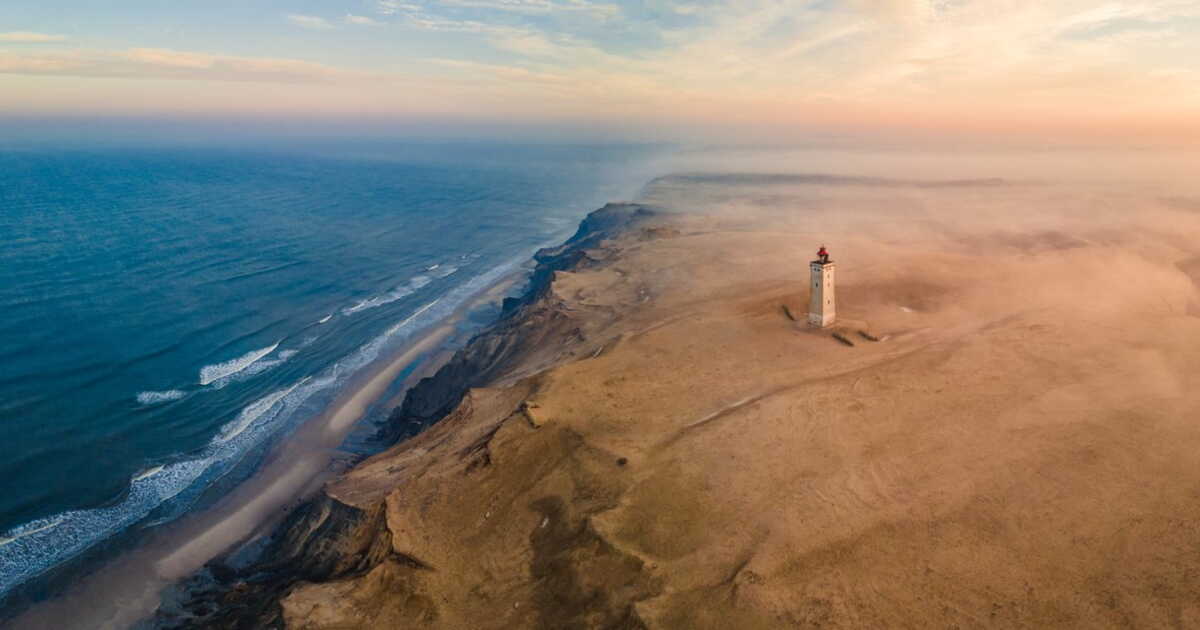
The Danish coastline, extending for thousands of kilometers, is one of the region’s major assets, offering a wide variety of maritime landscapes ripe for discovery and reflection. On the island of Møn, the white chalk cliffs of Møns Klint rise abruptly above the Baltic Sea, delivering spectacular viewpoints and well-kept trails that let you explore both the seafront and the surrounding forests.

Further north, at the tip of the Jutland peninsula, the Skagen region is known for its fine sandy beaches, its wind-swept coastline, and the remarkable meeting of the North and Baltic seas, visible at Grenen. These coastal spaces, often preserved and sparsely urbanized, offer a calming immersion in Danish nature, where silence, changing light, and understated beauty come together. A true field for walks and renewal, the Danish coastline answers the expectations of those seeking balance, simplicity and environmental quality.

5. Traverse Denmark’s imposing castles

The Denmark also stands out for the density and diversity of its historic castles, testifying to a royal and architectural history that is richly preserved. The Kronborg Castle, located in Helsingør, is one of the most emblematic, not only for its strategic position at the entrance to the Øresund, but also for its literary role: it forms the setting of Elsinore Castle in Shakespeare’s Hamlet, giving the site an international cultural resonance.

Further inland, the Frederiksborg Castle, perched on three islets and surrounded by French-style gardens laid out with care, illustrates the refinement of the Danish Renaissance through its lavish interiors and museum collections dedicated to national history.

Between royal residences, medieval fortresses and cultivated landscapes, Denmark offers a coherent and accessible patrimonial panorama, where each site invites both historical understanding and aesthetic contemplation. Combining dynamic urban centers, controlled natural environments and living traditions, the country makes for a complete destination that rewards the curious, history enthusiasts and travelers seeking meaning.

6. Tivoli Gardens: tradition and enchantment in the heart of the Danish capital

The Tivoli Gardens, opened in 1843 in Copenhagen, rank among the oldest amusement parks still operating in the world. Their longevity stems not only from their visual charm but also from their ability to blend family-friendly entertainment with cultural events and carefully curated aesthetics.

Located in the very centre of the capital, Tivoli offers traditional rides, open-air concerts and seasonal illuminations that attract both children and adults. The venue embodies a vision of Danish tourism based on quality, respect for history and constant adaptation to contemporary expectations.

7. Visit Rundetårn

The Rundetårn, or Round Tower, is an ideal place to begin a Danish journey focused on heritage discovery. This 17th-century site is renowned for its spiral staircase that allows visitors to reach an observatory perched above the old town of Copenhagen without steps on the way up.

From the summit, one can access one of the best viewpoints to observe the Copenhageners, the city’s roofs and the sunsets over the spires. Its charm lies in its architectural simplicity, imbued with the quaint charm of the Danish golden age.

For culture lovers, it is also a place linked to the country’s scientific history, regularly animated by exhibitions or events. In the afternoon, the Rundetårn offers a perfect break, whether on a weekend or a day-by-day itinerary, including during a rainy day, as the visit remains sheltered and accessible.

8. Explore Ny Carlsberg Glyptotek, an art museum at the heart of Copenhagen

Situated near the botanical garden and the Frederiksberg Palace, the Ny Carlsberg Glyptotek is a museum that brings together a vast collection of artworks ranging from Antiquity to the modern works of Danish painters. Founded by brewer Carl Jacobsen, this cultural institution also houses classical sculptures, an indoor garden under a glass roof, and is a top choice during a trip to Denmark, especially for a calm and enriching afternoon.

The museum integrates easily into a day-by-day exploration of the city, including during a rainy day. Its hushed atmosphere and neoclassical architecture provide a soothing contrast with the energy of the Nyhavn port nearby. For Copenhagen’s welcoming locals and visitors alike, the Glyptotek represents a true place to begin for an introduction to the beauty and history of art.

What to do in Denmark with family? Legoland Billund, a bricks-and-imagination universe at the heart of Denmark

Denmark stands out for its ability to welcome families in a safe, accessible setting rich in cultural and playful activities. In Billund, the birthplace of the famous Danish brand, Legoland remains a top destination for children, with themed attractions suitable for all ages.

In Copenhagen, the Tivoli Gardens, a historic amusement park located in the city center, offer a magical yet heritage-rich experience. Museums such as Experimentarium or the Viking Ship Museum in Roskilde are also designed with children in mind, featuring interactive setups that encourage learning through play. Denmark thus combines modernity with pedagogy, delivering a family-friendly experience that is both calming and stimulating.

What to do in Denmark when it rains? Explore indoor museums, castles and cultural spaces

Rainy days never diminish Denmark’s opportunities for discovery. The country offers a rich cultural scene suited to Nordic weather. In Copenhagen, Rosenborg Castle, with its royal treasures and preserved interiors, is a must-see.

Nearby, the Rundetårn (Round Tower) offers a sheltered ascent to an astronomical observatory, with a panoramic view of the capital. Art, design and natural science museums provide plenty of shelter for travelers wanting to extend their immersion in Danish history and creativity. Bad weather thus becomes an opportunity to better understand the country’s rich culture.

This article was drafted with the help of artificial intelligence, then revised, expanded and validated by our editorial team.

Things to Do in Tangier: 6 Must-Do Outings and Activities

A Moroccan port located near the Strait of Gibraltar, whose white houses glitter under the sun, Tangier is a city born of myth that has long shone through its commercial activity, from the Phoenicians and Carthaginians to the Byzantines and then the Arabs, from whom they set out to raid Spain… A rich history, paired with the softness of the Mediterranean, which makes it a city that every traveler will not fail to visit.

1. Explore Tangier’s Medina

Exploring Tangier’s Medina corresponds to entering a maze of lanes where Andalusian architecture, colonial influences, local craftsmanship, and oral traditions meet. From the center of town to the heights of the Kasbah, the Medina of Tangier preserves an urban layout typical of Maghrebian old towns, with its souks, inner courtyards, and bustling stalls. The Siaghine Street leads to the Tangier Cinematheque, housed in the former Rif cinema, a witness to the city’s connection with the United States through the figure of Paul Bowles.

A few steps away, the Legation Museum, a unique American diplomatic representation transformed into a museum, houses collections highlighting this shared worldview. The exploration can extend to the Grand Socco, a crossroads of traffic and daily life, offering a transition to the modern neighborhoods. It is the ideal place to enjoy a mint tea, in a soothing atmosphere, before continuing the visit of this city whose history follows the curves of the Mediterranean climate.

2. Admire Cape Spartel

Admiring the Cape Spartel allows understanding the symbolic reach of a site where the Atlantic Ocean meets the Mediterranean Sea, in a spectacular natural convergence. Only about fifteen kilometers from the Port of Tangier Med, this rocky promontory offers an unobstructed view of the Moroccan and Andalusian coasts, particularly striking between June and September, when the average temperature favors an afternoon stroll.

The lighthouse, built in the 19th century, testifies to the maritime vocation of the region and reinforces the site’s strategic value. Cape Spartel, by its position, integrates fully into the routes connecting Tangier to Casablanca, or toward the south along the coastal road leading to Tetouan Asilah. This place, which blends heritage, geography, and contemplation, represents a perfect setting for a cultural and panoramic stop on Tangier’s heights.

3. Visit the Hercules Caves

Visiting the Hercules Caves, located near Cape Spartel, allows merging geology, legend, and seascapes in one place. These natural caverns, shaped by erosion and history, owe their fame to Greek mythology, according to which the hero Hercules sought refuge there after one of his twelve labors. The main opening of the cave, oriented toward the ocean, strikingly evokes an inverted map of Africa, offering an exceptional vantage point over the waves.

Set up for visits, this site constitutes a must-stop for any Tangier itinerary, reinforced by its proximity to the Rmilat forest, a true greenery by the sea. Accessible within a few hours’ drive from Chefchaouen or Asilah, the place delights nature lovers as much as fans of ancient narratives.

4. Strolling along Tangier’s Corniche

Walking along the Tangier Corniche is to travel along a reimagined urban shoreline that illustrates the city’s contemporary openness to the world. Lined with cafes, hotels, and accessible public spaces, it connects the center of town to Tangier Beach, in a visual continuum marked by contrasts between past and present. Ideal for an afternoon stroll, the corniche offers a privileged vantage point on the strait’s movements, the silhouette of freighters on the horizon, and the play of light at sunset.

Popular with both Tangerois and travelers, it embodies the cosmopolitan spirit of a city where the hushed ambience of tea rooms sits alongside the dynamism of modernity. A stop here lets you sample local specialties, recall the eras of the Rolling Stones or Paul Bowles, and feel Tangier’s tangible link to the United States.

5. Discover the Gran Teatro Cervantes of Tangier

Discovering the Grand Theatre of Tangier, recently renovated, is to measure the rising prominence of the northern Moroccan artistic scene. Located in the center of town, this cultural space hosts a varied program — theater, music, dance — reflecting the linguistic and aesthetic diversity of the city.

In connection with institutions such as the Cinémathèque de Tangier, the theater participates in redefining Tangier’s contemporary identity, while fitting into the multicultural heritage that Tangier shares with Europe, the Arab world, and the United States.

The hushed atmosphere of these places contrasts with the city’s buzz, offering visitors a moment of intellectual pause in a perfect setting for creation. The theater is also a conduit of local memory, where figures such as Paul Bowles or the Rolling Stones left lasting marks.

6. Perdicaris Park near Tangier: nature and relaxation just steps from the center

The Parc Perdicaris, also called the Rmilat forest, and Tangier’s beach form a complementary duo for a nature escape just a stone’s throw from the city. The park, a vast wooded area overlooking the Atlantic, offers marked trails within a preserved ecosystem, ideal for an afternoon outing. Sea views and the proximity to Achakar Beach.

Down below, the beach spans a wide expanse of fine sand, suitable for relaxation or water activities. The contrast between forest and sea illustrates the Mediterranean climate that characterizes Tangier, making the city attractive from June to September. This coastal segment provides a breath of fresh air within the urban area, offering a perfect setting for families as well as solitary walkers, in a rare natural harmony so close to the city center.

7. Explore Tangier’s Kasbah: immersion in living heritage at the gates of history

Visiting the Kasbah of Tangier means entering one of the most emblematic historical cores of the Tangier Medina, perched on the heights, not far from the Grand Socco and the Petit Socco. Behind its walls unfolds a labyrinth of lanes where Andalusian architecture dialogues with lime-washed houses and inner courtyards.

The site, with its panoramic view of the Strait of Gibraltar, offers a dense heritage experience, between old governor’s residences, art galleries and quiet terraces where one can sip a mint tea in a hushed atmosphere. The site is an ideal place for an afternoon stroll, when the average temperature and light highlight architectural details. Nearby, the American Legation Museum testifies to the richness of transatlantic exchanges, especially through the figure of Paul Bowles.

The route can continue toward the Siaghine Street, up to the Rif Cinema and the Cinémathèque de Tanger, contributing to a coherent cultural discovery. Nestled between tradition and modernity, the Kasbah also opens up possibilities for nearby excursions, from Tetouan and Asilah to the Hercules caves, or toward Chefchaouen, within a few hours’ drive from the Port of Tangier Med.

8. The Petit Socco: a central square of cosmopolitan heritage through the centuries

Located in the center of the Tangier Medina, the Petit Socco concentrates a significant share of the city’s urban memory. Formerly frequented by diplomats, writers and merchants, it was a privileged observation place for figures like Paul Bowles, fascinated by this worldview in miniature.

As you walk around its surroundings, you discover an urban sequence marked by Andalusian architecture, historic buildings, old cafés, and typical stalls serving local specialties. Easily accessible from the Grand Socco, the sits within a pedestrian network where the pleasant average temperature, especially from June to September, makes it a perfect place for an afternoon stroll.

It is also a perfect setting to grasp Tangier’s social complexity, observing the crossroads of local populations and passing visitors. The unique atmosphere, blending a hushed ambience with discreet activity, invites extending the experience to the nearby Legation Museum, a few steps away, or toward nearby destinations such as Asilah or Chefchaouen, reachable in under three hours by road, starting from a route linking Tangier to Casablanca.

Is it worth visiting Tangier? A city between Mediterranean openness and Andalusian heritage

Visiting Tangier arouses growing interest for those who want to understand a city with a worldview shaped by migrations, exchanges, and culture. Located at the crossroads of Europe and Africa, between the United States, the France, and Andalusia, Tangier captivates with its Andalusian architecture, its diplomatic past (as evidenced by the Legation Museum), and its contemporary energy.

From the Mto Tangier Medina to the Tangier Med Port, from the Kasbah to the cafés of the Grand Socco, the city articulates memory and modernity in a network of lanes and panoramas. Tangier to Casablanca is more than a railway link: it is the journey between two faces of a Morocco in transition. Yes, Tangier deserves to be visited, because it does not simply show — it explains.

What to do in Tangier with family? A peaceful and accessible destination for kids and grown-ups

Visiting Tangier with family offers a serene and educational discovery opportunity. The Parc Perdicaris, with its Rmilat forest, provides a suitable ground for walking, play, and observing nature. The Tangier beach, equipped for swimming, completes the experience with its accessibility and the quality of its fine sand. For a heritage immersion, the Kasbah Museum, in an environment adapted for younger audiences, traces local history in a secure setting.

In the afternoon, families can also stroll through the Medina of Tangier, explore the Siaghine Street, or have a mint tea in a hushed atmosphere. Asilah, despite the existence of many other hubs, remains a possible excursion, as does Chefchaouen, reachable within a few hours’ drive.

What to do in Tangier at night? Exploring the city between golden light and local ambiance

Tangier at night reveals a soothing and luminous facet, conducive to a more contemplative exploration. From sunset, the corniche becomes a popular crossing to observe the reflections of the strait, while Tangier’s Medina maintains a discreet bustle with souks still open.

The Rif Cinema and the Cinémathèque de Tanger offer screenings in a hushed atmosphere, reflecting the local cinematic richness. On the heights, the Café Hafa lets you savor a mint tea facing the sea, in a memory-laden setting. In calmer moments, the Kasbah invites night walks through a labyrinth of quiet streets. What to do in Tangier at night? Discover a city that listens as much as it is visited.

What to do in Tangier when it rains? Museums, literary cafés, and indoor heritage

When it rains in Tangier, cultural spaces gain full meaning. The Legation Museum, housed in a 19th-century building, recounts the relations between Tangier and the United States. Not far away, the Cinémathèque de Tangier, in the former Rif cinema, offers a cultural refuge with auteur films and exhibitions.

The covered lanes of the Medina of Tangier grow quieter, and one discovers literary cafés, notably around the Grand Socco, conducive to reading and conversation. Even in the rain, the city preserves its distinctive atmosphere, revealing a hushed ambience favorable to reflection. The climate, though Mediterranean, can still hold surprises that one can transform into an ideal place for another way to visit.

This article was drafted with the help of artificial intelligence, then corrected, supplemented and validated by the editors of the desk.

What to Do in Bucharest: 8 Unmissable Activities and Outings

Table of Contents


  • 1. Discovering the Parliament Palace


  • 2. A stroll through the Lipscani district


  • 3. Exploring the Village Museum


  • 4. Rest in Cișmigiu Park


  • 5. Delving into the National Museum of Romanian Art


  • 6. The Romanian Athenaeum: a musical and architectural symbol at the heart of Bucharest


  • 7. Herăstrău Park: a plunge into Bucharest’s green heart, between culture and leisure


  • 8. Stavropoleos Church: spirituality and heritage in Bucharest’s old town


  • How long does it take to visit Bucharest? Understanding the pace of a capital with many faces


  • What to do in Bucharest at night? A lively capital between culture, gastronomy and nocturnal heritage


  • What to do in Bucharest with kids? A capital suited to family curiosity

Capital of Romania, founded by the famous Vlad the Impaler, nicknamed the “Little Paris” or “Paris of the East” in its heyday, Bucharest holds many surprising beauties for the traveler who comes for a weekend.

1. Discovering the Parliament Palace

The Parliament Palace of Bucharest, a world-renowned monument after the Pentagon in scale, impresses with its extraordinary size and its role in national memory. This building, erected during the communist era under Nicolae Ceaușescu, is one of the largest administrative structures in the world. Built in marble and crystal, it embodies the power and excesses of a period when Romania sought to assert its authority.

Traveller reviews highlight the richness of its interior decorations, the grandeur of its halls, and the rigour of its neoclassical style. A guided tour allows you to explore its immense galleries, to understand its political and symbolic stakes, and to evaluate the entry prices, generally affordable for such an experience. Compared to the Pentagon in terms of area, it represents a practical option for those wishing to grasp the transition between the past and the modern Romania during a stay in Bucharest.

2. A stroll through the Lipscani district

The Lipscani district, the historic heart of Bucharest’s old town, fascinates with its blend of history, sociability, and festive atmosphere. This is where the Lipscani word truly makes sense: between chic boutiques, underground bars in the basements of old buildings, and cobbled lanes lined with inns and art galleries. The bohemian vibe mingles with the more dynamic nightlife.

The traveller reviews praise the balance between modernity and authenticity, especially around the Stavropoleos Church, a masterpiece of the 19th century, and the Caru’ cu Bere, a historic brewery famed for its Romanian traditional cuisine. With its reasonable prices, its hotels in Bucharest and nearby hostels, Lipscani offers a practical option for a weekend that blends heritage, gastronomy and social encounters.

The experience often evokes a Parisian comparison, as this Little Paris of the southeast European region blends elegance, diversity and memories of the communist era.

3. Exploring the Village Museum

The Village Museum in the Herăstrău Park beautifully illustrates Romania’s cultural and rural richness. Its traditional houses, wooden churches and reconstructed mills recreate daily life from eighteenth to twentieth-century villages. The ambiance is serene, ideal for a calm read or a family-friendly discovery.

The traveller reviews praise the ethnographic precision and the quality of the guided tours offered at affordable prices. Nearby, visitors can extend the experience by strolling around the grand lake or dining at Biutiful by the Lake, combining gastronomy with water views.

L’ensemble forme un endroit parfait pour allier culture, détente et nature au cours d’un séjour à Bucarest, notamment en période d’hivers froids où la ville garde une ambiance dynamique malgré les températures.

4. Repos dans le parc Cișmigiu

Le parc Cișmigiu, situé dans le centre historique, est un écrin de verdure idéal pour ceux qui recherchent des coins tranquilles et une ambiance apaisée. Créé au XIXᵉ siècle dans un esprit romantique, ce jardin public est parfait pour une pause entre deux visites guidées.

En été, les barques glissent sur les bassins, tandis qu’en hiver, le lieu se transforme parfois en patinoire naturelle, offrant aux habitants et visiteurs la possibilité de faire du patin en hiver. Les avis complets soulignent la beauté de ce parc du sud-est européen, sa proximité avec la Calea Victoriei et ses prix d’entrée gratuits, qui en font un endroit parfait pour se ressourcer.

Non loin, plusieurs hôtels à Bucarest et cafés à prix raisonnables en font une option pratique pour un moment de détente pendant un week-end ou un séjour prolongé.

5. Plongée dans le Musée national d’art de Roumanie

Le Musée national d’art de Roumanie, installé dans l’ancien palais royal, incarne le dialogue entre passé et modernité au cœur de la capitale. Abritant une collection allant du Moyen Âge au XXᵉ siècle, il permet de découvrir à la fois des icônes byzantines et des œuvres européennes majeures.

Les avis complets des voyageurs insistent sur la richesse du parcours et la qualité de la médiation culturelle, souvent proposée à des prix raisonnables. Situé sur la Calea Victoriei, aussi appelée Avenue de la Victoire, il illustre le prestige de la capitale, renforcé par la présence de l’Orchestre philharmonique George Enescu et du Cercle militaire national.

À deux pas, les hôtels à Bucarest et les boutiques chic complètent cette expérience culturelle de haut niveau. Ce musée reste un endroit parfait pour comprendre la créativité roumaine, reflet de son histoire entre l’époque communiste et l’ouverture contemporaine.

6. The Romanian Athenaeum: a musical and architectural symbol at the heart of Bucharest

L’Athénée roumain s’impose comme le symbole culturel du Petit Paris qu’était autrefois Bucarest. Son architecture néoclassique, inspirée du 19ᵉ siècle, en fait une œuvre emblématique du patrimoine roumain. Siège de l’Orchestre philharmonique George Enescu, il attire un public aussi bien local qu’international. Les avis complets des voyageurs décrivent une ambiance solennelle et raffinée, où la musique classique s’épanouit sous un dôme orné de fresques historiques. Accessible à des prix raisonnables, l’Athénée est souvent inclus dans les visites guidées culturelles du centre-ville. Autour, la Calea Victoriei et ses élégantes villas Art Nouveau rappellent la comparaison parisienne qui a valu à la capitale roumaine sa renommée. Assister à un concert ici, c’est participer à une tradition artistique et intellectuelle qui dépasse les frontières et témoigne du renouveau culturel du sud-est européen.

7. Parc Herăstrău : une immersion au cœur du Bucarest vert, entre culture et loisirs

Enfin, le Parc Herăstrău, véritable poumon vert du nord de Bucarest, se distingue par sa diversité d’activités et son ambiance dynamique. En été, les visiteurs profitent de croisières sur le grand lac, tandis qu’en hiver, le lieu devient propice au patin en hiver ou aux promenades près de l’Arcul de Triumf. Les avis complets des voyageurs évoquent une atmosphère à la fois détendue et élégante, souvent ponctuée d’événements culturels et d’animations de plein air.

Avec des tarifs en fonction des activités — toujours abordables —, il s’impose comme une option pratique pour un week-end en famille ou entre amis. La proximité du Biutiful by the Lake, du Cercle militaire national et de la Calea Victoriei renforce la dimension à la fois culturelle et conviviale de ce lieu emblématique du séjour à Bucarest.

8. Stavropoleos Church: spirituality and heritage in Bucharest’s old town

The Stavropoleos Church, a jewel of the 19th century located in the old town, sums up the spiritual soul of Bucharest. Built near the former princely court, it fascinates with the finesse of its sculptures and the richness of its frescoes. In cold winters, it becomes a perfect place to reflect in a bohemian atmosphere, in the heart of the Lipscani district.

Traveller reviews praise its timeless beauty as well as its proximity to Caru’ cu Bere, a historic brewery renowned for its Romanian traditional cuisine. Around it, the hostels, Bucharest hotels, and affordable meal prices make it a must-stop for visitors.

Just steps from the Calea Victoriei, this sacred place embodies Bucharest’s ability to unite spirituality, heritage and modernity in a capital that is always moving, shaped by history and open to the world after the Pentagon.

How long does it take to visit Bucharest? Grasping the rhythm of a capital with many faces

Visiting Bucharest requires at least two to three days to capture the essence of its identity. One day can be set aside for the city center, exploring the Parliament Palace, the old town (Lipscani), and iconic monuments such as Stavropoleos Church. A second day allows visiting major cultural institutions such as the National Museum of Art or the Romanian Athenaeum.

Finally, a third day invites venturing toward parks like Herăstrău or toward more residential neighborhoods. Taking time to wander Bucharest means understanding the transition between historical heritage and post-communist modernity in a European capital still relatively unknown but rich in culture.

What to do in Bucharest at night? A lively capital between culture, gastronomy and nocturnal heritage

Bucharest reveals a different light once night falls. In the evening, the old town comes alive with cafés, terraces and restaurants where Romanian cuisine features on the table. Music lovers can attend a concert at the Romanian Athenaeum, a mythical neoclassical venue famed for its acoustics and international programming.

For a more local vibe, wine bars and independent theater venues offer accessible cultural experiences. An evening stroll in the city centre of Bucharest, illuminated and buzzing, lets you feel the energy of a city in the process of redefining itself, balancing discreet modernity with a respect for its traditions.

What to do in Bucharest with children? A capital adapted to family curiosity

Exploring Bucharest with children can be both playful and enriching. The Herăstrău Park, a vast green space in the north of the city, offers a multitude of family activities: boat rides on the lake, cycling paths, playgrounds and even an open-air village museum, ideal for an initial encounter with Romanian culture. The Botanical Garden and the Grigore Antipa Museum complete this educational and accessible offering.

Moreover, the city hosts numerous family-friendly cafés and regular events for younger visitors. Bucharest thus stands as a welcoming capital where you can travel with children while discovering local heritage at their pace.

This article was written with the help of artificial intelligence, then corrected, completed and validated by the editors of the newsroom.

What to Do in South Africa: 10 Essential Outings and Activities

Contents


  • 1. Safari in Kruger National Park


  • 2. Climbing Table Mountain in the Heart of Cape Town


  • 3. Stroll through Stellenbosch’s Vineyards


  • 4. Hike along the Wild Coast


  • 5. Whale Watching in Hermanus


  • 6. Immersion in History on Robben Island


  • 7. Hike in the Drakensberg Mountains


  • 8. Excursion to the Cape of Good Hope


  • 9. Stroll through the V&A Waterfront


  • 10. Shark Cage Diving with Great White Sharks in Gansbaai


  • Is it advisable to travel to South Africa? Understanding safety and the conditions for a successful stay


  • What budget should you plan for two weeks in South Africa? A balance of nature, culture, and comfort


  • What to do in South Africa with family? An educational and spectacular destination


  • South Africa Visa: Procedures and recommendations for a smooth trip

While safari remains one of the flagship experiences of a trip to South Africa, the country is not limited to its wildlife reserves. From Cape Town to the vineyards of Stellenbosch, along wild coastlines and the Drakensberg mountains, here are 10 ideas to diversify your pleasures.

1. Safari in Kruger National Park

Going on a safari in the Kruger National Park constitutes an unforgettable experience for anyone wishing to observe African wildlife in one of the continent’s largest wildlife sanctuaries, covering nearly 19,500 square kilometers. Between lions, elephants, leopards and rare birds, the park offers exceptional viewing opportunities, particularly at dawn or during a sunset stroll.

The best time to visit Kruger stretches over the South African summer, especially for the days in Africa most conducive to wildlife observation. Access is easily done from Johannesburg with a guide or on a self-drive itinerary, whether starting from Johannesburg from France or as an extension toward Cape Town. To capture the finest scenes, a camera is essential. Nearby, the Hluhluwe-Umfolozi wildlife reserve offers a rich and varied itinerary.

2. Climbing Table Mountain in the Heart of Cape Town

The ascent of Table Mountain, either on foot or by cable car, allows you to discover a stunning place where city meets nature. This iconic formation, accessible by cable car or on foot, overlooks the Atlantic Ocean and offers a panoramic view of the city and along the coastline. Included in any visitor’s itinerary, it features among the traveler’s top picks when exploring South Africa.

During a South African summer, the summer months provide ideal days for hiking. The summit experience reveals beautiful botanical gardens in the immediate vicinity. To be included in any Johannesburg-to-Cape Town itinerary, this ascent, combined with city or Peninsula activities, perfectly illustrates the harmony between urban life and mountain landscapes.

3. Stroll through Stellenbosch’s Vineyards

The discovery of the Stellenbosch vineyards (founded in 1679), a few kilometers from Cape Town, is a must on a wine itinerary through the mountainous landscapes and wine valleys of the Cape Winelands. This historic town, shaped by Dutch heritage, is renowned for its wine and the southern autumn (March to May), the ideal season to visit estates and enjoy an authentic tasting experience during the harvest. Founded Stellenbosch in 1679 and the beginning of viticulture in the 1690s by French Huguenots

The South African days allow for successive tastings, cellar visits and strolls in a rolling, hilly environment. Inserted into a Cape Town–Port Elizabeth itinerary, this wine region is also close to the Cederberg and the Cederberg mountains, adding a natural dimension to the unforgettable travel experience.

4. Hike along the Wild Coast

The exploration of the Wild Coast, between East London and KwaZulu-Natal, reveals a still-preserved South Africa, ideal for travelers seeking a stunning place far from ordinary tours. Along the coast, cliffs, beaches and rivers alternate in a succession of wild panoramas, accessible via a self-guided itinerary or with a local guide.

The South African summer, especially during the summer holidays, allows for hiking along coastal trails while enjoying a subtropical climate. It is also the time for a night or several days in Africa in simple accommodations close to local communities. For wildlife watchers and photography enthusiasts, a camera is essential to capture this region’s rare authenticity.

5. Whale Watching in Hermanus

Whale watching in Hermanus, on the southern coast of the Western Cape, ranks among South Africa’s unforgettable experiences. The months of June to November are a good time to see these cetaceans from shore or at sea, in a biodiversity-friendly setting.

Located on a route between Cape Town and Port Elizabeth, this stop fits perfectly into a coastal loop also passing by Gansbaai and Sokcho Beach, popular for other marine activities. The experience, whether during a short stroll or over a full day, is enhanced by the accessibility of the observation sites and the city’s soothing atmosphere. Armed with a camera, visitors capture spectacular moments in harmony with the marine elements.

6. Immersion in History on Robben Island

The immersion in history on Robben Island, off the coast of Cape Town, is an unforgettable experience at the heart of South Africa’s memory. Accessible by ferry, this World Heritage–listed island housed Nelson Mandela, a figure in the fight against apartheid, for 18 years.

The tour, often led by former inmates, provides a unique depth to this place of reflection. This excursion can fit into a self-guided city itinerary or a reverse itinerary from Johannesburg to Cape Town, incorporating other cultural sites. A few hours in the afternoon are enough to explore the island and enjoy the panorama of the bay and Table Mountain. Robben Island is also a powerful photographic landmark, to be captured with a camera to remember one of the country’s most powerful symbols.

7. Hike in the Drakensberg Mountains

The Drakensberg Mountains, largely located in the Kwazulu-Natal, are a major destination for hiking and discovering South Africa in a natural setting. The uKhahlamba-Drakensberg Park, a World Heritage Site, combines mountain scenery, rock art and unique biodiversity. It is one of the favorites for lovers of vast landscapes, who find there, depending on the season, days in Africa suitable for ascent or contemplation.

The South African summer is the best time for varied itineraries, accompanied by a local guide. Access is from Johannesburg with a guide or via a car rental on a south-easterly one-way itinerary toward the southeast of the country. An unforgettable experience, enhanced by the diversity of landscapes and the cultural richness of the places.

8. Excursion to the Cape of Good Hope

The Cape of Good Hope, located south of Cape Town, embodies a beautiful and symbolic place, at the confluence of two ocean currents. Included in the Table Mountain National Park, this site is explored via a self-guided or guided itinerary, often during a coastal stroll along its rugged trails.

The South African summer, the ideal time for wildlife and flora, offers encounters with iconic species in a subtropical climate. The panorama from the Cape Point Lighthouse, the sheer cliffs and the wild beaches make it one of the country’s natural highlights. It can easily be included in a reverse itinerary between Johannesburg and Cape Town, enriching the peninsula leg with a strong geographic and ecological dimension.

9. Stroll through the V&A Waterfront

The V&A Waterfront, located in Cape Town’s historic harbor, is a multifunctional destination blending culture, shopping and relaxation. Reimagined as a beautiful place with a cosmopolitan vibe, it hosts art galleries, markets, restaurants and events open to the sea, perfect for a afternoon stroll. It is also a practical starting point for trips to Robben Island or the Cape of Good Hope.

Accessible on foot or integrated into a self-guided itinerary, this district also offers an introduction to local culture through its museums and artisan market. An experience to be lived in a safe, dynamic setting, where the South African summer provides ideal climate conditions for enjoying days in Africa in an urban environment open to the ocean.

10. Shark Cage Diving with Great White Sharks in Gansbaai

Shark cage diving with great whites in Gansbaai is an unforgettable experience for thrill-seekers and ecotourism enthusiasts. This supervised activity, offered mainly between May and October, allows you to get up close to these marine predators in their environment, while maximizing conservation standards.

Included in a reverse itinerary between Johannesburg to Cape Town, this excursion adds to the variety of activities offered in the coastal region. Located not far from Hermanus, it can complement a whale-watching marine experience.

The best time for diving coincides with the austral winter, optimizing days in Africa for travelers arriving from abroad. To capture the adventure, a waterproof camera or an appropriate housing lets you document every moment underwater.

Is it advisable to travel to South Africa? Understanding safety and conditions for a successful stay

Asking whether it is advisable to travel to South Africa involves evaluating both safety in South Africa and the quality of its tourism infrastructure. The country welcomes several million visitors each year, drawn by the richness of its wildlife, the diversity of its landscapes and the vitality of its major cities. The situation is generally stable for informed and careful travelers.

Local and international authorities recommend simple precautions: avoid certain neighborhoods at night, favor safe travel and follow local guidelines. South Africa has a developed tourism network, safe accommodations and well-managed national parks. Traveling in this country is above all about smart preparation, to enjoy an exceptional destination with peace of mind.

What budget should you plan for two weeks in South Africa? A balance of nature, culture and comfort

Planning the budget for a two-week trip to South Africa depends on the variety of activities and the travel style chosen. An average stay, combining safari, urban discovery and coastal exploration, ranges from €2,000 to €3,000 per person, flights included.

National parks, such as Kruger or Addo Elephant, account for a significant portion of the budget due to entry fees and specialized accommodations. Travelers can reduce costs by opting for a car rental and independent lodges.

Meals and transportation remain affordable, and the quality of tourism services fully justifies the investment. This budget ensures a comfortable balance, allowing you to explore South Africa’s diversity—from Cape Town to the northern reserves—while enjoying an authentic and well-organized experience.

What to do in South Africa with family? An educational and spectacular destination

South Africa proves to be a destination particularly suitable for family travel. Its outstanding natural heritage, combined with modern infrastructure, creates a setting conducive to shared discovery. Children can spot the Big Five on a safari in Kruger National Park, discover the penguins at Boulders Beach, or marvel at Table Mountain.

Cities such as Cape Town and Durban offer interactive museums, aquariums and safe beaches. The country also appeals for its educational dimension: visiting historic sites such as Robben Island allows approaching the country’s recent history with respect and clarity. Between adventure, learning and moments of relaxation, a family trip to South Africa combines enjoyment, culture and awareness of nature conservation.

South Africa Visa: Procedures and recommendations for a smooth trip

Before any departure, it is essential to check the visa requirements for South Africa, which vary according to the traveler’s nationality. Citizens of many European countries, including France, are visa-exempt for tourist stays under 90 days. However, you should have a passport valid for at least 30 days after the return date and with two blank pages.

For longer stays or professional visits, a specific application must be filed with the embassy or online. South African authorities also require the presentation of a return ticket and sometimes proof of accommodation. Meticulous preparation of these administrative formalities ensures a trip to South Africa without surprises, allowing you to focus fully on discovering the country and the richness of its natural heritage.

This article was drafted with the help of artificial intelligence, then corrected, expanded and validated by the editorial team.

Things to Do in Oceania: 10 Essential Activities and Outings

Table of Contents


  • 1. Explore the Great Barrier Reef in Australia


  • 2. Discover the Majestic Landscapes of New Zealand


  • 3. Immersing Yourself in the Local Culture of the Fiji Islands


  • 4. Dive into the Marine Riches of Raja Ampat, Indonesia


  • 5. Explore the Volcanic Islands and Tropical Forests of Vanuatu


  • 6. Navigate the Turquoise Lagoons of French Polynesia


  • 7. Whale Watching in Tonga


  • 8. Hiking and Wild Nature in Papua New Guinea


  • 9. Cultural Discovery in New Caledonia


  • 10. Relaxation on the Beaches of the Cook Islands


  • What is the most beautiful country in Oceania?


  • What to Do in Australia for a Month?


  • What are the 16 Countries of Oceania?

Oceania, comprised of thousands of islands scattered across the South Pacific, offers a fascinating playground for lovers of nature, culture, and adventure.

1. Explore the Great Barrier Reef in Australia

The Great Barrier Reef stretches for thousands of kilometers along Australia’s eastern coast, within the vast expanse of Oceania. This natural jewel is one of the world’s finest examples of coral reefs. Travelers can snorkel or dive to admire tropical fish, colorful corals, and sea turtles, or enjoy a glass‑bottom boat tour to observe underwater life without getting wet.

This immersion offers a unique experience at the heart of an exceptional marine ecosystem, ideal for a memorable Oceania journey. The surrounding islands, remnants of a vast archipelago, add charm and diversity to this unforgettable underwater landscape.

2. Discover the Majestic Landscapes of New Zealand

New Zealand, an archipelago in the southwestern Pacific, captivates with its mountains, lakes, and spectacular fjords. Between hikes in the Southern Alps, views of Milford Sound’s fjords, and journeys through verdant valleys, hiking enthusiasts will find an ideal playground.

This Oceanian country offers a unique blend of nature, mountains, and wild expanses. As you tread its trails, you cross an archipelago rich in biodiversity, alternating forests, jagged peaks, and rugged coastlines. The scattered islands across the sea lend a quintessential island charm, inviting patient, contemplative exploration.

3. Immersing Yourself in the Local Culture of the Fiji Islands

The Fiji Islands form a warm and welcoming archipelago at the heart of Oceania. In this tropical horizon, the local population conveys a way of life marked by ancient customs: Kava ceremonies, traditional dances, crafts, and colorful markets.

The white-sand beaches fringed with palm trees and the coral reefs accessible from shore make the Fiji Islands a true paradise for sea lovers. The turquoise water invites swimming or snorkeling, while the relaxed atmosphere and genuine smiles offer a unique experience for those looking to recharge in a simple and natural setting.

4. Dive into the Marine Riches of Raja Ampat, Indonesia

Although located outside the traditional borders of Oceania, the Raja Ampat archipelago shares the spirit of the Pacific’s tropical islands. Its clear waters provide exceptional visibility on its coral reefs, housing abundant marine life: multicolored fish, manta rays, reef sharks.

Sea lovers can dive, snorkel, or kayak there. Exotic beaches, clear water, and turquoise lagoons echo the natural treasures found on many Oceania islands. The unique charm of Raja Ampat, in this Indonesian archipelago, makes it a fascinating stop for travelers seeking marine immersion and pristine marine landscapes.

5. Explore the Volcanic Islands and Tropical Forests of Vanuatu

The archipelago of Vanuatu, located in the heart of Oceania, combines beaches, volcanoes, and tropical forests, offering remarkable diversity. Islands such as Tanna or Efate are blanketed with lush jungles, perfect for hiking in a dense and less-traveled natural setting.

Some routes lead to active volcanoes, while others wind through lush forests, revealing pristine and wild nature. Lagoons fringed with fine sands and underwater reefs invite diving or snorkeling. This blend of jungle, volcanism, sea, and local traditions creates a unique experience for travelers eager to leave the beaten path and discover an authentic face of Oceania.

6. Navigate the Turquoise Lagoons of French Polynesia

French Polynesia, the iconic archipelago of the South Pacific, enchants with paradise islands like Bora Bora, featuring turquoise lagoons and white-sand beaches. Renting a catamaran to sail between the islands, diving in crystal-clear waters, or simply relaxing on a secluded motu constitutes the essence of an exceptional island stay.

One combines the charm of marine landscapes, the mild climate, and the rich local culture, creating a dream Oceania journey. The turquoise waters, calm bays, nearby reefs, and Polynesian hospitality help foster an atmosphere of deep relaxation and constant wonder.

7. Whale Watching in Tonga

In the heart of the Tonga islands, a discreet Oceania archipelago, warm waters offer the rare chance to swim with humpback whales between July and October. This unique marine encounter transforms the stay into a one-of-a-kind experience, blending emotion with a respect for nature.

Beyond cetacean watching, some islands lend themselves to short hikes, offering views of the ocean and the surrounding vegetation. The combination of deep sea, nearshore reefs, and isolated villages gives Tonga an authentic charm, ideal for those seeking adventure, tranquility, and immersion in a pristine island setting.

8. Hiking and Wild Nature in Papua New Guinea

Papua New Guinea, within the broad realm of Oceania, encompasses a vast archipelago of islands and untamed lands, covered in dense and diverse tropical forests. Mountains, rivers, and forests invite off-the-beaten-path hiking, revealing exceptional biodiversity and a remarkable natural environment.

The isolated islands and rugged coastlines also allow close encounters with coral reefs while enjoying rarely visited landscapes. The contrast between sea, jungle, and mountains gives this region a frontier-like atmosphere, perfectly suited for those seeking adventure and a return to basics in an unspoiled Oceania setting.

9. Cultural Discovery in New Caledonia

New Caledonia, a French territory in Oceania, consists of an archipelago of islands whose cultural diversity deserves attention. Between the Kanak population, European influences, and Pacific communities, a visit to the Nouméa Cultural Centre offers a rich glimpse into this heritage.

The protected lagoons host coral reefs suitable for diving and observing marine life. The tranquil beaches and coastal trails invite exploration of the landscapes. This destination blends culture, sea, and island nature, a balance typical of a varied and enriching Oceania journey.

10. Relaxation on the Beaches of the Cook Islands

The Cook Islands illustrate the laid-back island lifestyle: white-sand beaches, tranquil lagoons, and a peaceful atmosphere characterize this small archipelago of Oceania. In Rarotonga or Aitutaki, the calm and clear waters invite snorkeling or simply strolling along the ocean.

Fishing villages, local markets, and crafts provide an authentic connection with the inhabitants’ culture. The islands scattered with the currents create a sense of total escape — ideal for those seeking relaxation, simplicity, and an idyllic setting to live a truly insular moment.

In conclusion, Oceania is a vast region of contrasts and opportunities for every type of traveler. Whether you seek adventure, relaxation, cultural discoveries, or unique experiences in the heart of nature, the islands and countries of this region will offer you unforgettable memories.

What is the most beautiful country in Oceania?

Hard to designate the most beautiful country in Oceania, given the region’s exceptional variety of landscapes, cultures, and experiences. Australia, with its coral reefs, tropical forests, white-sand beaches, and desert areas, ranks among the favorites. New Zealand attracts with its majestic mountains, national parks, and legendary hikes such as Mount Cook.

As for French Polynesia, it delights with islands like Bora Bora, its crystal-clear waters, and its Polynesian culture. Finally, archipelagos like Fiji or New Caledonia are often considered as paradise corners in the heart of the South Pacific. Each country embodies, in its own way, a piece of this world’s edge fantasy, offering a unique experience.

What to Do in Australia for a Month?

A month-long stay in Australia allows you to combine several iconic regions. On the east coast, the Great Barrier Reef offers spectacular water activities: diving, snorkeling, and cruises. The Blue Mountains, near Sydney, provide hikes through lush nature. The south is rich with white-sand beaches and cultural cities.

Meanwhile, the tropical north offers forays into world‑heritage tropical forests. By combining these stops, the Oceania journey becomes a voyage between modernity, Aboriginal heritage, wild landscapes, and exceptional coastlines.

What are the 16 Countries of Oceania?

Oceania comprises 14 to 16 countries depending on classification. The main ones are: Australia, New Zealand, Fiji, Papua New Guinea, Samoa, Tonga, Vanuatu, Kiribati, Tuvalu, Nauru, Palau, Micronesia, Marshall Islands, Solomon Islands, and sometimes Cook Islands and Niue (associated states of New Zealand).

This grouping brings together archipelagos scattered across the South Pacific, with varied geographic, political, and cultural realities. These islands, often isolated, embody unique destinations, blending Polynesian culture, biodiversity, coral reefs, and paradisiacal beaches. The richness of Oceania lies precisely in this mosaic of countries and islands with contrasting identities.

This article was written with the help of artificial intelligence, then corrected, expanded, and validated by the editors.

What to Do in Gabon: 6 Ideas for Outings and Activities

Summary


  • 1. Explore Loango National Park


  • 2. Hiking in Lopé National Park


  • 3. Discovering the Ivindo Falls


  • 4. Relaxation on Pointe Denis beaches


  • 5. Visiting Libreville and its surroundings


  • A trip to Port-Gentil


  • Traveling in Gabon safely: is it safe to visit this Central African country?


  • Why go to Gabon? A preserved natural destination to discover

Choosing Gabon means opting for a destination where experiences are often lived up close to nature. Wildlife viewing, navigating waterways, or exploring cities — here are some ideas to craft a varied stay.

First and foremost, before traveling abroad, it is useful to consult the Travel Advice published by the Ministry of Foreign Affairs to understand security and health risks specific to certain areas, as well as the administrative steps to take before your trip.

1. Explore Loango National Park

The Loango National Park is frequently highlighted for its impressive wildlife. Known for elephants strolling along its beaches, Loango is also a sanctuary for gorillas and hippos found in its lagoons. Whale watching is a flagship activity, especially between July and September, offering an unforgettable spectacle.

2. Hiking in Lopé National Park

The Lopé National Park is another site that deserves visitors’ attention. Renowned for its savanna and forests, it is among the best places in the world to spot mandrills. These colorful monkeys move in troops of hundreds of individuals, creating a safari experience like no other. A stay in this park can be enhanced by guided tours that explain the local ecosystem.

3. Discovering the Ivindo Falls

Situated in the heart of tropical Africa, the Ivindo National Park is famous for its spectacular waterfalls. The Kongou and Mingouli Falls plunge into the dense forest, offering a landscape that is as mysterious as it is grand. Boat trips on the Ivindo River, where these cascades form, allow visitors to get as close as possible to their natural power.

4. Relaxation on Pointe Denis beaches

A short ferry ride from Libreville, Pointe-Denis is a very popular seaside escape. This spot is ideal for winding down after days of intensive sightseeing. Its long, fine-sand beaches allow total relaxation, while the nesting season of leatherback turtles offers a unique natural spectacle.

5. Visiting Libreville and its surroundings

The capital, Libreville, is rich in activities for culture lovers. A detour to the National Museum of Arts and Traditions will give you an insight into the country’s history and artifacts. Not far from there, the Mont-Bouët Market provides immersion into Gabonese daily life, with its colorful stalls and spicy aromas.

6. Trip to Port-Gentil

Port-Gentil, Gabon’s second city, serves as a base to explore the surrounding beaches and lagoons. Visit small fishing villages and embark on excursions to nearby islands. Port-Gentil is also known for its vibrant nightlife and diverse dining options.

The Gabon is undoubtedly a land of contrasts and discoveries. From its national parks rich in wildlife to its secluded beaches, every corner of the country offers a new adventure. When planning your trip, consider the optimal seasons for each activity to ensure a truly enriching experience.

Although tourism is still relatively young in this part of Africa, that is also part of its charm, offering visitors an honest and authentic glimpse of nature and culture. For a traveler seeking authenticity and novelty, Gabon is a destination worth considering carefully.

Traveling in Gabon safely: is it safe to visit this Central African country?

Is it safe to travel to Gabon? This question comes up frequently for travelers considering a first exploration of this Central African country. Gabon, as a whole, remains a relatively stable destination, especially in guided tourist zones, such as the national parks or urban centers like Libreville.

The main precautions are common sense: avoid unsupervised night travel, stay informed about the local situation, and favor organized guided visits. Questioning the risks of tourism in Gabon reflects legitimate concern, often amplified by a lack of knowledge about the local context.

Yet the country is now betting on sustainable tourism and on highlighting its protected spaces. With the presence of institutions dedicated to conservation and traveler support, Gabon offers a framework conducive to exploration while aiming to limit risks. As with any emerging destination, vigilance is essential, but it should not hinder the experience when well prepared.

Why go to Gabon? A preserved natural destination to discover

Why go to Gabon? Because this country remains one of the continent’s best-kept secrets. More than 80% of its territory is covered by equatorial forest, and a large portion is protected by an exceptional network of national parks designed to showcase a unique ecological heritage. Gabon is not limited to its remarkable biodiversity: it also offers genuine cultural and historical interest.

In Lambaréné, the Albert Schweitzer Museum traces the work of the Alsatian doctor, Nobel Peace Prize laureate, who settled here in 1913. This museum, located on the banks of the Ogooué, constitutes a formative visit to understand the history of relations between Europe and Africa from a humanist perspective. Thus, whether observing gorillas in the forest, navigating the mangroves, or visiting a place of memory, the reasons to travel to Gabon are multiple and coherent.

This article was drafted with the help of artificial intelligence, then corrected, expanded, and validated by the editors of the newsroom.

What to Do in São Paulo: 10 Ideas for Outings and Activities

Summary


  • 1. Explore MASP (São Paulo Museum of Art)


  • 2. Relaxation at Ibirapuera Park


  • 3. Discovery of Vila Madalena


  • 4. Panoramic view from Farol Santander


  • 5. Culinary experience at Mercado Municipal


  • 6. Cultural immersion at Banco do Brasil Cultural Center


  • 7. Discovery of Avenida Paulista


  • 8. Exploration of the Botanical Garden


  • 9. Lively evening on Rua Augusta


  • 10. Visit to Cathedral da Sé


  • Is São Paulo really worth a detour on a trip to Brazil?


  • What is the typical São Paulo dish not to miss?


  • How many days are needed to visit São Paulo properly?


  • What to do in São Paulo with kids or as a family?


  • What to do in São Paulo on Sunday to discover the city differently?


  • What to do in São Paulo in the evening or when it rains?

In São Paulo, discovery happens as much through its grand cultural spaces as through the vibe of its streets. A bustling market, a stroll along Avenida Paulista, an afternoon in a park, or a night on Rua Augusta gradually reveal the scale of this extraordinary city.

1. Explore the MASP (São Paulo Museum of Art)

The São Paulo Museum of Art (MASP) is a major cultural anchor in the vast Brazilian metropolis of São Paulo. Located on Avenida Paulista, this internationally renowned museum houses an exceptional collection of European, Asian, and African works, with pieces that testify to the evolution of world art. This complex, often regarded as one of the city’s most iconic buildings, rests on bold red stilts that create the impression that the structure floats above its wide public square, the Vão Livre.

A visit to MASP offers a fascinating plunge into the history of world art, enriching your urban sojourn. The museum regularly hosts temporary exhibitions that energize São Paulo’s museum scene, reinforcing its role as a vital hub for lovers of museums.

2. Relaxation at Ibirapuera Park

At the heart of São Paulo, the Ibirapuera Park is recognized as the city’s green lungs, offering expansive spaces ideal for relaxation, walking, and discovering gardens and lakes. It is a place where nature and culture mingle, with major museums located within, such as the Museum of Modern Art (MAM) or the fascinating Afro Brasil Museum, which deserve an in-depth visit to appreciate Brazilian and international art.

Wander along shaded paths and enjoy a calming environment far from the urban buzz. The park also hosts cultural events, concerts, and exhibitions, making each visit a unique experience. In this green setting, Ibirapuera Park perfectly illustrates the balance between natural escape and intense cultural life within this great Brazilian city.

3. Discovery of Vila Madalena

The Vila Madalena neighborhood is a dynamic center of Brazilian culture and urban expression in São Paulo. It is particularly renowned for its street art, with vibrant and colorful murals that line the streets, including the famous Beco do Batman, an iconic alley decorated by local and international artists. This bohemian district embodies the creative energy of the metropolis and offers a multitude of galleries, craft shops, and trendy cafés. Strolling through Vila Madalena not only immerses visitors in street art but also showcases how contemporary art integrates into the daily life of Paulistanos. It’s a crucial stop for anyone looking to explore the artistic diversity that gives São Paulo and Latin America its reputation.

4. Panoramic view from the Farol Santander

Located in the center of São Paulo, the Farol Santander is a historic building that offers a spectacular panoramic view over the city. Formerly known as the Edifício Altino Arantes, this iconic skyscraper allows visitors to appreciate the immensity of São Paulo, the economic capital of Brazil.

Beyond panoramic observation decks, the Farol Santander also hosts art, history, and design exhibitions, making it a rewarding cultural stop. From its upper floors, the view of the weave of streets, avenues, and rooftops illustrates the scale of this great Brazilian city. Its architectural significance and its role in the urban fabric make this experience a must-do step when exploring the downtown area.

5. Culinary experience at the Mercado Municipal

The Mercado Municipal of São Paulo, often called Mercadão, is a landmark of street food and local gastronomy. As you wander its colorful aisles, you’ll discover a profusion of fresh produce, including a variety of exotic fruits typical of Brazil, spices, and regional specialties. Tasting the famous mortadella sandwich or other traditional local fare is an adventure in itself, embodying the essence of the Paulistano culinary experience.

This historic market, frequented by locals and visitors alike, is also the ideal place to purchase gastronomic souvenirs or simply soak up the daily buzz. The vibrant atmosphere of the Mercado Municipal perfectly illustrates the cultural and gastronomic richness of São Paulo.

6. Cultural immersion at the Banco do Brasil Cultural Center

The Banco do Brasil Cultural Center, housed in a historic building in the downtown São Paulo, is an institution that promotes contemporary art, theater, music, and other forms of artistic expression. It is a meeting place for art enthusiasts and discussions about culture, featuring performances, plays, and varied exhibitions.

This immersion in Brazilian culture is enriching for curious visitors as well as residents seeking to deepen their understanding of the local art scene. The Center helps to make downtown a lively space where heritage and modern creativity intertwine, underscoring the importance of art in the urban dynamics of São Paulo.

7. Discovery of Avenida Paulista

Avenida Paulista is the emblematic artery of São Paulo, blending art, commerce, culture, and a vibrant urban life. This iconic boulevard houses several important museums, shopping centers, libraries, and green spaces, providing a comprehensive panorama of what makes this great Brazilian city so dynamic.

Every Sunday, automobile traffic is halted, transforming the street into a vast pedestrian zone where cyclists, street performers, and visitors come together. This unique setup allows you to fully appreciate the energy of Avenida Paulista while discovering street performances that reflect the city’s cultural buzz.

8. Exploration of the Botanical Garden

The Botanical Garden of São Paulo is a peaceful haven on the edge of urban bustle. Here you’ll encounter a diversity of plant species, serene paths, and shaded areas ideal for relaxation and nature observation. A true green gem, this garden represents an invaluable natural retreat in the heart of the metropolis. It’s an ideal experience for families, nature lovers, or anyone seeking to recharge after exploring the city’s many facets.

9. Lively evening on Rua Augusta

Rua Augusta is a lively and cosmopolitan artery of São Paulo, renowned for its dense and varied nightlife. Bars, clubs, and restaurants follow one another along the street, offering a range of atmospheres from relaxed to highly energetic. It’s a meeting place and a hub of street food, where you can savor quick bites, local specialties, and typical drinks while soaking up the city’s nocturnal energy. This neighborhood is a striking example of the diversity of urban experiences available in this great Brazilian city, where each evening can become a new unforgettable experience.

10. Visit to Cathedral da Sé

The Cathedral da Sé, located in the center of São Paulo, is a masterpiece of religious and architectural heritage. This imposing neo-Gothic cathedral, inaugurated in the mid-20th century, is one of the largest in the country and stands majestically at the heart of the historic center.

Its forecourt and scale make it a place for contemplation and admiration, inviting reflection on the various cultural influences that shape the city’s identity. A visit to Cathedral da Sé nicely rounds out your exploration of the center of São Paulo, offering a striking contrast to the modern energy of the surrounding districts.

In conclusion, São Paulo is a city with many facets offering experiences ranging from culture to nature, from gastronomy to nightlife. For more adventures, consider exploring the surroundings to discover beaches and cultural escapades that will add to your discovery of this dynamic metropolis.

Is São Paulo really worth a detour on a trip to Brazil?

As Brazil’s economic capital, São Paulo certainly deserves the attention of travelers seeking authentic urban immersion. This megacity with many faces combines cultural vitality, architectural richness, and economic dynamism.

Far from the beach-centric clichés of the country, it offers a dense urban experience revealing another face of the Brazil, more contemporary. For those who want to understand the country beyond beaches and forests, visiting São Paulo is essential. It isn’t a city that is “easy,” but it rewards those who take the time to get to know it.

What is the typical São Paulo dish not to miss?

The Paulistano gastronomy, a reflection of its cultural melting pot, is distinguished by the Virado à Paulista, a dish that combines rice, beans, cassava flour, fried plantains, and meat. This dish, historically linked to rural workers, has risen to become an indispensable local specialty.

It is enjoyed in its most authentic and generous form in the city’s traditional botecos, where it often constitutes the daily special on Mondays, or in regional cuisine establishments. The city is also known for its exceptional culinary scene, including starred restaurants and fusion cuisine that highlight the diversity of migrant influences.

How many days are needed to visit São Paulo in good conditions?

To gain a structured and enriching overview of São Paulo, a stay of 3 to 4 days is recommended. This timeframe allows you to discover the main points of interest without rushing: museums, cultural districts, markets, and one or two major parks such as Ibirapuera. This format also accommodates a culinary experience, a few urban strolls, and some rest time. With less than two days, the visit risks being too superficial to grasp the city’s complexity and wealth.

What to do in São Paulo with kids or as a family?

Exploring São Paulo with family is entirely feasible thanks to infrastructure tailored for young audiences. Parque da Mônica, inspired by famous Brazilian comic characters, appeals to younger visitors. The São Paulo Zoo, one of the largest in South America, and the Aquário de São Paulo offer playful and educational alternatives. For calmer activities, Parque Ibirapuera provides green spaces, kid-friendly museums, and playgrounds. These places allow you to discover the city while meeting the needs of children.

What to do in São Paulo on Sundays to discover the city differently?

On Sundays, São Paulo slows down and reveals a more relaxed face. The Avenida Paulista, closed to traffic, becomes pedestrian and hosts street artists, cyclists, and families. It’s the perfect time to stroll, visit the MASP, or enjoy outdoor events. The Ibirapuera Park offers concerts, exhibitions, and relaxation in a green setting. Some markets, such as the Feira da Liberdade, remain open and provide a glimpse of the city’s culinary diversity.

What to do in São Paulo in the evening or when it rains?

At night, São Paulo offers an eclectic nightlife: concerts, theater, wine bars, rooftops, and gourmet restaurants. The neighborhoods of Vila Madalena, Pinheiros, or Baixo Augusta host varied offerings to suit all tastes. When it rains, the city provides numerous indoor options: museums, cultural centers, art galleries, bookstores, or specialty cafés. The Banco do Brasil Cultural Center or the Instituto Tomie Ohtake are among the popular places to seek shelter while still exploring the local culture.

This article was written with the help of artificial intelligence, then corrected, supplemented, and validated by the editorial team.

8 Things to Do in Puducherry: Outings and Activities

Summary


  • 1. Explore the French Quarter (White Town)


  • 2. Discover the Sri Aurobindo Ashram


  • 3. Enjoy Rock Beach Promenade


  • 4. Visit the Arulmigu Manakula Vinayagar Temple


  • 5. Excursion to Auroville


  • 6. Culinary discovery and gastronomy


  • 7. Explore beaches like Paradise Beach


  • 8. Chunnambar Boat House: a river escape


  • How many days does it take to visit Pondicherry according to your interests?


  • Is swimming in Pondicherry possible? Beach access varies


  • What is Pondicherry famous for? A unique Franco-Tamil heritage

Former French enclave in the heart of Tamil Nadu, Pondicherry lends itself particularly well to a walking exploration, wandering through its neighborhoods and its good addresses. But beyond its architecture, the city also reveals another facet, made of spirituality, gastronomy and pockets of nature.

1. Explore the French Quarter (White Town)

The French Quarter of Pondicherry, also known as White Town, embodies a spirit that testifies to a Franco-Indian heritage still very much alive for centuries. Strolling through its streets with names in the language of Molière, lined with blooming bougainvillea and colonial houses with ochre façades, offers a striking glimpse of the old city of Pondicherry.

There you discover must-see spots in the district, such as art galleries and cafés housed in restored major buildings. Tourist influx remains moderate, and the whole makes for an ideal place to grasp the essence of the local lifestyle, between heritage, and affordable prices. A true good starting point to explore the Pondicherry area, this sector tops visitors’ booking forms for those seeking authenticity.

2. Discover the Sri Aurobindo Ashram

Located in the heart of the city of Pondicherry, the Sri Aurobindo Ashram remains a cornerstone of the region’s spiritual community. Founded by Sri Aurobindo and The Mother, it welcomes visitors from all over the world, drawn by a philosophy focused on inner peace and the harmony of being. The ashram, bordered by tree-lined streets, also offers a visit to a shop renowned for its natural products made on site. It is the best option for those seeking an experience outside the usual tourist circuit, in close proximity to the French Quarter and the Bay of Bengal.

3. Enjoy Rock Beach Promenade

Although not suited for swimming, Rock Beach remains one of the most visited tourist spots in Pondicherry, especially at sunset. Facing the Bay of Bengal, this seaside promenade enchants with its relaxed atmosphere, punctuated by famous statues including that of Mahatma Gandhi, and by street vendors opening from around 6 PM, offering snacks and coconuts.

The Pondicherry Central Market and the New Bus Stand are accessible on foot or by rickshaw, which shows a well-structured local circulation despite dense traffic. It is a place enjoyed both for picnics and for sunset photography, a moment often highlighted in Pondicherry booking guides.

4. Visit the Arulmigu Manakula Vinayagar Temple

The Manakula Vinayagar Temple, just steps from the French Quarter, is among the most active religious monuments in Pondicherry. This sacred site dedicated to Ganesh, the elephant-headed deity, draws both residents of Pondicherry and foreign visitors. The site stands out for its colorful Dravidian sculpture and its daily rituals.

A true must-visit, it sits within the recommended itineraries alongside the Pondicherry Museum, the beaches and the churches. Its easy access and affordable prices make it a welcome stop to deepen the spiritual richness of South India.

5. Excursion to Auroville

Few kilometers north of Pondicherry, the township of Auroville represents a unique urbanistic and spiritual project. Conceived as a human laboratory without national or religious boundaries, it attracts visitors with its central building, the Matrimandir, a golden sphere at the heart of a carefully landscaped garden. It is easily reachable by car or via a booking, for an afternoon of discovery.

Between crafts, vegetarian food and workshops, Auroville embodies another facet of the Pondicherry area, more oriented toward contemporary utopia than toward historic monuments. The experience is ideal for foreign tourists seeking to explore a peaceful place with strong symbolic resonance.

6. Culinary discovery and gastronomy

Exploring the remarkable dishes of Pondicherry helps to understand its soul. French and Tamil influences converge in a rich and diverse local cuisine, served in heritage cafés in the French Quarter or in popular restaurants around the Pondicherry Central Market.

You can savor dosa, seafood curries, elaborated vegetarian dishes, all at affordable prices for generous portions. The spirit of Pondicherry is reflected in the art of dining, between conviviality, reasonably priced books and local know-how. For those who want to go further, cooking classes are offered in several comfortable hotels, reinforcing the epicurean lifestyle unique to this little corner of South India.

7. Explore beaches such as Paradise Beach

The beaches around Pondicherry, notably Paradise Beach and Serenity Beach, are among the most popular coastal spots. Paradise Beach, accessible by boat from the Chunnambar site, offers an ideal setting for swimming, lounging and exploring the underwater world. Foreign tourists appreciate the smooth local traffic toward this place thanks to the rickshaws available from the New Bus Stand.

C’est aussi un endroit parfait pour passer une journée en famille, à condition de prévoir une protection solaire et des réservations lors de la haute saison. Avec ses plages de sable fin, ses couchers de soleil et son ambiance calme, Pondichéry on the map se pose comme une destination balnéaire de premier choix.

8. Chunnambar Boat House : une escapade fluviale

Le Chunnambar Boat House, situé à quelques kilomètres du centre de Pondichéry, est l’un des endroits touristiques les plus appréciés pour sa nature et son calme. Niché au bord d’un estuaire sur la côte de Coromandel, ce site permet d’embarquer pour une traversée jusqu’à Paradise Beach, où la baie du Bengale dévoile un littoral encore préservé. L’endroit, animé mais paisible, est aussi propice au pique-nique, à l’observation de la faune ou à la détente sous les palmiers.

The experience, affordable, is enhanced by the presence of rickshaws from the New Bus Stand, making access easier even during peak tourist periods. The Chunnambar Boat House, with its tropical atmosphere and simple yet effective services, illustrates one of the major attractions of Pondicherry, between nature, leisure and detachment.

In short, Pondicherry offers a range of activities that combine cultural discovery, seaside relaxation and culinary exploration. The blends of architectural styles, spiritual traditions and Franco-Indian fusion cuisine make this city an enriching and unique destination. Whether you seek spirituality, relaxation or adventure, Pondicherry will meet your expectations and beyond, promising a memorable adventure.

How many days does it take to visit Pondicherry according to your interests?

To explore Pondicherry in a balanced way, a three-day stay is a good solution, allowing you to discover the must-see spots of the French Quarter, the beaches along the Coromandel coast and the iconic monuments. Between a morning stroll along the Bay of Bengal to watch the sunrise, a visit to the Pondicherry Museum, and a pause in the colonial houses with pastel façades of White Town, the pace remains smooth, despite occasionally dense local traffic, often navigated by rickshaw.

This duration also offers the chance to wander Goubert Market or to sample formidable dishes at affordable prices. A trip to Gingee Fort, several kilometers to the northwest, or the monuments of Mahabalipuram can complete this circuit, making Pondicherry, the former French territory in South India, a good starting point to explore the Tamil Nadu.

Is swimming in Pondicherry possible? Access varies by beach

Swimming in Pondicherry is possible, though some beaches are more suitable than others depending on sea conditions and facilities. On the Coromandel coast, Paradise Beach or Serenity Beach attract visitors, but it’s important to follow safety guidelines due to occasionally strong currents. The Chunnambar Boat House site, located not far from the New Bus Stand, is a popular place to access Paradise Beach by boat, often in a convivial afternoon atmosphere.

What is Pondicherry famous for? A unique Franco-Tamil heritage

What makes Pondicherry famous in the eyes of visitors is its French Quarter, a living testimony to the French colonial presence for centuries. Strolling through streets with names in the language of Molière, lined with blooming bougainvilleas and european-styled main buildings. Beyond its historic monuments like the Mahatma Gandhi statue, the Soldier’s Monument, or iconic churches, Pondicherry fascinates with its spiritual community, embodied by the Sri Aurobindo Ashram.

The city is also prized for its local cuisine, a blend of Tamil and French flavors, available at affordable prices, and for its crafts. Thus, Pondicherry on the South Indian tourist map remains a must-visit place for those seeking a setting where lifestyle, history and Franco-Indian culture coexist harmoniously.

This article was written with the help of artificial intelligence, then corrected, complemented and validated by the newsroom journalists.