
Delta Air Lines Posts Solid Q2 2026 Results


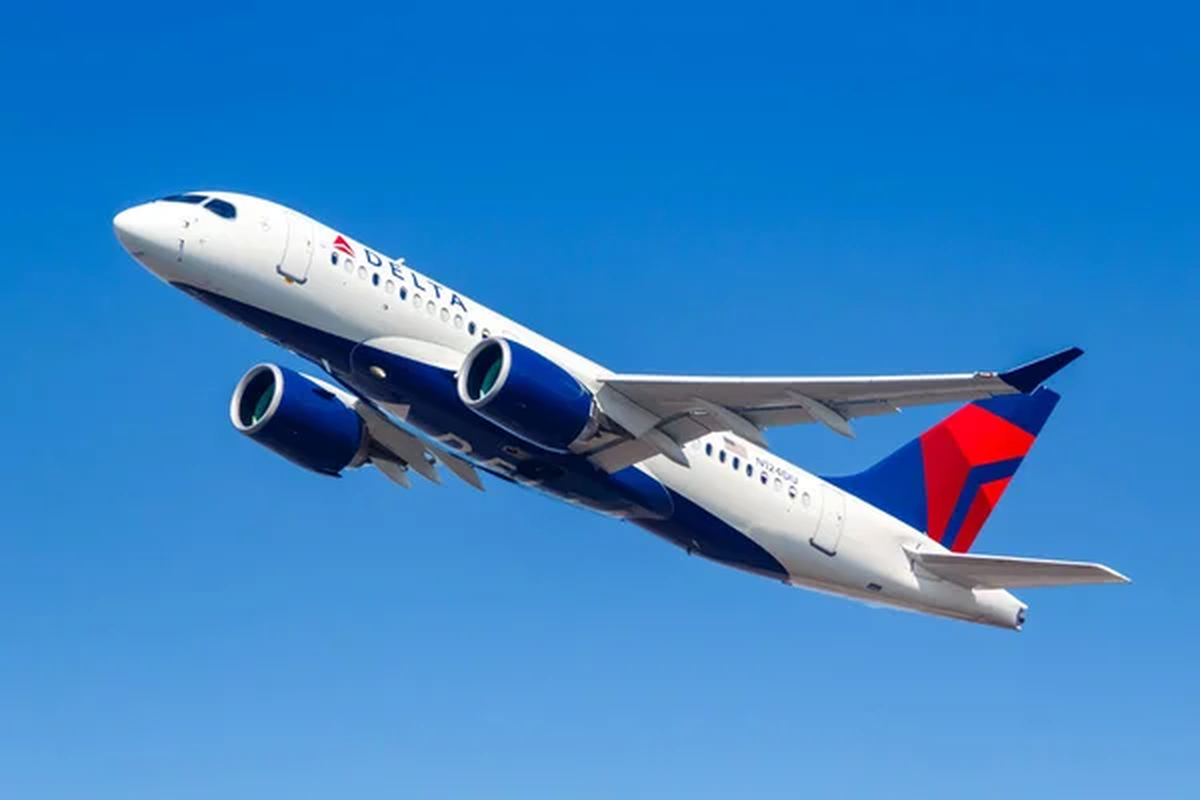
Delta Airlines : des résultats solides au 2e trimestre 2026, Depositphotos.com Photo by Boarding2Now

Costa Rica


Delta Air Lines s’appuie sur une demande soutenue pour absorber des coûts de carburant historiques. Au cours du trimestre clos en juin 2026, la compagnie a enregistré un chiffre d’affaires opérationnel GAAP de 19,8 milliards de dollars (17,7 milliards de dollars en non-GAAP). Cette performance opérationnelle permet à l’entreprise de générer un rendement à deux chiffres sur le capital investi et de poursuivre la réduction de sa dette.

Ed Bastian, directeur général de Delta, commente ces résultats : « We generated $1.4 billion of pretax earnings while absorbing the highest quarterly fuel costs in our history. This performance reflects the strength of demand, the growing preference for our brand, and the dynamics of our diversified revenue base. »

Pour l’ensemble de l’exercice 2026, la direction confirme ses prévisions initiales, ciblant une croissance des bénéfices de 20 % sur l’année. Les objectifs annuels prévoient un bénéfice par action (EPS) ajusté situé entre 6,50 $ et 7,50 $, ainsi qu’un flux de trésorerie disponible compris entre 3 et 4 milliards de dollars.


Robust Financial Metrics and Positive Outlook for the September Quarter

The results for the April–June 2026 quarter underscore the company’s profitability. On a GAAP basis, operating income stood at $1.9 billion (margin 9.4%) and earnings per share reached $2.44. On a non-GAAP basis, operating income was $1.6 billion (margin 8.8%) with an adjusted earnings per share of $1.56. Operating cash flow was $1.6 billion on a GAAP basis (1.7 billion on a non-GAAP basis).

For the quarter from July to September 2026, the carrier expects revenue to rise by about 15% (“mid-teens”) versus the prior year, accompanied by a double-digit operating margin.

This favorable trend should support the company’s debt-reduction plan and the planned revaluation of dividends paid to shareholders in the fall.
Finnair Reports Record Q2 2026 Results, Capacity Trimmed


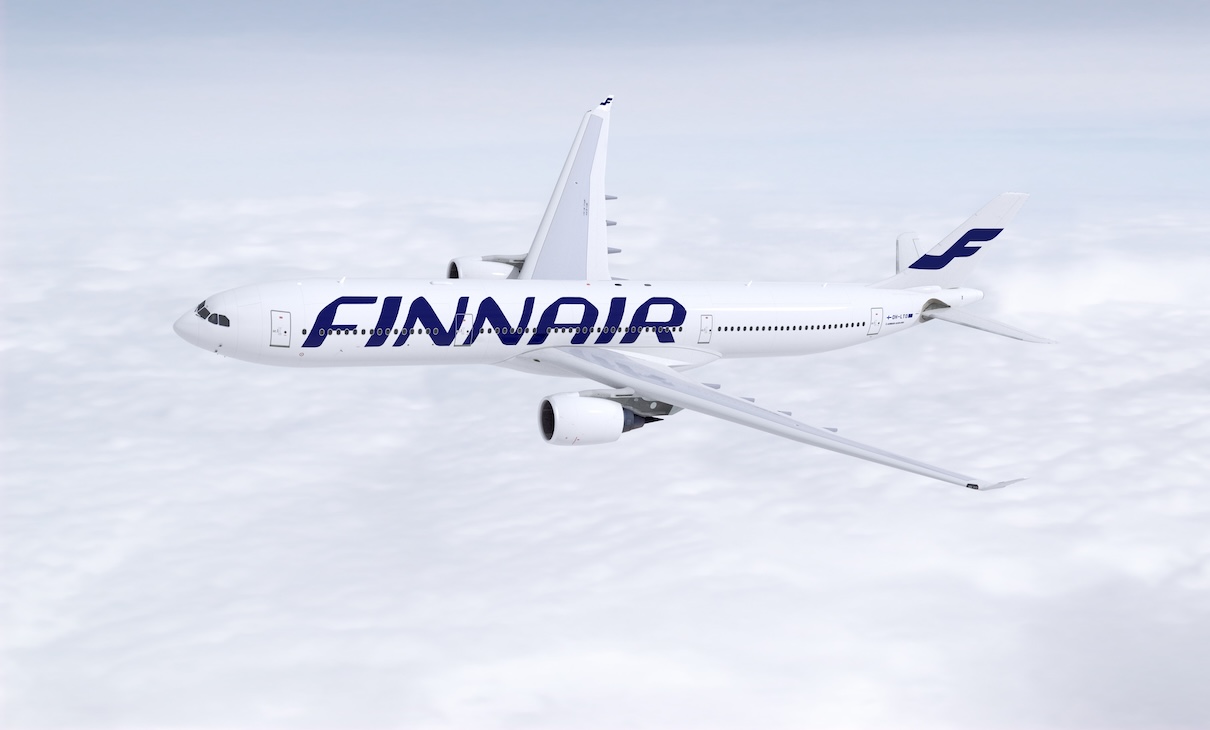
Finnair revoit à la baisse sa croissance de capacité pour 2026 - Photo : Finnair

Costa Rica


Finnair shows a clear improvement in its performance in the first half of 2026, driven by strong demand and rising traffic.

The Finnish airline has, however, revised downward its annual capacity forecast, notably due to the cancellation of flights to the Middle East.

The second quarter of 2026 proved particularly favorable for Finnair. Between April and June, the group’s revenue rose by 16.4%, to €916.7 million, vs €787.7 million a year earlier.

The comparable operating profit reached €78.4 million, versus €10.3 million in the second quarter of 2025.

Finnair notes that the comparison period had been penalized by social movements, which had a direct negative impact of around €29 million on this indicator.

The operating result stands at €86.6 million, compared with €19.2 million a year earlier. Earnings per share reach €0.28, versus €0.06 in Q2 2025.


6.1 million passengers carried in the first half

The growth in traffic accompanies this improvement in results. Over the three months from April to June, Finnair carried 3.3 million passengers, up 7.6%.

The load factor rose by 3.4 points to 79.9%. Capacity, measured in available seat-kilometers (ASK), grew by 2%, to 10.4 billion kilometers.

For the first half of the year as a whole, Finnair’s revenue reached €1.69 billion, up 14.4%. The comparable operating profit stood at €77.8 million, versus a loss of €52.3 million in the first half of 2025. Operating profit meanwhile rose from €-34.2 million to €90.2 million.

Finnair carried 6.1 million passengers between January and June, up 7.4% from the same period last year. The load factor reached 79%, up by 3.8 percentage points.

The airline benefits notably from robust demand, especially in Asian traffic, as well as a rise in ancillary revenues and cargo activities. According to its CEO, Turkka Kuusisto, temporary capacity adjustments on the market have also allowed Finnair to benefit from higher unit revenues.


Annual capacity revised downward

Despite these results, Finnair has adjusted its outlook for 2026. The airline now expects an increase of about 1% in total capacity, measured in ASK, versus a growth of 3% anticipated in April.

This revision is explained in particular by the cancellation of flights to the Middle East. The number of passengers carried on Finnair’s own network should nonetheless rise by around 7% for the full year.

The company also maintains its forecast for comparable operating profit, now expected to be between €120-190 million. Its revenue guidance is, however, raised to €3.4-3.5 billion, up from €3.3-3.4 billion previously.


Geopolitical tensions weigh on the outlook

Finnair nonetheless highlights the uncertainties surrounding the second half of the year. International conflicts, political instability and the risk of renewed trade tensions could affect the operating environment.

The situation in the Middle East is notably a risk factor for fuel availability and price. Costs linked to environmental regulations continue to weigh on the group’s profitability.

Finnair says it has hedged 82% of its fuel purchases in the second quarter. The hedging rate reaches 81% for the third quarter, a strategy aimed at limiting the impact of volatility in oil prices.


The company gears up for renewal of its medium-haul fleet

On the commercial and operational front, Finnair continues to roll out its strategy. The carrier plans notably to resume routes to Turku and Tampere, to strengthen links between these two Finnish regional hubs and its international network.

The carrier is also preparing for the arrival of new Embraer E195-E2 aircraft and has signed letters of intent to lease six Airbus A320ceo. This renewal of the mid-haul fleet is intended to accompany the network’s development and strengthen the airline’s competitiveness.

Finnair also notes the improvement in customer satisfaction, with a Net Promoter Score held at 42, as well as the improvement of its employee engagement indicator.