
Air France: Israel Imposes Its Rules on Flight Crew


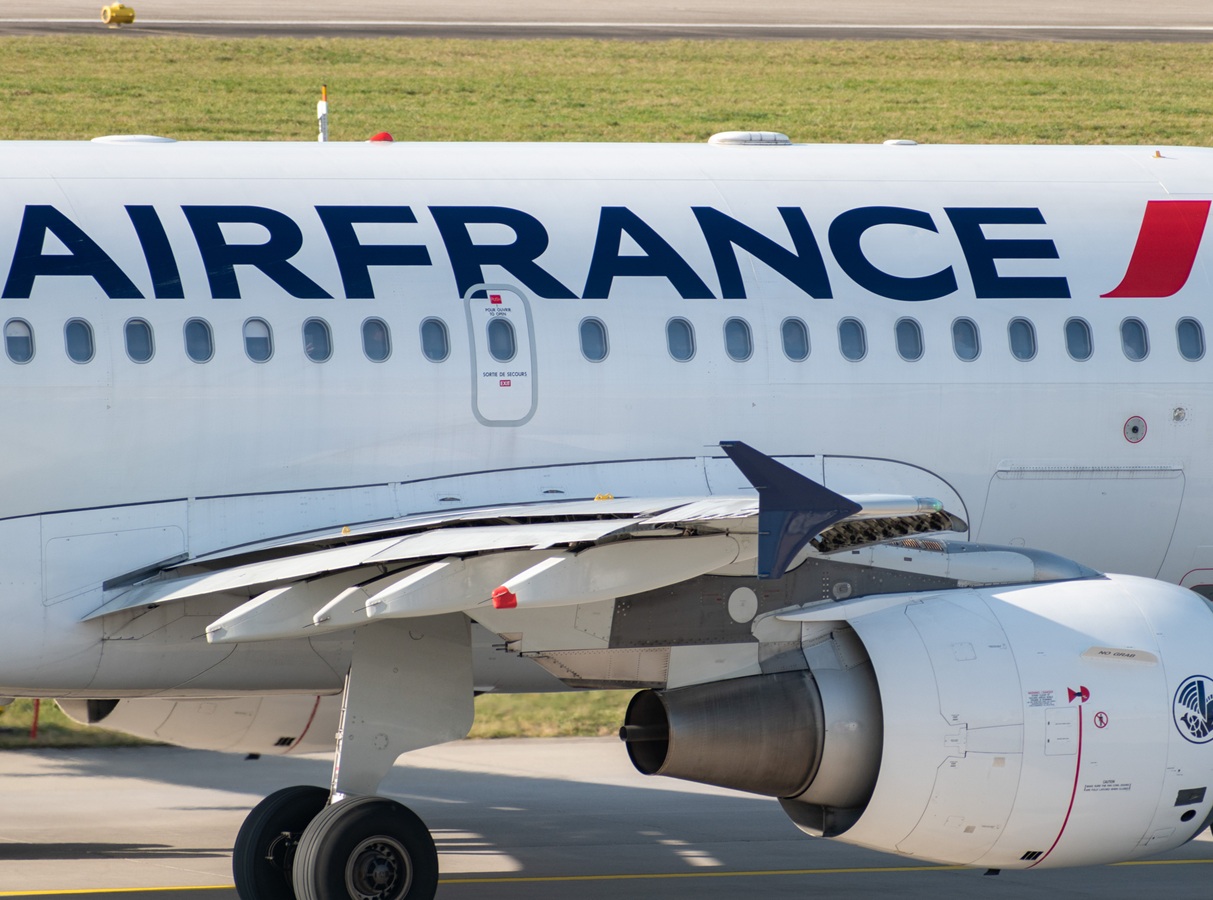
Air France : la CGT demande la suspension de la ligne Paris-CDG–Tel-Aviv - Depositphotos

PONANT


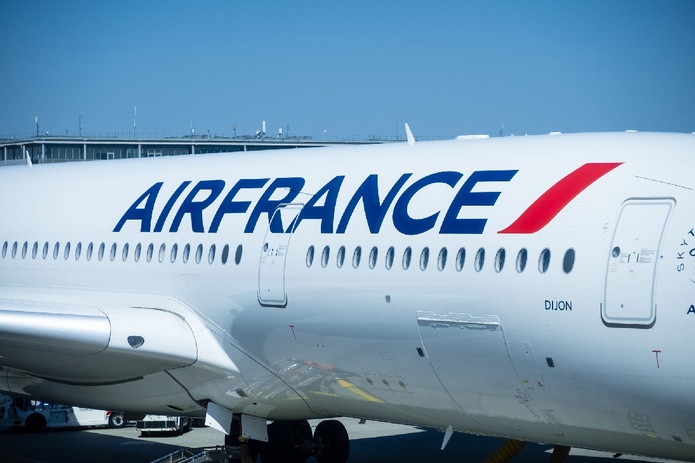
The information was revealed by Mediapart and has sparked controversy within Air France.

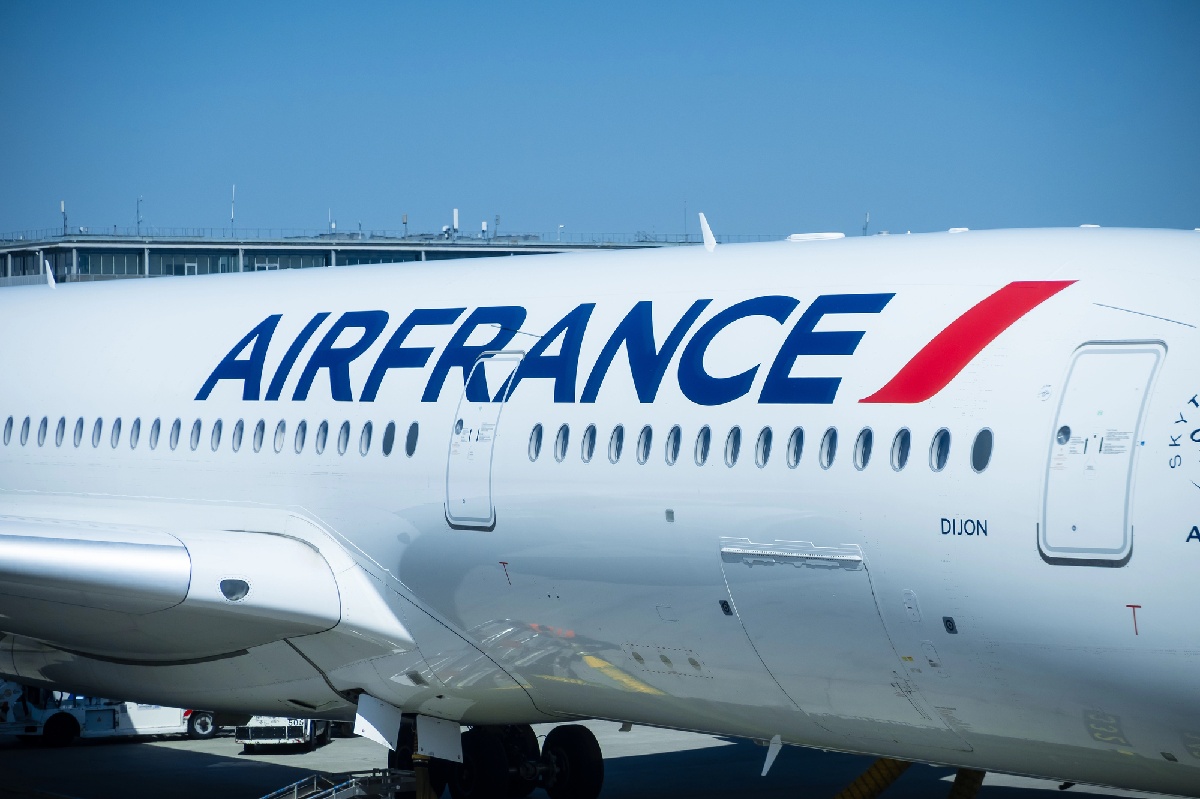
According to the media outlet, the national carrier would have circulated an internal note stating that “the Hebrew state bans crew members of certain nationalities from flying over its airspace“. In the article, we learn that Air France would apply this directive.

And this has provoked the anger of the CGT Air France.

The union alerted the airline’s executive leadership and asserts that “our crews are not sorted according to their nationality“.

Published on October 8 and effective immediately, the text provides that foreign carriers must verify the nationality of crew members for every flight bound for Israel, but also for those overflying Israeli airspace.

As reported by All Israel News, the ministerial directive states that “all crew members must have up-to-date background checks and security clearances, in full compliance with the standards and procedures required under the applicable national regulations.

The airline is solely responsible for ensuring that no crew member holds the citizenship or dual nationality of a country that does not maintain official diplomatic relations with the State of Israel.

For Air France, and this should also be the case for Transavia, but also for all French carriers serving the Hebrew state, this concerns only the Paris-Tel Aviv route.


Air France: the CGT calls for suspension of the Paris-CDG–Tel Aviv route

This decision was taken following the foiled attack attempt on a flydubai flight, where the co-pilot allegedly planned a suicide attack against Tel Aviv’s airport.

The union recalls that employees fall under French law.

“Article L. 1132-1 of the Labour Code prohibits discriminatory measures in terms of assignment, working conditions or career progression based on origin or membership, real or presumed, to a nation.

The articles 225-1 and following of the Penal Code also govern the suppression of certain forms of discrimination,” explains the press release.

In addition, CGT reveals that belonging or not to a nationality is protected by Air France’s Diversity & Inclusion booklet – Fighting racism at work.

The employee representatives now await the management’s response and want the latter to respect its commitments. They reaffirm that Air France’s management must ensure that employees will not be sidelined or penalized because of their nationality.

“If the Paris-CDG–Tel Aviv route cannot be operated without excluding some employees on the basis of their nationality, it is the operation of this route that must be challenged, and not the rights of the personnel concerned“, concludes the press release.


Air France extends the suspension of Dubai and Riyadh

In the same vein, Air France announces extending the suspension of its flights to and from Riyadh until October 31, 2026, owing notably to the war between Saudi Arabia and the Houthis.

The Riyadh airport has been closed for the third consecutive day following attacks by the Yemen-based Houthi forces, backed by Iran. An unidentified object struck Terminal 4 of the facility last Saturday, killing 13 and injuring 300. A French woman is among the wounded.

Furthermore, Dammam airport was also targeted.

Moreover, the routes to and from Dubai are suspended until the same date.
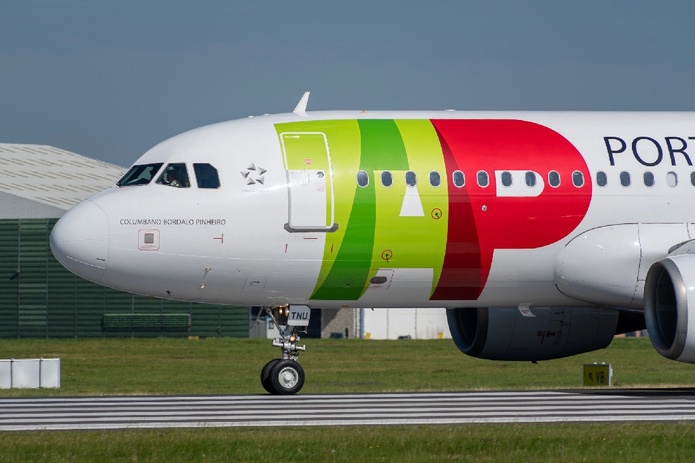
TAP Air Portugal Partial Sale: Lufthansa Wins Bid Against Air France–KLM


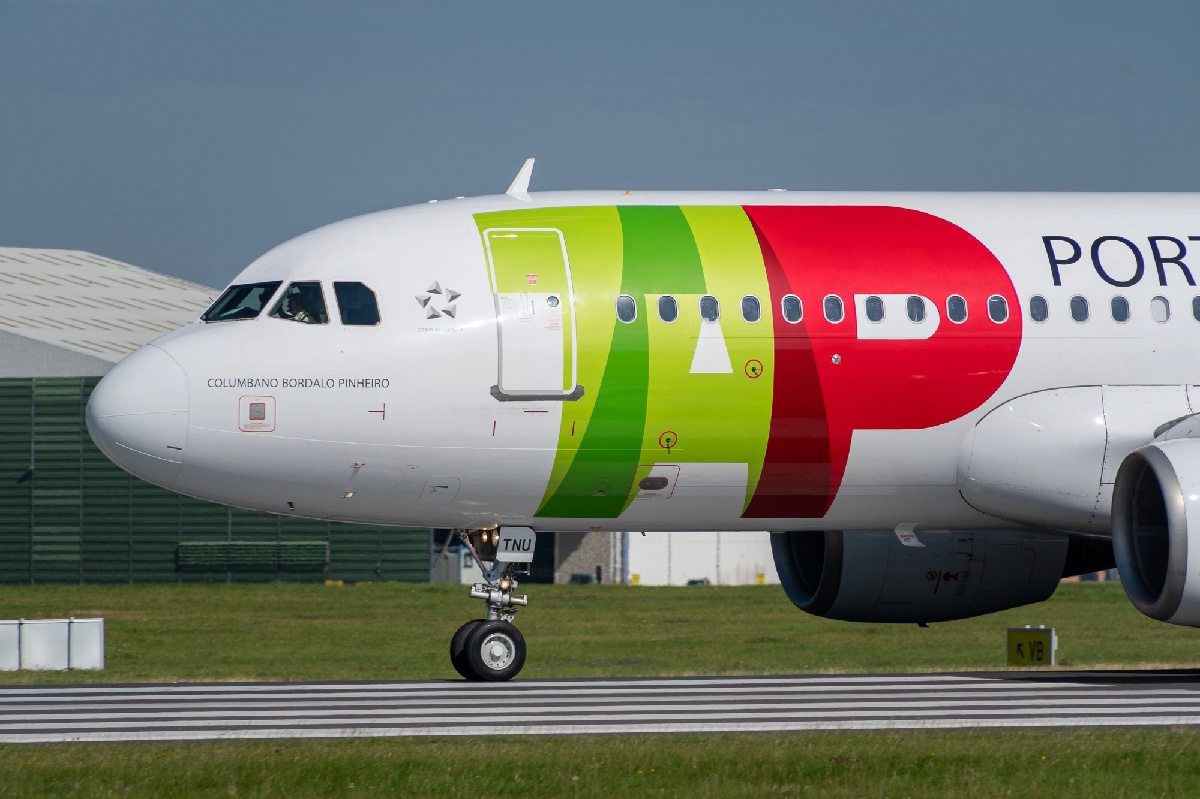
Vente partielle TAP Air Portugal : Lufthansa remporte la mise face à Air France - KLM - Depositphotos.com  Auteur russell102

PONANT


Air France – KLM or Lufthansa?

The outcome was determined today for the minority stake in TAP Air Portugal. The government ultimately turned to the German group Lufthansa.

This entity was chosen to acquire 44.9% of the capital of the Portuguese national carrier, sidelining the Air France – KLM offer.

The Portuguese government is expected to receive 1.2 billion euros thanks to the sale of a stake in TAP Air Portugal, with a total valuation estimated at 2.55 billion euros.


The Portuguese state retains 50.1% of the capital

« After reviewing the proposals, the government chose Lufthansa’s bid, whose financial offer is 16% higher than the rival bid and carries a lower degree of uncertainty », said the prime minister at the end of the cabinet meeting on Wednesday, as cited by the Portuguese press.

The Portuguese state holds 50.1% of the capital, the remaining 5% will be reserved for employees.

TAP Air Portugal carried 16.7 million passengers in 2025.


The reaction of Ben Smith, CEO of Air France-KLM

Following the Portuguese government’s decision to keep Lufthansa in the partial privatization of TAP Air Portugal, Ben Smith, CEO of Air France-KLM, took care to commend the work of the group’s teams and to express his regrets.

« I would like to congratulate our teams for the remarkable work they have accomplished over the past months and years. I know this is not the outcome we hoped for collectively», he stated.

Air France-KLM had presented an offer that its leader described as a « strong and comprehensive », respectful « of TAP’s brand and heritage », with ambitions for the future development of the Portuguese carrier.

Despite this decision, Ben Smith asserts that « this does not change our strategy ». The group plans in particular to pursue its SAS – Scandinavian Airlines integration project, « subject to regulatory approvals ».

The executive finally extended his best wishes to the TAP Air Portugal teams: « We would have loved to welcome you into our family, but we will gladly welcome you aboard our airlines as friendly competitors. » He closed his message with these words in Portuguese: « Obrigado e votos de muito sucesso ! »

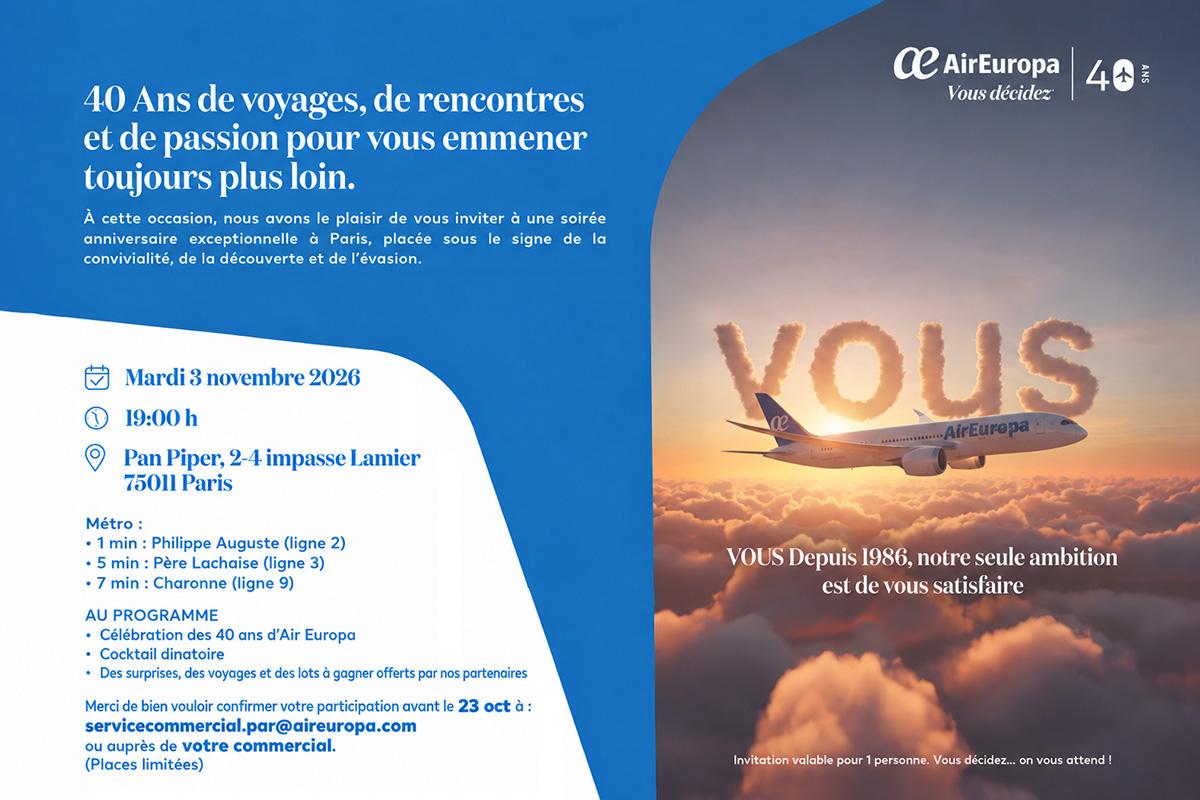
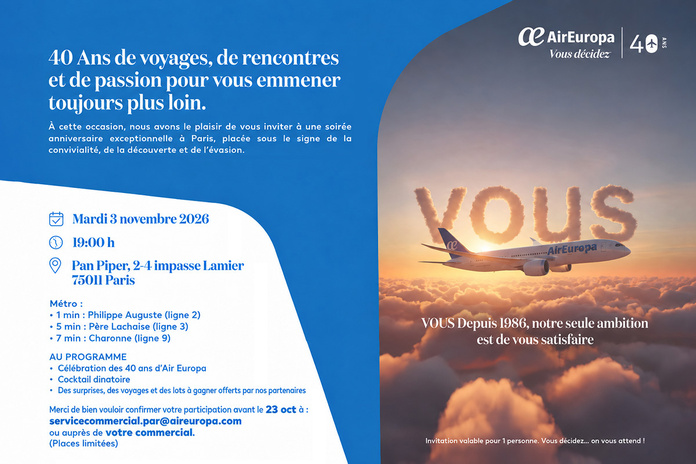
Air Europa 40th Anniversary: Still Smooth Sailing in the Skies


© Air Europa

PONANT


At 40, you know the path, but you still love the twists and turns. We’ve grown in maturity without losing the thrill of adventure. And above all, we always gaze toward the horizon with stars in our eyes.

So, here’s to the next forty years! With the same passion, the same desire to carry you further… and always that little extra soul that makes for captivating journeys.

Air Europa, 40 years of youth to share. And this is only the takeoff!

Next stops: Barranquilla and San Salvador.


BARRANQUILLA

Air Europa’s third destination in Colombia, the city of Shakira, nestled between the Caribbean, culture, and Colombian energy… where Caribbean rhythms set the tempo!

From December 18, three weekly flights.


SAN SALVADOR

The capital of El Salvador, Air Europa’s third country served in Central America, set between volcanoes, Pacific beaches and traditions of a destination still relatively unknown!

From December 18, three weekly flights.


JOHANNESBURG

…Not forgetting Johannesburg, served since last June, the new gateway from Air Europa to Southern Africa, with three weekly flights.


Air Europa: Group management becomes faster with GSO

Air Europa makes life easier for tourism professionals thanks to GSO (Group Sales Optimizer), its new group quotation tool. In a few clicks, agencies can obtain an immediate online price proposal, saving a considerable amount of time in handling their requests.

Accessible to both IATA and non-IATA agencies, GSO combines autonomy, speed and simplicity while maintaining personalized support.

To assist professionals, Air Europa relies on a dedicated team based in Paris:

• Anaïs and Laura for technical and operational support,

• Maria José Aguas for commercial guidance and the development of group sales.

With GSO, Air Europa confirms its commitment to offering agencies a near, high-performance, responsive, and market-tailored group service.

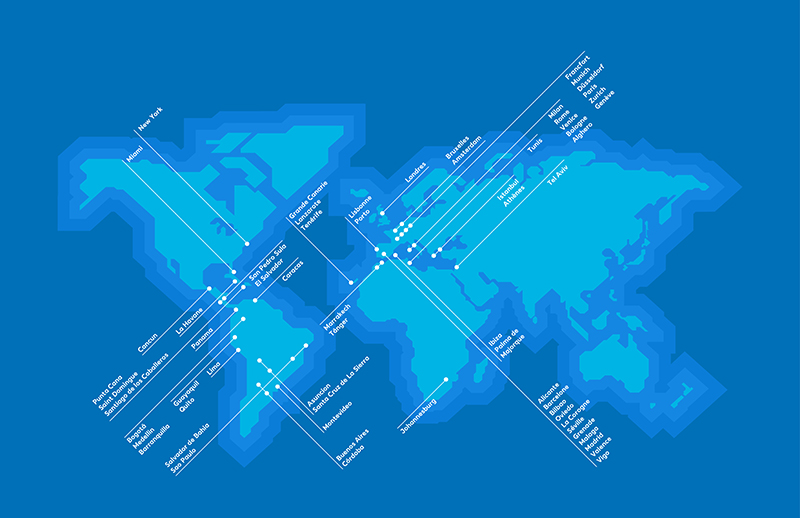
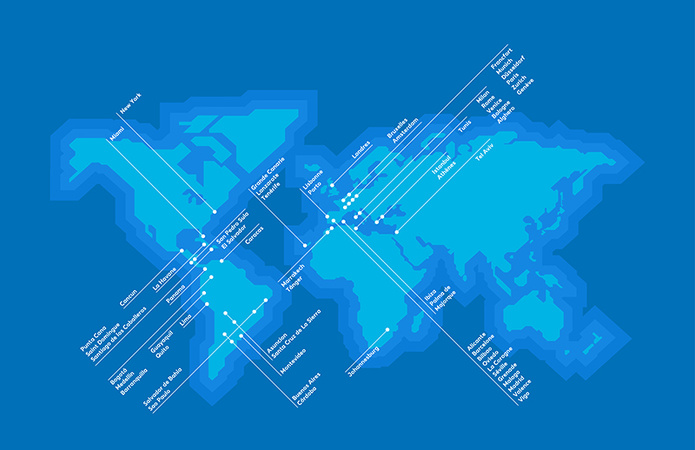
Air Europa offers more than twenty-two destinations to Latin America, the Caribbean, Miami/New York, and Johannesburg.


© Air Europa


ABOUT AIR EUROPA…


PRACTICAL INFO…

● Thanks to the extension of the Line 14 metro, which enables easy connections between major Paris stations and Orly Airport, Air Europa brings you even closer to Latin America and the Caribbean.

● Connections for transatlantic flights are made in the same airport area.

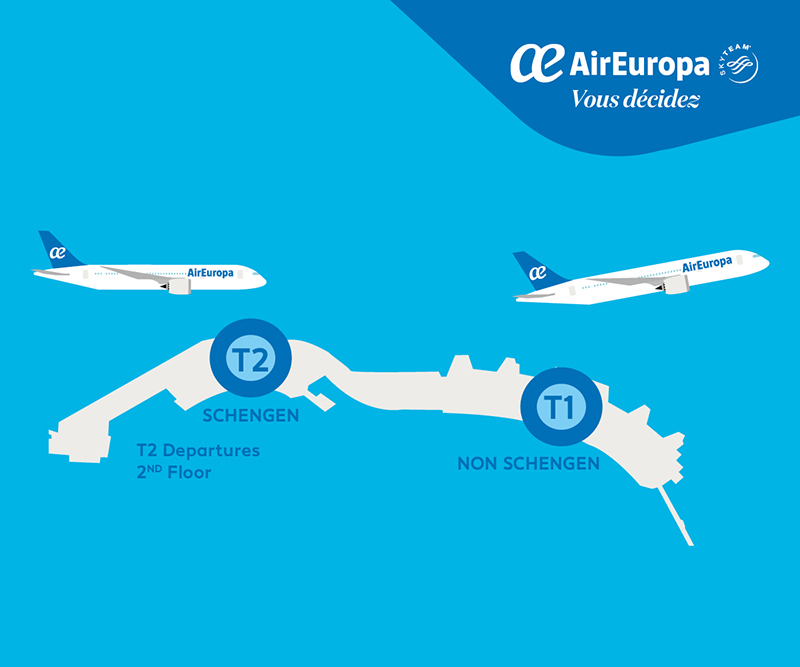
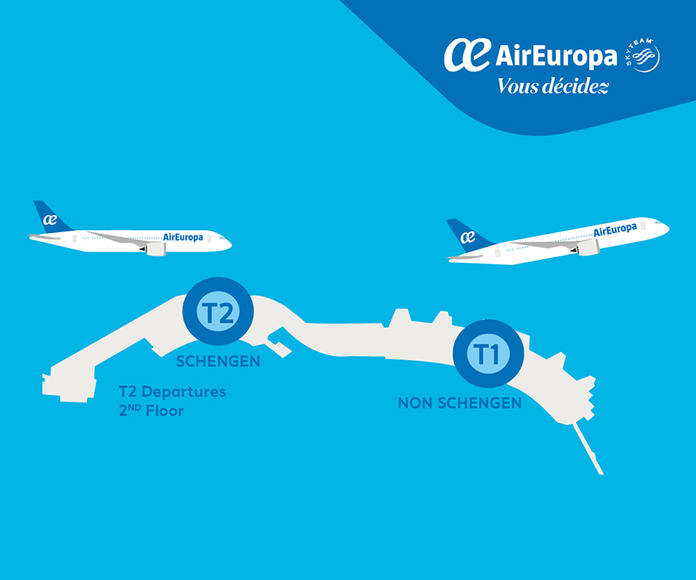
Terminal 2 – European flights & Terminal 1 – transatlantic flights.


© Air Europa


“40 years old, the age when you already have wonderful stories to tell… and still a whole sky to invent!”
Our teams remain at your disposal, happy selling!


Contact Air Europa


Air Europa : 40 ans… et toujours pas une ride dans les nuages !
Helpdesk :

+33 (0) 142650800

Reservations Email :

Email: [email protected]

Commercial Department :

Email : [email protected]

Group Service :

Email : [email protected]

Reservations :

58-A Rue du Dessous des Berges

Reservations opening hours

9:00/17:00

Website :

www.aireuropa.com


Air France and Air Côte d’Ivoire Sign Codeshare Agreement


Air France et Air Côte d’Ivoire signent un accord de partage de codes - Depositphotos.com Auteur snehitdesign

PONANT


On the occasion of the meeting of the Association of Francophone Airlines (ATAF), taking place in Ajaccio, Air France and Air Côte d’Ivoire announce the signing of a reciprocal codeshare agreement on the Paris-Charles de Gaulle – Abidjan-Félix Houphouët-Boigny route.

From October 25, 2026, Air France will affix its code on the flights operated by Air Côte d’Ivoire between Paris-Charles de Gaulle and Abidjan. Air Côte d’Ivoire will market the flights operated by Air France on the same route under its own code.

Air France has been a shareholder and strategic partner of Air Côte d’Ivoire since its creation in 2012.

“This codeshare agreement marks a new milestone in our cooperation. By aligning our offerings on the Paris–Abidjan route, we provide our French, Ivorian, and international customers with more choices and greater flexibility, while contributing to the strengthening of economic and cultural ties between France and Côte d’Ivoire“, said Anne Rigail, Chief Executive Officer of Air France.


Alignment of Air France and Air Côte d’Ivoire Loyalty Programs

« The implementation of this codeshare on the Abidjan–Paris route with Air France marks the first step in a collaboration that will be expanded to other destinations within the Air France network before the end of the first half of 2027. Rolling out all stages of this agreement will allow us to broaden the offering between Abidjan and Paris and beyond; but most importantly, it will enable us from the outset to benefit from distribution across Air France’s global network to and from Côte d’Ivoire », said Laurent Loukou, Chief Executive Officer of Air Côte d’Ivoire.

As a continuation of this agreement, Air France and Air Côte d’Ivoire have also brought their respective loyalty programs, Flying Blue and sMiles, closer together. This rollout is planned for late 2026.

Members of the sMiles program will thus be able to accumulate miles on the Abidjan–Paris flights operated by Air France and, in due course, redeem them across the entire Air France network. Members of the Flying Blue loyalty program will likewise be able to accrue and redeem their miles on flights operated by Air Côte d’Ivoire between Paris and Abidjan.

French Caribbean: Air Travel, Accommodations, Markets — Keys to Preserving Its Attractiveness [ABO]


Préservées des principales tensions géopolitiques, les Antilles ont tiré leur épingle du jeu en 2026. @depositphotos/s4visuals

PONANT


The French Antilles continued to perform well in 2026. In Martinique, arrivals rose 4% in 2025, with more than a million visitors. By the end of July 2026, the Martinique Tourism Committee (CMT) already reported “a little over 700,000 visitors”, with a stay length up by around 1.8%, according to its president Alexandre Ventadour.

Also read: Martinique: Alexandre Ventadour targets 1.3 million tourists in five years

In Guadeloupe, the latest consolidated figures show more than 750,000 staying tourists in 2025, up 4%. Including cruise passengers, attendance reached 1.2 million visitors, with economic benefits of 800 million euros according to the Guadeloupe Islands Tourism Committee (CTIG).

For tour operators, the outlook is also fairly positive, even if performances vary strongly from one destination to another.


The French Caribbean Remains Very Present with Tour Operators

For Exotismes, the French Caribbean continues to be the flagship destinations in the operator’s lineup. Guadeloupe accounts for 18% of the tour operator’s revenue and Martinique 15%. The Dominican Republic stands at 16%, while Réunion also weighs in at 15%.

« The Caribbean returns very strongly for us in bookings », notes Nelson De Almeida, France sales manager at Exotismes. He attributes this rebound in part to the French character of the destination. « It’s France; that reassures travelers », he adds.

The TO notes especially strong demand for villas. More than fifty addresses are offered between Martinique and Guadeloupe. An offering that satisfies individual travelers, but which the tour operator also aims to promote to agencies.

Exotismes is simultaneously working on budget management, with more all-inclusive packages and the launch of its Serenity Guarantee. This policy allows, in particular, to lock in prices and, depending on the offer’s terms, to cancel without fees up to 15 days before departure.

“The idea is to be able to offer French clients budget control right from the booking”, explains Nelson De Almeida.

The operator has also expanded its portfolio with immersive circuits in Martinique and Guadeloupe, organized around a single accommodation and accompanied by a local driver-guide.

Read also: Exotismes bets on all-inclusive and flexibility!


A Caribbean with More Varied Performance

The momentum should not be generalized to the entire Caribbean. At Turquoise, Éric Thomas observes very different situations depending on the destination.

“The Jamaica suffered a major cyclone that completely stopped sales,” he explains.

The Dominican Republic, on the other hand, is gradually improving. “Thanks to the return of Air France flights, we’re seeing a bit more sales again,” he continues. “For three years there were no Air France flights, so contracting became complicated.”


For the specialist, this situation directly illustrates the weight of air transport in the commercial performance of Caribbean destinations.

The return of air capacity therefore helps the market regain momentum, including for resorts. “Even though our DNA leans toward boutique hotels, Dominican Republic resorts still represent a sizeable share of our sales,” notes Éric Thomas.


Air Travel, Always the Nerve Center of the Game

This dependence on air travel also lies at the heart of the strategy for the French Antilles. In Martinique, Alexandre Ventadour does not hide it: “The backbone of the game is really air travel.” The CMT thus works with airlines and the Martinique Aimé-Césaire Airport to consolidate existing routes and develop new ones.

France remains the primary market for Martinique, accounting for about 70% of visitors. Canada is now the third-largest market, with around 10% of tourists, driven by connections to Montréal, Toronto, and Québec.

Guadeloupe follows a similar diversification path. In 2026, CTIG expanded its openness to Canada with Air Canada and Air Transat, while benefiting from stronger operations of Air France flights from Paris-Charles de Gaulle.

The destination also seeks to leverage its connection with Miami to capture more American visitors. Traffic from the United States is up 8% year over year according to CTIG, while Canada shows a 25% increase.

Europe is another channel. CTIG reports a 32% rise in travelers from Europe, with a notable 66% jump in bookings originating from Northern Europe for the period April 2026–March 2027.


A Move Upmarket That Also Comes via Lodging


Getting Guests to Spend More Rather Than Welcoming Them at Any Price

The volume issue now goes hand in hand with the issue of value. In Martinique, Alexandre Ventadour directly asks: “Once the tourist is with us, how can we make them spend?”

The CMT aims to develop crafts, culture, events, and tourism activities to multiply on-site spending opportunities.

A similar approach in Guadeloupe, where CTIG seeks to increase the economic impact generated by visitors by promoting spending on local activities and services.

Cruising fits into this value-seeking strategy. In Guadeloupe, CTIG advocates a controlled growth strategy rather than a race for the number of port calls. The 2026-2027 season maintains operations with Costa, MSC and Ambassador, while the luxury and ultra-luxury segment strengthens with Explora III, Four Seasons Yachts, and Orient Express.

In Martinique, Ventadour notes that cruising generated €20 million in economic impact in 2025. He also emphasizes its role in shaping air rotations, with Martinique serving as a home port for certain ships.

For 2027, the Antilles thus have several levers: bolster air capacities, conquer new markets, broaden the hotel offering, and multiply experiences.


Caroline Lelievre Published by Caroline Lelievre Journalist – TourMaG.com

See all articles by Caroline Lelievre

  • picto Twitter
  • picto Linkedin
  • picto email
Add TourMaG to your Google News feed Google Actualités icône

Korean Air: The Asiana Merger Will Change the Game [ABO]


Fusion Korean Air-Asiana Airlines : épilogue en décembre 2026 - Photo Korean

PONANT


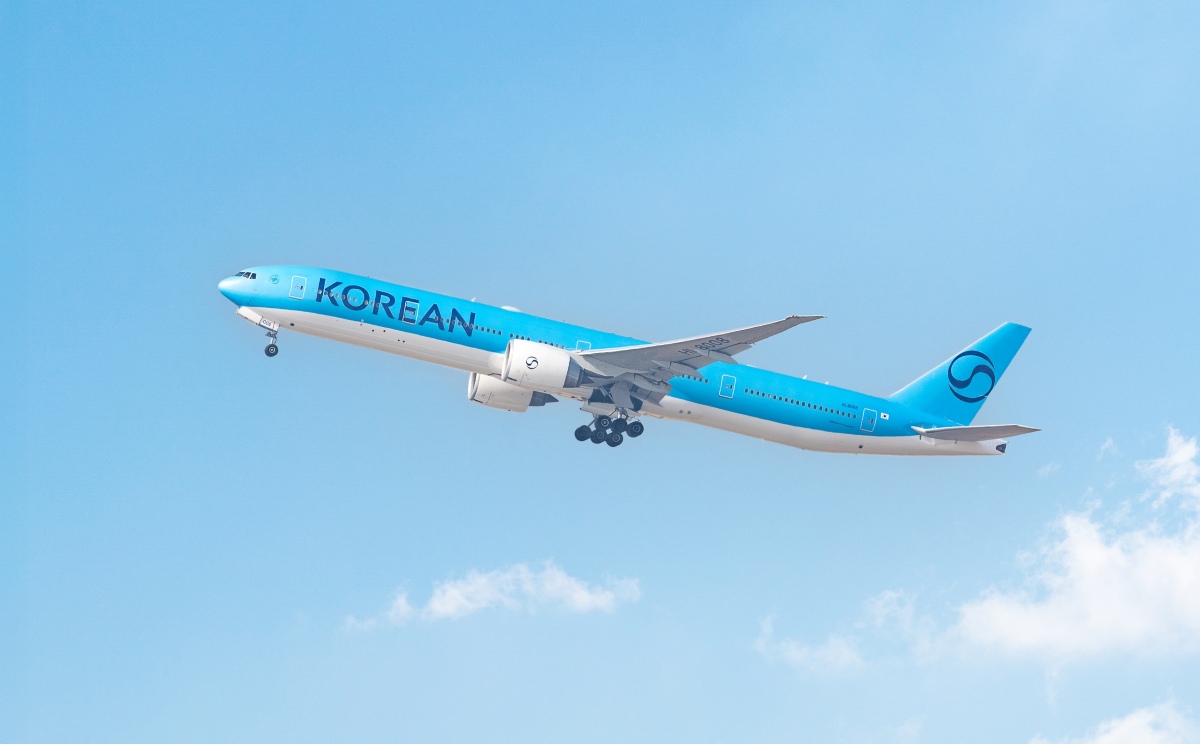
The year ends on a high note for Korean Air, which recently earned third place in Condé Nast Traveler’s 2026 Readers’ Choice Awards, in the category International Airlines and also in the category International Airport Lounges.

A steady rise, after ranking seventh in 2024 and again in 2025.

Walter Cho, Chairman and CEO of Korean Air and the Hanjin Group, was also named Airline Leader of the Year 2026 in Asia at the CAPA Airline Leader Summit Asia 2026, which took place from October 1 to 2 at New Chitose Airport in Sapporo, Japan.

The jury praised Walter Cho’s strategic management during the pandemic and highlighted his role in overseeing the integration of Korean Air and Asiana Airlines, a complex consolidation ahead of the planned launch of the unified airline on December 17.
This indeed marks a major chapter in the Korean carrier’s history: absorbing its rival Asiana to become a leading South Korean player on the global aviation stage.

After a lengthy process slowed by Covid, Korean Air’s board approved in August the merger agreement with Asiana. To learn more about the strategy to be developed after the merger, we spoke with Hyunjun Shim, the France CEO of Korean Air, with Ludovic Froidure, the head of sales for Western Europe, by his side.


More Aircraft and Flights Departing from Paris

TourMaG – Asia is experiencing a major wave of consolidation in the aviation industry to take on the giants of the United States, the Gulf, and Europe as well. Is the aim of this merger with Asiana to become stronger?

Hyunjun Shim : Yes. As you know, we will finalize this merger on December 17 of this year. The airline industry suffered from Covid, and that is when the decision to merge the two carriers was taken.

This merger, in line with European rules, required us to release slots, but in the long run we aim to strengthen our network. We will operate 11 flights per week from Paris and 2 daily flights from London.

From Frankfurt, we will operate once a day as well as from Barcelona, Rome and Milan.

TourMaG – Before this merger the two companies were in quite different shape. Asiana was in the red while Korean was profitable. How do you explain that?

Hyunjun Shim : In fact, Korean Air was founded in 1969 and Asiana in 1988, I believe. When Asiana was created, they adopted our model, because the needs of Korean passengers are the same. The difference is that Korean had the ability to invest in upgrading to become truly a premium airline, and that ability to invest was missing at Asiana. That made a difference.

TourMaG – Before this merger there was the announcement of a very large order of airplanes with Boeing, the biggest ever made in Korea. What will be the size of the future fleet?

Hyunjun Shim : We had 166 aircraft, and after the merger we will have 240 for Korean Air, plus the 50 to 60 aircraft from Jin Air, the low-cost subsidiary.

After the merger, we will have only two brands: Korean Air and a low-cost subsidiary, Jin Air, which will be consolidated in March 2027, bringing together Air Seoul and Air Busan.


Incheon: a Powerful and Highly Connected Hub Across Asia


de gauche à droite :  Hyunjun Shim et Ludovic Froidure. Photo : C.Hardin

TourMaG – Once this merger is completed, what will be your strategy? A powerful hub in Seoul and a move upmarket ?

Hyunjun Shim : Yes, indeed. You know that within our alliance (SkyTeam) there are two models, in a way. The Delta model, or the Air France–KLM model.

In Europe, Air France–KLM operates two hubs in Paris and Amsterdam. We will use a single hub, as Delta does. We will refocus it on Incheon. We will also continue to improve our onboard service. This month we announced that all of our onboard passengers will be able to enjoy the Starlink network for free.

We have also invested over 70 million euros to overhaul our seven lounges at Incheon Airport. In Japan as well, we will open our own lounge in Osaka.

Ludovic Froidure : Toward Japan, we will significantly increase the number of our flights, from 250 to 400 weekly flights, counting those of our low-cost subsidiary.

We will open new routes: Hiroshima and others to follow. As you know, we avoid Russia, which lengthens our Paris-bound flights. Consequently, we had lost some connections.

But now with two daily flights, we will regain many connections to Japan on the same day: Haneda, Narita, Osaka, Nagoya, Fukuoka, … a huge advantage for the French market.

Today from Paris we operate 6 flights that will become daily by adding Sundays and four other flights during the week on Mondays, Wednesdays, Fridays and Saturdays.

We are adding the Boeing 787 Dreamliner of 325 seats with all our new onboard products to offer French customers the best possible experience.

The codeshare with Air France will also become daily and offer more connecting flights at Paris-CDG, enabling better connections.

TourMaG – In the Skytrax ranking honoring the world’s best airlines, Asian carriers occupy many top spots. Korean is ranked 10th. Do you aim to become the best Asian airline again?

Hyunjun Shim : No! (smile) the best in the world.

You know last year marked Korean Air’s 57th anniversary, and our president announced this new vision, this idea of an airline that would be the most loved in the world.

So number 1, number 2, that’s not important to us; we want to be the most loved.

Ludovic Froidure : For the fifth consecutive year, Korean Air has earned five stars. The same is true for Asiana, and so all teams will be carefully oriented to deliver the best possible service.

After the merger, Korean Air will become the 10th airline in the world in terms of international passengers. We are grateful to Incheon Airport, which in 2024 doubled the size of Terminal 2, dedicated to Korean Air and SkyTeam, and which can now handle up to 106 million passengers per year. In terms of capacity, it is comparable to Istanbul.

From now on, Korean benefits from a fantastic hub with ideal connections.


Korean: Expanding Capabilities from France

TourMaG – Any other projects on the horizon? Particularly in France and Europe?

Hyunjun Shim : Traffic between Korea and Europe continues to grow, reaching nearly 1.4 million passengers between January and July 2026, i.e. +3% compared to the same period in 2025.

The route to France ranks first in passenger numbers with 150,000 passengers during that same period. That is why we want to develop demand and capacity from France, but as you know, bilateral agreements are required.

We are thinking, and perhaps it is possible to imagine other cooperation models as we did with Delta in the United States.

Ludovic Froidure : Regarding Europe, Korean Air operates more than 100 weekly flights from South Korea and serves 12 countries and 14 airports. For French customers, there is of course CDG, but also our 12 Europe–CDG code shares with Air France.

For the French in the South, we fly from Barcelona seven times a week and in the north there are Frankfurt and Amsterdam.

Hyunjun Shim : Just after the merger, we want to add frequencies to offer daily flights to European destinations such as Budapest or Prague. Then we are already thinking about opening new European routes.


Air Tahiti Receives Its First ATR Aircraft With Business Class


Air Tahiti reçoit un premier ATR classe affaires - Photo ATR

CroisiEurope


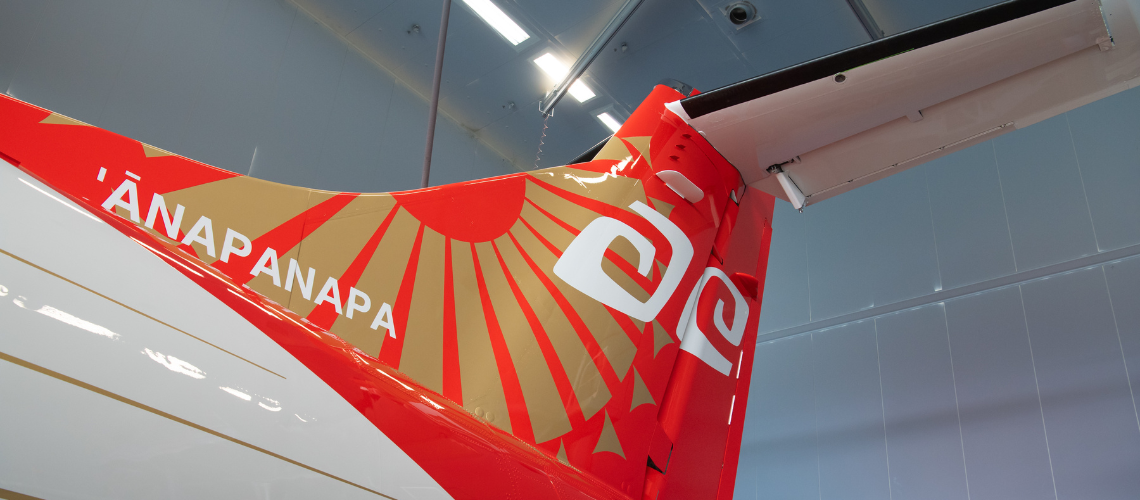
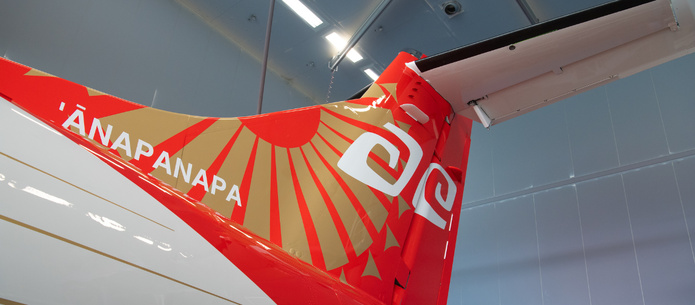
Air Tahiti announces the arrival in Tahiti of its first aircraft fully configured in Business Class, named ĀNAPANAPA, and marketed under the name Air Tahiti Signature.

After six days of ferry flight from Toulouse-Francazal, this new ATR 72-600 touched down at Tahiti-Faa’a airport on Monday, October 19, 2026 at 14:00 local time in Papeete.

“ Its arrival marks the start of a new chapter for the airline, which aims to offer a more exclusive, personalized inter-island travel experience that is ever more attentive to passenger comfort, ” states the company in a press release.

Departing Toulouse-Francazal on October 13, the newly configured ATR 72-600 in Business Class crossed three continents and made seven technical stops: in Cairo, Muscat, Hyderabad, Subang, Lombok, Cairns and Nadi, before joining Tahiti-Faa’a airport on October 19 at 14:00 local time.


The first commercial flights of Air Tahiti Signature are scheduled to begin on December 8, 2026

From November 10 to December 7, 2026, Air Tahiti Signature will enter a soft opening phase, dedicated exclusively to tourism professionals. During this period, travel agencies and tour operators will be invited to discover and test this new product.

The first commercial flights of Air Tahiti Signature are planned to begin on December 8, 2026, on the Bora Bora and Raiatea-Taha’a routes.

Air Tahiti Signature offers an end-to-end experience, with a priority ground process, access to dedicated lounges and a shuttle to the aircraft.

On board the ATR 72-600, the cabin configured 1-1 provides an individual seat for each passenger, with direct access to the aisle. Personalized services, refreshments and multimedia contents complete the service, extended on arrival by dedicated assistance and careful handling of luggage.


New York Targets the French Market and Expands Its Air Services


New York mise sur le marché français et renforce son offre aérienne - Depositphotos.com Auteur petrkurgan

CroisiEurope


New York broadens its accessibility from France.

According to New York City Tourism + Conventions, the city welcomed 725,000 French visitors in 2025, making France its fourth international market, behind the United Kingdom, Canada and Italy.

For 2026, the tourism body foresees 65.4 million visitors, including 738,000 French nationals, representing a 1.7% year-on-year increase.

To meet this demand, airlines are strengthening their schedules between France and the two main New York airports, John F. Kennedy (JFK) and Newark Liberty (EWR).


Paris – New York: 5,000 additional seats

For winter 2026-2027, French bee plans up to seven weekly flights between Paris-Orly and Newark, i.e. 5,000 additional seats compared to the previous winter.

In the summer period, seven carriers currently offer up to 22 direct daily flights between Paris and New York, equating to around 5,000 seats per day departing from Paris, according to estimates from New York City Tourism + Conventions.

From Paris-Charles-de-Gaulle, Air France and Delta Air Lines operate services to JFK, while Air France and United Airlines also run connections to Newark. American Airlines and JetBlue complete the JFK offerings.

From Paris-Orly, French bee provides up to ten weekly flights to Newark in peak season.

La Compagnie also serves Newark from Orly, with a daily flight operated exclusively in business class.


Nice and Marseille: new direct flights to New York

Beyond Paris, the southern part of France is also benefiting from the growth of direct links to New York.

Nice already has seasonal routes operated by Delta Air Lines to JFK and United Airlines to Newark. The airline extends its Newark service through winter 2026-2027, with two weekly flights.

On May 7, 2027, American Airlines plans to launch a daily service between Nice and JFK. The route will be operated with an Airbus A321XLR featuring 155 seats. With this opening, four airlines will offer a direct connection from Nice to New York.

Marseille-Provence should also join the transatlantic network. United Airlines will inaugurate, on June 5, 2027, a daily nonstop service between Marseille and Newark.


JFK continues its modernization

The growth of air links goes hand in hand with investments in New York’s airport infrastructure. JFK’s New Terminal One is entering a modernization program valued at nearly $19 billion, supported by the Port Authority of New York and New Jersey.

The first phase of the terminal is expected in the first quarter of 2027.

Air France plans to relocate all of its flights there. The airline is also set to open a lounge exceeding 2,700 m², which will become the largest in its international network. The lounge is planned to be spread over two levels, with more than 400 seats and dining spaces highlighting French gastronomy.

Why Air Travel Could Be More Dangerous

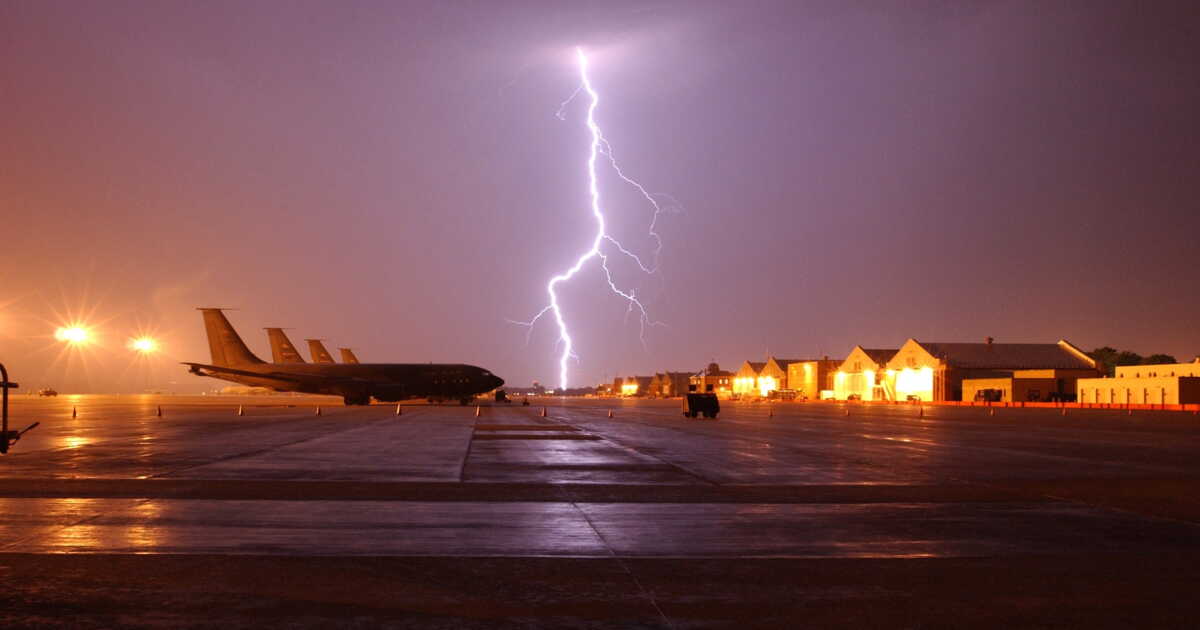
Is air travel still safe—or almost safe—to fly? On May 21, 2024, a Singapore Airlines flight from London to Singapore was battered by violent turbulence, resulting in one death and 79 serious injuries. This incident reminded everyone that a journey that had been peaceful can quickly turn into a catastrophe. With climate change, atmospheric phenomena capable of triggering these jolts could become more intense and frequent. Among them, a particular type of turbulence worries experts because it can surprise aircraft midflight, with no visible sign and undetectable by standard meteorological radars.

Powerful storms amplified by climate change

Turbulence already stands as the leading cause of injuries to passengers and crew in non-fatal aviation accidents, according to the International Air Transport Association (IATA). While some turbulence is linked to terrain, notably over the Andes and the Himalayas, others occur near thunderstorms. And climate change could make these storms more violent.

On May 21, 2024, Singapore Airlines flight SQ321 traversed a zone of strong turbulence above Myanmar, as storms were developing in the region. In a matter of seconds, unbuckled passengers were thrust against the cabin ceiling before falling back to the floor. The episode, which lasted a little over 21 seconds, resulted in one death and 79 serious injuries.

These jolts are mainly explained by vertical air movements inside cumulonimbus clouds, the thunderstorm clouds that can reach heights beyond 10,500 meters. The updrafts and downdrafts there are particularly strong. According to Richard Woodward, a former test pilot for the Royal Australian Air Force and a Qantas captain for 32 years, quoted by the Guardian, “there will be an increase in the intensity of thunderstorms and storms in general as the planet warms, because the energy feeding these phenomena will become considerably greater.”

The mechanism is well understood by scientists. “For every degree of warming, the atmosphere can hold about 7% more water vapor,” explains to the English press Todd Lane, a professor of atmospheric sciences at the University of Melbourne. Or, this humidity fuels storms, and the violence of storms is closely linked to the intensity of the turbulence they produce.

The consequences are already visible in some regions. In Australia, the Brisbane–Sydney corridor regularly ranks among the most turbulent routes in the country. In May 2024, a Qantas Boeing 737 encountered strong jolts near Brisbane after entering a thunderstorm at roughly 3,475 meters. Three crew members were injured.

Clear-air turbulence, a risk hard to anticipate

Storms are not the only source of concern. Clear-air turbulence (CAT), which often occurs at high altitudes, particularly near jet streams, poses an additional challenge for aviation. Unlike disturbances tied to thunderstorm clouds, CAT can occur in a sky that is completely clear and is not detectable in advance by standard onboard weather radars.

They are principally triggered by wind shear, i.e., rapid changes in wind speed or direction over short distances. Global warming could sharpen certain temperature contrasts between equatorial and polar regions, thereby altering jet-stream dynamics and promoting these turbulences.

A study conducted by researchers at Reading University in the United Kingdom, using atmospheric data collected from 1979 to 2020, showed a clear increase in these phenomena. Over that period, severe clear-air turbulence rose by 55%, versus 37% for moderate turbulence and 17% for light turbulence.

The projections are equally worrisome. Even in a scenario where global warming is limited to 1.5°C above pre-industrial levels, severe clear-air turbulence could rise by 27%. With a 2.75°C increase, this rise would reach 56%.

Nevertheless, experts do not view these changes as inevitable. Weather forecasts, real-time data relayed by other instruments, and evolving detection systems should enable airlines to anticipate risk zones more effectively. Since 2018, IATA has been collecting observations from thousands of aircraft to improve forecasts through artificial intelligence tools.

For passengers, one essential precaution remains: keep your seat belt fastened whenever you are seated, even when the seat belt sign is off. Airplanes are designed to withstand forces far greater than those encountered during normal flight. The immediate danger mainly concerns people who are hurled about the cabin during sudden jolts.

Dominican Republic Improves Air Connectivity to Europe


Un avion d'Air France à l'aéroport de Punta Cana.La compagnie fait son grand retour en République Dominicaine à partir du 30 novembre prochain. Credit : Depositphotos. Packshot

CroisiEurope


It wasn’t the country of honor this year, but it once again did honor to the IFTM fair with an impressive stand, a tangible sign of a substantial investment to win over an even wider audience of European travel professionals.

The Dominican Republic went all out. A multi-level stand, if you please, paired with the traditional gala dinner for tourism players in one of Paris’s most beautiful hotels.

It is David Collado, the Minister of Tourism himself, who, during this dinner, and as in previous years, hosted the evening with vibrant energy and the power of blue sea imagery and sunsets projected on a large screen and set to music.

The minister has finely honed his narrative of the country’s story, a tale somewhat romanticized, of this small nation that believed in its resources and gradually built a success, a solid tourism industry.

The images roll by, in pastel, faded tones of the first propeller-driven twin engine at Punta Cana airport, as well as a few small hotels, up to the large carriers arriving from around the world to let travelers enjoy the colorful landscapes and the most modern hotel infrastructures.

For several years, David Collado has ridden this flamboyant dynamic, this success of which he is one of the architects, turning him into a popular figure in his country and beyond.

The idea that, buoyed by this popularity, he could run in the next presidential elections in 2028 is increasingly taking shape.

When, in the course of a sentence in his speech during the dinner, he seemed to say that it was one of his final “performances,” some in the audience saw the beginning of a new adventure for this 50-year-old politician.


Dominican Republic: Air France Returns, ITA Arrives

For now, the minister and the Dominican tourism officials are campaigning to further strengthen the country’s positioning on the European market.

France, which remains among the top 10 source countries of visitors, plays a strategic role. In 2025, the Dominican Republic welcomed 132,747 foreign tourists residing in France.

In 2026, the market shows positive growth: from January to August, the country recorded 112,056 tourists from France, a rise of 14.3% compared with the same period in 2025, representing 14,039 additional visitors.

One of the main axes of the Dominican Republic’s participation in IFTM is the presentation of major innovations in air connectivity, which ease European travelers’ access to the country’s various destinations.

Air Caraïbes continues to strengthen its commitment by serving three Dominican airports: Punta Cana, Santo Domingo, and Samaná.

Added to this offering is Air France, which will reinforce the direct link between Paris-Charles de Gaulle and Punta Cana starting November 30, 2026, at a rate of three flights per week.

Air France’s return, confirmed last year at this same IFTM fair, is crucial for the country and resulted from intense negotiations between the French carrier, the Dominican government, and a private Dominican business conglomerate “ Grupo Puntacana S.A ”, represented by its CEO Frank Elias Rainieri.

Significant concessions on fuel prices were reportedly offered to enable this return, allowing an effective reconnection of the island with Northern European markets.

To the south, Italy will also reconnect, enabling another significant step forward in the diversification strategy and strengthening the destination’s connectivity with Europe.

ITA Airways will launch on November 30, 2026 its new direct Rome-Fiumicino–Santo Domingo route, marking the arrival of the Italian carrier in the Caribbean.

The service will begin with a weekly flight, then increase to two flights per week from mid-December. These connections represent a meaningful advance in the strategy to diversify and strengthen the destination’s connectivity with Europe.

“We are also well connected in Spain to Madrid thanks to Iberia and Air Europa as well as in Germany to Frankfurt with Condor,” explained Jennifer Elias Franjul, Director of International Marketing at the Ministry of Tourism, who was at the fair.


Unblocking and Decentralizing Tourism


A Santiago de los Caballeros : la danse, le centre culturel León et les montagnes avoisinantes - Photo : C.Hardin

Beyond solid air connections, another challenge for “La Isla Bonita” is to diversify its tourism offerings and decentralize them.

Punta Cana, at the eastern tip of the Dominican Republic, initially powered the destination’s success and has become one of the world’s most powerful beach hubs, with its stunning beaches and large resorts.

“The goal now is to value other parts of the island and other forms of tourism,” explains Jennifer Elias Franjul.

By establishing a presence in Santo Domingo and on the northern coast in Samaná, Air Caraïbes promotes a tourism focused on culture, gastronomy, and nature, with unique experiences such as whale watching in Samaná Bay.

Air Europa, which launched in 2024 service from Madrid to Santiago de los Caballeros, the country’s second city, renowned for its cultural identity, local life, and, among other things, the remarkable León Cultural Center, the largest in the Dominican Republic.

From this charming city, one can then access the slopes of the island’s northern range of mountains with lush greenery, agricultural lands offering numerous ecotourism opportunities and outdoor activities, and on the sea side, magnificent beaches with colorful and authentic seaside towns.


Roads, Airports: Major Works

To facilitate travel and land connectivity, the government has launched a massive program to develop road networks.

Unblocking, for example, the Southwest to open up the long-isolated region is one of the national goals. Thus, at the island’s opposite end, the beautiful Cabo Rojo region is getting a port that, in time, could accommodate 1 million cruise passengers per year. Roads are being improved and by 2027 a brand-new airport is expected to rise in Oviedo, located 15 minutes from the port.

Another diversification project that Jennifer Elias Franjul presented: to valorize the Miches region on the eastern coast, north of Punta Cana, and close to the airport, facing Samaná Bay.

A zone with enormous natural potential, beaches, mountains, and lagoons. A strategic region that will undoubtedly benefit from the arrival of the Air France flight in November and where Dominican authorities are investing heavily.

In December, they invited the tourism journalists association to discover Miches.


Christophe Hardin Published by Christophe Hardin Journalist AirMaG – TourMaG.com
See all articles by Christophe Hardin

  • picto Twitter
  • picto Linkedin
  • picto email
Add TourMaG to your Google News feed Google Actualités icône