

TourMaG.com – How is the employment market in tourism performing today?
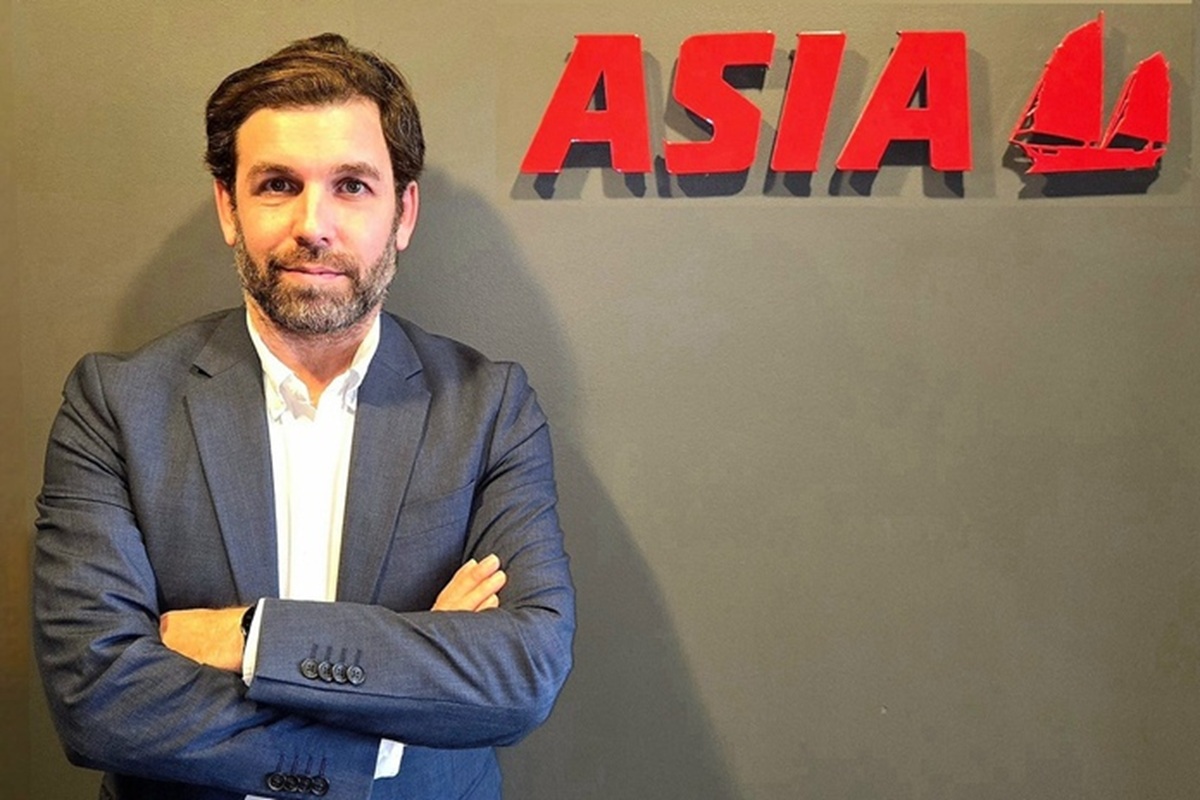
Julien Beaufreton : The situation has clearly improved since the end of Covid. Hiring hasn’t become easy, but there are more candidates available. The market is more fluid than it was during the two years that followed the health crisis.
TourMaG.com – How do you explain this evolution?
Julien Beaufreton : It should be noted that there was a significant wage inflation between 2019 and the end of the Covid period, largely linked to the rise in the minimum wage.
In 2018-2019, the gross monthly minimum wage was around 1,500 euros. It is now around 1,820 euros. Employers have integrated this inflation into mid- to long-term planning, which has notably manifested as upward adjustments to the minimum wage scales within the sector.
Furthermore, the post-Covid recruitment difficulties were also explained by the fact that many people were still in long-term unemployment, with no immediate pressure to return to work.
Julien Beaufreton : The situation has clearly improved since the end of Covid. Hiring hasn’t become easy, but there are more candidates available. The market is more fluid than it was during the two years that followed the health crisis.
TourMaG.com – How do you explain this evolution?
Julien Beaufreton : It should be noted that there was a significant wage inflation between 2019 and the end of the Covid period, largely linked to the rise in the minimum wage.
In 2018-2019, the gross monthly minimum wage was around 1,500 euros. It is now around 1,820 euros. Employers have integrated this inflation into mid- to long-term planning, which has notably manifested as upward adjustments to the minimum wage scales within the sector.
Furthermore, the post-Covid recruitment difficulties were also explained by the fact that many people were still in long-term unemployment, with no immediate pressure to return to work.
Still more progress to be made on gender equality
TourMaG.com – À votre arrivée à la tête de la CPPNI, vous aviez identifié trois priorités : l’ajustement des salaires minimums, l’égalité femmes-hommes et l’attractivité des métiers du tourisme. Où en êtes-vous aujourd’hui ?
Julien Beaufreton : On gender equality, we are still in a phase of reflection at the branch level. The main difficulty lies in accessing consolidated data. Companies have their own indicators, but aggregating them at the branch level is challenging.
We know, nonetheless, that tourism is a highly feminized sector, with about 75 % women. The challenge is therefore to promote their access to leadership positions, because imbalances persist, even if they are difficult to quantify precisely.
The question of pay equality also remains a priority area.
TourMaG.com – And regarding the attractiveness of tourism jobs ?
Julien Beaufreton : We participate in the Tourism Careers Week, but this scheme mainly concerns inbound tourism: hotels, amusement parks, outdoor hospitality.
In tour-operating and travel agencies, i.e., outbound tourism, recruitment difficulties are generally less pronounced.
Julien Beaufreton : On gender equality, we are still in a phase of reflection at the branch level. The main difficulty lies in accessing consolidated data. Companies have their own indicators, but aggregating them at the branch level is challenging.
We know, nonetheless, that tourism is a highly feminized sector, with about 75 % women. The challenge is therefore to promote their access to leadership positions, because imbalances persist, even if they are difficult to quantify precisely.
The question of pay equality also remains a priority area.
TourMaG.com – And regarding the attractiveness of tourism jobs ?
Julien Beaufreton : We participate in the Tourism Careers Week, but this scheme mainly concerns inbound tourism: hotels, amusement parks, outdoor hospitality.
In tour-operating and travel agencies, i.e., outbound tourism, recruitment difficulties are generally less pronounced.
Reopening of the Annual Mandatory Negotiations (NAO)
TourMaG.com – Quels seront vos principaux dossiers pour 2026 ?
Julien Beaufreton : We are opening the 2026 NAOs, which mainly focus on branch-level compensation: the hierarchical minimum wages, but also ancillary elements such as the seniority bonus, teleworking, or other peripheral benefits.
The NAOs occur every two years in our branch. We are currently in the first phase, that of listening to representative employee organizations. The goal is to move forward quickly and maintain constructive social dialogue.
TourMaG.com – What assessment do you make of your first year at the head of the commission?
Julien Beaufreton : The exchanges have been generally calm and constructive. In 2025, we held six CPPNI meetings, with a co-construction approach: shared diagnosis, listening to stakeholders, and seeking common solutions.
We have specifically worked on aligning the national collective agreement with regulations, on the implementation and monitoring of the new health and provident mutual, as well as on a branch-wide agreement relating to caregivers.
This agreement aims to support employees who care for a sick relative or someone nearing the end of life. It is particularly relevant in a branch with many seniors and a majority of women, who are statistically more likely to be affected by these situations. We hope for a signature in the first half of 2026.
TourMaG.com – Is the rejuvenation of employees and entrepreneurs also a challenge for the branch?
Julien Beaufreton : Yes, clearly. Many workers will retire in the next five to ten years, raising questions about the transmission of skills.
These challenges are, however, very company-specific. Large organizations can implement tutoring or bridging programs, which is much more complex for small agencies.
At the branch level, it is therefore difficult to set frameworks that apply to all company sizes.
See also : Young, female and on a permanent contract: the typical profile of tourism employees (Infographic)
Julien Beaufreton : We are opening the 2026 NAOs, which mainly focus on branch-level compensation: the hierarchical minimum wages, but also ancillary elements such as the seniority bonus, teleworking, or other peripheral benefits.
The NAOs occur every two years in our branch. We are currently in the first phase, that of listening to representative employee organizations. The goal is to move forward quickly and maintain constructive social dialogue.
TourMaG.com – What assessment do you make of your first year at the head of the commission?
Julien Beaufreton : The exchanges have been generally calm and constructive. In 2025, we held six CPPNI meetings, with a co-construction approach: shared diagnosis, listening to stakeholders, and seeking common solutions.
We have specifically worked on aligning the national collective agreement with regulations, on the implementation and monitoring of the new health and provident mutual, as well as on a branch-wide agreement relating to caregivers.
This agreement aims to support employees who care for a sick relative or someone nearing the end of life. It is particularly relevant in a branch with many seniors and a majority of women, who are statistically more likely to be affected by these situations. We hope for a signature in the first half of 2026.
TourMaG.com – Is the rejuvenation of employees and entrepreneurs also a challenge for the branch?
Julien Beaufreton : Yes, clearly. Many workers will retire in the next five to ten years, raising questions about the transmission of skills.
These challenges are, however, very company-specific. Large organizations can implement tutoring or bridging programs, which is much more complex for small agencies.
At the branch level, it is therefore difficult to set frameworks that apply to all company sizes.
See also : Young, female and on a permanent contract: the typical profile of tourism employees (Infographic)
 Publié par Caroline Lelievre Journaliste – TourMaG.com
 Voir tous les articles de Caroline Lelievre


Ajoutez TourMaG à votre flux Google Actualités