Buenos Aires, the vibrant and cultural capital of Argentina, is a true crossroads of stories, cultures, and flavors. With its dynamic blend of European and South American traditions, it draws millions of visitors each year who are eager to discover its many facets. But what to do in Buenos Aires to maximize your stay? Whether you are a tango enthusiast, an art lover, or simply seeking new experiences, Buenos Aires has something to offer for everyone.
1. Discover La Boca and the Caminito
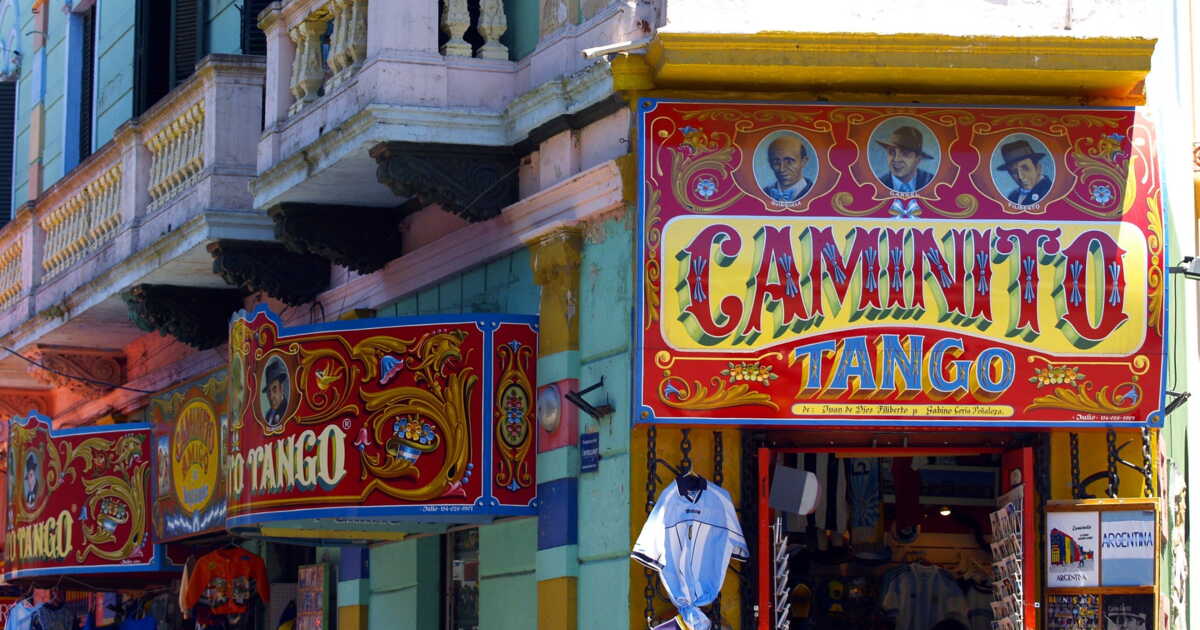
Discovering La Boca and the Caminito means exploring a cultural anchoring site at the heart of the city of Buenos Aires. This place, once a port district and former railway yard, is today renowned for its iconic street, the Caminito, which has become an open-air gallery. Mural paintings, spontaneous tangos, and artist studios enliven this street-scene, deeply marked by the heritage of Italian immigrants. Between walls of colorful corrugated iron and memories of Diego Maradona, the residents of Buenos Aires keep a living memory alive. It is a unique experience, often recommended during visits to Buenos Aires, ideally enjoyed in the afternoon before the neighborhood empties out. A detour that links popular culture to the deep roots of the country’s history.
2. Stroll through San Telmo
Strolling through San Telmo means soaking in a place where time seems to stand still. The historic district of the city of Buenos Aires, San Telmo is a central stop on a trip to Buenos Aires for those seeking a retro and warm atmosphere. On Sundays, Defensa Street becomes a lively stage, with flea markets, musicians, and tango dancers. This street-leaning place is perfect for discovering local crafts, antiques, or sharing a moment over a maté. You may also meet the grandmothers of the neighborhood, the locals set up on the sidewalks, and the echo of a country’s history still very present. A cultural stop that gives the early morning or afternoon a scent of authentic Argentina.
3. Explore Recoleta and its cemetery
Recoleta stands out for its elegance and heritage wealth, notably thanks to the Recoleta Cemetery, a true anchoring site in the history of the country. This place with notable funerary architecture houses the tombs of major political figures, including Eva Perón, and attracts both
4. Enjoy the green spaces of Palermo
Palermo, a vast district of the city of Buenos Aires, is often presented as one of the green lungs of the capital. Its spaces, such as the Carlos Thays Botanical Garden, provide a balance between nature and urban life. The Bosques de Palermo, with their lakes and trails, are ideal for a late afternoon stroll. You’ll encounter joggers, families, and Buenos Aires locals seeking tranquility. Further north, Palermo Hollywood draws crowds with its cinema studios, galleries, and trendy cafés. The Museum of Latin American Art of Buenos Aires (MALBA), located nearby, adds contemporary exhibitions to the mix. It’s a neighborhood to roam slowly, between leafy spaces and cultural buzz.
5. Explore the downtown core with Microcentro
Exploring the Microcentro means discovering the political and administrative heart of the city of Buenos Aires. This anchoring site brings together the Mayo Square, the Casa Rosada — the seat of the Gobierno de la Ciudad —, and the major avenues like 9 de Julio where the Obelisk stands. The Microcentro also houses iconic street locales, such as the pedestrian calle Florida, loved for its upmarket shops and lively activities. This zone, dense and vibrant from the early morning, is a must-see on a trip to Buenos Aires. It captures the institutional dynamism, the impact of figures like Eva Perón, and the legacy of large-scale movements in the country’s history.
6. Relax in Puerto Madero
In Puerto Madero, modernity and memory converse along the banks of the Río de la Plata. This rehabilitated district, once a port-yard site, is now a highly valued space for leisure. The renovated docks host contemporary restaurants where one can enjoy an Argentine barbecue or simply admire the Puente de la Mujer, an emblematic work of the area. In the afternoon, you may encounter both tourists strolling and locals, drawn by the calm and architectural quality. Puerto Madero illustrates Buenos Aires’ urban evolution, between its port heritage and bold design, and stands as a modern waypoint on a trip to Buenos Aires.
7. Attend a tango show
Attending a tango show in the city of Buenos Aires allows you to grasp the depth of a living art, a cultural emblem of the country. Whether staged in a majestic Teatro Colón or a intimate cabaret, tango offers a unique experience rooted in the country’s history. Performances attract both Buenos Aires locals and curious visitors from around the world. Tango, born in street venues, evolved into sophisticated stages while preserving its dramatic intensity. This moment, often offered in the evening, perfectly complements visits to Buenos Aires by delivering an emotional immersion where movement conveys what words cannot say.
8. Discover Buenos Aires street art
Street art in Buenos Aires holds a unique place in the city’s urban cultural life. It transforms the street scene into a space of expression, especially in the neighborhoods of Palermo Hollywood or La Boca, where walls tell the country’s history in another way. Murals feature famous faces like Diego Maradona, political or poetic motifs. Buenos Aires tours can include guided routes to explore this living visual heritage. For the visitor, it’s a unique experience that offers a different reading of the city, far from museums and classic circuits. A form of art that is accessible, engaged, and deeply rooted in local identity.
9. Savor the Argentine gastronomy
Tasting the Argentine gastronomy is an essential component of a trip to Buenos Aires. It’s impossible to miss the parrilla, that iconic grill served across the city. Whether at a dinner with friends or a quick bite at a market, the Argentine barbecue is a memorable moment, a celebration of flavor and conviviality. It is often paired with empanadas, local wines, or a dulce de leche dessert. For the curious, some upmarket shops offer artisanal products to take away. This culinary richness, carried by the people of Buenos Aires, reflects the identity of a welcoming metropolis, nourished by tradition and open to the world.
10. Explore the city markets
The markets of Buenos Aires are places of authenticity, ideal for meeting the locals. If San Telmo remains the reference, others such as the Dorrego Flea Market or the Abasto Market deserve attention. These street venues blend antique stalls, fresh produce, textiles, and everyday objects, often lively from the early morning. These markets reflect local eating habits, crafts, and the city’s energy. They also anchor the trip to Buenos Aires in the reality of urban life. Beyond shopping, these spaces are social anchoring places where you can observe evolving tastes, interactions, and the country’s history on a miniature scale.
11. Teatro Colón: audace architecturale et expérience théâtrale à Buenos Aires
The Teatro Colón, located in the heart of Buenos Aires, is an iconic venue for theater and opera lovers. It serves as an anchoring site in the artistic history of this South American metropolis, and for a trip to Buenos Aires it is a major stop. Inaugurated in 1908, it testifies to the urban and cultural rise of the Argentine capital. During a performance or a guided tour, one enters a universe of grand architectural scale, mixing marble, gilding, and remarkable acoustics. For art or heritage enthusiasts, it is a moment of exceptional significance — a Colón theatre that commands respect. Be sure to buy your ticket in advance, as crowds are strong among both passing tourists and Buenos Aires locals. This setting also allows history buffs to better understand the city’s evolution in the 19th century and its international ambitions.
12. Jardín Japonés: a tranquil haven in the porteño metropolis
The Jardín Japonés, located in the city of Buenos Aires, is a green lung and a welcome sanctuary during an urban tour. It provides a pleasant pause for nature lovers or a gentle afternoon away from the street’s bustle. In a context where Buenos Aires is dynamic, this botanical garden stands as an anchoring garden within the metropolis, illustrating how the city hosts subtle and well-kept green spaces. This place also allows visitors to see the international influence on Argentine urbanism and offers residents of Buenos Aires and visitors a moment of calm. In case of light rain, it is also a relevant alternative before visiting a nearby museum or cafe.
Buenos Aires is a city rich and varied, where every street corner hides a new story. Whether you have a day or a week, these activity ideas will let you discover the city’s best. Whether you’re drawn to dance, architecture, or gastronomy, there is always something new to discover. To go further, the surrounding areas of the city, such as the Tigre region, also hold surprises for curious visitors.
How long does it take to visit Buenos Aires?
When planning a trip to Buenos Aires, it helps to consider spending at least three to four days in this South American city to get a solid overview of its neighborhoods, architecture, and urban vibe. Local guides suggest three days to cover the major axes, but five days or more allow for a day trip or deeper exploration of secondary neighborhoods. This duration enables history buffs and culture lovers to combine museum visits, riverside strolls along the Rio de la Plata, and wandering in districts like Palermo Hollywood and Recoleta. For a more complete Buenos Aires itinerary, consider six or seven days if you also want to venture outside the city center.
Is Buenos Aires worth it?
The question of whether Buenos Aires is truly worth the trip deserves a nuanced answer: yes, the city deserves time. A cosmopolitan metropolis with rich contrasts, it blends the country’s history with modernity, European-inspired architecture with street markets. A travel guide notes, “you can’t come to Argentina without spending at least a few days in the capital”; it offers a unique experience for art, culture, and even football enthusiasts. A visit to Buenos Aires lets you explore strong anchoring sites like historic theaters, old libraries, flea markets, and upscale shops, while meeting the locals and observing their traditional lifestyle and attachment to the neighborhood. In short: for a cultural and urban journey in South America, it is a worthwhile investment.
What is the best time to go to Buenos Aires?
To get the most from a trip to Buenos Aires, it helps to choose a period that balances mild climate, urban activity, and a reasonable tourist crowd. Autumn (April–May) or spring (September–October) in the southern hemisphere are often recommended: pleasant temperatures, favorable light for photography… While the city can be visited year-round, some summer periods can be very hot or humid, and winter is somewhat quieter. By choosing a favorable season, the trip gains comfort – a key dimension for a visitor wanting to explore museums, stroll by the water, or join a walk through the historic neighborhoods.
Where to stay in Buenos Aires?
Choosing a place to stay in Buenos Aires is strategic to optimize the experience. To combine comfort, safety, and easy access to sights, the neighborhoods of Palermo, Recoleta, or San Telmo are frequently recommended. A local guide suggests staying in Palermo to be near restaurants, cafés, and upscale shops, while staying in a relatively quieter setting than the noisy center. A history- or architecture-loving traveler may prefer Recoleta to be near colonial heritage and museums. For fans of neighborhood life and flea markets, San Telmo offers a singular charm. It is useful to book flights early, choose a well-situated hotel or apartment, and avoid overly peripheral areas if time is limited.
What to do around Buenos Aires?
Exploring the surroundings of Buenos Aires significantly enriches an urban stay. Among possible day trips: a venture to the Tigre delta, a visit to an old estancias in the Argentine pampas, or a trip to a nearby lively town just outside the capital. In these moments, you leave the city center, rent a car or join an organized tour with local guides, and discover a slower rural pace, traditional life. This excursion allows you to step away from the usual tourist circuits and meet local communities, old plantations, or anchoring sites. It also offers a better understanding of the country’s history and the relationship between urban and rural life in this region.
What to do on Sundays in Buenos Aires?
Sundays in Buenos Aires offer a special atmosphere: streets retreat behind historic facades, locals enjoy a moment of relaxation, and flea markets come alive. A must-do activity is visiting the San Telmo Market on Defensa Street, combined with an Argentine barbecue or a break in a neighborhood cafe. These moments allow travelers who love authenticity to soak up local culture. Sunday is a great time to wander through less-visited neighborhoods, to discover the El Ateneo bookstore, or simply to stroll along the Río de la Plata. This particular day highlights urban life with a slower pace and more discoveries.
What to do in Buenos Aires when it rains?
When it rains in Buenos Aires, the city does not lose its appeal: indoor visits become attractive, particularly to cultural venues like art museums or historic houses, or a pause in a historic café. A practical alternative is visiting the National Museum of Fine Arts in Recoleta, or the Buenos Aires Latin American Art Museum (MALBA) in Palermo, which provide shelter and rich discoveries. Thus, even in the rain, you can explore the country’s history, admire key works, and observe urban life from a different angle. Buenos Aires remains functional despite rainy spells, and this kind of day can become an unforgettable cultural concentration rather than an obstacle.
This article was written with the help of artificial intelligence, then corrected, expanded, and validated by the editors of the desk.
