
What to Do in Belfast: 13 Ideas for Outings and Activities in Northern Ireland’s Capital

Nestled in the heart of the Northern Ireland, Belfast is a city that blends rich history with contemporary vitality. Known for its industrial roots and its central role during the Troubles, it now attracts visitors and locals alike with its emerging art scene, lively neighbourhoods, and surprising urban landscapes. If you are wondering what to do in Belfast, there is a multitude of activities to suit every kind of visit, whether for a day or longer. Let us explore together the attractions to prioritize to make the most of your stay.

1. Discover Titanic Belfast

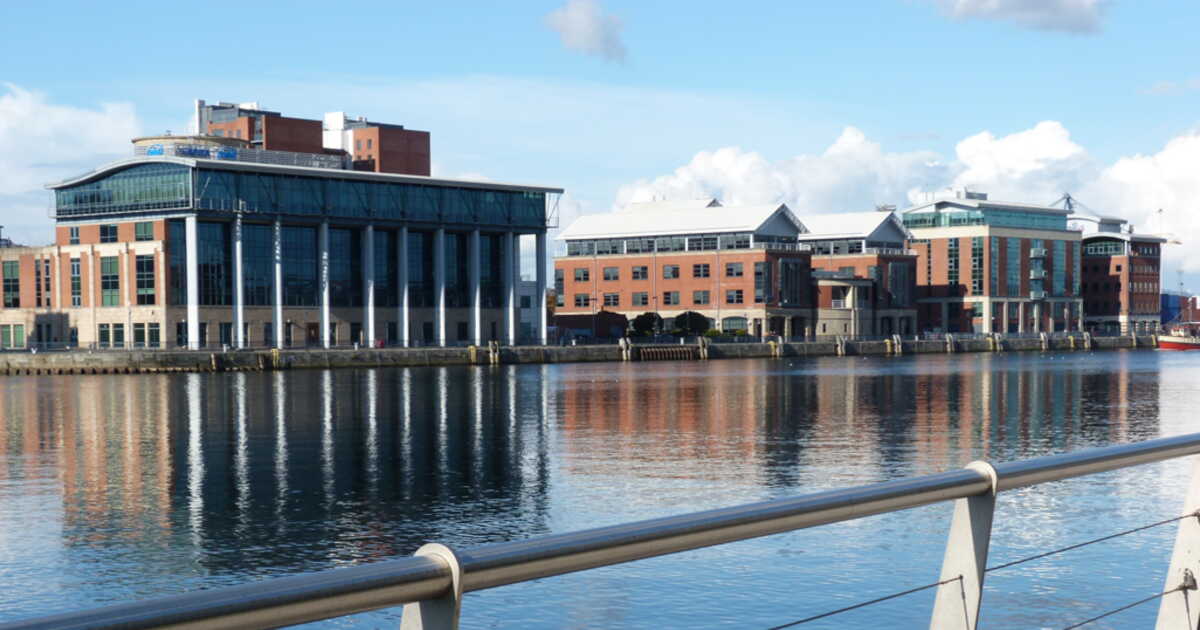
Located in the Titanic Quarter, Titanic Belfast stands as one of the United Kingdom’s most iconic museums, both for its bold building, designed in homage to the legendary liner, and for the quality of its interactive exhibitions. Built on the historic Harland & Wolff shipyard site, it traces the birth, construction, and the centenary of the Titanic’s sinking.

The visit continues with admission to the SS Nomadic, the original tender docked nearby, another witness to the city’s maritime past. This immersive journey sits within the momentum of revalorising Belfast’s historic buildings, and constitutes an essential introduction to the local industrial history. Titanic Belfast is today a must-see stop on any itinerary in the city centre.

2. Explore the Cathedral Quarter

The Cathedral Quarter, in the heart of Belfast’s city centre, reflects the cultural buzz of the northern Irish capital. Around the St Anne’s Cathedral, a major edifice among Belfast’s historic buildings, unfolds an urban fabric of art galleries, pubs with traditional atmospheres, and concert venues.

This area is also a strategic hub for navigating the city. In the evening, visitors can attend a play or discover the recent mural frescoes that testify to an engaged contemporary art scene. The Cathedral Quarter represents a perfect synthesis of religious heritage, cultural vitality, and urban regeneration.

3. Stroll through the Botanic Gardens of Belfast

The Botanic Gardens, located south of the city centre, offer a moment of relaxation in the heart of the city. This public park, enjoyed for its outdoor activities, is built around the Palm House, a Victorian-era building designed by Sir Charles Lanyon, and the Tropical Ravine, housing a rich diversity of exotic plants.

This natural site, frequented by both locals and visitors, fits into urban itineraries for those seeking to escape the city bustle. It is also a link to culture, as it adjoins the Ulster Museum and provides a pleasant starting point to explore south Belfast. Ideal for a pause between two visits.

4. Discover the history at the Ulster Museum

The Ulster Museum, the largest museum in Northern Ireland, offers a structured reading of history and the arts in a building adjacent to the Botanic Gardens. Its permanent exhibition covers a wide spectrum, from prehistory to the Northern Ireland conflict, with a particular focus on urban memory and social evolutions.

The richness of its interactive exhibits draws both art lovers and visitors wishing to understand the region’s historical foundations. The museum is free, a strong argument for travellers mindful of their budget. It sits within a logical sequence of stops including Belfast Castle, Tudor-style buildings, and other downtown institutions.

5. Plunge into history with the Murals and Black Taxi Tours

Belfast’s mural frescoes, visible in several city districts, bear witness to the socio-political tensions that marked Northern Ireland’s recent history. To better understand their meaning, the Black Taxi Tours allow exploring this visual heritage in a documented context, often narrated by former witnesses of the events.

These guided tours traverse areas where history has been etched on the walls, notably around the Peace Wall, near the city centre. The role of Stormont Palace, the workings of the institutions, or stories connected to historical figures are addressed clearly. This itinerary is essential for anyone wishing to move beyond clichés and grasp the complexities of a city continually reconfiguring.

6. Stroll through St. George’s Market

St George’s Market, one of the oldest covered markets in the United Kingdom, is a must-visit to discover Belfast’s authentic atmosphere. Open on weekends, it hosts local producers, artisans, and restaurateurs in a Victorian landmark in the city centre. The stalls teem with fresh produce, handmade items, and specialties such as the Ulster Fry, a traditional dish.

This lively place is part of a broader effort to celebrate culinary and cultural heritage. With its central location, it makes an excellent starting point to explore the surrounding area, notably the city hall and the main Belfast historic buildings. Ideal for a break during a weekend, or to meet the city’s artisans.

7. Visit the Crumlin Road Gaol

The Crumlin Road Gaol, Belfast’s historic prison, offers immersion into a lesser-known chapter of local history. This Victorian-era building, still marked by past tensions, can be toured with or without a guide, through a structured route through the old cells, corridors, and the execution room.

Its role during the Troubles and earlier conflicts is explained in a factual manner, with integrated educational devices. Located a short distance from the city centre, the prison is a key stop to understand the social and political dimensions of Belfast’s history. It is also an example of successful heritage repurposing.

8. Admire Belfast City Hall

Belfast City Hall, or City Hall, stands out with its remarkable baroque revival architecture in the city centre. This building, whose construction was overseen by Sir Alfred Brumwell Thomas, houses exhibitions on municipal history and the city’s urban evolution. Free guided tours offer access to its ceremonial rooms, stained glass, and historic galleries.

Outside, the building is surrounded by open lawns often used for outdoor activities. A place for orientation and gathering, it makes an ideal introduction to Belfast for any visitor, near St George’s Market, the Crown Liquor Saloon, and other major institutions.

9. Enjoy a day trip to the Giant’s Causeway

A day trip to the Antrim Coast from Belfast lets you discover the Giant’s Causeway, a unique volcanic formation listed as a World Heritage site. Reachable in under two hours from the capital, this natural site impresses with its hexagonal columns perfectly formed.

The visit can be integrated into a broader circuit including coastal castles or locations used for TV series filmed in the region. For geology, photography, or hiking enthusiasts, this excursion represents a natural extension of a Belfast weekend, combining nature, culture, and heritage.

10. Relax at the Grand Opera House

The Grand Opera House embodies the elegance of live performance in Belfast, with a program that blends opera, theatre, and musicals. Its building, recently restored, offers a complete experience for stage enthusiasts in a historic setting. Its proximity to other iconic sites such as Titanic Belfast or the Crown Liquor Saloon makes it easy to include in a sightseeing itinerary, especially for short stays. Attending a show in this history-laden venue complements the city’s cultural discovery.

11. SS Nomadic: a ship-museum brimming with history

The SS Nomadic, the last ship of the White Star Line still intact, provides a natural extension to Titanic Belfast. This small tender, which once served to board first-class passengers at Cherbourg, is now moored in the city’s historic port. Recently restored, it welcomes the public for tours of its decks, cabins, and period spaces, recreated with precision.

This floating vessel, rich in personal stories and anecdotes, helps to better understand the social context of the early 20th century. It is recommended to couple the visit with Titanic Belfast for a complete reading of the city’s industrial past. The SS Nomadic is also a point of interest for sailing enthusiasts, naval design, and maritime World Heritage heritage, at the crossroads of workers’ memory and cultural tourism.

12. Belfast Castle: between city panoramas and Celtic legends

Overlooking the city from the heights of the Cave Hill Country Park, Belfast Castle offers an immersion into Northern Ireland’s architectural history. Built in the 19th century in the Scottish Baronial style, this building stands out for its romantic charm and its integration into preserved natural surroundings.

The surrounding park, rich in Celtic legends and hiking trails, leads to the famous Napoleon’s Nose, offering a breathtaking view of Belfast City Hall and the bay. Free to access, Belfast Castle is a place for relaxation as well as a cultural highlight, with its gardens and a café housed in the former cellars. It is one of the recommended stops for those wanting to combine outdoor activities with heritage during a weekend or a day trip.

13. Peace Walls of Belfast: a striking testimony of contemporary history

The Peace Walls, Belfast’s peace walls, remain one of the most powerful symbols of the political and religious division that marked Belfast in the 20th century. These historic walls in Belfast, transformed into open-air galleries, are today covered with mural frescoes recounting conflicts, but also the hopes of reconciliation.

Visiting the Peace Walls means stepping into a still-sensitive chapter of the United Kingdom’s history. This memorial route sits within a broader exploration of the city centre, between the Stormont Palace, the Belfast City Hall, and the cultural institutions that participate in the effort of collective memory. A must-see step to understand the complexities of Northern Ireland’s identity.

In conclusion, Belfast is a destination brimming with historical, cultural, and urban treasures that will captivate any curious visitor. Whether you are a music aficionado, a history buff, or simply seeking a picturesque setting to unwind, Belfast offers much to discover and reveals itself through multiple dimensions across its contrasting neighbourhoods and landscapes. Before concluding your stay, consider excursions around the city and seize the opportunity to capture the full cultural diversity of this capital in full renaissance.

What is Belfast’s most famous thing? A maritime heritage turned into a global emblem

The most famous thing about Belfast is probably Titanic Belfast, an iconic museum in the United Kingdom erected on the old White Star Line shipyards, where the legendary liner was built. Opened on the centenary of the sinking, this contemporary building, with angular shapes inspired by the ship’s bow, houses exhibitions tracing the Titanic’s history from its design to its tragic fate.

Located in the city centre, close to the SS Nomadic, the only surviving ship of the company, it forms with the latter a coherent heritage complex, accessible via a combined entry to the SS Nomadic. Titanic Belfast is not merely a museum: it embodies the city’s industrial identity, pays tribute to its workers, and stands as a major cultural heritage site within the city’s patrimony.

What to do in Belfast with children? A city suited for young explorers

Visiting Belfast with children allows for a mix of cultural discovery and outdoor activities. The Belfast Zoo, perched on the slopes of the Cave Hill Country Park, offers a spectacular view of the city and hosts over 130 animal species. The park itself, with its marked trails, enables families to reach the Napoleon’s Nose, a famous rock formation overlooking the Belfast Castle, a Victorian-era building nestled in a park ideal for a picnic.

For a more urban moment, children enjoy the exhibits at Titanic Belfast, as well as a visit to the SS Nomadic, which allows them to discover Belfast’s maritime world in a playful way. Finally, the murals and kid-friendly guided tours in the old districts mark an introduction to the city’s contemporary history.

What to do in Belfast on weekends? Culture, nature and gastronomy on the agenda

Spending a weekend in Belfast offers an excellent opportunity to explore the richness of this Northern Irish capital. Start at St George’s Market, famous for its fresh produce and authentic atmosphere, where visitors can sample a traditional Ulster Fry.

The city centre, dominated by the Belfast City Hall, invites strolls among Belfast’s historic buildings, such as the Crown Liquor Saloon, a pub listed as a historic monument, lit by its original gas lamps. Heritage enthusiasts will continue with Titanic Belfast and the SS Nomadic, to better understand the city’s maritime history. In the evening, attend a play or opt for a day trip to the Antrim coast, easily accessible.

This article was written with the help of artificial intelligence, then corrected, augmented and validated by the newsroom’s journalists.

What to Do in Tallinn: 7 Top Activities and Outings in Estonia’s Capital

Nestled on the shores of the Baltic Sea, Tallinn, the capital of Estonia, is a place where medieval charm meets modern innovation. The Old Town, a UNESCO World Heritage site, draws visitors with its architectural beauty, while rapidly evolving neighborhoods entice with their creativity. For a traveler eager to discover what Tallinn has to offer, here is a guide to the activities to explore, whatever the length of your stay.

1. Explore Tallinn’s Medieval Old Town

The historic heart of Tallinn, known as Vanalinn, is a journey through time with its cobbled streets and centuries-old buildings. Begin your exploration at the Town Hall Square, with its striking architecture and lively energy from seasonal markets. Head up to the Toompea Hill to visit the Toompea Castle and the Alexandre Nevsky Cathedral. Then descend and stroll along the old city walls, where towers such as Kiek in de Kök and Paks Margareeta await you.

2. Discover Tallinn’s Museums

For those interested in art and history, Tallinn offers a diverse range of museums. The Maritime Museum (Lennusadam Seaplane Harbour) presents engaging interactive exhibits, including a historic submarine. The Kumu Art Museum showcases Estonian art, while the Museum of Occupations and Freedom (Vabamu) provides a poignant look at Estonia’s recent history.

3. Stroll through the Kalamaja District

Kalamaja, known for its charming colorful wooden houses, is Tallinn’s creative quarter. Here, the Telliskivi Creative City serves as a contemporary hub gathering artistic experiments, art galleries, and craft shops. Street art is omnipresent and reflects the city’s vibrant, ever-evolving culture.

4. Savor Tallinn’s Local Gastronomy

Tasting Estonian cuisine is an experience in itself. For a true glimpse of local flavors, visit the Balti Jaama Turg Market, where a multitude of stalls offer a variety of traditional and modern dishes. In the evening, explore the nightlife in the historic bars of the Old Town or the modern cafés of the newer neighborhoods.

5. Enjoy the Nature Around Tallinn

For those looking to escape the city, several options await. A day-trip to Helsinki by fast ferry is a popular choice. For nature lovers, the Lahemaa National Park, about an hour’s drive away, is ideal for hiking and wildlife watching.

6. Kadriorg Park and the Kadriorg Palace: A Cultural Breathing Space East of the Center

The Kadriorg Park, commissioned by Peter the Great, is one of the most beautiful green spaces in the Estonian capital. It houses the Kadriorg Palace, a Baroque masterpiece, and several art museums housed in its historic buildings. Summer or winter, this park is an ideal place for a stroll around its fountains, ponds, and sculptures.

Here you can visit the Kumu Museum, the main building of the Estonian National Art Museum, or simply enjoy a moment of calm away from the bustle of Tallinn’s city centre. The site is also well served from Tallinn Railway Station, with affordable rates for visitors.

7. Tallinn’s Walls: Discovering the Medieval Fortifications

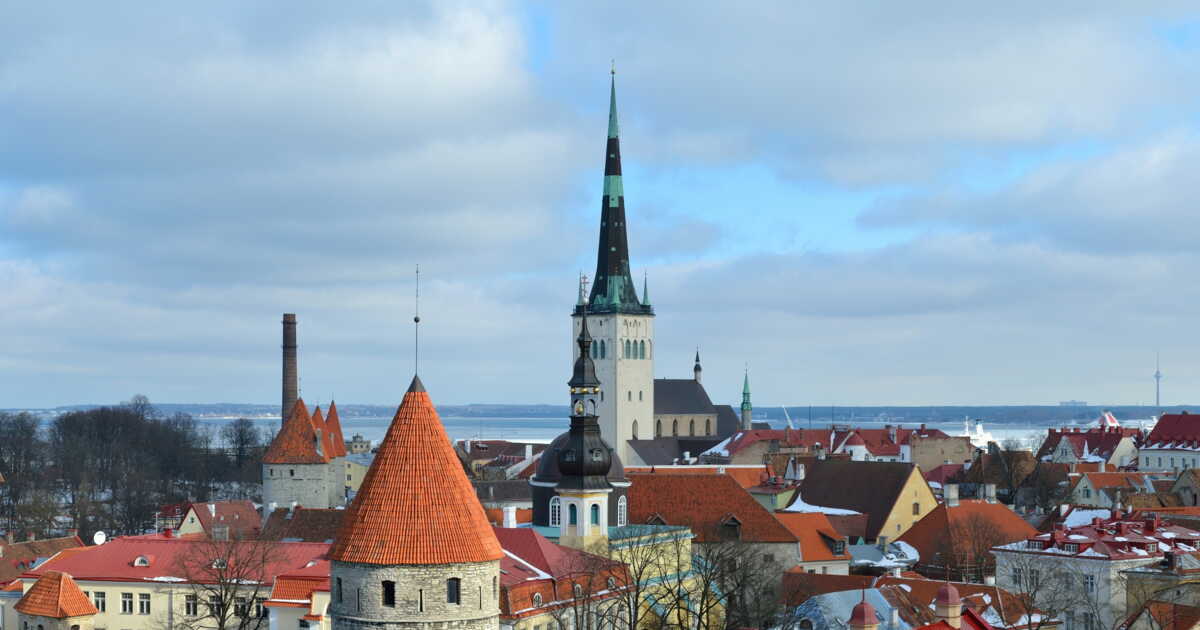
The Tallinn Walls, 13th-century defensive remnants, still surround a large portion of the Old Town. Some sections are accessible via a tower entrance, offering a unique view of the red roofs, the church spires, and the seafront.

These fortifications help illuminate the military architecture of the era, and several routes include a guided visit combined with the Tallinn Card. From watchtowers to spiral staircases, the route is as informative as it is panoramic. Below, the buildings of the Tallinn Centre reveal the influence of the various powers that occupied the city, notably the Russian Empire and the Soviet Union.

In conclusion, Tallinn is a city that offers a range of activities suited to every season and every desire. Whether you are a history buff, an art lover, a culinary explorer, or a nature enthusiast, Tallinn will captivate you. Its unique charm lies in its ability to blend tradition and modernity, delivering a stay rich in discoveries and memorable experiences.

How long does it take to visit Tallinn for the first time?

A stay in Tallinn can ideally be planned over two to three days to discover in a structured way the best things to see in the Estonian capital. This time frame allows you to visit the Old Town of Tallinn, enjoy a view over the church spires, stroll along the Vene streets, stop at St. Olaf’s Church, and explore the remnants of the Russian Empire at the Kadriorg Palace.

Between art museums, seaside strolls, a discovery of the old European pharmacies, and a guided tour of the Tallinn Centre, the program suits a curious audience, even on a first visit to Estonia. For those who want to take their time, an extra day allows for including the Patarei Prison, the port buildings, or a boat trip across the bay.

Is Tallinn an expensive city? Focus on prices and value for money

The Estonian capital offers a competitive price-to-value ratio compared with other European cities. While some establishments located on the Town Hall Square or around the Tallinn city centre may show higher prices, the average cost of meals, Museum entries, or a Tallinn Card remains reasonable.

The main building of the museum Kumu, for example, offers an entry with workshops depending on the season. In terms of accommodation, the options range from standard hotels to local guesthouses, providing good accessibility from the Tallinn Railway Station. Visitors generally note a good balance between amenities and budget, especially outside the summer months.

What to do in Tallinn in winter? A season to explore despite the cold

Winter in Tallinn turns the city into a medieval tableau, where the exteriors and the domes of Tallinn glaze with frost. It is an ideal time to visit the art museums, enter the city’s churches, climb the spiral stairs of the towers, or discover the craft workshops housed in the St. Catherine’s Passage.

The winter schedule also includes Christmas markets, concerts, and visits to the photography museum. The early sunset allows you to enjoy the soft glow of the cobblestone streets, making Tallinn’s Old Town especially photogenic during this season.

What to do in Tallinn with kids? Family-friendly and accessible culture

A stay in Tallinn with children allows a blend of culture, relaxation, and playful exploration. The Kadriorg Park — a true ideal place for a stroll — also hosts the principal children’s museum Miiamilla, where activities are offered year-round. You’ll also find picnic-friendly spaces.

A guided tour of the Old Town of Tallinn, with its spiral stairs and walls, can engage younger visitors. The Tallinn Card also enables many free or reduced admissions for families. Activities run from Monday to Saturday, providing flexibility in planning.

What to do in Tallinn in the evening? Cultural experiences and nighttime strolls

In the evening, Tallinn reveals a cozy mood where church spires and historic buildings glow softly. After a stroll along the seafront or through the St. Catherine’s Passage, it’s pleasant to settle into a medieval tavern like Olde Hansa, where period cuisine is served in an authentic ambiance.

Several museums and galleries stay open late on certain days, and concerts are regularly offered in the city’s churches. For a night-time view of the rooftops, the Toompea Hill observation deck remains accessible in the evening. Night walkers will also appreciate the proximity of the Tallinn Centre to the bay’s shores.

What to do in Tallinn when it rains? Indoor culture, heritage and visits

When rain arrives, Tallinn offers numerous indoor options. The Kumu Art Museum, in the Kadriorg district, is ideal for a rainy afternoon while exploring Estonian artistic history. Other alternatives include the historic buildings of the city centre, the churches, or a indulgent break in tea rooms around the Town Hall Square. The old European pharmacies, accessible even without a reservation, provide a unique perspective on Estonia’s medical history.

This article was written with the help of artificial intelligence, then edited, expanded, and validated by the newsroom’s journalists.

12 Things to Do in Buenos Aires: Outings and Activities in Argentina’s Capital

Buenos Aires, the vibrant and cultural capital of Argentina, is a true crossroads of stories, cultures, and flavors. With its dynamic blend of European and South American traditions, it draws millions of visitors each year who are eager to discover its many facets. But what to do in Buenos Aires to maximize your stay? Whether you are a tango enthusiast, an art lover, or simply seeking new experiences, Buenos Aires has something to offer for everyone.

1. Discover La Boca and the Caminito

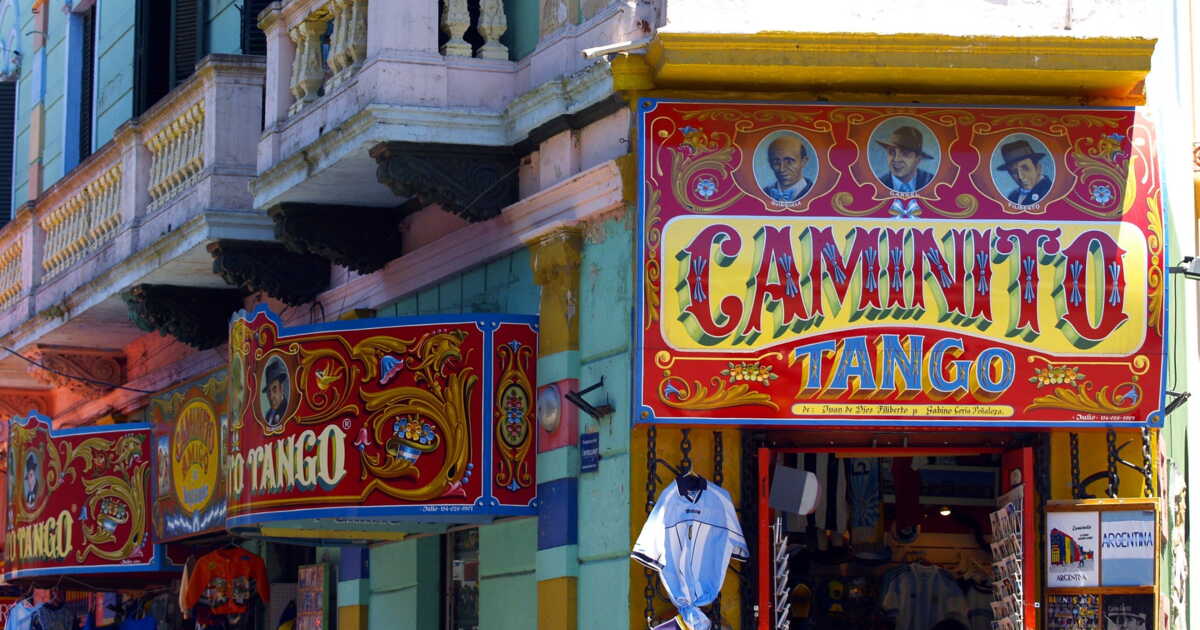
Discovering La Boca and the Caminito means exploring a cultural anchoring site at the heart of the city of Buenos Aires. This place, once a port district and former railway yard, is today renowned for its iconic street, the Caminito, which has become an open-air gallery. Mural paintings, spontaneous tangos, and artist studios enliven this street-scene, deeply marked by the heritage of Italian immigrants. Between walls of colorful corrugated iron and memories of Diego Maradona, the residents of Buenos Aires keep a living memory alive. It is a unique experience, often recommended during visits to Buenos Aires, ideally enjoyed in the afternoon before the neighborhood empties out. A detour that links popular culture to the deep roots of the country’s history.

2. Stroll through San Telmo

Strolling through San Telmo means soaking in a place where time seems to stand still. The historic district of the city of Buenos Aires, San Telmo is a central stop on a trip to Buenos Aires for those seeking a retro and warm atmosphere. On Sundays, Defensa Street becomes a lively stage, with flea markets, musicians, and tango dancers. This street-leaning place is perfect for discovering local crafts, antiques, or sharing a moment over a maté. You may also meet the grandmothers of the neighborhood, the locals set up on the sidewalks, and the echo of a country’s history still very present. A cultural stop that gives the early morning or afternoon a scent of authentic Argentina.

3. Explore Recoleta and its cemetery

Recoleta stands out for its elegance and heritage wealth, notably thanks to the Recoleta Cemetery, a true anchoring site in the history of the country. This place with notable funerary architecture houses the tombs of major political figures, including Eva Perón, and attracts both and international visitors. In this district, the Museo Nacional de Bellas Artes complements the experience with its collections of European and Argentine painting. Recoleta is a territory conducive to contemplation and to understanding the capital. Each mausoleum, each sculpture tells a story, placing this area in a sensitive reading of the past, accessible to all curious travelers on their trip to Buenos Aires.

4. Enjoy the green spaces of Palermo

Palermo, a vast district of the city of Buenos Aires, is often presented as one of the green lungs of the capital. Its spaces, such as the Carlos Thays Botanical Garden, provide a balance between nature and urban life. The Bosques de Palermo, with their lakes and trails, are ideal for a late afternoon stroll. You’ll encounter joggers, families, and Buenos Aires locals seeking tranquility. Further north, Palermo Hollywood draws crowds with its cinema studios, galleries, and trendy cafés. The Museum of Latin American Art of Buenos Aires (MALBA), located nearby, adds contemporary exhibitions to the mix. It’s a neighborhood to roam slowly, between leafy spaces and cultural buzz.

5. Explore the downtown core with Microcentro

Exploring the Microcentro means discovering the political and administrative heart of the city of Buenos Aires. This anchoring site brings together the Mayo Square, the Casa Rosada — the seat of the Gobierno de la Ciudad —, and the major avenues like 9 de Julio where the Obelisk stands. The Microcentro also houses iconic street locales, such as the pedestrian calle Florida, loved for its upmarket shops and lively activities. This zone, dense and vibrant from the early morning, is a must-see on a trip to Buenos Aires. It captures the institutional dynamism, the impact of figures like Eva Perón, and the legacy of large-scale movements in the country’s history.

6. Relax in Puerto Madero

In Puerto Madero, modernity and memory converse along the banks of the Río de la Plata. This rehabilitated district, once a port-yard site, is now a highly valued space for leisure. The renovated docks host contemporary restaurants where one can enjoy an Argentine barbecue or simply admire the Puente de la Mujer, an emblematic work of the area. In the afternoon, you may encounter both tourists strolling and locals, drawn by the calm and architectural quality. Puerto Madero illustrates Buenos Aires’ urban evolution, between its port heritage and bold design, and stands as a modern waypoint on a trip to Buenos Aires.

7. Attend a tango show

Attending a tango show in the city of Buenos Aires allows you to grasp the depth of a living art, a cultural emblem of the country. Whether staged in a majestic Teatro Colón or a intimate cabaret, tango offers a unique experience rooted in the country’s history. Performances attract both Buenos Aires locals and curious visitors from around the world. Tango, born in street venues, evolved into sophisticated stages while preserving its dramatic intensity. This moment, often offered in the evening, perfectly complements visits to Buenos Aires by delivering an emotional immersion where movement conveys what words cannot say.

8. Discover Buenos Aires street art

Street art in Buenos Aires holds a unique place in the city’s urban cultural life. It transforms the street scene into a space of expression, especially in the neighborhoods of Palermo Hollywood or La Boca, where walls tell the country’s history in another way. Murals feature famous faces like Diego Maradona, political or poetic motifs. Buenos Aires tours can include guided routes to explore this living visual heritage. For the visitor, it’s a unique experience that offers a different reading of the city, far from museums and classic circuits. A form of art that is accessible, engaged, and deeply rooted in local identity.

9. Savor the Argentine gastronomy

Tasting the Argentine gastronomy is an essential component of a trip to Buenos Aires. It’s impossible to miss the parrilla, that iconic grill served across the city. Whether at a dinner with friends or a quick bite at a market, the Argentine barbecue is a memorable moment, a celebration of flavor and conviviality. It is often paired with empanadas, local wines, or a dulce de leche dessert. For the curious, some upmarket shops offer artisanal products to take away. This culinary richness, carried by the people of Buenos Aires, reflects the identity of a welcoming metropolis, nourished by tradition and open to the world.

10. Explore the city markets

The markets of Buenos Aires are places of authenticity, ideal for meeting the locals. If San Telmo remains the reference, others such as the Dorrego Flea Market or the Abasto Market deserve attention. These street venues blend antique stalls, fresh produce, textiles, and everyday objects, often lively from the early morning. These markets reflect local eating habits, crafts, and the city’s energy. They also anchor the trip to Buenos Aires in the reality of urban life. Beyond shopping, these spaces are social anchoring places where you can observe evolving tastes, interactions, and the country’s history on a miniature scale.

11. Teatro Colón: audace architecturale et expérience théâtrale à Buenos Aires

The Teatro Colón, located in the heart of Buenos Aires, is an iconic venue for theater and opera lovers. It serves as an anchoring site in the artistic history of this South American metropolis, and for a trip to Buenos Aires it is a major stop. Inaugurated in 1908, it testifies to the urban and cultural rise of the Argentine capital. During a performance or a guided tour, one enters a universe of grand architectural scale, mixing marble, gilding, and remarkable acoustics. For art or heritage enthusiasts, it is a moment of exceptional significance — a Colón theatre that commands respect. Be sure to buy your ticket in advance, as crowds are strong among both passing tourists and Buenos Aires locals. This setting also allows history buffs to better understand the city’s evolution in the 19th century and its international ambitions.

12. Jardín Japonés: a tranquil haven in the porteño metropolis

The Jardín Japonés, located in the city of Buenos Aires, is a green lung and a welcome sanctuary during an urban tour. It provides a pleasant pause for nature lovers or a gentle afternoon away from the street’s bustle. In a context where Buenos Aires is dynamic, this botanical garden stands as an anchoring garden within the metropolis, illustrating how the city hosts subtle and well-kept green spaces. This place also allows visitors to see the international influence on Argentine urbanism and offers residents of Buenos Aires and visitors a moment of calm. In case of light rain, it is also a relevant alternative before visiting a nearby museum or cafe.

Buenos Aires is a city rich and varied, where every street corner hides a new story. Whether you have a day or a week, these activity ideas will let you discover the city’s best. Whether you’re drawn to dance, architecture, or gastronomy, there is always something new to discover. To go further, the surrounding areas of the city, such as the Tigre region, also hold surprises for curious visitors.

How long does it take to visit Buenos Aires?

When planning a trip to Buenos Aires, it helps to consider spending at least three to four days in this South American city to get a solid overview of its neighborhoods, architecture, and urban vibe. Local guides suggest three days to cover the major axes, but five days or more allow for a day trip or deeper exploration of secondary neighborhoods. This duration enables history buffs and culture lovers to combine museum visits, riverside strolls along the Rio de la Plata, and wandering in districts like Palermo Hollywood and Recoleta. For a more complete Buenos Aires itinerary, consider six or seven days if you also want to venture outside the city center.

Is Buenos Aires worth it?

The question of whether Buenos Aires is truly worth the trip deserves a nuanced answer: yes, the city deserves time. A cosmopolitan metropolis with rich contrasts, it blends the country’s history with modernity, European-inspired architecture with street markets. A travel guide notes, “you can’t come to Argentina without spending at least a few days in the capital”; it offers a unique experience for art, culture, and even football enthusiasts. A visit to Buenos Aires lets you explore strong anchoring sites like historic theaters, old libraries, flea markets, and upscale shops, while meeting the locals and observing their traditional lifestyle and attachment to the neighborhood. In short: for a cultural and urban journey in South America, it is a worthwhile investment.

What is the best time to go to Buenos Aires?

To get the most from a trip to Buenos Aires, it helps to choose a period that balances mild climate, urban activity, and a reasonable tourist crowd. Autumn (April–May) or spring (September–October) in the southern hemisphere are often recommended: pleasant temperatures, favorable light for photography… While the city can be visited year-round, some summer periods can be very hot or humid, and winter is somewhat quieter. By choosing a favorable season, the trip gains comfort – a key dimension for a visitor wanting to explore museums, stroll by the water, or join a walk through the historic neighborhoods.

Where to stay in Buenos Aires?

Choosing a place to stay in Buenos Aires is strategic to optimize the experience. To combine comfort, safety, and easy access to sights, the neighborhoods of Palermo, Recoleta, or San Telmo are frequently recommended. A local guide suggests staying in Palermo to be near restaurants, cafés, and upscale shops, while staying in a relatively quieter setting than the noisy center. A history- or architecture-loving traveler may prefer Recoleta to be near colonial heritage and museums. For fans of neighborhood life and flea markets, San Telmo offers a singular charm. It is useful to book flights early, choose a well-situated hotel or apartment, and avoid overly peripheral areas if time is limited.

What to do around Buenos Aires?

Exploring the surroundings of Buenos Aires significantly enriches an urban stay. Among possible day trips: a venture to the Tigre delta, a visit to an old estancias in the Argentine pampas, or a trip to a nearby lively town just outside the capital. In these moments, you leave the city center, rent a car or join an organized tour with local guides, and discover a slower rural pace, traditional life. This excursion allows you to step away from the usual tourist circuits and meet local communities, old plantations, or anchoring sites. It also offers a better understanding of the country’s history and the relationship between urban and rural life in this region.

What to do on Sundays in Buenos Aires?

Sundays in Buenos Aires offer a special atmosphere: streets retreat behind historic facades, locals enjoy a moment of relaxation, and flea markets come alive. A must-do activity is visiting the San Telmo Market on Defensa Street, combined with an Argentine barbecue or a break in a neighborhood cafe. These moments allow travelers who love authenticity to soak up local culture. Sunday is a great time to wander through less-visited neighborhoods, to discover the El Ateneo bookstore, or simply to stroll along the Río de la Plata. This particular day highlights urban life with a slower pace and more discoveries.

What to do in Buenos Aires when it rains?

When it rains in Buenos Aires, the city does not lose its appeal: indoor visits become attractive, particularly to cultural venues like art museums or historic houses, or a pause in a historic café. A practical alternative is visiting the National Museum of Fine Arts in Recoleta, or the Buenos Aires Latin American Art Museum (MALBA) in Palermo, which provide shelter and rich discoveries. Thus, even in the rain, you can explore the country’s history, admire key works, and observe urban life from a different angle. Buenos Aires remains functional despite rainy spells, and this kind of day can become an unforgettable cultural concentration rather than an obstacle.

This article was written with the help of artificial intelligence, then corrected, expanded, and validated by the editors of the desk.