
Solo Travel With Your Dog: Top Destinations for Easy Adventures

Going solo doesn’t necessarily mean traveling without company, especially when your dog is part of the journey. Some destinations make it easy to mix walks, cultural discoveries, and moments of relaxation with your animal. Others primarily offer wide open spaces, beaches, or scenic routes where a four-legged companion really matters. Here are seven ideas for destinations where traveling solo with your dog can be particularly enjoyable, according to journalist Becca Blond, who has roamed the world with her dog Poppy.

European cities where dogs easily fit in

Barcelona presents a compelling option for those who want to combine an urban stay with seaside excursions. With Antoni Gaudí’s architecture, lively neighborhoods, and the Ramblas, the Catalan capital offers numerous walking opportunities. Dogs can especially enjoy Playa de Llevant, one of the city’s beaches accessible to them. From June to September, AquaPark Canino also offers two pools, outdoor spaces, and a restaurant that welcomes owners accompanied by their animal.

Another European destination renowned for its dog-friendly hospitality is Italy, which lets you enjoy a blend of big cities, villages, and rural landscapes. In Rome as in Tuscany, dogs can accompany their owners on many outings. Vineyards, in particular, offer a chance to discover another facet of the country. Near Florence, the Il Borro estate, owned by the Ferragamo family, is among the addresses tested and approved by the expert.

Further north, Berlin stands out for its especially accommodating stance toward animals. Dogs can use public transport and are welcomed in many bars. Tempelhofer Feld, a former airport runway turned into a vast public space, also gives them more freedom. A feature that can greatly simplify organizing a stay when traveling alone and constantly balancing the needs of one’s animal.

Beaches, wide spaces, and iconic routes to change the air

For nature lovers, Alaska offers a dramatically different backdrop. From Anchorage, renting a car allows you to head north and reach the Denali National Park area. However, note that dogs are not allowed on most park trails, primarily to limit disturbances to wildlife. The nearby Denali State Park is more permissive and allows you to traverse the Curry Ridge Trail with your pet.

A change of scene awaits with Aruba in the Caribbean. The island welcomes many travelers accompanied by their dog, and several beaches are accessible to animals. In San Nicolas, Baby Beach can be suitable for dogs wary of water thanks to its shallow, calm waters. The island also offers a vibrant artistic scene through its numerous mural paintings.

In the United States, California’s Highway 1 is particularly well suited for a road trip. Between the cliffs of Big Sur, the Pacific landscapes, and stops such as Carmel or Santa Cruz, this route offers plenty of opportunities to pause and enjoy the scenery with your dog.

Finally, New Orleans presents a more urban alternative. The city features dog-friendly bars in the French Quarter and cafes with terraces where you can settle in with your animal. A way to discover the music and ambiance of the city without having to leave your companion at the hotel.

Before leaving, it is best to plan the trip carefully: food, water, a leash, medical documents, and a first-aid kit should be part of the essentials. With an itinerary tailored to you and stops checked in advance, traveling solo with your dog becomes, more than anything, another way to discover the world!
What to Do in New Orleans: 7 Must-Do Activities in the Big Easy

Nestled in the southern United States, the New Orleans reveals a captivating blend of French, Spanish, and African American cultures, reflected in its architecture, cuisine, and music. Nicknamed the “Big Easy,” this vibrant city is known for its lively festivals, scenic streets, and rich history. For those looking to explore this unique destination, a common question arises: what to do in New Orleans? Here is a detailed guide that will immerse you in the numerous activities and sights to discover in this fascinating city.

1. Exploring the French Quarter, Jackson Square, and the St. Louis Cathedral

The French Quarter, with its lively lanes and historic buildings, is a must-see. Begin with a visit to Jackson Square, where you can admire the St. Louis Cathedral and enjoy the performances of street artists. Do not miss strolling along Bourbon Street, famed for its buzzing nightlife. For a quieter moment, head toward Royal Street, renowned for its art galleries and antique shops.

2. Discovering the Garden District

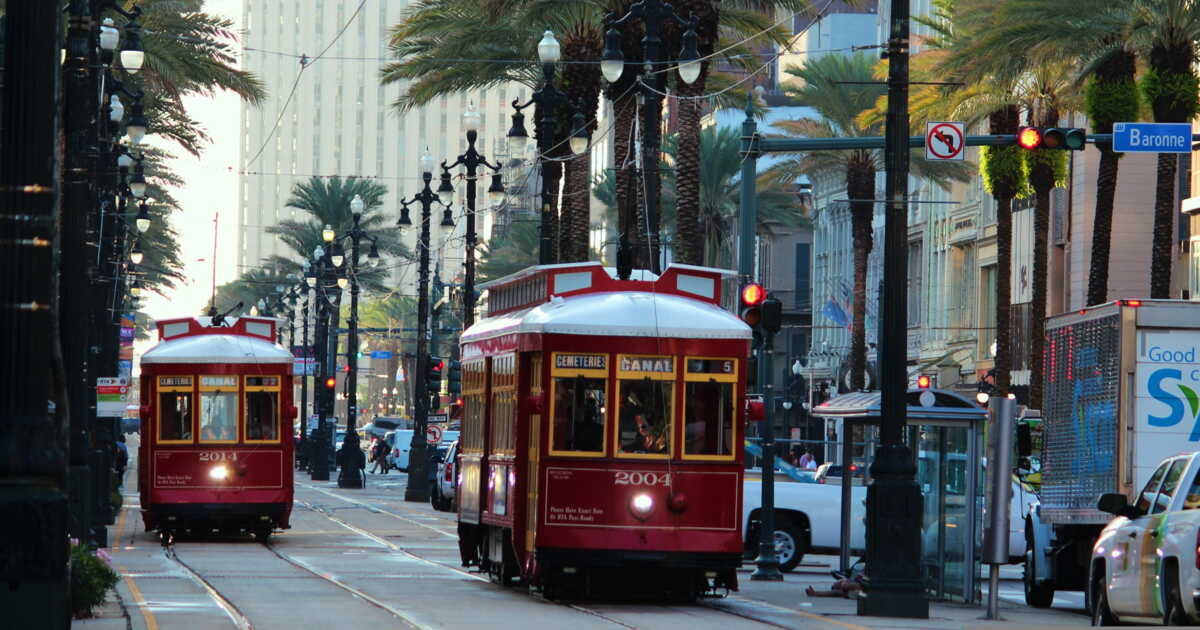
The Garden District offers a striking contrast with its grand homes and lush gardens. Explore this neighborhood on foot to admire antebellum architecture. The St. Charles Streetcar, an attraction in itself, is a convenient way to tour the area. Note that several celebrities, such as Sandra Bullock, own homes here, adding a touch of glamour to your visit.

3. Immersion into the Music World on Frenchmen Street

Music is inseparable from New Orleans. Delve into this world by visiting Preservation Hall, a temple of traditional jazz. The clubs on Frenchmen Street offer a range of musical performances, from jazz to blues. For live-music lovers, the city provides outdoor shows and regularly hosts brass bands that brighten the streets.

4. Culinary Experiences

No visit to New Orleans would be complete without sampling its Creole and Cajun cuisine. The beignets at Café Du Monde are a sweet delight not to be missed. Enjoy a Gumbo or a Jambalaya at one of the many local eateries. For a quick bite, Po’boys and oysters are popular choices. Make sure to explore the differences between Creole and Cajun cooking to appreciate this culinary richness.

5. Exploration des bayous et du fleuve Mississippi

A excursion into the surrounding bayous offers a unique encounter with local wildlife, including alligators. Several tour operators offer boat trips starting from the city. On the Mississippi, embark aboard the Steamboat Natchez for a cruise that blends sightseeing with relaxation. These aquatic activities provide a different perspective of the region.

6. Museums and cultural heritage such as The National WWII Museum

For a deeper cultural immersion, visit the National WWII Museum, regarded as one of the country’s finest museums. The New Orleans Museum of Art (NOMA) and the Ogden Museum of Southern Art are essential stops for art enthusiasts. The Voodoo Museum offers a fascinating glimpse into this tradition. The city’s cemeteries, such as St. Louis Cemetery No. 1, are also notable for their above-ground tombs.

7. Practical Guide for a Car-Free Visit

New Orleans is easily accessible without a car. The network of streetcars efficiently serves the main neighborhoods. For the more adventurous, renting bikes is a pleasant option. Neighborhoods like the French Quarter and Marigny are perfect for walking. If longer trips are needed, taxis or rideshare services are readily available and affordable.

New Orleans is a city teeming with attractions, whether cultural, historical, or gastronomic. By planning your stay around these points of interest, you’ll discover a city rich in diversity and captivating stories. Whether you’re a music aficionado, a foodie, or a history buff, New Orleans promises a rewarding experience. The variety of activities and the living heritage of this city make it a destination that leaves little room for boredom and plenty of opportunities for exploration and discovery.

How long does it take to visit New Orleans? Plan your ideal stay

To fully enjoy New Orleans, it is advisable to plan for at least 3 to 4 days on site to discover the richness of its jazz history, its museums, and its famous open historic cemeteries like Saint Louis Cemetery. A guided tour of the French Quarter allows you to immerse yourself in the city’s cultural life while exploring landmarks such as the St. Louis Cathedral or Lafitte’s Blacksmith Shop Bar. History enthusiasts can supplement their stay with visits to the sugar plantations, art museums, and the state museum to better understand the city’s history and local culture. A weekend or an extended afternoon in the downtown and districts like the Garden District and the Faubourg Marigny ensures a comprehensive experience, with picturesque street corners, art objects, and local flora.

Is New Orleans Safe? Safety and neighborhoods to know

New Orleans is a large American city, where, like in any metropolis, some areas are more sensitive. Dangerous neighborhoods should be avoided, especially at night, but tourist zones such as the French Quarter, the French Quarter, and the downtown are safe and heavily frequented. Joining French-speaking guided tours or group excursions lets you enjoy historic sites like Preservation Hall, Mardi Gras World, or City Park while minimizing risk. Visitors can also explore open historic cemeteries, urban parks, and museums without worry, staying mindful of local advice. The state of Louisiana and local authorities have put measures in place to keep iconic street corners and major attractions accessible and secure.

What is the best time to visit New Orleans? Plan your perfect trip

The best time to visit New Orleans generally runs from February to May, during Mardi Gras celebrations, when the city offers a unique cultural spectacle. Summer can be hot and humid, but remains favorable for urban parks in the states, cemetery tours, and strolls through the French Quarter. For lovers of jazz history, museums, and historic sites, the milder spring and autumn seasons are ideal to fully enjoy the Old Square, the Garden District, and the sugar plantations. Planning a stay in line with time differences and climate ensures a rewarding experience of the street corners, arts, and must-see sites of New Orleans.

Where is New Orleans located? Location and access

New Orleans, situated in the southeast United States in the state of Louisiana, is a historic city perched on the Gulf of Mexico. It stands out for its unique sea level, its urban parks like City Park, and its vibrant downtown. The city is easily accessible by road, air, and river excursions on the Mississippi, enabling visits to iconic districts such as the Faubourg Marigny, the French Quarter, and the Garden District. Its museums, public cemeteries, and historic sites make this big city a must for enthusiasts of city history, culture, and American heritage.

This article was written with the help of artificial intelligence, then corrected, supplemented, and validated by the editors of the rédaction.