
Trenitalia vs Eurostar: How Competition Could Change Travel for Passengers


Trenitalia face à Eurostar : ce que la concurrence pourrait changer pour les voyageurs - Depositphotos.com @AndreyKr

MSC Croisières


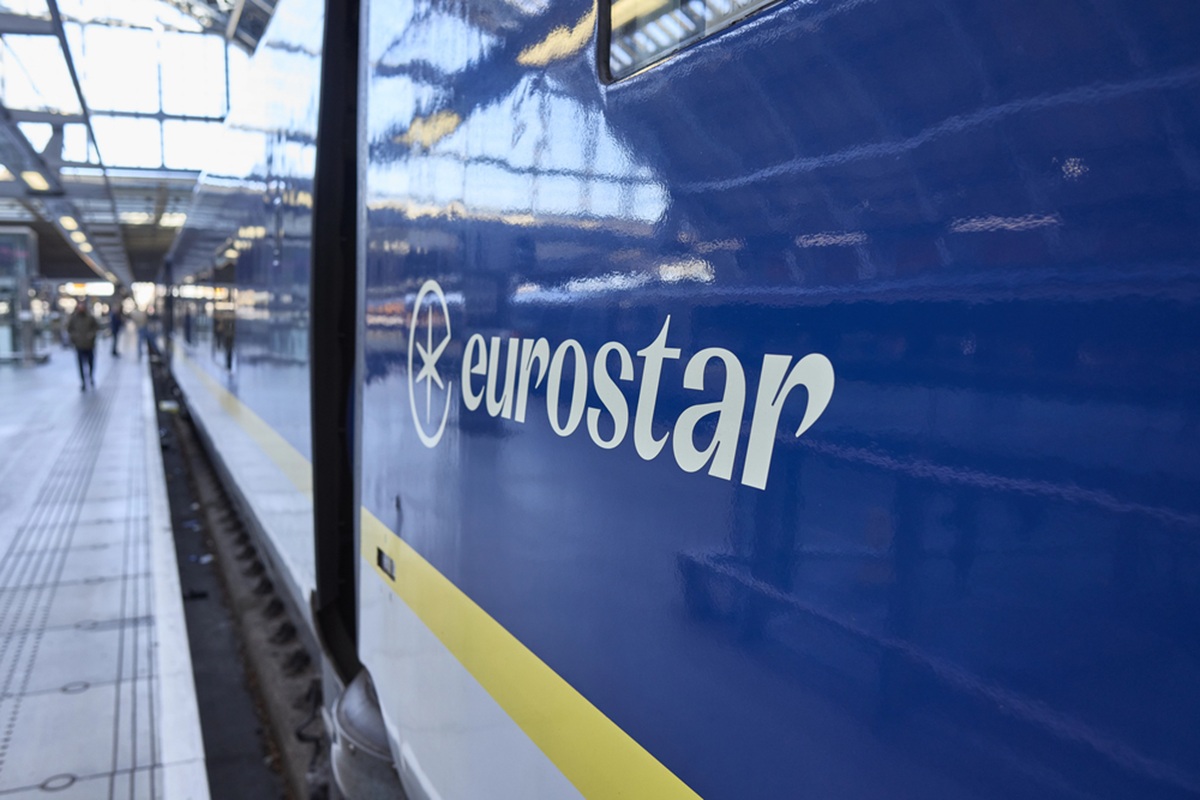
After 32 years of Eurostar’s monopoly, the rail link between Paris and London is about to enter a new era.

 
With orders for 19 trains and a launch now targeted for 2029, Trenitalia is preparing its entry onto one of the last major international rail corridors still largely dominated by a single operator.

 
For Clément Hugon, cofounder and co-CEO of Kombo, this announcement constitutes “a huge announcement” for the sector. “This is the unlocking of the last international axis that was completely monopolistic“, he notes.

 
While this link is particularly strategic, it also presents significant constraints. Crossing the Channel Tunnel requires in particular specific trains and numerous authorizations, in addition to procedures related to crossing the border.

 
It’s the most complex because it requires more authorizations, specific trains, there is customs. It’s a somewhat peculiar protocol“, explains Clément Hugon.

 
A complex market, but also particularly attractive. Today, around 11 million passengers use the Paris-London rail axis each year. According to Kombo’s cofounder, the capacity of the Channel Tunnel is nonetheless far from being reached: around 400 trains would run there daily, against a maximum capacity estimated at 1,000 trains.

 
The arrival of new operators could therefore significantly increase the number of travelers transported.


A Price Drop Expected

For travelers, one of the main effects of this opening to competition could be price-related. According to Clément Hugon, the prices currently charged on Paris-London remain high, notably due to the monopolistic situation.

 
The monopoly has allowed Eurostar to impose very high fares, sometimes even higher than by air“, he notes.

 
At Kombo, the expectation is therefore for a significant drop in prices. “Clearly, in our view, ticket prices will fall a lot. We estimate the price drop at around 30%“, the cofounder states.

 
This estimate is notably based on observations from other markets opened to competition. Clément Hugon cites the example of Paris-Marseille, where Trenitalia recently entered the market against SNCF.

 
Trenitalia arrived with an offer broadly less than 30% compared to SNCF, and SNCF adjusted fairly quickly“, he explains. He adds that a similar logic could take hold on Paris-London.


Eurostar Will Have to Adapt Its Strategy

The incumbent operator does not wait for its competitor to arrive without reacting. Eurostar has already ordered 50 new trains from Alstom, an investment that should allow it to increase and renew its capacity. For Clément Hugon, pricing strategy should also be a central element of Eurostar’s response.

 
The difference with Trenitalia’s entry on other markets lies, however, in the scale of the planned offering. “It’s not just a few Trenitalia trains, it’s a real offering that will clearly compete with Eurostar in volume“, he stresses.

 
Prices won’t be the only battleground. Frequencies, schedules, comfort and services could also become decisive arguments to attract and retain travelers.


Brussels and Amsterdam in Sight

The opening of the cross-Channel market could extend beyond the Paris-London axis. Among the next connections likely to attract competition, Clément Hugon mainly cites Brussels and Amsterdam.

 
There are direct Amsterdam-London services and they are almost always full. There is strong demand because these are two major European capitals“, he notes.

 
For Kombo’s cofounder, the Brussels-London and Amsterdam-London routes thus appear as the most obvious markets to host more competition in the long term.


Competition Favorable to Kombo

For Kombo, the arrival of new operators also represents an opportunity. The platform, founded in 2016 by Clément Hugon and Matthieu Marquenet, now draws about one million travelers using its services to move around in France and across Europe.

 
When there is competition, there is a need for comparison. And Kombo’s raison d’être is to compare and combine the different companies“, Hugon explains. The increase in traveler numbers is another favorable factor. If competition lowers prices and broadens the offering, it could help attract some air travelers to trains.

 
According to Kombo, the challenge goes beyond merely reshuffling market shares between Eurostar and Trenitalia. “We expect a doubling of traveler volume on this axis“, estimates Clément Hugon.

 
It now remains to wait until 2029 to concretely measure the effects of this opening. In the meantime, both Eurostar and Trenitalia will need to specify their respective offers. The Italian operator has another argument in its Executive class, which, according to Kombo, is particularly suited to the business clientele heavily present on Paris-London. This adds a new arena of competition to a market that is bound to transform.



Slow Travel and Solo Travel Are Growing in Popularity Among Europeans


Le slow travel et le voyage en solo progressent - DepositPhotos.com, melis82

MSC Croisières


Dertour Group publie les résultats d’une étude consacrée aux nouvelles façons de voyager des Européens.

Réalisée auprès de 8 000 personnes dans 13 pays européens, l’enquête met notamment en évidence l’intérêt pour des séjours plus lents et pour le voyage en solo.

Parmi les personnes intéressées par le slow travel, 58,5% souhaitent prendre davantage leur temps pour découvrir une destination sans se sentir pressées.

Pour 52%, ce mode de voyage est associé au bien-être et à la réduction du stress.


A quest for disconnection

La déconnexion numérique apparaît également comme une motivation importante.

48,9% des répondants considèrent les vacances comme une occasion de s’éloigner des réseaux sociaux et des sollicitations numériques. Cette proportion dépasse 50% chez les 25-44 ans.

Le rapport souligne aussi l’émergence du profil du voyageur JOMO (Joy of Missing Out), qui privilégie un nombre limité d’expériences plutôt qu’une accumulation de visites.


Solo travel is on the rise

Près de 30% des personnes interrogées envisagent de voyager seules dans les douze prochains mois.

Cette proportion atteint 37,6% chez les célibataires, tandis qu’environ un quart des personnes en couple ou mariées envisagent également un voyage en solo.

La France figure parmi les marchés les plus favorables à cette tendance, avec 32,2% des répondants envisageant un voyage seul, derrière l’Allemagne et la Suède.

Les voyageurs solo séjournent par ailleurs en moyenne 10,4 jours, contre 8,9 jours pour l’ensemble des voyageurs, et partent davantage hors saison.

Dertour Group indique enfin développer des offres adaptées à ces nouvelles attentes, avec notamment des circuits « GowiththeFlow », les Blue Cruises d’I.D. Riva Tours ou encore le concept hôtelier Slow Glamour d’ananea.

Egypt: Bookings Rebound, but Travel Professionals Remain Cautious


Égypte : les réservations repartent, mais les professionnels restent prudents - Depositphotos.com, calinstan

MSC Croisières


Is Egypt potentially emerging from the dip caused by the Middle East conflict?

After several months in the red, bookings are rising again according to the latest figures from the EDV-Orchestra barometer.

In August 2026, the number of bookings for Egypt increases by 21.1% compared to August 2025. An acceleration after a +4.8% in July, while the destination still posted significant declines in spring: -5.5% in June, -34.2% in May, -42.6% in April and -66.8% in March.

The year had started well. Order intake showed gains of +50.3% and +17.7% respectively in January and February 2026, still according to the barometer.

The destination’s visitor numbers were also in positive territory.

After reaching the record threshold of 19 million in 2025, international arrivals rose a further 4% from January to the end of May 2026 (vs the same period in 2025), according to the Egyptian Ministry of Tourism and Antiquities.

The number of French tourists posted an even stronger rise. Already up 31% for the entire 2025, they also recorded an increase of 22% between January and the end of May 2026 (vs the same period in 2025).


An end-of-year with last-minute sales?

Data that does not reflect the spring booking standstill, as trips were already booked.

« Sales are anticipated a bit more than for other destinations. They were therefore already secured and there were no cancellations. April thus proceeded normally, departures were full. Groups for March, April, May and June, which are key periods for this activity, were arranged without any issue », explains Bruno Abenin, Commercial Director of Travel Evasion.

« Egypt has never been directly involved in the conflict » recalls Gonzague de Gélis, president of the Kuoni France Group. « We did not cancel any departures; it was bookings that were halted. It stopped completely in March, April, May and June; then bookings slowly picked up in June, we were at -50% versus June 2025. After that, things picked up in July, with an acceleration in August », he sums up.

Gonzague de Gélis mentions a 60% rise in August bookings compared to last year, a year that was already considered good.

For these bookings made in August, the tour operator notes strong momentum for upcoming departures: +40% for 2027 departures and +100% for 2026 last-minute departures. « It is the destination that is showing the strongest growth in August » he adds.


A rebound, but professionals remain cautious

At Mondial Tourisme, Selatt Erdogan also confirms the restart, but puts it in perspective: « Yes, there is a rebound, it is indeed there, but we remain below our objectives. »

The tour operator believes in the destination and therefore expands his lineup with a new seven-night combo named “Treasures of the Nile to the Pyramids of Cairo“.

The product couples a Cairo discovery with a Nile cruise, in a shorter format than the nine-night combo “Pyramids to the Red Sea“.

At Travel Evasion, Bruno Abenin remains cautious too. For him, the year is “good,” though it could have been “excellent” after the successive impacts of March, April, May and June.

Looking at the current fiscal year ending in late September, the specialist estimates that Egypt activity should still grow by 14 to 16%. « We are riding the very strong activity we saw in Autumn 2025. July-August, which are not big sales months, are tracking the same as last year. The summer was driven by last-minute sales with still available capacities.

But we must be cautious with the figures: if we go from 2 to 4 bookings that is a 100% increase, and yet it remains small… Major deals will start next week, with our main distribution partners,
» he details.

He is counting on the upcoming holidays: « We are betting on putting quite a few seats back on sale for the All Saints’ holidays. Typically, at this time, order books are full.

Here, we have specifically restocked: we have added air capacity on the two All Saints departures, notably for the Nile cruise. We are betting on selling it now, last minute.
»

As for Cyrille Fradin, president of the Karavel-FRAM-Promovacances group, he, too, remains prudent. While he acknowledges the improvement in July and August, he notes it came after a period when sales were almost at a standstill. « We started from such a low base », he recalls.


The Grand Egyptian Museum of Cairo, an extra showcase for the destination

Recalling the strong sensitivity of Egyptian sales to the evolution of the geopolitical context, he adds: « Egypt actually lives at the pace of Iran ».

According to him, every new alert concerning the Iran-U.S. conflict or the Strait of Hormuz can immediately have commercial consequences for the destination, even if Egypt is not directly touched.

The true resilience indicator will be Egypt’s ability to sustain its momentum over time, he believes.

« Where I think we can really pause to say there is resilience is when, after these few shocks, we truly see it materialize and endure over time. At that moment, we could start talking about a recovery, but right now it seems a little early… »

Nevertheless, Egypt has an asset that few destinations can claim: an exceptional historical and cultural heritage, now complemented by the Grand Egyptian Museum of Cairo.

Open since November 2025, this new site provides an additional selling point for professionals, enriching an offering already anchored by the pyramids, temples, Nile cruises and Red Sea beach stays. A factor that reinforces Egypt’s status as a destination apart.


Céline Eymery Published by Céline Eymery Editor-in-Chief – TourMaG.com
See all articles by Céline Eymery

  • picto Facebook
  • picto Twitter
  • picto Linkedin
  • picto email
Add TourMaG to your Google News feed Google Actualités icône

How Much Investment Is Needed to Start a Travel Agency?


Au-delà des obligations légales, plusieurs dépenses dépendront de la manière dont vous souhaitez développer votre activité - DepositPhotos.com, DragonImages

MSC Croisières


L’ouverture d’une agence de voyages est une activité très réglementée. Les premiers frais concernent donc les obligations administratives. n
n
n La première est l’immatriculation auprès d’Atout France, obligatoire pour vendre des voyages. Son coût est de 295€ tous les trois ans. n
n
n Ce montant reste relativement accessible, mais l’obtention de cette immatriculation nécessite un dossier solide. Deux éléments sont indispensables pour que celui-ci soit accepté : une garantie financière et une assurance de responsabilité civile professionnelle. n
n
n La garantie financière protège les clients si l’agence n’est plus en mesure d’honorer ses engagements (faillite, cessation de paiement, etc.). Son montant dépend notamment du chiffre d’affaires prévisionnel. Dans la pratique, elle est souvent fixée autour de 200 000€, même si certains dossiers ont pu être acceptés avec une garantie de 50 000€. n
n
n L’assurance professionnelle, elle, coûte entre 300€ et 1 500€ par an, également calculée selon le chiffre d’affaires prévisionnel. Ces coûts sont lourds, mais non négociables : ils sont la condition pour vendre des voyages en toute légalité, et pour garantir la protection du consommateur. n
n
n Toujours dans les frais administratifs, il faut également prévoir les coûts de création de l’entreprise, généralement compris entre 200 et 600€, ainsi qu’un capital social suffisamment crédible. Même si aucun minimum n’est imposé, il est souvent conseillé de prévoir au moins 5 000€.


Costs to expect depending on your project

Beyond the legal requirements, several expenses will depend on how you plan to develop your activity:


a CRM : to manage your clients, quotes and bookings, software is almost indispensable. Several travel-focused solutions exist, with subscriptions between €50 and €100 per month.

a website : if you want to boost your online visibility, you’ll need a domain name and a website. If you build it yourself, budget around €300 per year. If you hire a professional, the budget typically starts around €1,500 and can exceed €15,000 depending on the features you want.

a visual identity : logo, graphic charter, colors… This is what will allow future clients to recognize you. Again, the cost can be nil if you do everything yourself, or vary between €300 and €1,500 depending on the provider.

marketing : online advertising, communication materials, trade shows, partnerships, referral partners or local press… The options are numerous and will depend on your development strategy.

a commercial premises : working exclusively online remains the most economical option. However, if you want to open a physical agency, you’ll need to add rent, utilities, renovations, supplies, and any salaries.

training : tourism is constantly evolving. It is therefore important to budget for ongoing training. There are specialized programs, as well as professional networks, associations (like Les Femmes du Tourisme) or cooperatives such as the EDV.

familiarization trips : if you want to become a specialist in a destination or a type of travel, it can be prudent to budget for trips on site, meeting local partners or taking part in educational tours. This is often what then allows you to offer truly differentiating trips.


From an outsider’s perspective, the travel agent profession may seem straightforward. Booking a hotel online appears easy, but behind each file lie significant responsibilities, adjustments, small attentions, emergencies to anticipate, and numerous skills to master.

You assume responsibility by sending clients off to destinations around the world. This is precisely why the profession is so strictly regulated: these obligations exist primarily to protect travelers.


Can you get started with a small budget?

The good news is that yes. In recent years, new models, already well developed in English-speaking countries, are gradually arriving in France.

They allow you to legally practice the travel agent profession without having to set up your own agency right away. The principle is simple: you attach yourself to an already registered agency, which provides you with its license, its tools and its legal framework.

Depending on the models, you can operate as a business introducer or sell independently under the agency’s license, depending on the tools made available to you.

Read also: Independent travel advisor: the keys to getting started!

This opportunity, initially reserved for tourism professionals, is gradually opening up to people from entirely different backgrounds, notably those undergoing a career change. This evolution makes it possible to start without being confined to the travel planner status, which remains limited in support and can be off-putting to travelers.

In return, dedicated training and privileged support are provided to guarantee client protection all the way to the destination.

Opening your own agency therefore often requires tens of thousands of euros when you add up guarantees, tools and business development.

Fortunately, that is no longer the only way to practice this profession. Today, there are models that let you start gradually, test your activity and develop your client base before, if you wish, creating your own agency.

Storytelling for Travel Agents: Tell Me a Real Story, No Tall Tales


Image générée par IA Chat GPT

MSC Croisières


In the first episode, we talked about personal branding: the image you leave behind, the way you’re identified, what makes people want to trust you.

Today, we move to the second pillar: storytelling. And no, storytelling isn’t about spinning stories to embellish reality like a Titanic trailer, sunset, violins and the promise of eternal happiness as extra baggage.

Storytelling is much simpler. It’s giving meaning to what you do. It’s turning information into a living message, turning an offer into a projection, turning advice into useful content, turning a hassle into a lesson, turning expertise into concrete proof.

In plain terms, it isn’t about inventing a story. It’s about knowing how to tell the right one. And in tourism, there’s no shortage of material.


Your role is to restore meaning

A product sheet informs. A story makes it understood.

Saying: « A well-located hotel with a pool. » is information.

Saying: « This hotel, I would especially recommend to a family that wants to unpack, avoid long travel times and enjoy real comfort without spending their vacation in transit. »

There, you’re already telling something. You’re giving context. You’re helping the client to picture themselves. You’re transforming a technical spec into advice.

And that’s exactly where storytelling becomes useful. Because today, the traveler is overwhelmed by comparison sites, Google reviews, TikTok videos, platforms, influencers and promises of “best price.” He sees it all.

But he does not always understand what is truly meant for him. Your role is to restore meaning. A bit like in Men in Black: everyone sees the scene, but few really know what lies behind it.

In travel, behind a beautiful offer, there is often a detail that changes everything.

And this detail is often you who spots it.


Find all of JC’s best tips here by clicking here


Educating: Make it understood

A good storytelling doesn’t start with: “What am I going to tell?

It starts with: “What do I want to make them understand?

Example. You want to explain that an agency isn’t necessarily more expensive than booking directly.

You could write: “Using an agency doesn’t always cost more.” That’s true, but it won’t make a room jump up like a Freed from Desires chorus.

You could also tell: “This week, a client arrived with three tabs open, two hotels compared, a flight spotted and a real question: am I making a good deal or a mistake? By going through the file point by point, we found that the cheapest hotel was 45 minutes from everything, the return flight required an extra night, and baggage wasn’t included. In the end, the best price wasn’t the one they thought.

There, you’re no longer in argument. You’re in demonstration. And that’s much stronger.


Telling a hotel story is telling an experience

In our profession, details are essential: dates, flights, schedules, board basis, transfers, hotel category, terms. But that’s not always what triggers interest.

A raw offer says: “7-night stay with all-inclusive, direct flights, transfers included, 4-star hotel.

A told story offers:Do you want to travel with family without worrying about every meal, every transfer and every expense on site? This formula is for that: you arrive, you drop your bags, the kids head to the pool, and you can finally breathe.

The traveler no longer reads just a service. They picture themselves in it. As Forrest Gump would say, an offer is sometimes like a box of chocolates: what matters isn’t just the packaging, it’s knowing what’s inside… and whether the client will like the taste.


Behind the scenes: your best scenario


In tourism, our role isn’t to say yes to everything. Our role is to advise. And sometimes, advising means saying no.

No, this destination isn’t ideal at this time. No, this hotel doesn’t fit the profile. No, this cheaper offer might hide constraints.

When told intelligently, that “no” becomes proof of expertise.

People often ask me if I can find something cheaper. The answer is yes, sometimes. But my real role isn’t just to find cheaper. It’s to find fair. And sometimes the cheapest becomes very expensive when it doesn’t suit the traveler.

In Ocean’s Eleven, the plan works because every detail is thought through. In travel, it’s the same.


Storytelling must stay sincere!

Storytelling doesn’t mean writing a novel. A good narrative can fit in a few lines.

She absolutely wanted a seaside hotel. After discussion, she mainly wanted to be able to do everything on foot. So it wasn’t the beach that needed to be sought first, but the right neighborhood. That’s also our job: understand the real demand behind the demand.

Short. Clear. Useful.

A too-short correspondence, an out-of-the-way hotel, a transfer not foreseen, or an offer that hides constraints can become useful content.

Of course, we anonymize and respect clients. But we draw a lesson.

This week, a traveler thought they had found a great offer. On paper, yes. In reality, the arrival airport was two hours from the city, the transfer cost a fortune, and the schedules wasted nearly a day on site. A good offer isn’t just a price. It’s a coherent whole.


Storytelling is more about explaining to whom a destination fits… and to whom it does not fit.

I would recommend this destination to those who like to take their time and enjoy a true local atmosphere. On the other hand, if you’re looking for constant activity and very festive evenings, it may not be the best choice.

Storytelling must stay sincere! This is the key point.

Storytelling works when it is sincere. It should not turn a travel agent into a manufactured character, but reveal your view, your experience, your beliefs and your way of working.


Conclusion: tell simply, tell truthfully

At heart, storytelling isn’t about telling more. It’s about telling better.

Behind every offer, every hotel or every destination, there is a reflection. Our job isn’t only to reserve. It’s to listen, understand, advise, safeguard and accompany.

If we don’t tell our value, others will summarize it for us. So we might as well take control.

With sincerity, pedagogy, personality and hands-on experience. Because good storytelling isn’t about inventing a pretty story. It’s about telling the true value of your profession.


JC, whose real name is Jean-Charles Franchomme, has been working in the tourism industry for more than 20 years.

Since 2024, he is a sales and web executive for groups at Steam Evasion, where he leverages his dual field and digital expertise.

He is also the founder of the Facebook community “100% travel deals and expertise” which brings together 3,800 travelers.

An entrepreneur at heart, he also co-founded two influential Facebook groups in the sector: CDMV (Collective for the Defense of Travel Trades) and Helpdesk for Tourism Pros, which have become essential exchange spaces for professionals.

Best Travel Destinations for Retirees in 2026

When retirement comes, the French feel like traveling. According to a 2025 Ipsos study, 63% of seniors over 65 plan to travel in the next five years, and 70% have already done so in the past two years. And they are far from the only ones. Across the world, those over 65 who can afford it take advantage of retirement to discover new destinations. So much so that the travel site Firebird Tours has compiled a list of the best countries to visit as a retiree.

The travel site has decided to highlight places “where being 60 is better than being 20”. It bases this on several objective criteria: the share of seniors in the country, reduced rates in museums and in transportation, the percentage of places walkable on foot, indices of peace, safety and national health, as well as the number of UNESCO-listed sites and Michelin-starred restaurants.

The Best Retirement Destination Is Found in Asia

With these criteria, France only ranks 24th. Despite hosting 641 Michelin-starred restaurants in the country — more than anywhere else — the perceived safety level, which is rather low, costs it many points. It is therefore far from the top of the ranking, with Japan occupying first place. Thanks to its aging population and to the infrastructure designed for them, to its rich culture and to its safety beyond question, the land of the rising sun would be the best destination for retirees.

The first European country on the list appears in second place. It is Germany. This is notably thanks to its senior-friendly transport policy, including for non-German residents, to its 54 UNESCO sites and to its 336 Michelin-starred restaurants. Almost all other top-10 countries are European. We find Spain, Slovenia, Switzerland, Austria, Denmark, Finland and the Netherlands. Like France, Italy is pushed into the background and ranks 11th.

A Ranking You Can Create Yourself Based on Your Own Criteria

In tenth place we find Canada, the first American country to appear in the ranking. The United States sits at 20th, still ahead of France. Results quite different from the usual travel rankings. For a long time, France has been the undisputed leading destination for world travelers. Moreover, our seniors do not tire of it: 55% of their stays take place in France.

If you are a retiree looking for your next destination but only some of the criteria proposed by Firebird Tours interest you, you can look at the details. If we focus only on the criterion of special pricing for older travelers in transportation, Hungary comes first. In terms of safety, however, New Zealand tops the list. For fine dining, there is no secret: France is the place to stay.

Subt’îles: Polynesian Travel Expertise Tailored to You

It all starts with a call, hard to explain any other way. After a BTS in tourism and an initial professional experience, Margot decides to leave everything behind overnight to settle in French Polynesia. She could not say precisely why this territory rather than another: she simply listened to that intuition and packed her suitcase.

When Polynesia Becomes an Obvious Choice

On site, integration happens naturally. She resumes studies at the University of Tahiti, works in a local hotel chain, and lives two rich years, split between everyday Polynesian life and exploration of the different archipelagos. This immersion leaves a lasting imprint, what the Polynesians call the fenua, the land of the people, rooted in the heart as much as in the guts.

Personal reasons bring her back to mainland France in 2012-2013, but the desire to teach continues to burn within her. She joins a specialized agency focusing on the destination for ten years, before launching her own operation in January 2024. Now supported by Vaihere, a native of Polynesia, she builds with her tailor-made journeys grounded in real lived experience of the territory.

Field Expertise in Service of Unique Journeys

Subt’îles is not a travel agency in the traditional sense. The structure is affiliated with the My Way collective, a network of independent travel consultants holding the licences and financial guarantees required to operate legally. This setup allows Margot and Vaihere to focus fully on their core trade: personalized support.

Their differentiator lies first in a complete specialization on French Polynesia. No other destination dilutes their expertise. It is complemented by concrete experience of the territory, maintained through regular stays on site, one or two times a year, for personal vacations as well as to reconnect with local partners.

This dual approach, professional and intimate, enables them to tailor to all profiles: honeymoon trips, cruises, family stays, long stays of one to two months to explore several archipelagos, luxurious getaways or more authentic experiences. No journey is alike; each client benefits from a single point of contact from the first exchange to the end of their stay, for a company deliberately kept to a human scale.

Off the Beaten Path Across the Five Polynesian Archipelagos

French Polynesia groups 118 islands spread across five archipelagos, a territory so vast that it deserves genuine guidance to unlock its richness. The essentials, Tahiti, Moorea, and Bora Bora, form an ideal discovery base for a ten- to twelve-day stay.

For travelers with more time, Margot and Vaihere gladly steer toward the Marquesas or the Austral Islands, less known but equally striking. Their deep knowledge of the five archipelagos allows them to craft a tailored itinerary that blends must-sees with hidden destinations.

This expertise rests on a network of carefully selected local partners, tested and approved on the ground. Guesthouses as well as upscale hotels are part of their selection, each chosen for reliability and environmental commitment. On site, a trusted partner offers a concierge service available throughout the stay, a real asset given the twelve-hour time difference with the mainland.

Planning a trip to Polynesia alone remains possible, but inter-island logistics require meticulous preparation. Expert guidance saves time, helps avoid planning mistakes, and optimizes both budget and time on the ground.

Remaining faithful to a human-sized structure and to an exclusive specialization in French Polynesia, Margot and Vaihere continue to grow their project, notably with upcoming themed small-group itineraries, including swimming in November 2026 and yoga in 2027. A simple promise: to offer every traveler the Polynesian stay that truly suits them.

Contact

https://subtiles-tahiti.com/

[email protected]

01 87 66 67 48

Sur rendez-vous uniquement :

1 Rue de Stockholm

75008 Paris

Facebook / Instagram

The editorial staff did not participate in the creation of this article

Brazil, Spain, Rail Travel: This Week in Tourism News [ABO]


La revue de presse internationale de la semaine - Depositphotos.com Auteur serezniy

Hurtigruten


Au sommaire de la revue de presse de la semaine du 24 août 2026 :


Eurostar bientôt concurrencé sur le tunnel sous la Manche

Brésil : le voyage d’affaires accélère

Thaïlande, Australie, Japon : les choix de voyage varient selon les générations

European Sleeper met le cap sur la Scandinavie

EF World Journeys courtise enfin les agences de voyages

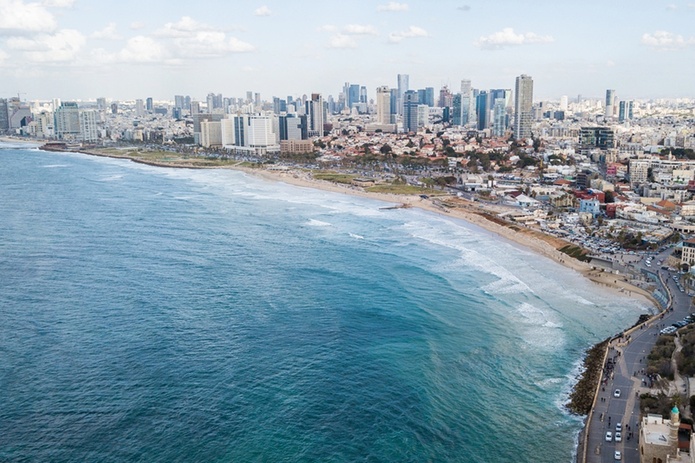
Israël : le tourisme international reprend de la hauteur

En Espagne, le « flex living » séduit aussi les plus de 50 ans

Voyages d’affaires et réunions : la frontière s’efface

Insolite ! À Los Angeles, bientôt des taxis pour éviter… les bouchons


Eurostar soon facing competition on the Channel Tunnel


D’ici 2030, la concurrence devrait se développer sur la liaison ferroviaire entre Londres et l’Europe pour atteindre jusqu’à 55 allers-retours quotidiens. @depositphotos/jonkempner

La liaison ferroviaire entre Londres et l’Europe pourrait fortement se développer d’ici 2030, avec jusqu’à 55 allers-retours quotidiens, soit environ un train toutes les 15 minutes.



Eurostar devrait faire face à l’arrivée de Virgin Trains et de Trenitalia, qui prévoient respectivement leurs premiers services en 2030 et 2029.

Un troisième acteur, Gemini Trains, ambitionne également de se lancer. Cette concurrence pourrait accroître l’offre et faire baisser les tarifs, mais plusieurs obstacles restent à lever, notamment les autorisations réglementaires et la capacité des gares et infrastructures.

Plus à lire sur politico.eu


Brésil : le voyage d’affaires accélère


Le Brésil connaît un fort développement du voyage d’affaires. @depositphotos/iveklitch.gmail.com

Le Brésil s’impose comme l’un des marchés les plus dynamiques du voyage d’affaires.

Selon la GBTA, les dépenses corporate devraient atteindre 35,8 milliards de dollars en 2026, soit une croissance de 13,8 %, la plus forte parmi les 15 principaux marchés mondiaux.

Une dynamique qui accompagne celle du tourisme international : les recettes des visiteurs étrangers ont progressé de 12,1 % au premier semestre, à 5,6 milliards de dollars.

Plus à lire sur abouttravel.ch


Thailand, Australia, Japan: travel choices vary by generation


Les attentes des jeunes voyageurs diffèrent d’une génération à l’autre. @depositphotos/luckybusiness

Une étude basée sur plus de 4 700 réservations met en évidence des différences entre Gen Z et Millennials. La Thaïlande arrive en tête chez les plus jeunes, devant l’Australie, l’Indonésie et le Vietnam, tandis que les Millennials privilégient l’Australie, la Thaïlande et le Japon.

Budget, réseaux sociaux, recherche de destinations moins fréquentées et dispositifs comme le visa vacances-travail expliquent en partie ces écarts.

Plus d’informations sur le site euronews.com


EF World Journeys finally courting travel agencies


Israel: international tourism rebounds


En Israël, les hôtels ont enregistré 395 000 nuitées de touristes en juillet 2026, soit une hausse spectaculaire de 139 % sur un an.@depositphoto/VeronikaGorBO

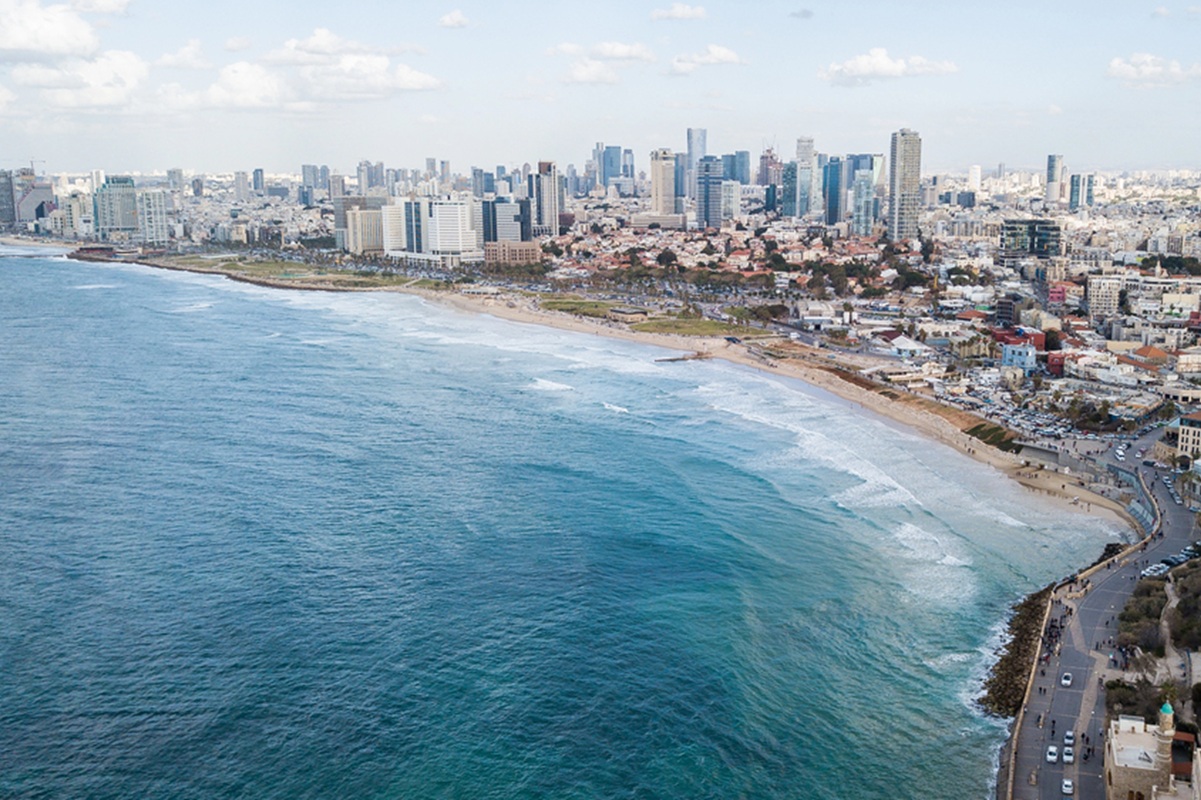
Le tourisme international en Israël semble retrouver des couleurs : les hôtels ont enregistré 395 000 nuitées de touristes en juillet 2026, soit une hausse spectaculaire de 139 % sur un an.

Sur les sept premiers mois de l’année, le nombre de nuitées atteint 1,7 million, contre 1,5 million en 2025.

La reprise semble également s’accélérer, avec une moyenne mensuelle de 247 000 nuitées sur les trois derniers mois, contre 181 000 auparavant.

A lire sur traveldailynews.com


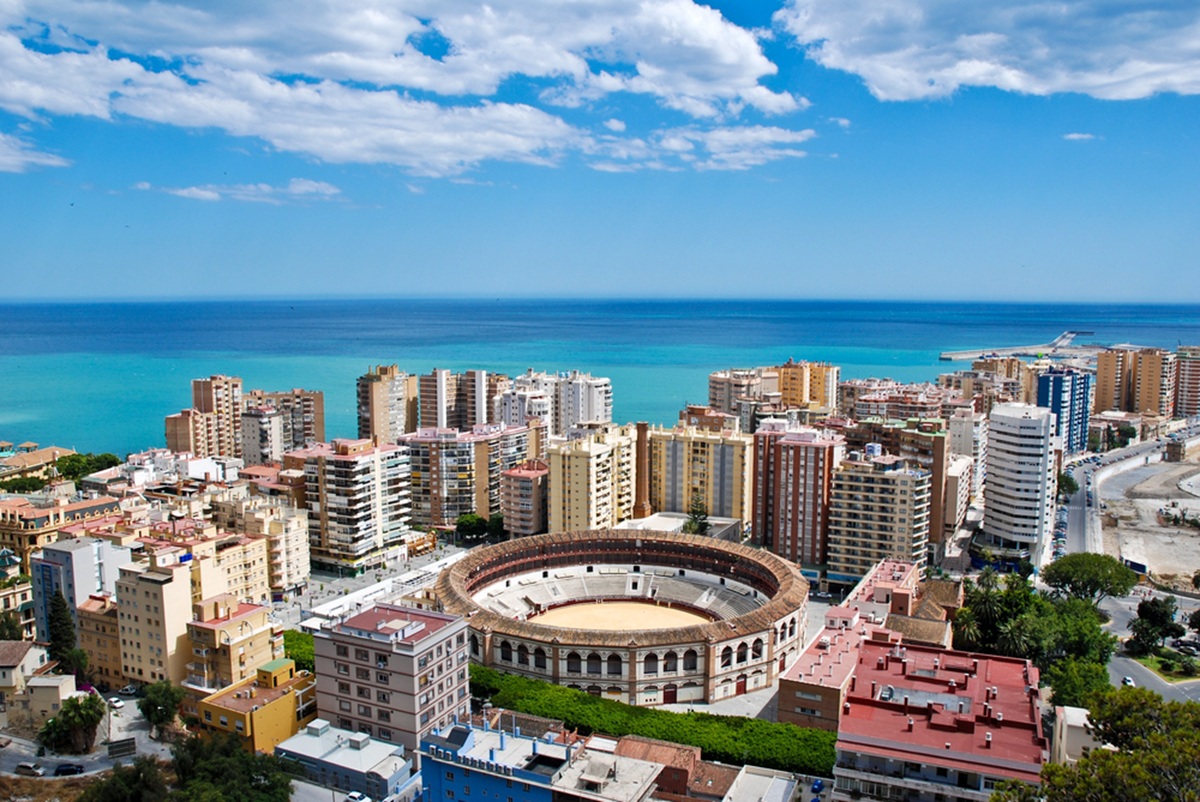
In Spain, the “flex living” also appeals to those over 50


En Espagne, les plus de 50 ans, séduits par les logements flexibles.@depositphotos/marimar8989

Le logement flexible change de cible en Espagne : longtemps associé aux étudiants et jeunes actifs, il attire désormais aussi les plus de 50 ans, séduits par l’autonomie, les services et les espaces partagés.

Selon Cando Living, le parc espagnol devrait doubler d’ici 2028, passant de 19 000 à près de 39 000 logements. Madrid concentre une grande partie des nouveaux projets, tandis que le secteur attire de plus en plus d’investisseurs.

Un article du site hosteltur.com


Business travel and meetings: the boundary is blurring


La frontière entre voyages d’affaires et réunions s’estompe. @depositphotos/kasto

Les voyages d’affaires et les réunions d’entreprise pourraient bientôt se gérer sur une même plateforme. Avec l’acquisition de TROOP, spécialiste de la planification de réunions, Spotnana veut réunir déplacements individuels, événements, réservations et dépenses.

Une tendance qui se confirme : plus de 60 % des responsables voyages et achats supervisent désormais à la fois les voyages et les réunions, contre 50 % en 2025. De quoi donner aux travel managers un terrain de jeu encore plus vaste !

Plus à lire skift.com


Insolite ! À Los Angeles, bientôt des taxis pour éviter… les bouchons


Les Américains feront-ils mieux que les Français ? Parviendront-ils à transporter les visiteurs en taxis volants pendant les JO de 2028 ? @depositphotos/rikitikitao@gmail.com

Pour les JO de 2028, Los Angeles pourrait proposer une solution très californienne aux embouteillages : prendre les airs !

Un premier « vertiport » accueillera des taxis volants électriques d’Archer Aviation, capables de transporter quatre passagers.

Le trajet entre Burbank et le SoFi Stadium passerait ainsi d’environ une heure en voiture à 14 minutes dans les airs.

Une idée qui rappelle les JO de Paris 2024 : la France avait elle aussi prévu des taxis volants, mais le projet s’était finalement soldé par un échec et 2,9 millions d’euros de dépenses publiques. À Los Angeles, les taxis volants auront donc une petite revanche à prendre !

Une info à lire sur euronews.com

Cultural Travel: The Voyage Companies Revive the Terra Incognita Brand [ABO]


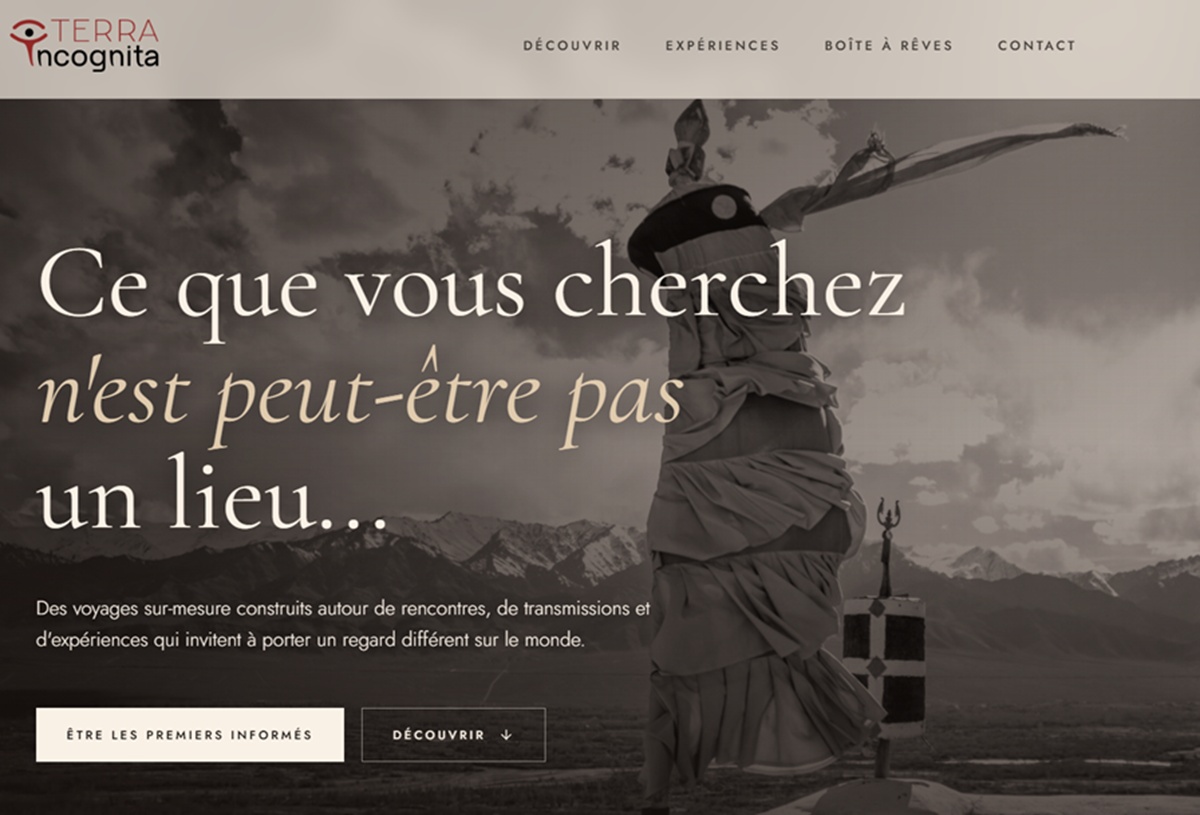
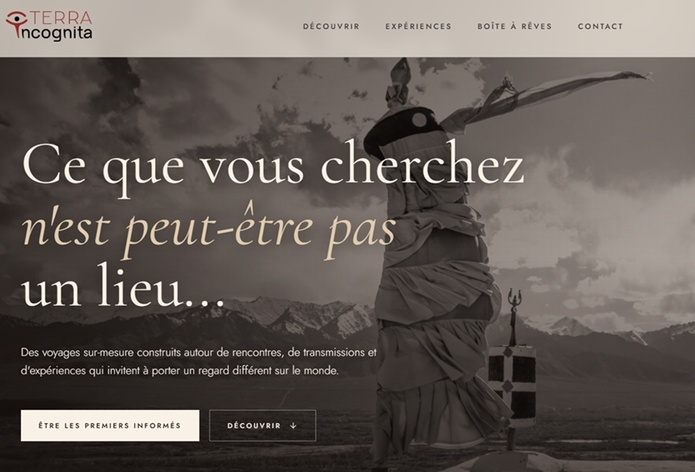
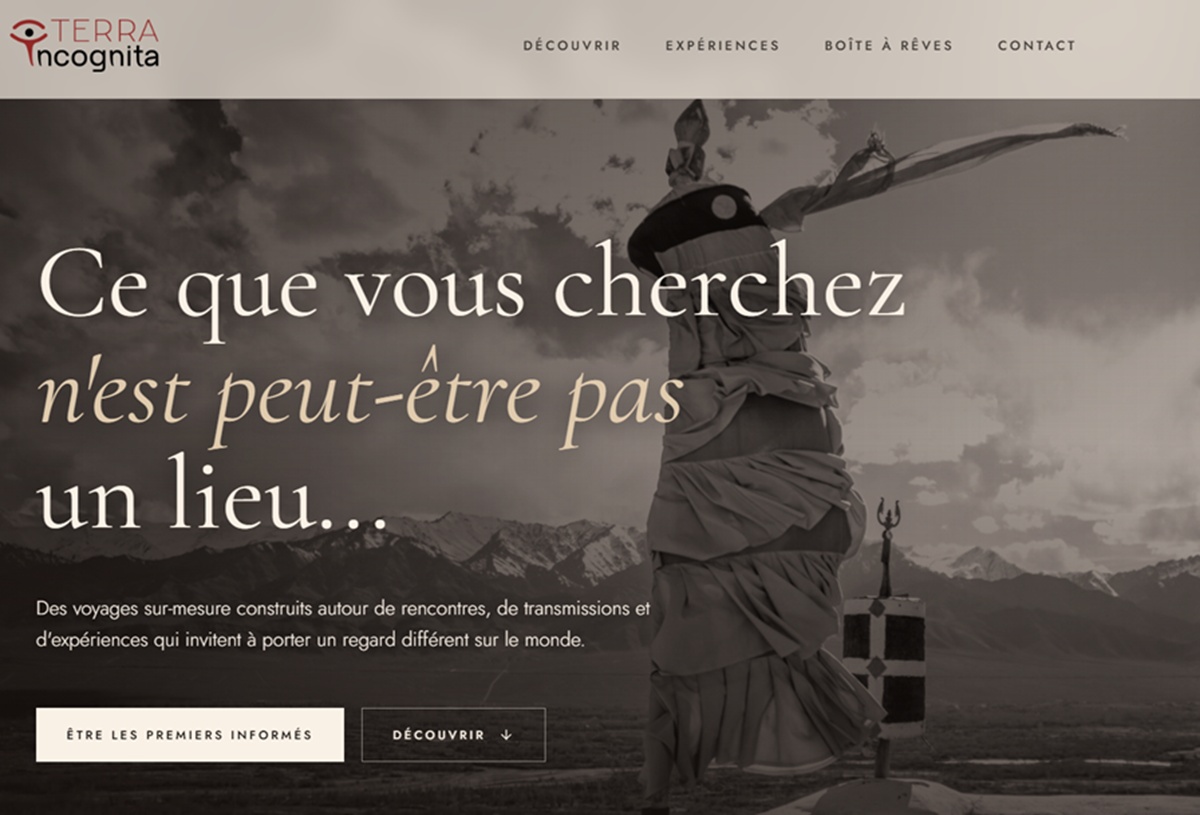
Les Compagnies du Voyage font renaître la marque Terra Incognita - Capture écran

Hurtigruten


After revitalizing Adventure and Volcanoes, Les Compagnies du Voyage continues its development with the revival of Terra Incognita.

Jean-Christophe Guérin, the group’s President, already knew Terra Incognita from its original history.

The brand had been created at the end of the 1990s within the Atalante universe, then put to sleep in 2010. Guérin learns at the end of 2025 that it was still owned by the original group.

« If you do nothing with it, I’m interested. I’d be willing to take it back. I might have a project », he says.

Without a clearly defined idea at the outset, the conflict in the Middle East that erupted in late February accelerates its implementation. With an objective: to fidéliser the clientele on other types of travel.


Cultural journeys through experiences

<img src=”https://www.tourmag.com/my/tourmag/site/version2020/regie-video/pixel.png” width=”1″ height=”1″ style=”border:0px” id=”debloquage_article_abonnement”>With Vie Sauvage, a specialist in nature and wildlife travel, Fika Voyages for walking, cycling and train journeys, and Aventure et Volcans around the discovery of volcanoes, the group already had a strong positioning in adventure and discovery travel.

However, to keep this clientele engaged, Jean-Christophe Guérin needed a new string to his bow: « For the last two years, we have noticed that the people who travel with us and are very satisfied do not necessarily want their next project to be a nature trip. For many, it’s more of a cultural journey » he explains.

« Terra Incognita takes a place somewhat in mirror of what Vie Sauvage does in tailor-made fashion, in a more cultural dimension », the leader continues.

This cultural dimension, Les Compagnies du Voyage want to develop through discoveries, but also through experiences.

The brand will thus be able to offer a meeting with an artisan who exceptionally hosts travelers, a dinner at private homes sharing a passion, an immersion in an artistic universe or access to experiences that are hard to find in traditional tourist circuits.

« Each of us has our own Terra Incognita, he emphasizes. « Because we do bespoke travel, we want to start from what the client shares with us, from their desires and imagination, to then build the itinerary. This is how we want to launch the project. »


Terra Incognita: around fifteen destinations


Jean-Christophe Guérin - Les Compagnies du Voyage

Some experiences may be offered only once or twice a year, depending on the availability of people or the events involved.

Terra Incognita could also construct trips around festivals or events with a cultural, artistic or religious dimension. Small-group departures are also contemplated when the experience itself justifies sharing the journey with other participants or with an expert.

These collective departures should however remain minority, around 5 to 10% of the offer. Around fifteen destinations should form the initial base of the offering, with a presence in Europe, in Asia, in India and in Oceania. But the principle is to be able to respond to a much broader demand.

« This can also be in France. » adds the leader. The tour operator intends to rely on the know-how of the current teams: « 50% of the employees have knowledge that goes beyond the scope of the current brands. »

The group will also rely on independent consultants and specialists capable of intervening on specific topics.


The full Terra Incognita site is set to launch in the autumn. In the meantime, the brand is already developing its universe around a dream box, designed as an entryway to travel.

In some cases, Terra Incognita may even push the element of surprise further, letting the traveler discover their program progressively, or even at departure.

« We take the brief and let them discover their trip, either at the airport, or day by day, as it unfolds », describes Jean-Christophe Guérin.

An approach that echoes the notion of a journey into unknown land

Royal Caribbean Hosts Over 500 Travel Agents Aboard the Legend of the Seas


Plus de 500 agents de voyages EMEA ont participé au « Seminar at Sea » de Royal Caribbean à bord du Legend of the Seas.   Photo: Royal Caribbean

Hurtigruten


Royal Caribbean a réuni plus de 500 agents de voyages venus de toute la région EMEA à bord du Legend of the Seas pour son plus important « Seminar at Sea » jamais organisé.

Pendant five days, les professionnels ont pu se familiariser avec le nouveau navire, premier de la Icon class à naviguer en Europe, et approfondir leur connaissance de l’offre de la compagnie.

Les participants ont notamment découvert les différentes catégories d’hébergement, les expériences proposées à bord, les principales escales du navire ainsi que le portefeuille de destinations Ultimate de Royal Caribbean. Ils ont également pu tester en avant-première le nouvel outil de traduction en direct basé sur l’intelligence artificielle, avec des contenus audio et des sous-titres disponibles dans plusieurs langues.


Royal Caribbean : formation et immersion à bord

The program combined training sessions and product discovery. The agents were notably able to participate in Legend Quest, an interactive experience in the form of a game that lets participants explore the ship and its various activities.

They also had access to roughly 40 dining, drinks and entertainment experiences offered onboard, including the new Hollywoodland Supper Club and the show Roald Dahl’s Charlie and the Chocolate Factory. The itinerary also included calls at Palma de Mallorca and La Spezia.

Royal Caribbean emphasizes that this format should enable travel partners to better grasp the experience offered to their clients and to strengthen their expertise on the company’s offerings.