Five Safest Destinations in the World

As tensions and wars multiply across various regions of the globe, many travelers now place particular emphasis on safety when choosing their next destination. A new international ranking from the Global Peace Index highlights countries where stability, trust, and quality of life remain exceptionally high. From the North Atlantic to the Swiss Alps, these five nations offer a reassuring environment for both residents and visitors. Here is why they rank among the world’s safest countries in 2026.

Continental countries where safety is part of daily life

Let’s begin with the continental nations. Ranking third, Switzerland climbs two places compared with the previous year. The country benefits from its historical neutrality, low crime rates, and a high level of trust among citizens. Cornelia Choe, based in Geneva, recalls recovering her wallet after losing it twice. “These are small moments, but they leave a lasting impression and create a sense of security that is priceless”, she told the BBC. With cities renowned for their quality of life, lakes, and Alpine peaks, Switzerland offers a particularly stable environment.

Slovenia, on the other hand, makes its entry into the global top five this year. Nestled between Italy, Austria, Hungary, and Croatia, this small European country attracts with its high level of safety and low military expenditures. Slovenians maintain a close bond with nature, whether in the Julian Alps, the forests that blanket much of the country, or turquoise rivers. “Slovenians attach great importance to community and spend a lot of time in nature, which, I believe, creates in us a sense of calm and stability”, explained Jerneja Zver, head of operations for Eastern Europe at the travel company Intrepid Travel, to the BBC. The capital Ljubljana, often cited among Europe’s most pleasant cities, epitomizes this balance between urban life and green spaces.

Islands that rank among the world’s safest destinations

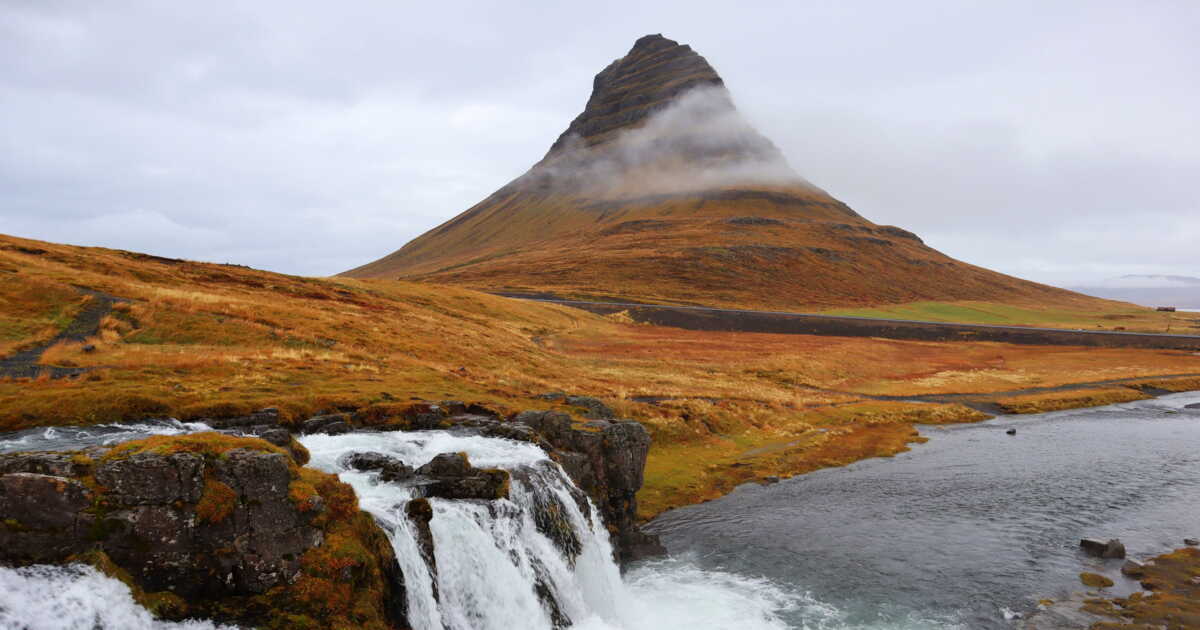
Heading to island nations. And there, at the top of the Global Peace Index 2026, Iceland once again leads the way. A remarkable record for this Nordic country, which has held the top spot for 19 consecutive years. This island with a population of around 400,000 stands out for a very low crime rate, limited militarization, and strong social cohesion. For Oddný Arnarsdóttir, director of Visit Iceland, this situation is deeply rooted in the local culture. “Peace is all around us in Iceland, in the nature that surrounds us, but it is also a conscious choice anchored in our close-knit communities”, she told the BBC. Between volcanoes, glaciers, geothermal springs, and small villages scattered across spectacular landscapes, the country cultivates a particularly calm pace of life.

The second place is occupied by New Zealand. Located more than 1,500 kilometers from Australia, this island nation benefits from a geographical isolation that shields it from many international frictions. The country also ranks among the least militarized in the world. Warwick Woodley, founder of NZ Golden Visa, argues that this calm is reflected in daily life. “Most people hardly think about it there, which is probably the best indicator that it’s generally not a concern”, he told the BBC. Between the Fiordland fjords, rugged beaches, and the mountains of the South Island, nature is omnipresent and easily accessible.


Ireland completes the top five. The island nation records low violence levels and maintains a long-standing tradition of neutrality on the international stage. For Didi Ronan, founder of Native Hotel in County Cork, this hospitality culture has roots in the country’s history. “Ireland’s historical experience as a nation makes its people particularly aware of the dangers of prejudice and the importance of being generous and welcoming to others”, she told English media. From the Cliffs of Moher to the wilds of Donegal, and the colorful villages along the west coast, Ireland draws travelers seeking authenticity as well as serenity.

Despite their geographic and cultural differences, these five countries share several common traits: robust institutions, a high level of trust among citizens, a strong emphasis on nature, and a high quality of life. These advantages explain why they are today among the safest destinations in the world to travel to in 2026.

Top 10 countries in the Global Peace Index 2026

  1. Iceland
  2. New Zealand
  3. Switzerland
  4. Slovenia
  5. Ireland
  6. Austria
  7. Portugal
  8. Singapore
  9. Finland
  10. Japan

Coastal Safari and Swahili Heritage: Tanganyika Expeditions’ Iconic Destinations


Saadani Kasa Bay - Safari © Tanganyika Expeditions

Dream Yacht


Both located on the Swahili coast, these properties reflect a shared aim: to offer authentic, human-scaled experiences that allow visitors to discover the destination beyond the most traditional itineraries.

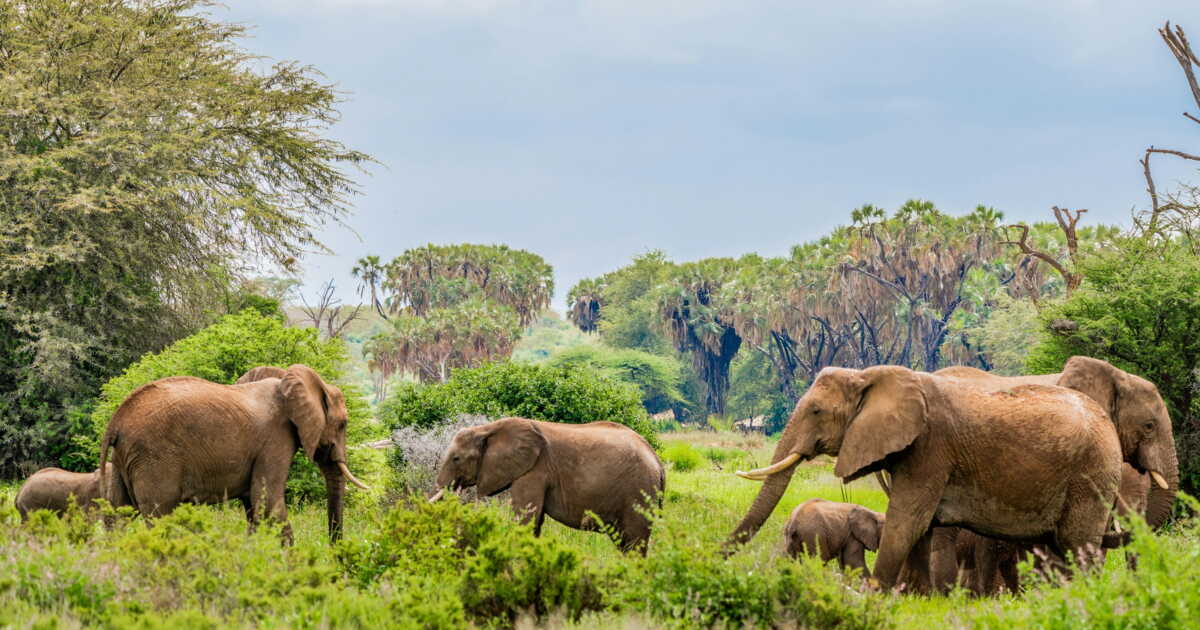
On one side, Saadani Kasa Bay provides an immersion in one of Tanzania’s most distinctive environments. Located in the country’s only national park where the savannah directly meets the Indian Ocean, this twelve-room lodge enables wildlife viewing, boat safaris on the Wami River, and exploration of the marine ecosystem.


Saadani Kasa Bay © Tanganyika Expeditions


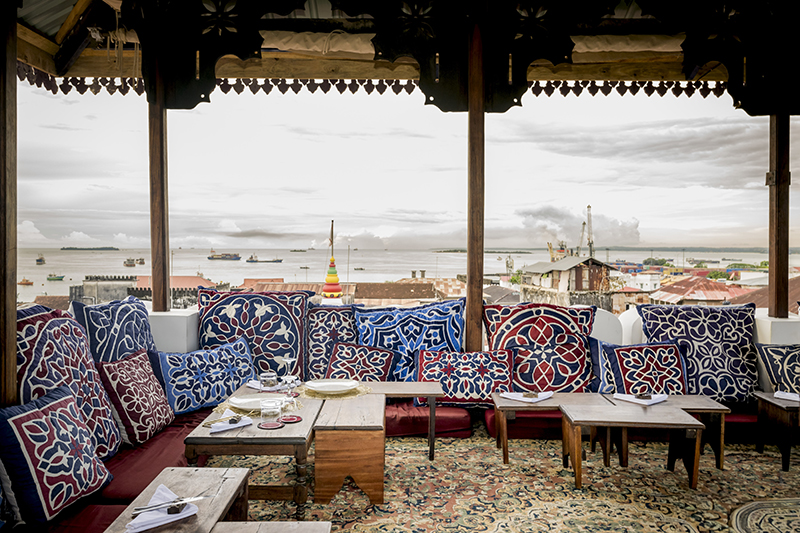
From the other side, Emerson on Hurumzi immerses travelers in Zanzibar’s history. Set in a 19th-century Swahili palace in the heart of Stone Town, the hotel today stands as one of the most iconic addresses in the old town, a UNESCO World Heritage Site. Its panoramic rooftop, renowned for its views of Stone Town’s rooftops and the Indian Ocean, contributes to its distinctive identity.


Emerson on Hurumzi © Tanganyika Expeditions


Although these two establishments operate in different spheres, they share a common philosophy: to highlight the cultural and natural identity of the Swahili coast through characterful accommodations.

For travel agencies and tour operators, this complementary approach enables the creation of programs that combine Tanzanian wildlife discovery, cultural immersion, and exclusive experiences, while relying on properties directly integrated into the Tanganyika Expeditions offering.

With Saadani Kasa Bay and Emerson on Hurumzi, Tanganyika Expeditions thus continues to develop a lodging offering coherent with its DNA: to reveal an authentic Tanzania and Zanzibar, far from the uniform standards of international beach tourism.


For all your information requests:


Entre safari côtier et patrimoine swahili : les deux adresses emblématiques de Tanganyika Expeditions

Gavache Laurent

+ 33 (0) 4 93 71 50 85

[email protected]

www.tanganyika.com
>> TANGANYIKA EXPEDITIONS in the DESTIMAG Directory


European Destinations to Escape the Summer Heat

As heat waves become more frequent in Europe, many vacationers rethink their summer plans. Rather than chasing sun at any price, they now favor destinations where temperatures stay pleasant even in the height of summer. This trend, dubbed “coolcation,” favors maritime, mountainous, or Nordic regions. From the Anglo-Norman islands to the vast Nordic expanses, several areas stand out as preferred refuges for a cool vacation.

Islands and Coasts Betting on Cool Temperatures

Just a few tens of kilometers from the French coast, Jersey and Guernsey offer an immediate sense of escape without requiring a long journey. Thanks to the influence of the English Channel, temperatures generally remain mild during the summer. Jersey particularly charms with the diversity of its landscapes: long sandy beaches, sheer cliffs, natural swimming pools revealed at low tide, and small fishing harbors compose a setting conducive to outdoor activities. Surfing, stand-up paddleboarding, kayaking, or coastal hiking allow visitors to fully enjoy an environment where the ocean is ever-present.

The Guernsey archipelago, which also includes Herm, Sark, and Alderney, attracts travelers seeking calm. Cliff-top trails offer spectacular views of the sea, while secluded coves and narrow country lanes invite you to slow your pace. The Anglo-Norman atmosphere, inherited from its distinct history, further enhances the sense of escape. A destination that notably charmed Victor Hugo in his time.

Further north, western Sweden constitutes another destination particularly suited to hot summers. Its vast archipelago, stretching along the Bohuslän coast, is dotted with fishing villages with colorful houses, rocky islets, and traditional ports. Summer temperatures are often cooler than those observed in southern Europe. Between cycling trips, boat excursions, swimming in often chilly seas, and sampling local seafood, the region offers a vacation style focused on nature and simplicity.

For those wishing to stay in France, Brittany remains a reliable choice. Thanks to its Atlantic-facing coastline, it generally escapes the intense heat that affects other regions of the country. Areas such as the Gulf of Morbihan, the Pink Granite Coast, or the environs of Lorient allow you to enjoy beaches, coastal trails, and nautical activities in conditions often more comfortable than in the Mediterranean.

Heading for the Mountains and the Great Northern Outdoors

The mountainous landscapes also serve as a coveted refuge during periods of heat. Nestled in the heart of the Austrian Alps, Innsbruck blends urban heritage with direct access to the mountains. From the city center, several ski lifts enable quick access to the surrounding summits. Travelers can thus alternate cultural visits, panoramic hikes, and breaks by alpine lakes where the air remains markedly cooler than in the lowlands.

In the Pyrenees, the Andorran town of Canillo captivates with its preserved environment. Surrounded by green valleys and mountain lakes, it offers an ideal setting for walkers, mountain bikers, and outdoor enthusiasts. The altitude helps maintain pleasant temperatures even during heat events affecting neighboring regions.

Ireland also ranks among the most popular destinations for fans of the “coolcation.” Temperatures there generally stay moderate throughout the summer, which fosters road trips across the island’s spectacular landscapes. Vertigo-inducing cliffs, lakes, mountains, coastal roads, and colorful villages compose a scenery particularly cherished by nature lovers. This mild climate makes it possible to multiply outdoor activities without suffering from intense heat.

Finally, it would be hard to speak of cool vacations without mentioning Iceland. With summer temperatures typically ranging between 10 and 15 °C, the Nordic island stands as one of the emblematic destinations of this new way of traveling. Monumental waterfalls, glaciers, volcanoes, black-sand beaches, fjords, and geothermal springs offer landscapes unique in Europe. A striking contrast to Mediterranean destinations, which explains travelers’ growing interest in a more breathable summer.