
Secondary Homes: The “Second Home” Poised to Be Summer’s Big Winner [ABO]


En France, 13% de nos compatriotes possèdent une résidence secondaire - DepositPhotos.com, AlexGukBO

CroisiEurope


Par les temps chaotiques que nous vivons, d’une enquête à l’autre, le même constat apparaît.

Oui, les Européens, dont les Français, mais aussi les Nord Américains, hésitent à engager des dépenses pour leurs vacances d’été.

Et seule une amélioration géopolitique et économique les incitera à sortir de leur tanière pour boucler leurs bagages. Des bagages soit dit en passant, que l’on veut de plus en plus légers, voire inexistants, histoire de ne pas s’acquitter de suppléments !

Toutes les possibilités de faire une économie sur les prochaines vacances sont en effet bonnes à prendre. Et parmi elles, il est clair que l’économie sur l’hébergement arrive en tête.

D’où le succès de la location d’appartements, de maisons, de gîtes et autres chalets… notamment pour des familles ou des groupes d’amis.

D’où la multiplication régulière des échanges sur les sites spécialisés comme Home Exchange qui affiche 200 000 membres, dont 60 000 Français.

D’où la prolifération de séjours en résidences secondaires et maisons de famille. Lesquelles, cet été plus que jamais, deviennent les hébergements refuges sur lesquels se dirigent non seulement ceux qui ont la chance d’avoir une deuxième maison, et surtout ceux qui ont la chance d’avoir des proches, amis ou familles qui en possèdent une.

Au total, on estime à 15 millions le nombre de ces lits dits « non marchands ».


The French and Their Second Homes: A Record

Additional data: in France, 13% of our fellow citizens own a secondary residence.


A high figure, making our country the most advanced in this field with about 3.3 to 3.5 million properties. That is 9.2% of the French housing stock.

Among these fortunate owners, a quarter inherited their properties. Meanwhile, others, according to a study by Atout France, spent an average of €214,000 to acquire a property most often located in the following tourist areas:

– on the coast: 37% (notably in resort towns)

– in mountainous areas (ski resorts and others): 28%

– in urban areas: 16%

– in the countryside: 43%.

28% of these residences occupy isolated sites.

If these statistics are taken into account, at least 13% of the French spend their holidays in second homes. At least in part.

These, however, are also, and increasingly more often, rented to third parties, directly or on platforms. Notably in the countryside where Airbnb, for example, is waging an effort to expand its green-property rental stock.

Other major clienteles of the second home: relatives (family and friends) to whom the property is most often lent or rented.

Very difficult to measure precisely, this population is complemented by vacationers staying in family and friends’ houses, of which the share is estimated at 30 to 40% of vacationers, largely consisting of families (91% for houses located on a rural coastline).

Extended families most often include grandparents who gladly host their grandchildren during part of the holidays, thereby serving as babysitters. Retirees, most often, these seniors use these accommodations to stay there alone, for a longer part of the year.


We squeeze in, but we manage to pull it off!

The sleeping capacity of these accommodations, however, ranges from 3.7 beds for the smallest spaces to 7.2 for spaces larger than 150 m2.

Yet, the crown for tightness goes to the mountain resorts where, on smaller surfaces, the sleeping capacity averages 6.1. This recalls the policy of French mountain development in the sixties, namely the integrated resorts that massively sold cabin studios.

Finally, 7 out of 10 second homes have a garden, park, courtyard… and only 15% of second homes have a swimming pool.

Note that people who are employed spend less than 6 weeks on average in their property, while retirees spend 9 weeks on average. Drawn to less polluted air, Île-de-France residents are those with the longest stays.


Elsewhere in Europe, Bulgaria Takes the Lead!

On average across Europe, 69% of the population owns their principal residence. Among them, it’s estimated that about a quarter also own a second home.

And the country with the greatest number of such second homes is… surprise, Bulgaria.

Greece, at 39%, comes in second place, followed by Croatia (37%). This situation is closely tied to a desire to maintain a link with a family property where Greeks and Croats have their origins and want to preserve them.

During vacation periods in which entire families migrate to the islands, particularly in Greece, and among them the countless Greco-Americans who, every summer, return to reconnect with their roots and spend the summer in their family homes or in newly built villas.

On the opposite end of the spectrum are the Netherlands, where less than one owner in ten (8%) owns a second property. Not so much due to lack of means but rather the desire to settle abroad to live more cheaply. They are 29% in this case, versus 24% on average in Europe, according to the Eurostat study.

In Ireland, only 11% of Irish people own a second residence. Indeed, 71% of Irish people feel that properties are too expensive.

Such data, in any case, allow us to state that owning a second home is not necessarily a practice reserved for the wealthiest. On the contrary, more modest populations seek to preserve a family heritage still little sought after by external buyers.


A Future That Continues the Present


The Four Profiles of Owners Identified by Atout France

Finally, thanks to the numerous data gathered, Atout France’s study has drawn up a typology of owners. It distinguishes four broad categories whose behaviors must be taken into account:

The Heirs (30%) : as their name indicates, they inherited their property in an overwhelming majority: 79%. This is more often located in an isolated place: 43%. 52% judge the expenses involved as bearable. They occupy their residence for 12 weeks on average and are the most likely to lend it out. Three-quarters of them do not hesitate to let others borrow their home, compared with 2/3 among the others. The vast majority (91%) moreover do not rent out their property.

Retirees in Search of Rest (28%) : all or almost all of it is in their designation. Retirees therefore seniors, 68% are married and 78% of them also own their principal residences (compared with 71% on average). If 81% do not rent out their property, 30% occupy it for 10 to 15 weeks on average per year (on an average occupancy of 15 weeks). They have often invested heavily in renovations and are therefore more numerous than average to consider turning it into their principal residence (13% vs. 9%).

The Uninhibited Hedonists (31%) : They are 53 on average, active, and 81% own their principal residence. A rate higher than the average of 76%. Owners, they are also buyers of a second home but they are the least intensive in occupancy. Their property is occupied for 11 weeks on average per year. Logically, they are therefore the most numerous to rent out their property: 22%.

The Investors (11%) : they are the fewest but the youngest: they average 46 years old, a third are under 40, and more than a quarter are single. Recent buyers of their property, they show very high occupancy scores: 21 weeks in the past year, mainly for rental as they themselves spend less than 2 weeks there. It is indeed in this group that the largest volume of regular renters is found: 53% versus 3% for the first two categories and 7% for the third.


Josette Sicsic - DR

Journalist, consultant, speaker, Josette Sicsic has been observing the mutations of the world for more than 25 years in order to analyze their consequences for the tourism sector.

After having developed the Touriscopie journal for more than 20 years, she remains at the forefront of current events where she interprets the present to foresee the future. On the site www.tourmag.com, Futuroscopie section, she publishes several times a week forward-looking and analytical articles.

Contact : 06 14 47 99 04

Email : [email protected]

What to Do in New Orleans: 7 Must-Do Activities in the Big Easy

Nestled in the southern United States, the New Orleans reveals a captivating blend of French, Spanish, and African American cultures, reflected in its architecture, cuisine, and music. Nicknamed the “Big Easy,” this vibrant city is known for its lively festivals, scenic streets, and rich history. For those looking to explore this unique destination, a common question arises: what to do in New Orleans? Here is a detailed guide that will immerse you in the numerous activities and sights to discover in this fascinating city.

1. Exploring the French Quarter, Jackson Square, and the St. Louis Cathedral

The French Quarter, with its lively lanes and historic buildings, is a must-see. Begin with a visit to Jackson Square, where you can admire the St. Louis Cathedral and enjoy the performances of street artists. Do not miss strolling along Bourbon Street, famed for its buzzing nightlife. For a quieter moment, head toward Royal Street, renowned for its art galleries and antique shops.

2. Discovering the Garden District

The Garden District offers a striking contrast with its grand homes and lush gardens. Explore this neighborhood on foot to admire antebellum architecture. The St. Charles Streetcar, an attraction in itself, is a convenient way to tour the area. Note that several celebrities, such as Sandra Bullock, own homes here, adding a touch of glamour to your visit.

3. Immersion into the Music World on Frenchmen Street

Music is inseparable from New Orleans. Delve into this world by visiting Preservation Hall, a temple of traditional jazz. The clubs on Frenchmen Street offer a range of musical performances, from jazz to blues. For live-music lovers, the city provides outdoor shows and regularly hosts brass bands that brighten the streets.

4. Culinary Experiences

No visit to New Orleans would be complete without sampling its Creole and Cajun cuisine. The beignets at Café Du Monde are a sweet delight not to be missed. Enjoy a Gumbo or a Jambalaya at one of the many local eateries. For a quick bite, Po’boys and oysters are popular choices. Make sure to explore the differences between Creole and Cajun cooking to appreciate this culinary richness.

5. Exploration des bayous et du fleuve Mississippi

A excursion into the surrounding bayous offers a unique encounter with local wildlife, including alligators. Several tour operators offer boat trips starting from the city. On the Mississippi, embark aboard the Steamboat Natchez for a cruise that blends sightseeing with relaxation. These aquatic activities provide a different perspective of the region.

6. Museums and cultural heritage such as The National WWII Museum

For a deeper cultural immersion, visit the National WWII Museum, regarded as one of the country’s finest museums. The New Orleans Museum of Art (NOMA) and the Ogden Museum of Southern Art are essential stops for art enthusiasts. The Voodoo Museum offers a fascinating glimpse into this tradition. The city’s cemeteries, such as St. Louis Cemetery No. 1, are also notable for their above-ground tombs.

7. Practical Guide for a Car-Free Visit

New Orleans is easily accessible without a car. The network of streetcars efficiently serves the main neighborhoods. For the more adventurous, renting bikes is a pleasant option. Neighborhoods like the French Quarter and Marigny are perfect for walking. If longer trips are needed, taxis or rideshare services are readily available and affordable.

New Orleans is a city teeming with attractions, whether cultural, historical, or gastronomic. By planning your stay around these points of interest, you’ll discover a city rich in diversity and captivating stories. Whether you’re a music aficionado, a foodie, or a history buff, New Orleans promises a rewarding experience. The variety of activities and the living heritage of this city make it a destination that leaves little room for boredom and plenty of opportunities for exploration and discovery.

How long does it take to visit New Orleans? Plan your ideal stay

To fully enjoy New Orleans, it is advisable to plan for at least 3 to 4 days on site to discover the richness of its jazz history, its museums, and its famous open historic cemeteries like Saint Louis Cemetery. A guided tour of the French Quarter allows you to immerse yourself in the city’s cultural life while exploring landmarks such as the St. Louis Cathedral or Lafitte’s Blacksmith Shop Bar. History enthusiasts can supplement their stay with visits to the sugar plantations, art museums, and the state museum to better understand the city’s history and local culture. A weekend or an extended afternoon in the downtown and districts like the Garden District and the Faubourg Marigny ensures a comprehensive experience, with picturesque street corners, art objects, and local flora.

Is New Orleans Safe? Safety and neighborhoods to know

New Orleans is a large American city, where, like in any metropolis, some areas are more sensitive. Dangerous neighborhoods should be avoided, especially at night, but tourist zones such as the French Quarter, the French Quarter, and the downtown are safe and heavily frequented. Joining French-speaking guided tours or group excursions lets you enjoy historic sites like Preservation Hall, Mardi Gras World, or City Park while minimizing risk. Visitors can also explore open historic cemeteries, urban parks, and museums without worry, staying mindful of local advice. The state of Louisiana and local authorities have put measures in place to keep iconic street corners and major attractions accessible and secure.

What is the best time to visit New Orleans? Plan your perfect trip

The best time to visit New Orleans generally runs from February to May, during Mardi Gras celebrations, when the city offers a unique cultural spectacle. Summer can be hot and humid, but remains favorable for urban parks in the states, cemetery tours, and strolls through the French Quarter. For lovers of jazz history, museums, and historic sites, the milder spring and autumn seasons are ideal to fully enjoy the Old Square, the Garden District, and the sugar plantations. Planning a stay in line with time differences and climate ensures a rewarding experience of the street corners, arts, and must-see sites of New Orleans.

Where is New Orleans located? Location and access

New Orleans, situated in the southeast United States in the state of Louisiana, is a historic city perched on the Gulf of Mexico. It stands out for its unique sea level, its urban parks like City Park, and its vibrant downtown. The city is easily accessible by road, air, and river excursions on the Mississippi, enabling visits to iconic districts such as the Faubourg Marigny, the French Quarter, and the Garden District. Its museums, public cemeteries, and historic sites make this big city a must for enthusiasts of city history, culture, and American heritage.

This article was written with the help of artificial intelligence, then corrected, supplemented, and validated by the editors of the rédaction.

What to Do in Hawaii: 5 Top Outings and Activities on the Big Island

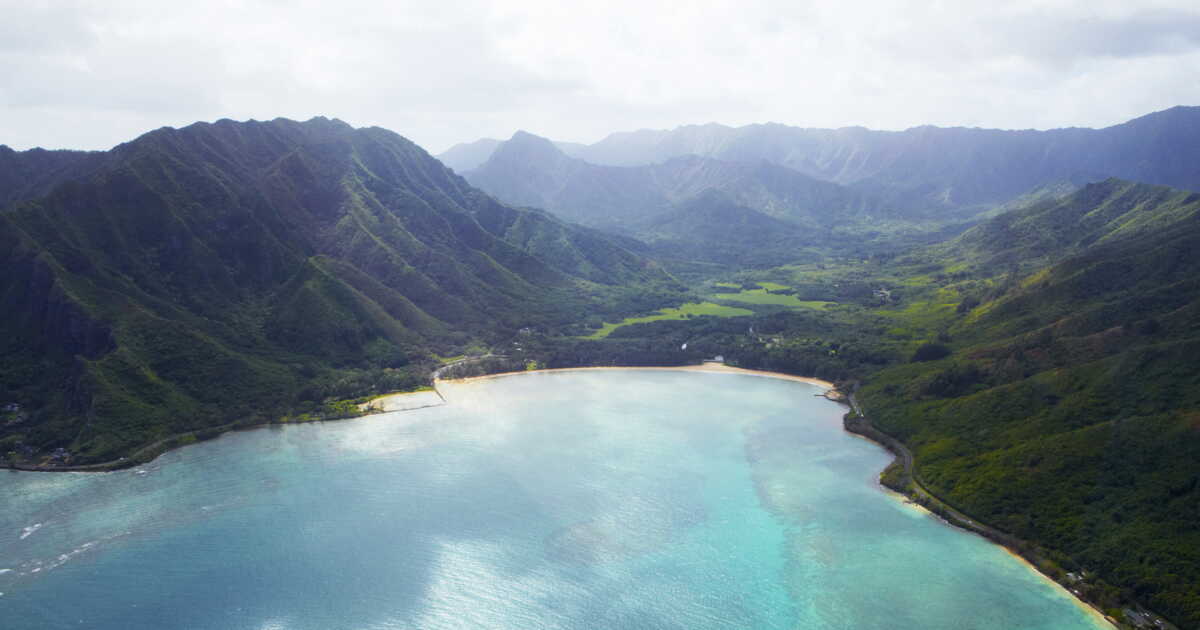
Hawaii, this enchanting archipelago in the Pacific Ocean, is one of the fifty states of the United States. Made up of several volcanic islands, Hawaii is known for its tropical climate, its rich blend of Polynesian and American cultures, and its diverse landscapes ranging from powdery white-sand beaches to active volcanoes. For those planning a trip to Hawaii, the central question is often: what to do once you arrive? This article offers a detailed panorama of the must-see activities to discover at the heart of this archipelago.

1. Explore Oahu and Its Iconic Attractions

Oahu, often considered Hawaii’s gateway, presents a unique blend of urban life and idyllic beaches. Begin your day in Honolulu, the lively capital, by visiting the historic site of Pearl Harbor. Then head to Waikiki Beach for a surfing session or simply to soak up the sun. Do not miss the ascent of Diamond Head, a volcanic crater that offers a panoramic view of the island. For surfing enthusiasts, the North Shore is famed for its impressive waves, especially during the winter season.

2. Discover the Natural Beauty of Maui

The island of Maui, nicknamed the “Valley Isle,” is renowned for its breathtaking scenery. A must-see is the Hana Highway, winding along the island’s eastern coast and offering spectacular views of the ocean, waterfalls, and tropical forests. The sunrise from the summit of Haleakalā, a dormant volcano rising over 3,000 meters, is an unforgettable experience. Maui’s beaches are ideal for snorkeling, especially at Molokini Crater, a crescent-shaped diving site. During the winter months, don’t miss whale watching as humpback whales migrate through these waters.

3. Trek Kauai’s Trails

Kauai, often called the “Garden Isle,” dazzles with lush vegetation and preserved landscapes. Hiking enthusiasts will appreciate the trails along the Na Pali Coast, accessible only by foot, boat, or helicopter, offering jaw-dropping views of the towering cliffs. The Waimea Canyon, nicknamed the “Grand Canyon of the Pacific,” is another must for its striking panoramas. For a full immersion in nature, explore the island’s dense forests and hidden waterfalls.

4. Discover Hawaii Island’s Volcanoes and Diverse Landscapes

Big Island, or the Island of Hawaii, is famous for its active volcanoes. Visit the Hawaii Volcanoes National Park to observe Kilauea, one of the most active volcanoes in the world. Mauna Kea, a dormant volcano, is the island’s highest point and offers a unique opportunity to observe the stars thanks to the numerous observatories perched at its summit. For a different experience, explore the black-sand or green-sand beaches born from volcanic activity. Also enjoy the Kona region to taste the local coffee, renowned for its exceptional quality.

5. Immerse Yourself in Hawaiian Culture and History

Hawaii is not limited to its stunning landscapes; the archipelago also boasts a rich culture and history. Join a Luau, a traditional Hawaiian celebration, to discover local customs through dance, music, and cuisine. Visit traditional villages to better understand the Polynesian way of life. In Honolulu, the Bishop Museum and the Iolani Palace offer fascinating insights into the state’s history. Finally, take time to sample local specialties such as poke, a marinated raw fish dish, or tropical fruits.

In conclusion, Hawaii offers a multitude of varied activities that will satisfy all types of travelers, whether they are adventurers, beach lovers, culture enthusiasts, or nature lovers. Each island of the archipelago has its own identity and deserves to be explored. For visitors, it is an invitation to discover a place where the diversity of landscapes and experiences forms a harmonious and rich tableau.

Is Hawaii an Expensive Destination? Understanding the Cost of a Hawaii Stay

Hawaii is often perceived as a luxury destination, but with smart planning it is possible to fully enjoy its Waikiki beaches, sailing excursions, or hiking trails on Kauai’s stunning landscapes without breaking the bank. Key tips include booking in advance helicopter flights, accommodations in Hawaii, and boat excursions to explore the Napali Coast.

Fans of hiking and refreshing swimming can discover waterfalls, verdant cliffs, and protected areas such as the Honaunau National Historical Park at lower costs. Even incredible experiences like meeting a green sea turtle or discovering marine flora are accessible with a well-planned road trip in Hawaii. By following these budgeting tips and travel-smart advice, it is possible to enjoy the must-see places of Oahu and the Big Island without overspending.

Is Hawaii Worth It? An Unforgettable Experience in the Heart of the Pacific

Visiting Hawaii proves worthwhile at every moment thanks to its rich Hawaiian culture and its breathtaking landscapes. Between the Waikiki Beach, the green cliffs of the Napali Coast, and the Ho‘omaluhia Botanical Gardens on Oahu, travelers can combine trail hikes, short day trips, and half-day water activities.

The hula dance, flower leis, and visits to the official sites of the Hawaiian Island provide a total immersion in the local culture. Protected areas, viewpoints, and waterfalls guarantee an incredible experience, while hikers can enjoy accessible and safe trails. Hawaii blends perfect relaxation with adventure, making this American destination a place where every moment becomes memorable.

What is the Best Time to Visit Hawaii? Enjoy Ideal Weather for Your Activities

For an optimal stay in Hawaii, the best period depends on the activities you choose. The dry season, from April to October, is perfect for swimming, windsurfing, and sailing trips along the Napali Coast. The hiking areas on Kauai or Oahu are especially pleasant, and the marine life and green cliffs reveal themselves in all their splendor. Even during the rainy season, waterfalls and viewpoints remain accessible, and activities such as the hula dance or a visit to the Ho‘omaluhia Botanical Gardens offer rich experiences sheltered from the rain. Planning your road trip in Hawaii according to the weather conditions helps maximize the incredible experience of this island of Hawaii and enjoy all the must-see areas.

How Long Does It Take to Visit Hawaii? Optimize Your Stay to See It All

A stay in Hawaii can range from a few days to several weeks, depending on your pace and interests. To explore Oahu with the possibility of discovering Waikiki Beach, the Ho‘omaluhia Botanical Gardens, and the Honaunau National Historical Park, it is recommended to set aside at least five to seven days. Adding Kauai for its green cliffs and the Napali Coast, or the Big Island for its volcanic and cultural zones, requires several more days. Boat excursions, Hawaii road trips, and refreshing swimming activities should be planned to fully enjoy viewpoints, waterfalls, and marine life. Following these recommendations allows you to experience an incredible trip without rushing and to visit all the must-see spots of Oahu, Kauai, and the Big Island.

What to Do in Hawaii with Family? Activities for All Ages

Hawaii is ideal for a family getaway, offering activities for all ages. Children and adults can enjoy the refreshing swim at Waikiki Beach, the hiking trails across Kauai’s fascinating landscapes, or boat excursions along the Napali Coast.

The waterfalls, protected areas, and encounters with the green sea turtle are perfect for sparking the curiosity of younger travelers. Hawaiian culture unfolds through hula dancing, making flower leis, and visiting sites like the Honaunau National Historical Park. Even sailing excursions and helicopter tours are family-friendly, ensuring a safe and memorable road trip in Hawaii for everyone.

What to Do in Hawaii When It Rains? Indoor Activities and Rainy-Day Discoveries

Even in the rain, Hawaii offers numerous activities to make the most of your stay. The Ho‘omaluhia Botanical Gardens on Oahu allow you to explore tropical flora indoors, while cultural zones and museums provide a glimpse into Hawaiian culture. Short excursions to protected areas or visits to historic sites such as the Honaunau National Historical Park remain possible despite the weather. The hula dance, flower leis, and viewpoints accessible even in rain guarantee an incredible experience. By following essential tips and adapting activities, the rain in Hawaii becomes an opportunity to discover the Island of Hawaii from a different angle.

This article was drafted with the help of artificial intelligence, then corrected, expanded and validated by the journalists of the editorial staff.